Skip to content
AgingResearch.News app

AgingResearch.NewsFree on Google Play

Open app
AgingResearch.News
  • HomeHome
  • SearchSearch
  • AskAsk
  • FollowingFollowing
  • SavedSaved
Join freeSign inSign inSign in
AgingResearch.NewsJoin free
  • Top
  • Latest
  • For you

Latest: Animals · Preprints · Most significant

Filter

Clear filters

Evidence

  • All
  • Prevention & practice
  • Human trials
  • Human studies
  • Animals
  • Model organisms
  • Cells
  • In silico
  • Reviews

Status

  • All
  • Peer-reviewed
  • Preprints
  • All
  • Most significant
  • All
  • Open access
  • All
  • Prevention & practice
  • Human trials
  • Human studies
  • Animals
  • Model organisms
  • Cells
  • In silico
  • Reviews
  • All
  • Most significant
  • All
  • Open access
Status
  • All
  • Peer-reviewed
  • Preprints
FooterIn your assistantComparePrivacyTermsAboutStandardsContactRSSPricingFollow on X© 2026 AgingResearch.News
Sidebar

    Join AgingResearch.News

    Free: every story, saved papers, follows, the weekly email and 3 questions a day to Ask.

    Continue with email

    By continuing, you agree to our Terms and Privacy Policy.

    News

    See allSee all news
    Engineered gut bacteria increase bile acid deconjugation, improving aged mice’s metabolic healthResearchGEN +5Engineered gut bacteria increase bile acid deconjugation, improving aged mice’s metabolic healthLater-born generations reach old age with better memory and slower declineResearchMedical Xpress +1Later-born generations reach old age with better memory and slower declineCastration at 240 days extends median lifespan 32.9% in male UM-HET3 miceResearchFight Aging! +1Castration at several ages extends male lifespan and reveals age-dependent effects of testicular factors on survival.

    Trials

    See allSee all trials
    Modulation Effects of Baduanjin Exercise on Subjective Cognitive DeclineResults posted Nov 6, 2026, Massachusetts General HospitalPsilocybin Effects on Healthy Aging Biomarkers and Purpose in LifePhase 1Now recruiting Nov 17, 2026, Charles RaisonPhase I Trial of a Single Administration of aKLmRNA-Mediated Protein Replacement TherapyPhase 1Now recruiting Nov 12, 2026, Klothea Bio Inc

    Trending

    See allSee all trending stories
    SLEEPGeneOlder adults had weaker brain fluid flow waves during sleepBilobetinInterventionBilobetin eased infection-driven immune aging in miceMizagliflozinInterventionFirst trial results posted: Effect of Mizagliflozin Repeat Dosing on Adverse Events and Postprandial Glucose…LY3437943InterventionFirst trial results posted: A Study of Retatrutide (LY3437943) on Renal Function in Participants With Overweight or…Royal jellyInterventionRoyal jelly increased stem cell activity in aged miceImmune responseProcessIn the news: 9 stories this week. Immune signal keeps brown fat in a low-heat state in mice, and 1 more story this week

    Topics

    See allSee all topics
    Mechanisms387Interventions834Biomarkers545Populations824AI & data163Industry & policy36SupplementsPeptidesProtocols
    Footer
    • In your assistant
    • Compare
    • Privacy
    • Terms
    • About
    • Standards
    • Contact
    • RSS
    • Follow on X
    • © 2026 AgingResearch.News

    TodayTue, Nov 17Tuesday, November 173 papers

    bioRxiv·13 min

    Stress-response protein supports healthy aging in mouse liver

    In experiments in aged mice, removing the stress-response protein p53 from liver cells increased inflammation, while activating it with a drug delayed the onset of…In experiments in aged mice, removing the stress-response protein p53 from liver cells increased inflammation, while activating it with a drug delayed the onset of frailty.

    Preprint: experiments in miceDNA damage response
    Paper
    bioRxiv·7 h

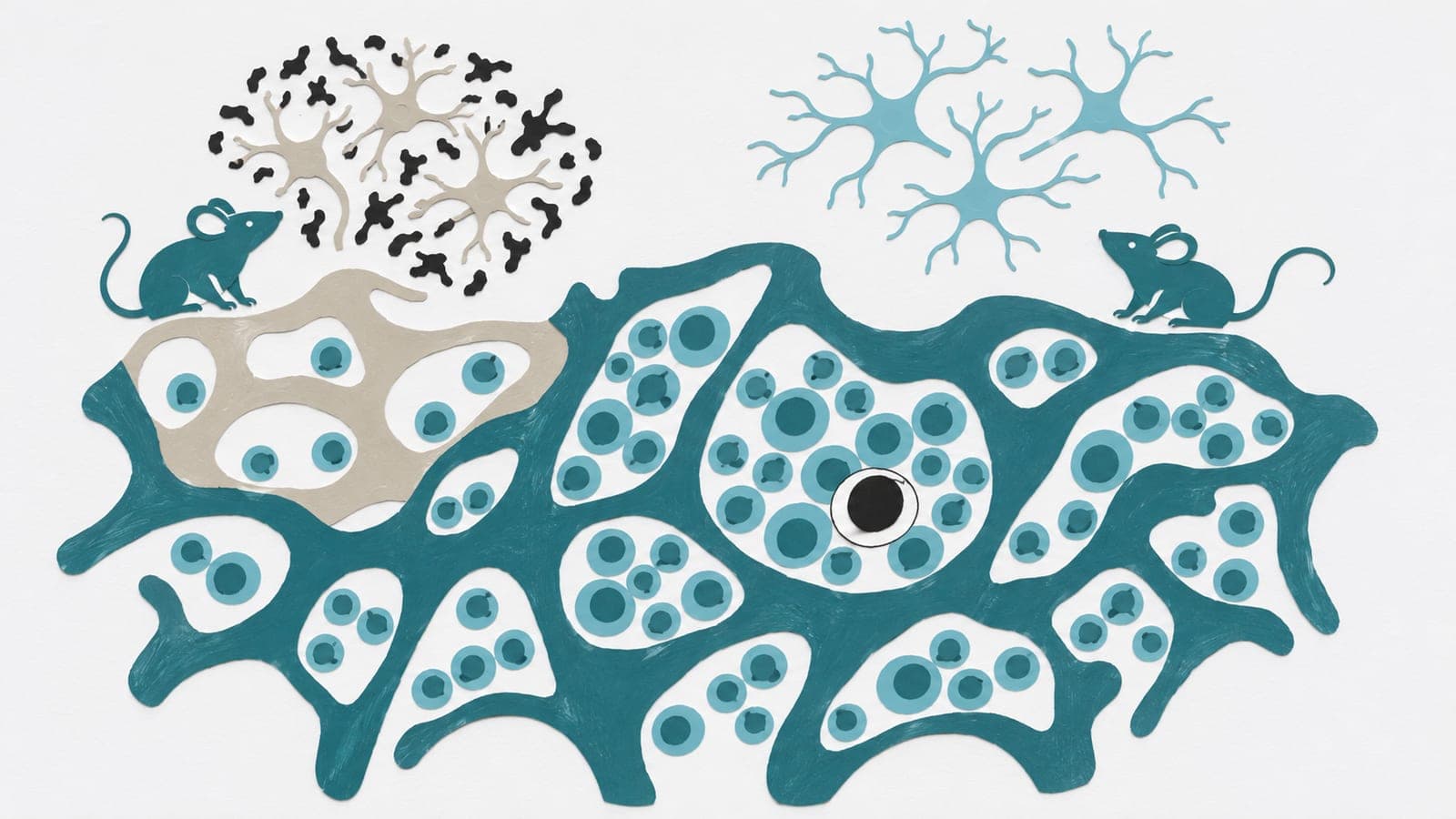
    Gut nerve cells develop signs of cellular aging in mice

    At 24 months, approximately 25–30% of mouse gut nerve cells carried a marker of senescence, a state in which cells stop dividing.At 24 months, approximately 25–30% of mouse gut nerve cells carried a marker of senescence, a state in which cells stop dividing. Mice aged 2, 13–15 and 22–24 months were studied in experiments on nerve cells from the jejunum…

    Gut nerve cells spread across intestinal tissue, with sparse enlarged cells bearing dark clusters beside dense smaller cells and a laboratory mouse.
    Preprint: mouse studyGut and microbiome
    Who was studiedMice of different ages, against young mice
    What changedWith age, gut neurons developed aging signs: approximately 25-30% expressed the senescence marker p21 at 24 months
    The catchThe age-group comparisons did not assess whether senescence-like changes caused digestive problems
    Paper
    bioRxiv·8 h

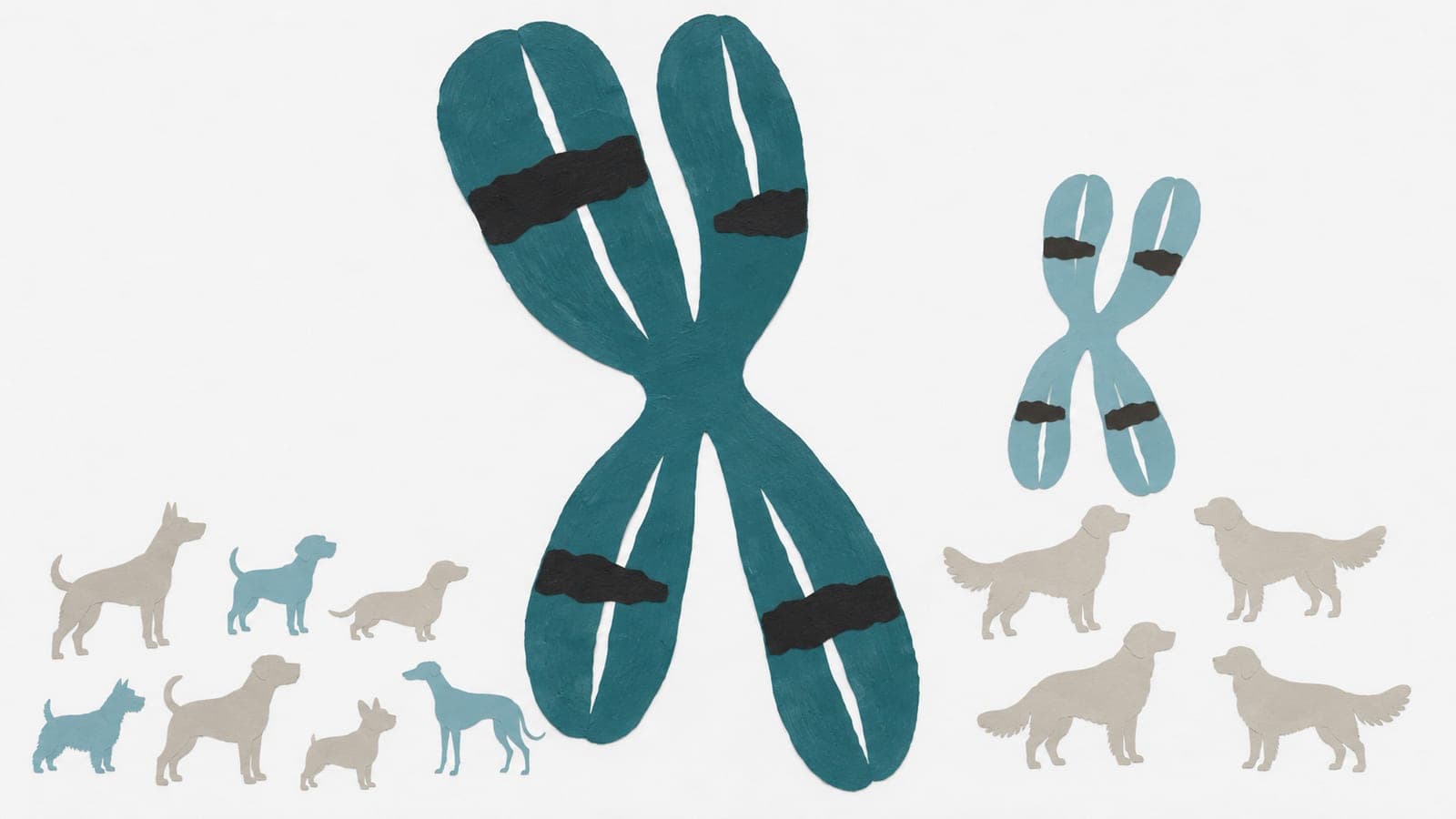
    DNA differences linked to dog lifespan beyond breed size

    Three genetic regions linked to age at death in 540 dogs from 27 breeds also showed associations in 3,024 Golden Retrievers.Three genetic regions linked to age at death in 540 dogs from 27 breeds also showed associations in 3,024 Golden Retrievers. A group of 540 dogs from 27 breeds, with 20 dogs per breed, formed the discovery cohort for genome-wide…

    Chromosomes with matching dark bands rise above dogs of varied sizes on the left and a group of similarly sized retrievers on the right.
    Preprint: genetic association studyPopulations
    Who was studied540 dogs from multiple breeds
    What changedThree DNA regions were linked to dogs' age at death beyond breed-average weight, with associations replicated in Golden Retrievers
    The catchNearby DNA variants inherited together could account for the lifespan associations
    Paper

    YesterdayMon, Nov 16Monday, November 162 papers

    bioRxiv·Yesterday

    Loss of nuclear support proteins harms mouse hearts and arteries

    Median survival was 14.6% lower in artery-disease-prone mice lacking the proteins in blood-vessel-lining cells than in comparison mice.Median survival was 14.6% lower in artery-disease-prone mice lacking the proteins in blood-vessel-lining cells than in comparison mice. Mice genetically prone to fatty buildup in arteries underwent a gene-deletion experiment…

    An artery narrowed by fatty deposits and lined with irregular cell nuclei sits beside a clearer vessel, a scarred heart, and a small mouse.
    Preprint: mouse studyMechanisms
    Who was studiedArtery-disease-prone mice lacking endothelial lamin A/C, against comparison mice
    What changedMedian survival was 14.6% lower in mice lacking the proteins in blood-vessel-lining cells than in comparison mice
    The catchEffects of preserving lamin A/C during natural aging were not measured
    Paper
    bioRxiv·Yesterday

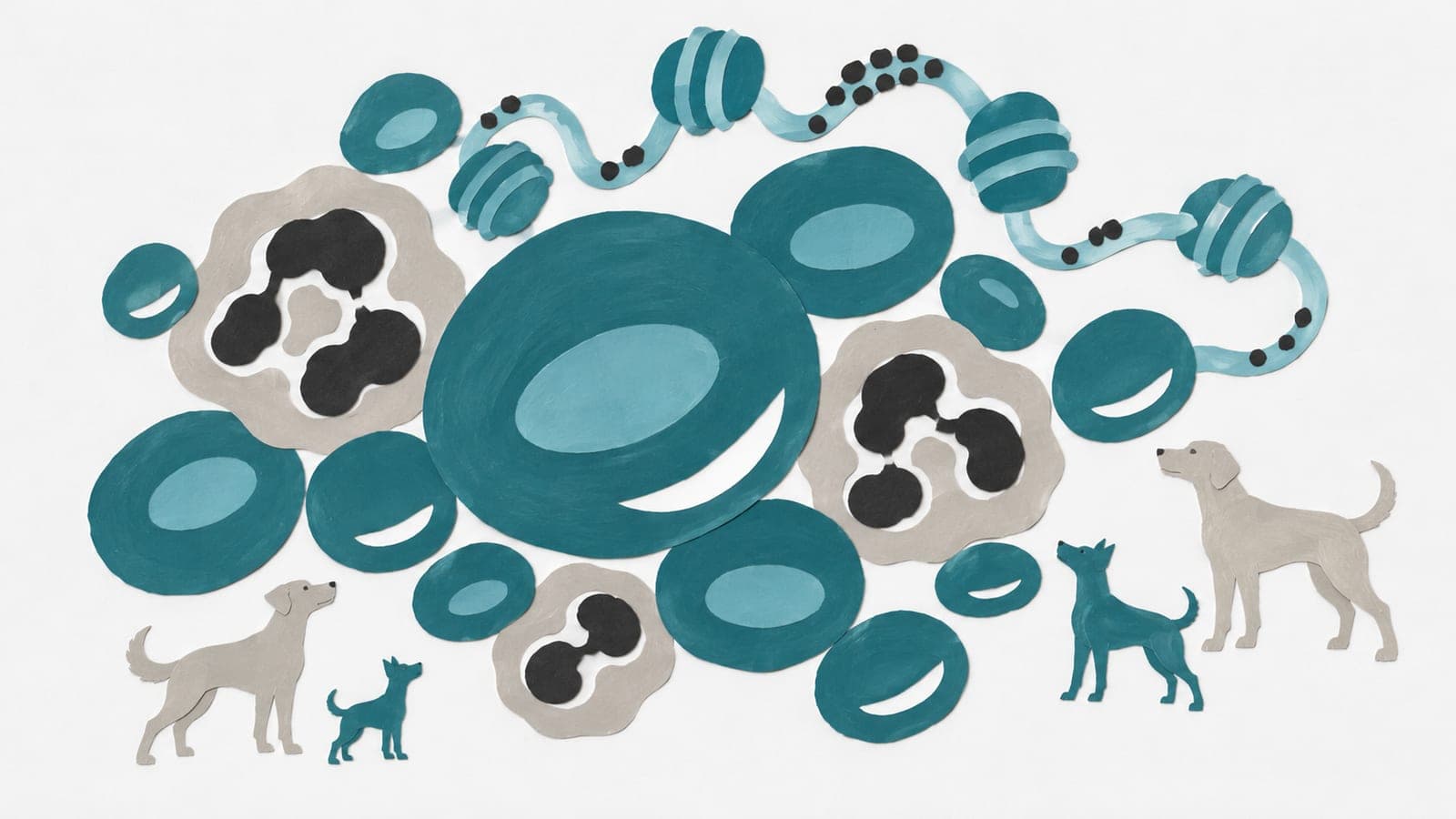
    Biological systems showed linked aging patterns in dogs

    A longitudinal analysis of 965 companion dogs found age dominated variation across measurements of microbes, DNA markings, blood chemicals and the immune system.A longitudinal analysis of 965 companion dogs found age dominated variation across measurements of microbes, DNA markings, blood chemicals and the immune system.

    Blood cells and immune cells sit beside dogs of different sizes, beneath a chromatin fiber with dense and sparse clusters of chemical marks.
    Preprint: cohort studyAI & data
    Who was studied965 companion dogs
    What changedBiological measurements were interconnected, and age dominated their variation
    The catchThe analysis measured cross-system links, not causal effects of one biological system on another
    Paper

    Thu, Nov 121 paper

    Research Square·Nov 12

    Effects of low-dose sildenafil on survival and age-associated phenotypes in the African turquoise killifish

    Preprint: experiments in killifishInterventions
    Paper

    Wed, Nov 111 paper

    bioRxiv·Nov 11

    Heavier male mice had larger lifespan gains from interventions

    For weight-lowering interventions, median lifespan gains over controls rose from 6.2% in the lightest quarter of males to 20.2% in the heaviest.For weight-lowering interventions, median lifespan gains over controls rose from 6.2% in the lightest quarter of males to 20.2% in the heaviest.

    A broad-bodied mouse sits among many dark blue-green mice, fewer heavy gray mice, and equally sized groups of slender mice above.
    Preprint: mouse study · 33,780 miceInterventions
    Who was studied33,780 mice allowed to eat freely, against male mice in lightest weight quartile
    What changedWith weight-lowering interventions, male mice's median lifespan gains over controls rose from 6.2% in the lightest quarter to 20.2% in the heaviest
    The catchPoor control health could inflate apparent lifespan benefits in heavier mice
    Paper

    Mon, Nov 92 papers

    bioRxiv·Nov 9

    Pseudo-observations of longevity improve detection of resilience-associated genes in the Radiation Late Effects Cohort of rhesus macaques

    Preprint: experiments in monkeysMechanisms
    Paper
    bioRxiv·Nov 9

    Restoring a gene regulator reduced liver fat in aged mice

    Experiments in young and aged mice identified a liver protein whose restoration reduced fat buildup but did not consistently reverse inflammation-related gene activity.Experiments in young and aged mice identified a liver protein whose restoration reduced fat buildup but did not consistently reverse inflammation-related gene activity.

    Liver cells with sparse or crowded fat droplets sit beside a laboratory mouse, with dark inflammatory cells surrounding both groups.
    Preprint: mouse studyEpigenetic regulation of gene expression
    Who was studiedYoung and aged mice
    What changedRestoring HNF4 in aged mice reduced liver fat
    The catchRestoring HNF4 did not consistently reverse inflammation-related gene activity
    Paper

    Fri, Nov 61 paper

    bioRxiv·Nov 6

    Aging was most strongly linked to brain protein changes in mice

    A laboratory analysis across the mouse lifespan linked aging to broader brain protein changes than amyloid-beta pathology, which modified selected age-related processes.A laboratory analysis across the mouse lifespan linked aging to broader brain protein changes than amyloid-beta pathology, which modified selected age-related processes.

    Mouse brain tissue with branching neurons and mitochondria, with fewer inner folds and denser support cells near a dark plaque; a mouse sits below.
    Preprint: mouse studyMechanisms
    Who was studiedWild-type and 5xFAD mice
    What changedAging was linked to broader brain protein changes than amyloid-beta pathology
    The catchThe analysis reports protein patterns, not changes in memory or brain function
    Paper

    Tue, Nov 32 papers

    bioRxiv·Nov 3

    Suppressing nerve signals increased muscle mass in aged mice

    Experiments in mice aged 1–25 months linked excessive signaling by norepinephrine, a nerve messenger, to age-related deterioration of nerves and muscles.Experiments in mice aged 1–25 months linked excessive signaling by norepinephrine, a nerve messenger, to age-related deterioration of nerves and muscles.

    Muscle cutaways beside a mouse show thick fibers with dense nerve branches against a smaller muscle with thin fibers and sparse nerve connections.
    Preprint: mouse studyMuscle
    Who was studiedAged mice
    What changedSuppressing norepinephrine-producing nerve cells increased hindlimb muscle mass in aged mice
    The catchStrength and physical function results are absent from the abstract
    Paper
    Research Square·Nov 3

    Inhibiting brain neurons restored immune cell production in aged mice

    In experiments in aged mice, inhibiting specific brain neurons or deleting a gene involved in inflammatory signaling improved the response to a flu vaccine.In experiments in aged mice, inhibiting specific brain neurons or deleting a gene involved in inflammatory signaling improved the response to a flu vaccine.

    Bone marrow with sparse versus abundant immune cells sits beneath mice and branching neurons, with inflammation clustered above the sparse region.
    Preprint: mouse studyBlood and immune system
    Who was studiedAged mice
    What changedInhibiting brain neurons restored immune precursor cells and B-cell production in aged mice
    The catchThe text does not report whether restored immune cell production persisted after treatment ended
    Paper

    Mon, Nov 21 paper

    bioRxiv·Nov 2

    Imaging links kidney structure to molecular aging in rats

    Image-based age estimates differed from actual ages by a mean absolute error of 0.78 months in rats excluded from model training.Image-based age estimates differed from actual ages by a mean absolute error of 0.78 months in rats excluded from model training. In 32 male rats aged 9, 18, 21 and 25 months, researchers combined kidney imaging with measurements…

    Kidney tissue shows orderly blue-green tubules beside widened, damaged gray tubules with uneven lipid droplets, above a small laboratory rat.
    Preprint: rat study · 32 ratsBiomarkers
    Who was studied32 male rats
    What changedImage-based age estimates differed from actual ages by a mean absolute error of 0.78 months in rats excluded from model training
    The catchThe study mapped associations rather than testing whether structural changes caused kidney dysfunction
    Paper

    Wed, Oct 281 paper

    bioRxiv·Oct 28

    Losing the Frem3 gene lowers brain volume in aging mice

    Mice lacking Frem3 in excitatory brain cells showed widespread brain volume loss between young adulthood and middle age alongside lower cognitive performance.Mice lacking Frem3 in excitatory brain cells showed widespread brain volume loss between young adulthood and middle age alongside lower cognitive performance.

    Development of Frem3-cKO mice.
    Preprint: mouse studyMechanisms
    Who was studiedYoung adult and late middle-aged mice, against young adult Frem3-cKO mice
    What changedBrain volume was lower in late middle-aged Frem3-cKO mice than in young adults; controls showed no age-related difference
    The catchThe main test found no clear difference in age-related brain volume changes between genotypes
    Paper

    Sat, Oct 241 paper

    bioRxiv·Oct 24

    Testes may aid survival early but harm it later in male mice

    Castration at 240 days increased median lifespan by 32.9%, compared with increases of 19.3% at 20 days and 25.8% at 60 days.Castration at 240 days increased median lifespan by 32.9%, compared with increases of 19.3% at 20 days and 25.8% at 60 days. In an animal experiment, researchers removed the testes of male UM-HET3 mice, a stock with varied genetic…

    Castration at several ages extends male lifespan and reveals age-dependent effects of testicular factors on survival.
    Preprint: mouse studyMechanisms
    Who was studiedMale UM-HET3 mice, until death or euthanasia, against males castrated before puberty
    What changedMice castrated at 240 days lived longer than those castrated before puberty: median lifespans were 937 versus 841 days
    The catchMice euthanized for severe illness or tumors were censored rather than counted as deaths
    Paper

    Mon, Oct 191 paper

    bioRxiv·Oct 19

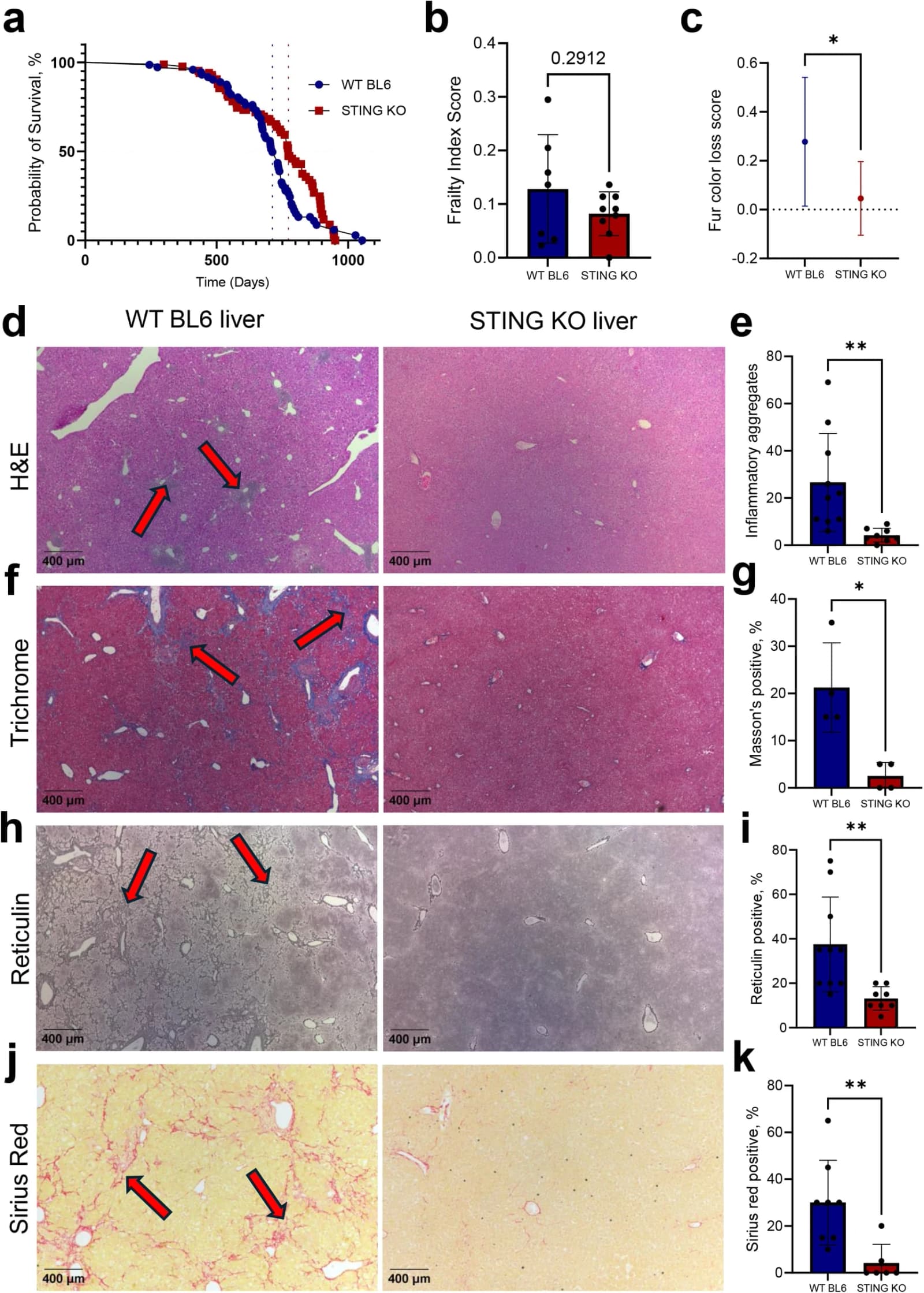
    Mice lacking an inflammation protein had a longer median lifespan

    An animal experiment found longer survival and marked resistance to age-related liver decline in mice genetically lacking the protein.An animal experiment found longer survival and marked resistance to age-related liver decline in mice genetically lacking the protein. In an animal experiment in mice, researchers genetically deleted the gene for STING, a protein…

    STING KO mice display extended median lifespan and resistance to age-associated liver damage.
    Preprint: mouse studyMechanisms
    Who was studiedSTING-deficient and wild-type mice, against wild-type mice
    What changedMice lacking STING had a longer median lifespan than wild-type mice
    The catchLifespan with STING-inhibiting drugs was not measured; mice instead had genetic STING deletion
    Paper

    Thu, Oct 151 paper

    bioRxiv·Oct 15

    A compound expands the brain stem-cell pool in aged mice

    In an animal experiment, 18-month-old mice given the compound for 28 days also showed better spatial memory, without changes in movement.In an animal experiment, 18-month-old mice given the compound for 28 days also showed better spatial memory, without changes in movement. An experiment in 18-month-old mice tested TC-G 1005, a compound that activates TGR5, a…

    Expression of TGR5 in mice hippocampal neural stem cells (hiNSC).
    Preprint: mouse studyInterventions
    Who was studiedAged male C57BL/6J mice, 28 days, against vehicle-treated aged mice
    What changedTC-G 1005 increased hippocampal stem-cell numbers in aged mice compared with vehicle-treated aged mice
    The catchTreatment lasted 28 days; prolonged stimulation could eventually exhaust the stem-cell pool
    Paper

    Tue, Oct 133 papers

    bioRxiv·Oct 13

    Ovarian age measures partly shift towards host age in mice

    Transplanting ovaries between younger and older mice shifted molecular age estimates in both directions, but the changes remained partial.Transplanting ovaries between younger and older mice shifted molecular age estimates in both directions, but the changes remained partial. In mouse experiments, researchers transplanted ovaries between younger and older animals…

    An ovary-specific transcriptomic clock and multi-omic measures of ovarian aging.
    Preprint: mouse studyReproductive system
    Who was studiedYoung and old female mice, 4-5 months, against same-age control ovaries
    What changedOvarian age estimates fell in young hosts and rose in old hosts, shifting partly toward host age compared with same-age controls
    The catchBulk-tissue age estimates mix changes within cells with shifts in cell composition, including host cells
    Paper
    bioRxiv·Oct 13

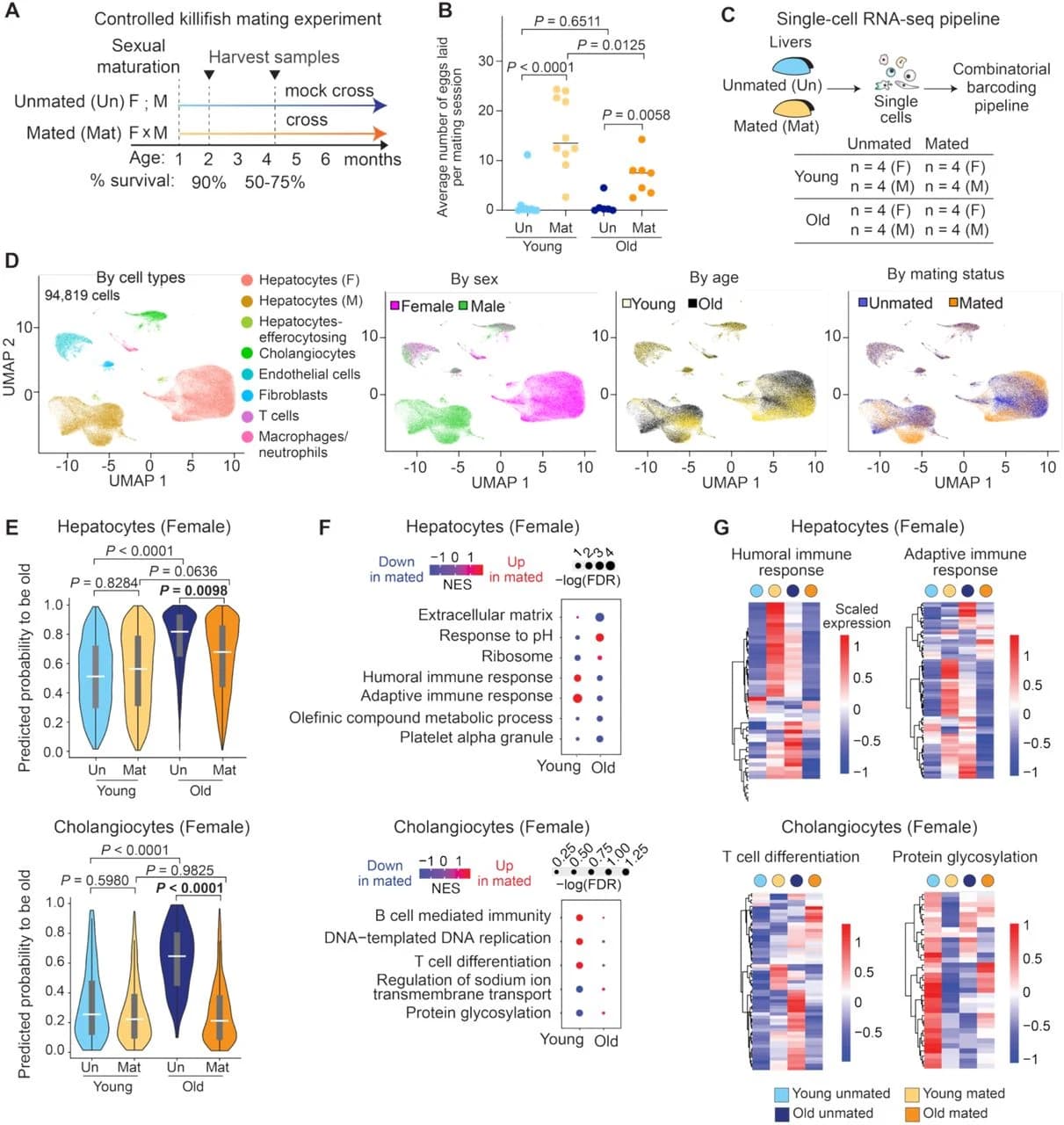
    Lifelong mating reshaped liver aging in short-lived killifish

    In killifish experiments, lifelong mating reduced inflammation in old females’ main liver cells, while models based on gene activity predicted “younger” ages for several…In killifish experiments, lifelong mating reduced inflammation in old females’ main liver cells, while models based on gene activity predicted “younger” ages for several liver cell types.

    Mating ‘rejuvenates’ liver transcriptomes in a sex- and cell-type-specific manner.
    Preprint: fish studyInterventions
    Who was studiedMale and female killifish, lifelong, against old unmated females
    What changedOld mated female killifish had more liver cells classified as younger than old unmated females
    The catchOnly 4 biological replicates per condition supported the liver transcriptomic analysis
    Paper
    bioRxiv·Oct 13

    Intestinal repair linked to lower gene-based age estimates in mice

    In injury experiments, intestinal cells temporarily had lower gene-based age estimates, with the timing differing between young and old mice.In injury experiments, intestinal cells temporarily had lower gene-based age estimates, with the timing differing between young and old mice.

    Intestinal transcriptomic clocks capture aging and rejuvenation.
    Preprint: mouse studyBiomarkers
    Who was studiedMice with intestinal injury, 3 days, against uninjured intestinal tissue
    What changedRegenerating intestinal tissue had lower gene-based age estimates than uninjured tissue (mean difference -2.9 months)
    The catchEach spatial condition had only a single tissue section
    Paper

    Sat, Oct 102 papers

    Research Square·Oct 10

    Short reprogramming reverses blood stem cell aging in mice

    Activating reprogramming factors for 16 days in old mice reduced DNA damage, improved blood reconstitution, and dampened transposable element activity.Activating reprogramming factors for 16 days in old mice reduced DNA damage, improved blood reconstitution, and dampened transposable element activity.

    A blood stem cell with compact chromatin sits beside a gray cell with fragmented chromatin, beneath a laboratory mouse and near smaller blood cells.
    Preprint: experiments in micePartial reprogramming
    Paper
    Research Square·Oct 10

    Blood-cell telomerase delays premature aging in zebrafish

    Boosting telomerase in blood-forming cells extended lifespan in immune-deficient zebrafish and partly restored gut health, operating without major changes in telomere…Boosting telomerase in blood-forming cells extended lifespan in immune-deficient zebrafish and partly restored gut health, operating without major changes in telomere length.

    Rag1 deficiency drives premature intestinal degeneration.
    Preprint: experiments in zebrafishTelomerase and telomere maintenance
    Paper

    Fri, Oct 91 paper

    bioRxiv·Oct 9

    Gene activity shifts nonlinearly in the aging mouse colon

    In an analysis of 83 male mouse samples across five ages, researchers found a midlife shift and built an aging clock from three genes.In an analysis of 83 male mouse samples across five ages, researchers found a midlife shift and built an aging clock from three genes. Instead of changing in a steady line, gene activity followed multiple patterns at once across…

    Differential gene expression in the male mouse colon during aging.
    Preprint: experiments in miceTransposable element activity
    Paper

    Thu, Oct 81 paper

    bioRxiv·Oct 8

    Senescence linked to loss of liver zone identity in mice

    An animal study mapped gene activity in mouse livers of multiple ages, linking senescence patterns to changes in gene patterns defining specialized liver zones.An animal study mapped gene activity in mouse livers of multiple ages, linking senescence patterns to changes in gene patterns defining specialized liver zones.

    Age-related disruption of liver zonation identified by multiple methods.
    Preprint: experiments in miceCellular senescence
    Paper

    Mon, Oct 51 paper

    bioRxiv·Oct 5

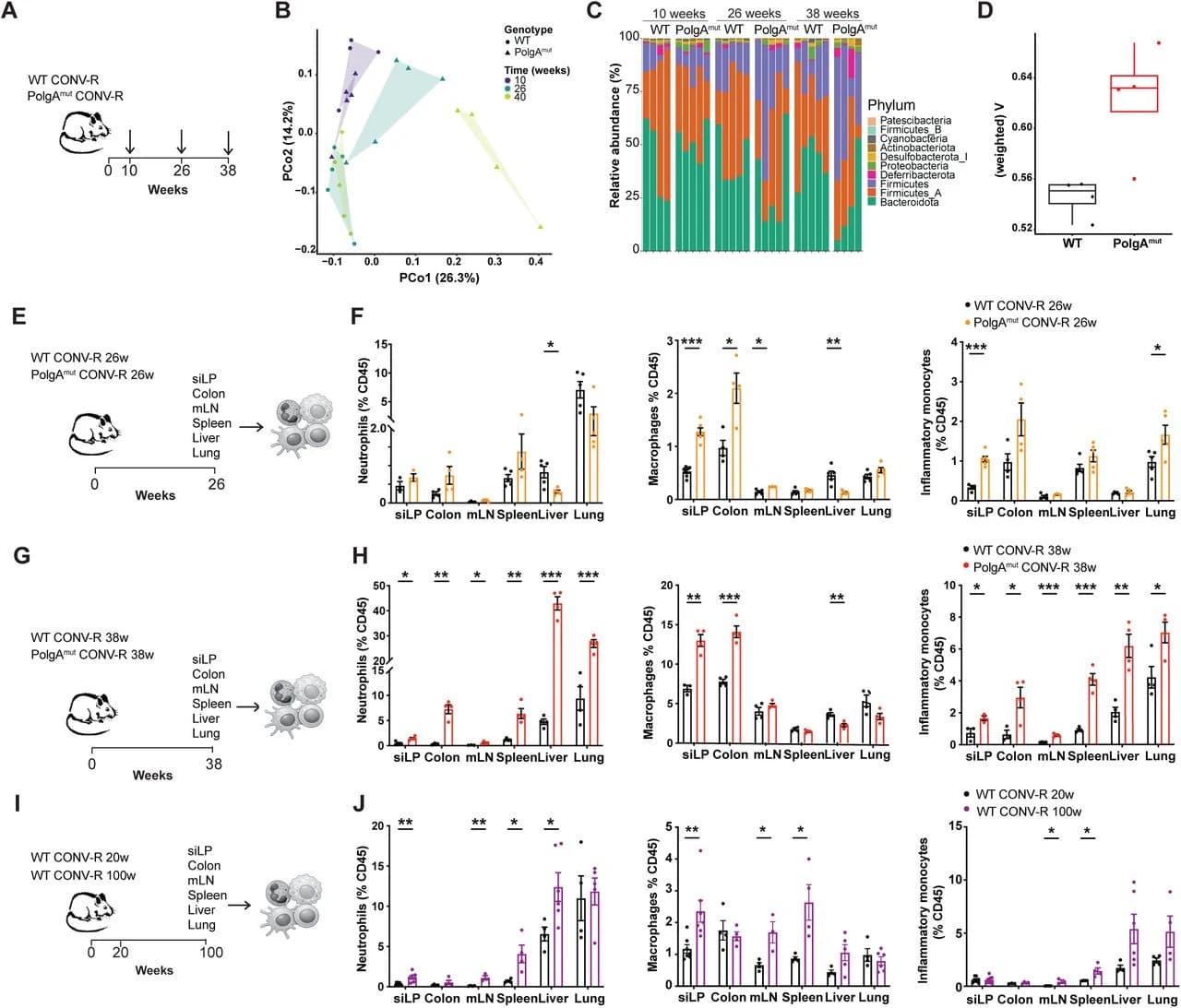
    Gut microbes fuel aging tied to mitochondrial defects in mice

    In a PolgA-mutant mouse model, gut microbiota reduced systemic mitochondrial function while driving energy-demanding immune remodeling and protein synthesis through mTOR…In a PolgA-mutant mouse model, gut microbiota reduced systemic mitochondrial function while driving energy-demanding immune remodeling and protein synthesis through mTOR signaling.

    Mitochondrial dysfunction accelerates age-associated dysbiosis and inflammation.
    Preprint: experiments in miceMitochondrion
    Paper

    Fri, Oct 27 papers

    bioRxiv·Oct 2

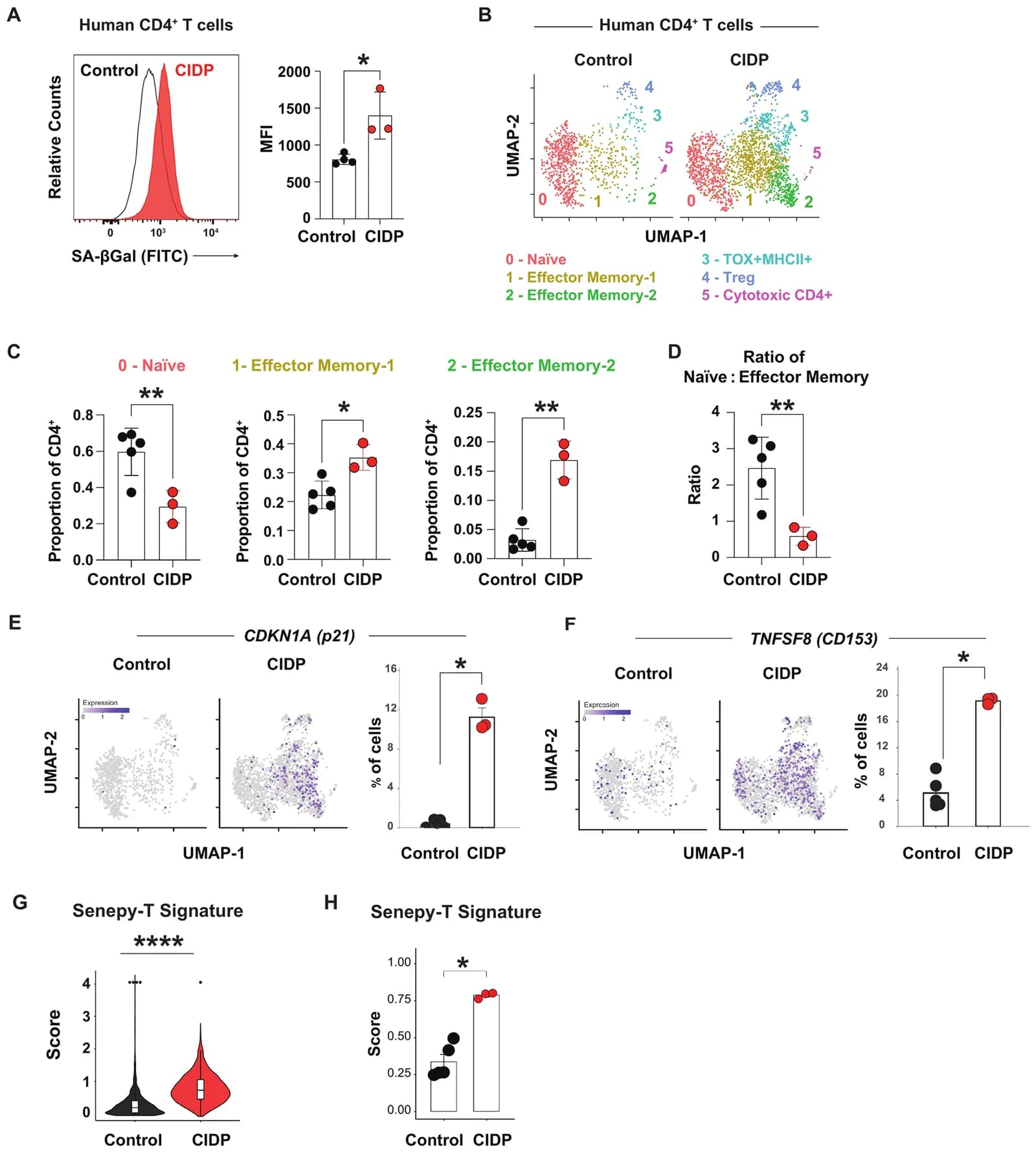
    Senescent CD4 T cells drive age-associated autoimmunity in mice and humans

    Targeting senescent immune cells with fisetin or ruxolitinib reduced disease features and protected mice against autoimmune peripheral nerve damage.Targeting senescent immune cells with fisetin or ruxolitinib reduced disease features and protected mice against autoimmune peripheral nerve damage.

    CD4+ T cells from patients with CIDP exhibit features of immunosenescence.
    Preprint: experiments in miceCellular senescence
    Paper
    bioRxiv·Oct 2

    Sympathetic nerve aging in mouse skin is sexually dimorphic and reversible

    Male mice experience greater distal axon withdrawal that can be reversed by targeting muscle niches with nerve growth factor.Male mice experience greater distal axon withdrawal that can be reversed by targeting muscle niches with nerve growth factor. In a new preprint, researchers investigated sympathetic innervation in mouse skin across aging.

    Aging causes a male-biased decline in sympathetic innervation of hair follicles.
    Preprint: experiments in miceSkin
    Paper
    bioRxiv·Oct 2

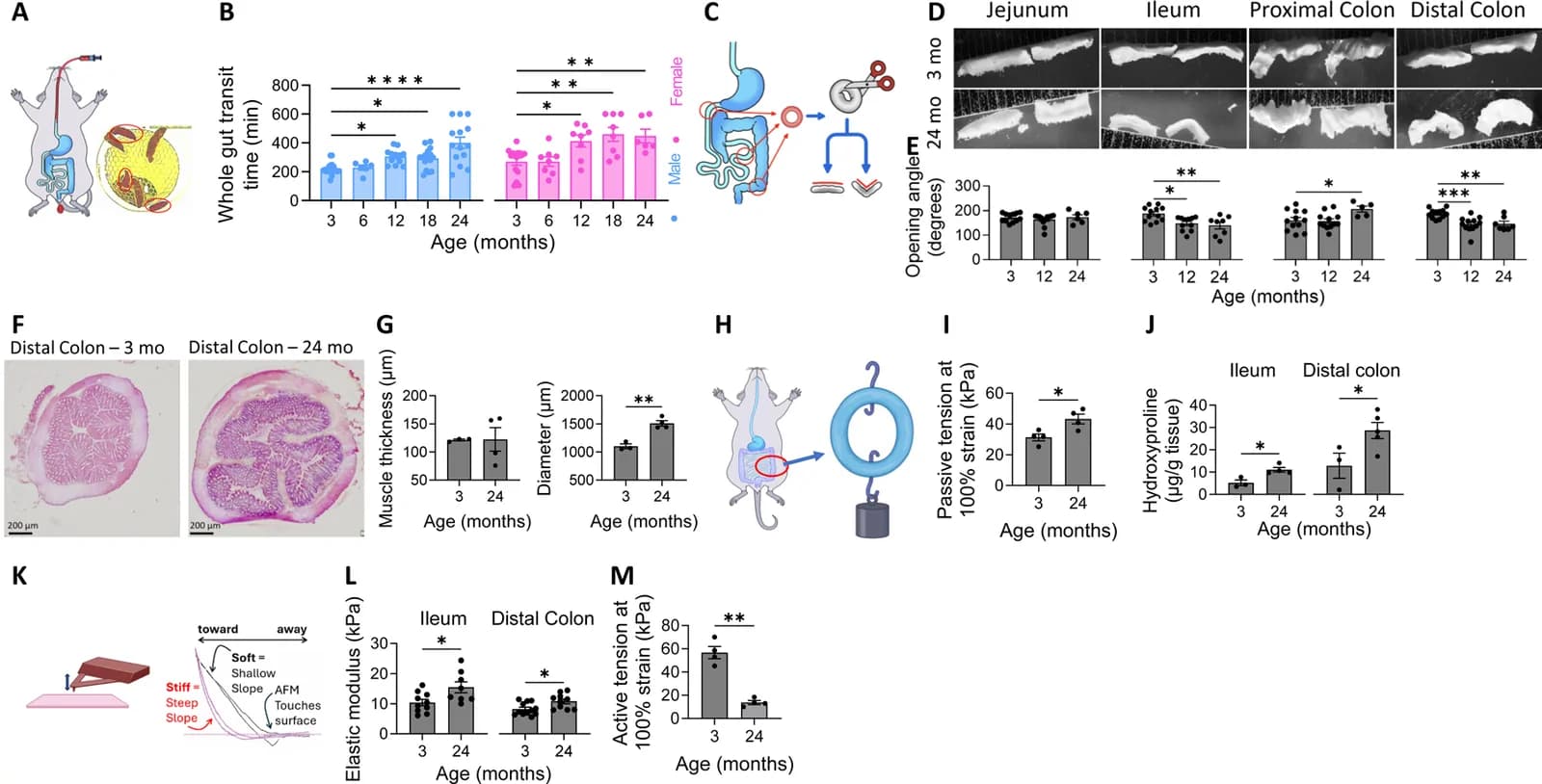
    Deleting the mechanosensitive channel Piezo1 prevents gut motility decline in aging mice

    Age-related gut stiffening activates smooth muscle Piezo1, triggering calcium signaling that suppresses contractile genes and slows intestinal transit.Age-related gut stiffening activates smooth muscle Piezo1, triggering calcium signaling that suppresses contractile genes and slows intestinal transit.

    Aging slows gut transit and is accompanied by regional stiffening and reduced smooth muscle contractility in mice.
    Preprint: experiments in micePIEZO1
    Paper
    bioRxiv·Oct 2

    Cysteine restriction extends lifespan and boosts metabolic fitness in animals

    Reducing dietary cysteine independently of methionine enhanced survival in nematodes and reprogrammed the immunometabolic axis in mice.Reducing dietary cysteine independently of methionine enhanced survival in nematodes and reprogrammed the immunometabolic axis in mice. In Caenorhabditis elegans and mice, researchers investigated whether reducing cysteine instead…

    Cysteine depletion, but not methionine restriction, drives mechanisms that reduce adiposity and enhance lifespan.
    Preprint: experiments in wormsDietary restriction
    Paper
    bioRxiv·Oct 2

    Inhibiting miR-128-3p restores muscle mass and function in aged mice

    The microRNA inhibitor also improved cardiac outcomes after infarction and reduced pathology in mouse and pig models of muscular dystrophy.The microRNA inhibitor also improved cardiac outcomes after infarction and reduced pathology in mouse and pig models of muscular dystrophy.

    SNPs in the miR-128 loci are associated with muscle and pulmonary function in humans and anti-miR-128 improves muscle function and transcriptional programs in aged mice.
    Preprint: experiments in miceMuscle
    Paper
    bioRxiv·Oct 2

    Inhibiting CHK2 improves oocyte quality and reduces ovarian inflammation in aged mice

    A multi-omic analysis shows that defective luteal resolution and CHK2-driven inflammation drive ovarian aging, but drug inhibition restores oocyte maturation.A multi-omic analysis shows that defective luteal resolution and CHK2-driven inflammation drive ovarian aging, but drug inhibition restores oocyte maturation.

    Synchronized superovulation shows declines in ovulatory response and oocyte maturity with abnormal ovarian histology.
    Preprint: experiments in miceInflammation
    Paper
    bioRxiv·Oct 2

    Engineered cardiac transcription factor restores vision and reduces frailty in aging mice

    A genome-scale screen in retinal cells identified NKX2-5 variants that conferred oxidative resilience and improved physical function without detectable toxicity.A genome-scale screen in retinal cells identified NKX2-5 variants that conferred oxidative resilience and improved physical function without detectable toxicity.

    Aging and NaIO₃-induced injury increase oxidative stress in the RPE, enabling an ORF screen for protective factors.
    Preprint: experiments in miceEye
    Paper

    Thu, Oct 11 paper

    bioRxiv·Oct 1

    Chemogenetic hydrogen sulfide production reverses vascular remodeling in aged mice

    Targeting hydrogen sulfide generation to endothelial mitochondria mitigated senescence programs and reversed vascular remodeling in aged mice.Targeting hydrogen sulfide generation to endothelial mitochondria mitigated senescence programs and reversed vascular remodeling in aged mice.

    H₂S declines with age and vascular pathologies.
    Preprint: experiments in miceInterventions
    Paper

    Wed, Sep 301 paper

    bioRxiv·Sep 30

    Faulty debris clearance promotes ovarian fibroinflammation in mice

    Using a corpus luteum tracking system in older mice, researchers linked stalled regression to persistent tissue debris, multinucleated giant cells, and localized…Using a corpus luteum tracking system in older mice, researchers linked stalled regression to persistent tissue debris, multinucleated giant cells, and localized fibroinflammation.

    Dysregulated corpora lutea regression contributes to post-ovulatory debris accumulation in the aged ovary.
    Preprint: experiments in miceReproductive system
    Paper

    Tue, Sep 292 papers

    bioRxiv·Sep 29

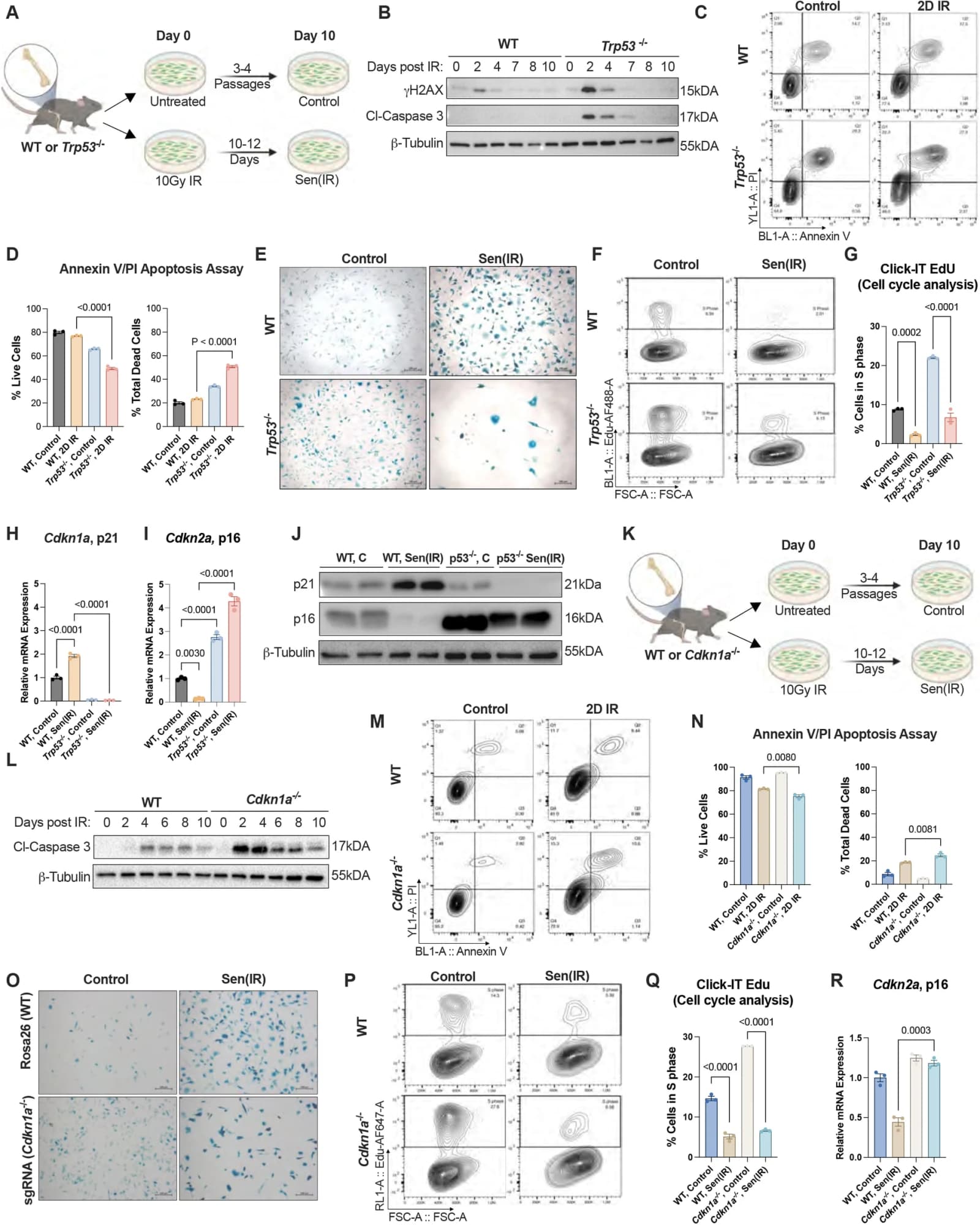
    A distinct p21-driven macrophage senotype accumulates during aging and liver disease

    Researchers identified a p53-p21-Cyclin D2 axis that governs senescent macrophages in mice and human liver cirrhosis and can be cleared with senolytics.Researchers identified a p53-p21-Cyclin D2 axis that governs senescent macrophages in mice and human liver cirrhosis and can be cleared with senolytics.

    The p53–p21 axis promotes macrophage survival and negatively regulates p16 expression in response to genotoxic stress.
    Preprint: experiments in miceMechanisms
    Paper
    bioRxiv·Sep 29

    CAR T cells targeting inflammatory bone marrow progenitors restore cognition in aged mice

    Clearing these peripheral myeloid cells remodeled brain macrophages and improved cognitive performance without requiring the engineered immune cells to enter the brain.Clearing these peripheral myeloid cells remodeled brain macrophages and improved cognitive performance without requiring the engineered immune cells to enter the brain.

    Intrathecal uPAR CAR T cells improve and prevent cognitive decline in aging and Tauopathy.
    Preprint: experiments in miceBlood and immune system
    Paper

    Mon, Sep 281 paper

    bioRxiv·Sep 28

    Early-life mitochondrial DNA mutations drive age-related pathology in mice

    Manipulating mitochondrial fusion can alter tissue-specific selection against deleterious variants that arise early in development.Manipulating mitochondrial fusion can alter tissue-specific selection against deleterious variants that arise early in development. In a new preprint, researchers engineered mice to confine mitochondrial DNA mutagenesis to…

    Novel mouse model and validation of experimental design.
    Preprint: experiments in miceMitochondrion
    Paper

    Sat, Sep 262 papers

    bioRxiv·Sep 26

    Translation error rates rise with age in post-mitotic mouse cells

    Mass spectrometry showed error frequencies increased in post-mitotic mouse tissues during aging but not in dividing cells, correlating with changes in tRNA pools.Mass spectrometry showed error frequencies increased in post-mitotic mouse tissues during aging but not in dividing cells, correlating with changes in tRNA pools.

    Translation error mapping in eukaryotic proteomes and their molecular signatures.
    Preprint: experiments in miceMechanisms
    Paper
    bioRxiv·Sep 26

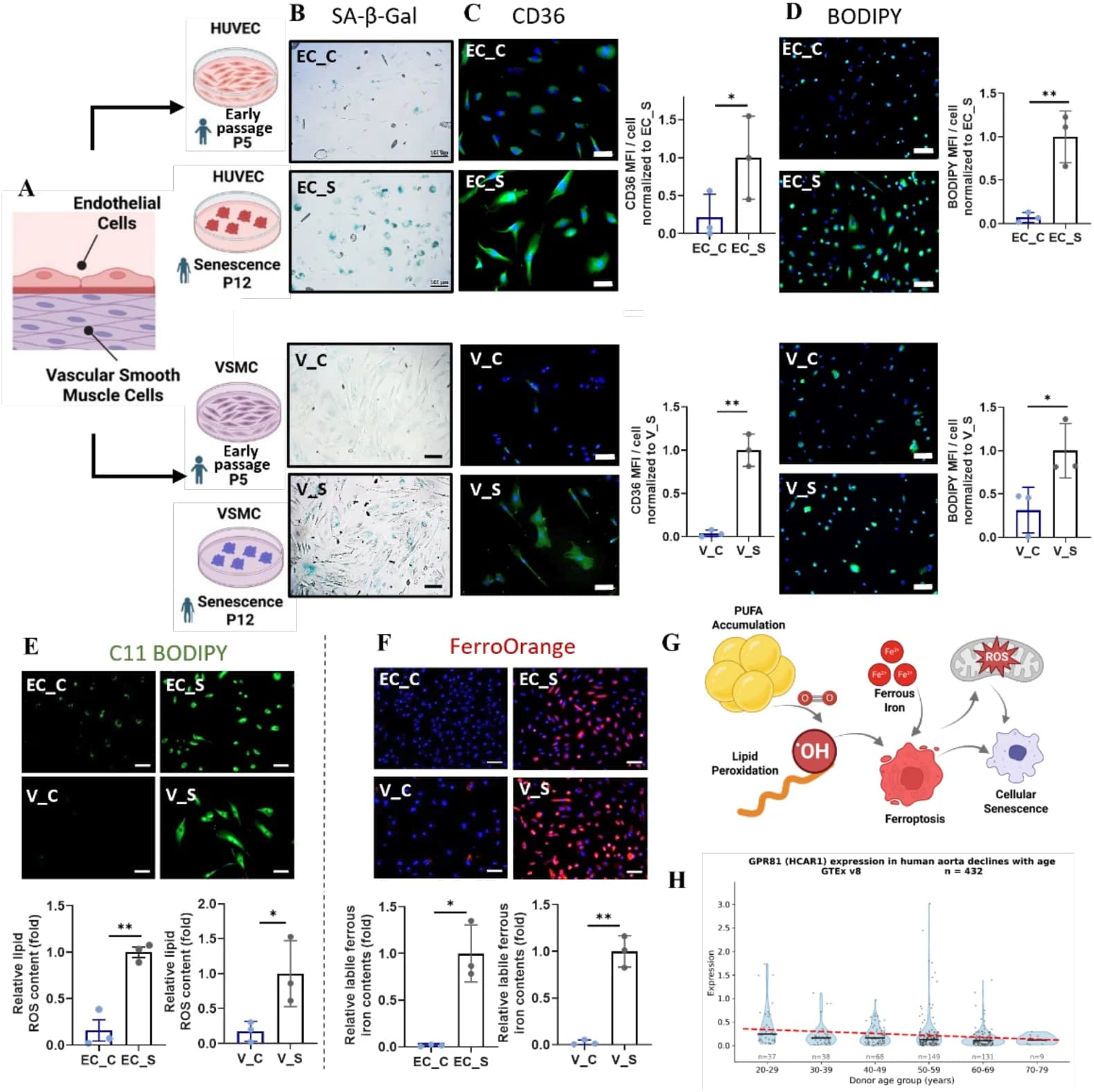
    Lactate receptor activation reduces arterial senescence in mice

    In progeroid mice, activating the GPR81 receptor with the agonist CHBA reduced arterial lipid buildup, lowered cellular senescence, and improved endothelial integrity.In progeroid mice, activating the GPR81 receptor with the agonist CHBA reduced arterial lipid buildup, lowered cellular senescence, and improved endothelial integrity.

    Vascular aging is associated with lipid dysregulation and ferroptotic stress.
    Preprint: experiments in miceInterventions
    Paper

    Thu, Sep 24

    Research Square·Sep 24

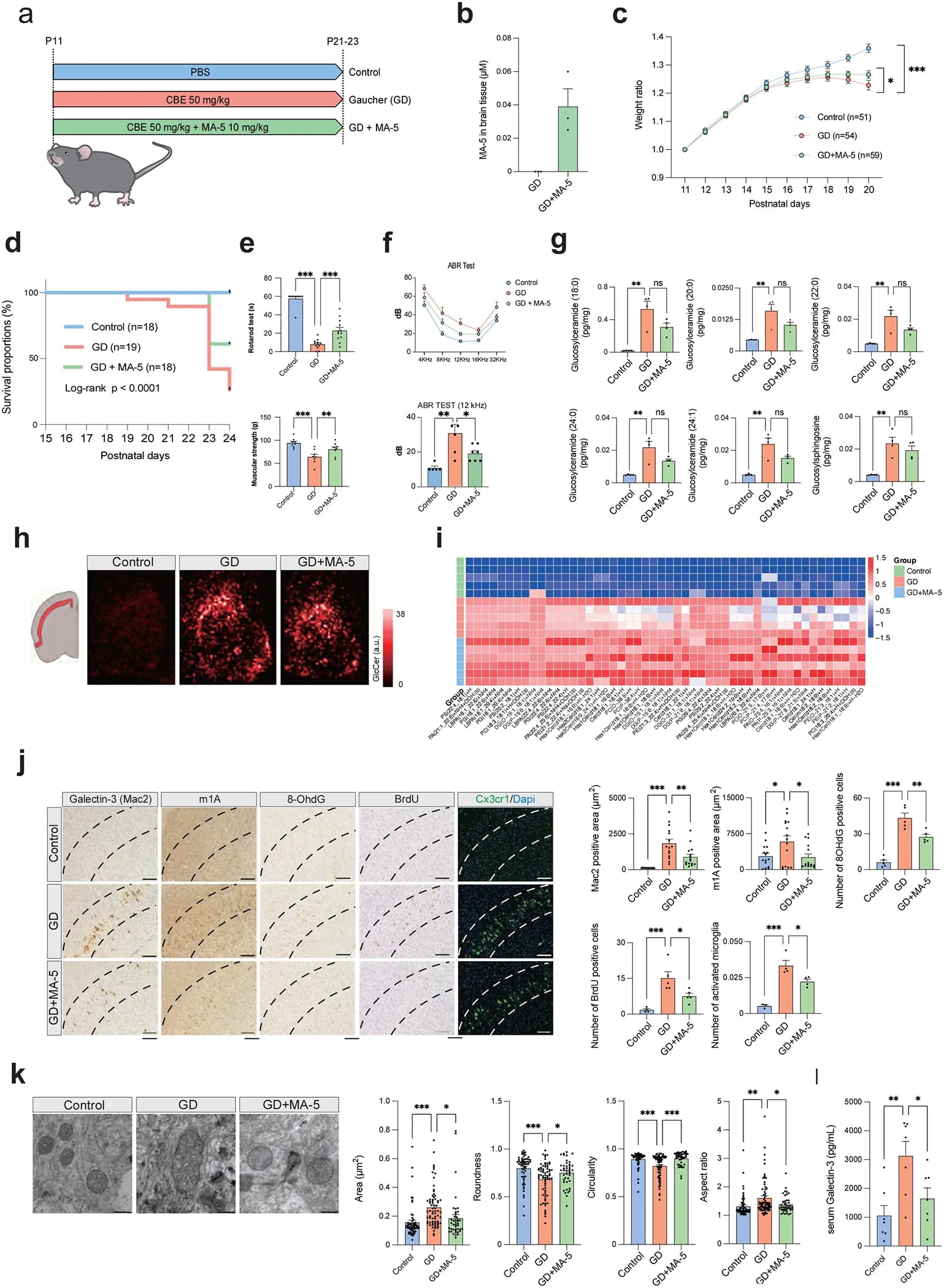
    Compound reduced disease-linked aging-like gene changes in mice

    In mice with chemically induced Gaucher disease, MA-5 reduced aging-like gene changes, with particularly prominent effects in brain immune cells.In mice with chemically induced Gaucher disease, MA-5 reduced aging-like gene changes, with particularly prominent effects in brain immune cells.

    MA-5 ameliorates disease phenotypes and neuroinflammation in GD mice.
    Preprint: mouse studyInterventions
    Who was studiedMice with chemically induced Gaucher disease, against untreated Gaucher disease mice
    What changedGene-expression-based age was lower across brain cell types in MA-5-treated Gaucher disease mice than in untreated disease-model mice
    The catchTested in very young mice with chemically induced Gaucher disease, not in normal aging
    Paper