Early-life mitochondrial DNA mutations drive age-related pathology in mice
Manipulating mitochondrial fusion can alter tissue-specific selection against deleterious variants that arise early in development.
bioRxiv
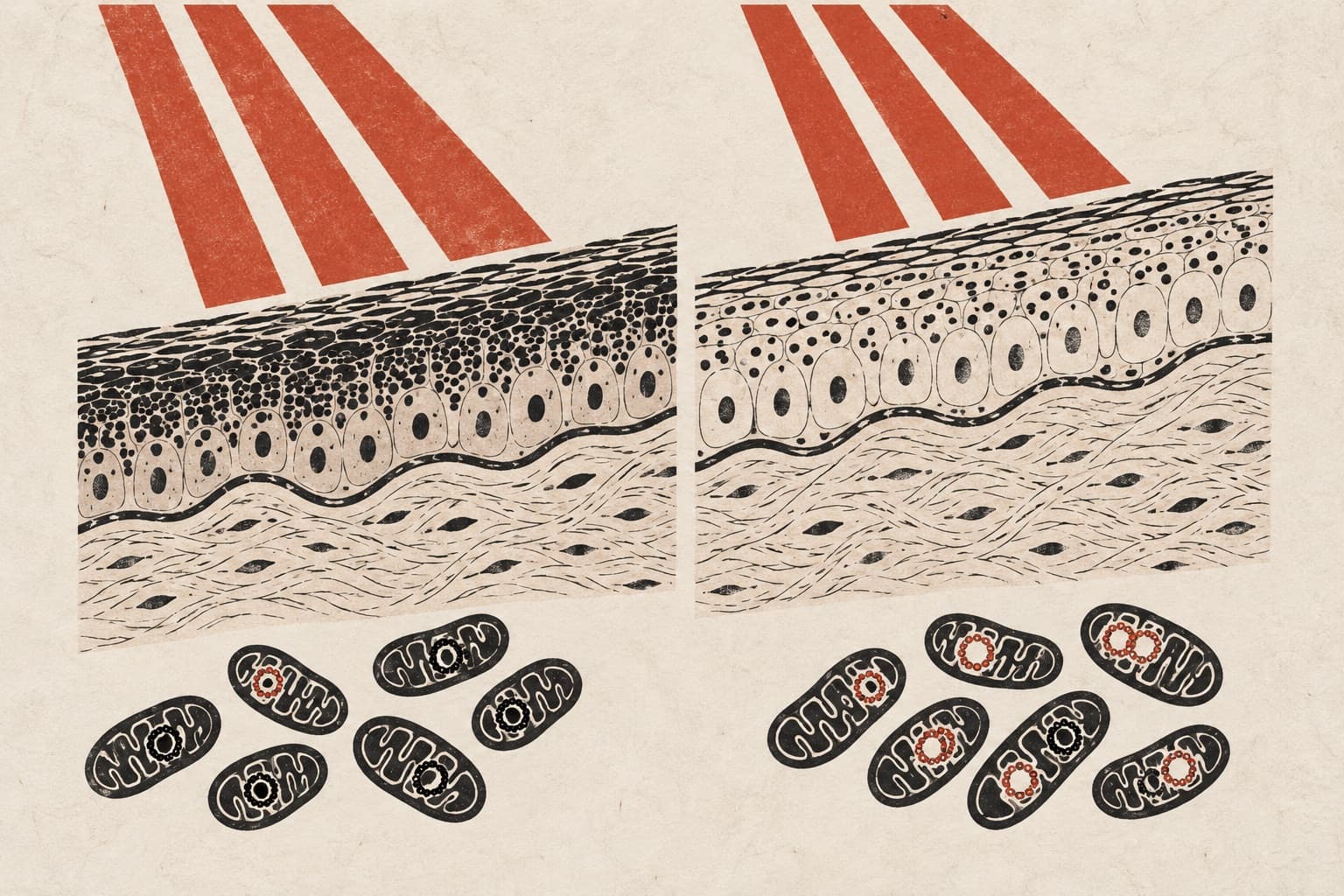
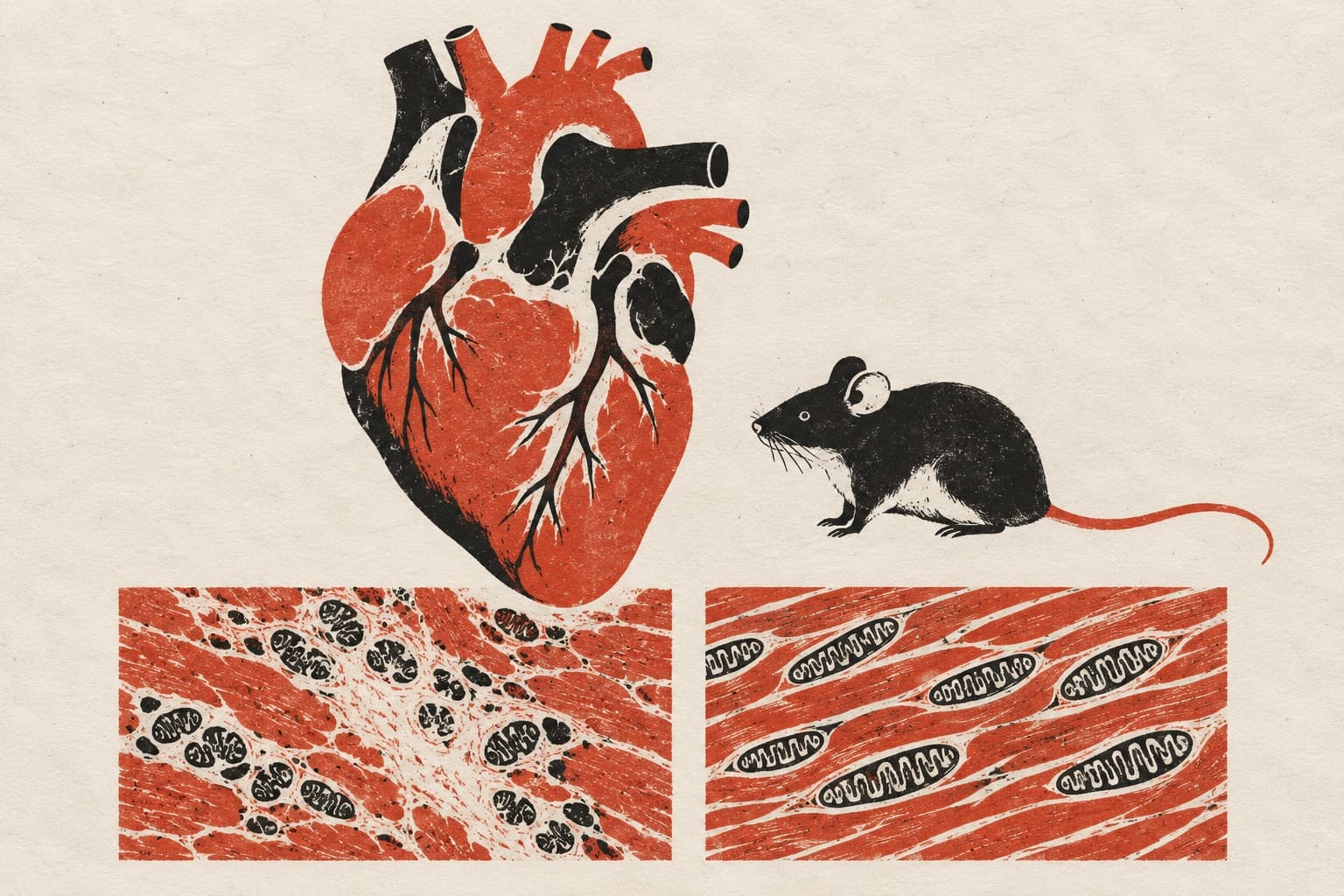
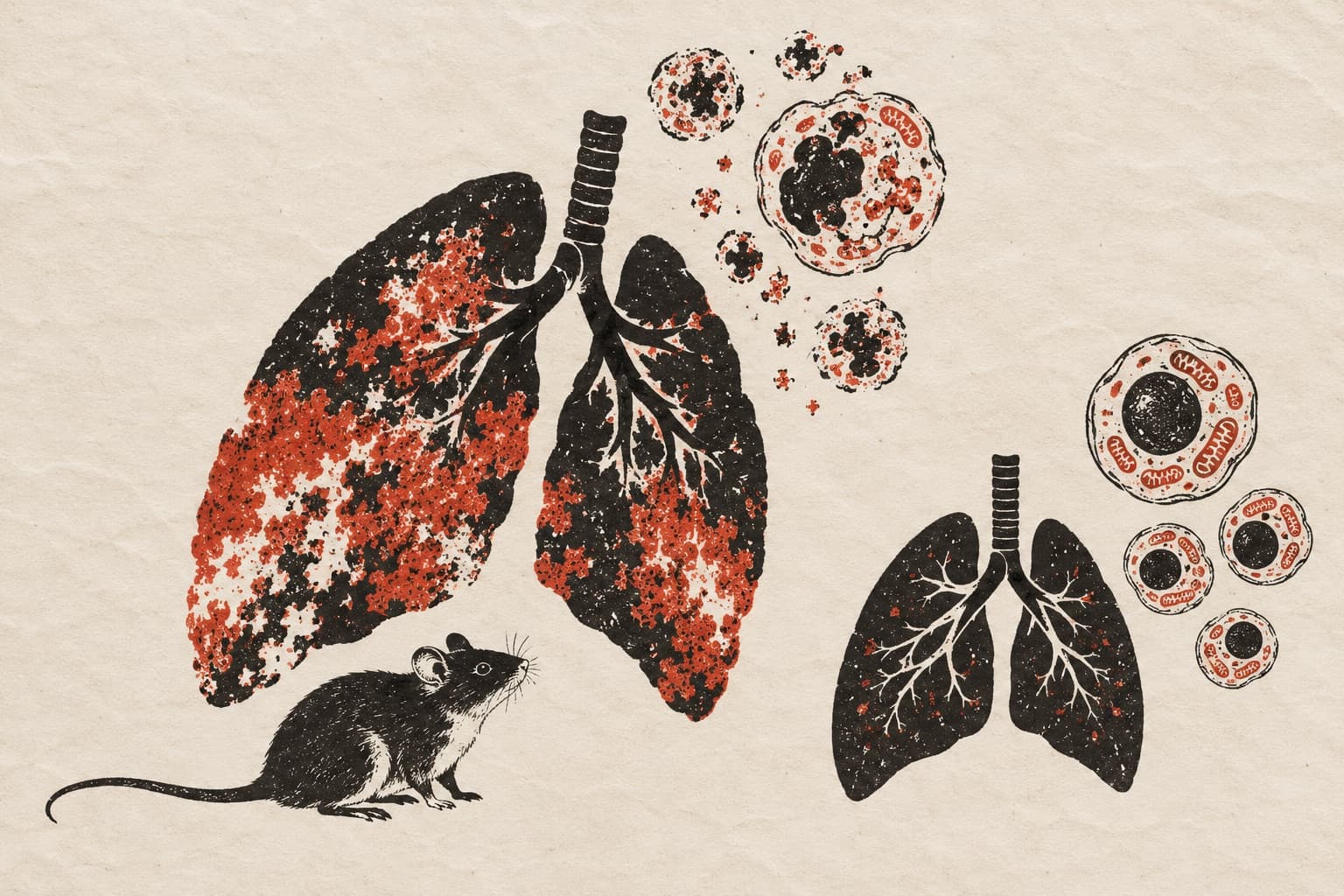
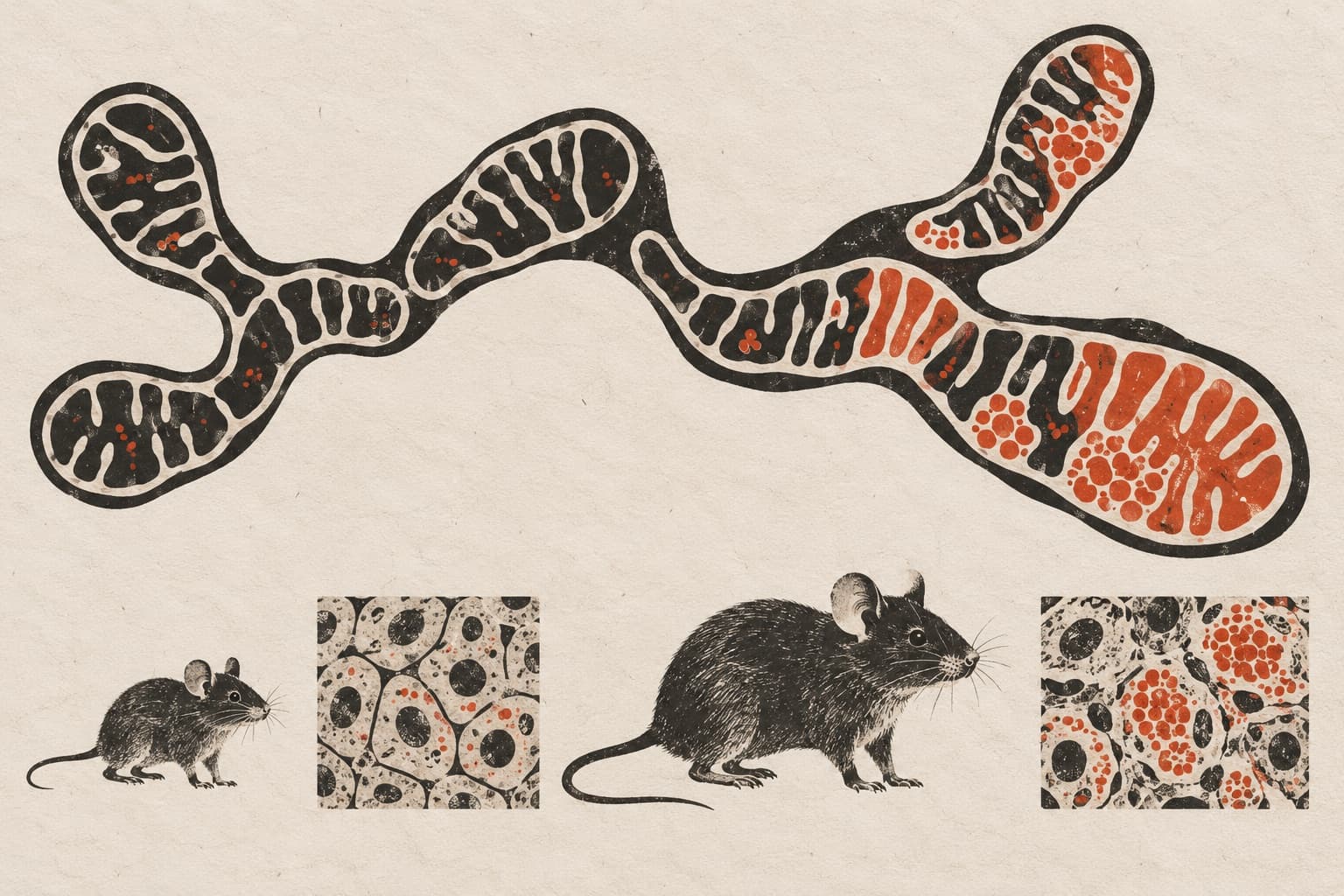
In a new preprint, researchers engineered mice to confine mitochondrial DNA mutagenesis to specific developmental windows. The authors found that mitochondrial mutations acquired during the first two months of life were sufficient to trigger diverse age-related pathologies later in adulthood. The severity of these diseases depended on distinct, tissue-specific selective pressures that determined which mutations persisted or expanded over time. Furthermore, the team demonstrated that altering mitochondrial fusion, both in vitro and in vivo, modified the selection against these harmful genetic variants. These findings show that early-life mutational events can establish the trajectory of tissue aging in mice, while mitochondrial dynamics can directly influence the survival of pathogenic variants.
Why it matters
The work indicates that the trajectory of aging may be set by mutational events early in life. Modulating mitochondrial dynamics may offer a therapeutic path to limit the expansion of pathogenic variants before decline occurs.
Caveats
This study is an unreviewed preprint conducted in mice and cell culture. Further research is necessary to confirm whether human tissues exhibit similar early-life mutational dynamics and selective pressures.
The paper
Temporal control of mitochondrial mutagenesis reveals the fate of mtDNA mutations with age
Show 14 more authors
Herbert Anson, Lucy Carrillo, Sangmin Lee, Ivetta Vorobyova, 万俊香, Scott R. Kennedy, Amy R. Vandiver, Bert M. Verheijen, Whitaker Cohn, Bérénice Anath Benayoun, Max Andrew Thorwald, P Cohen, Jonathan Wanagat, Jean-Francois Gout,University of Southern California
bioRxiv · 27 Sep 2026 · Preprint, not peer-reviewed