Cysteine restriction extends lifespan and boosts metabolic fitness in animals
Reducing dietary cysteine independently of methionine enhanced survival in nematodes and reprogrammed the immunometabolic axis in mice.
bioRxiv
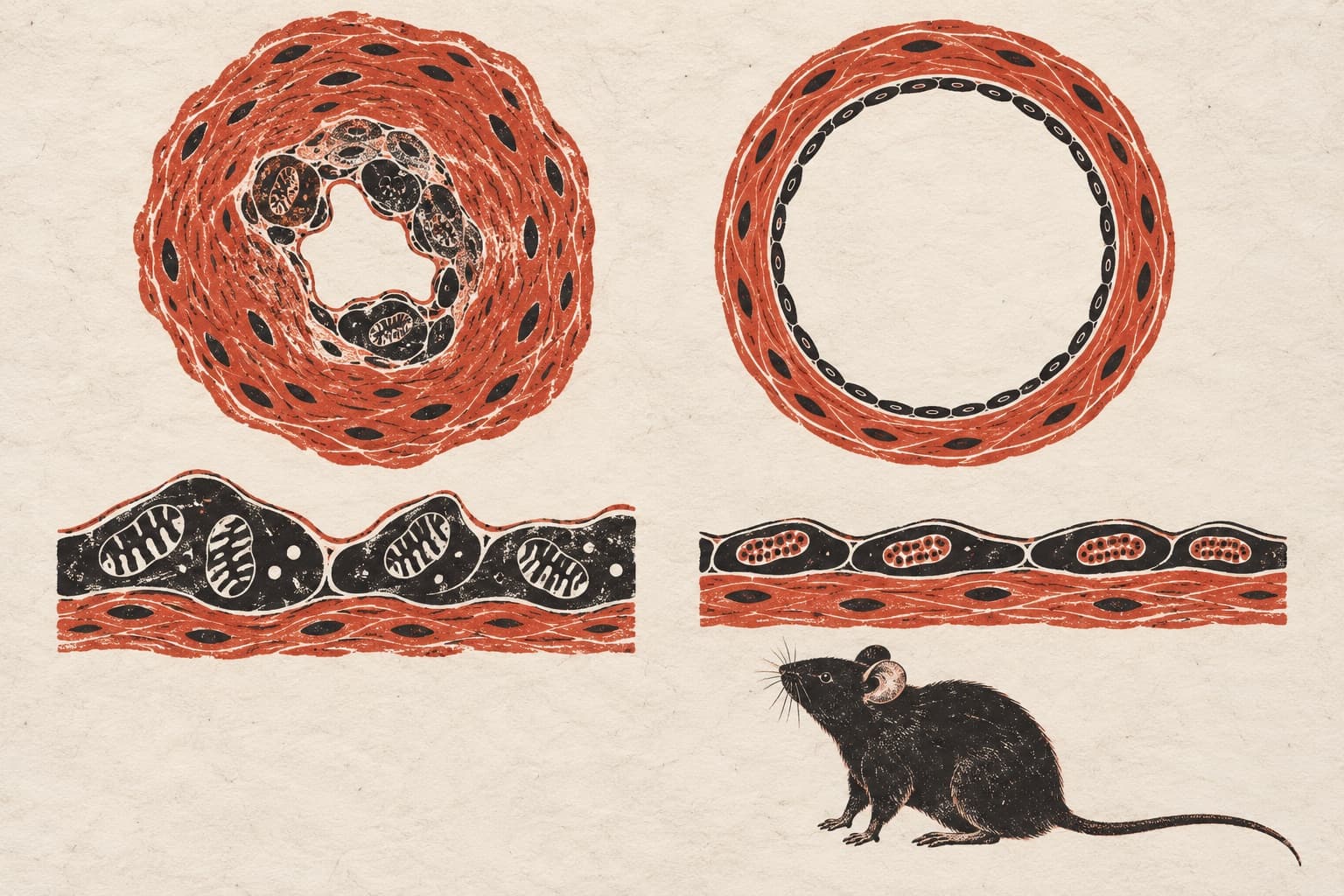
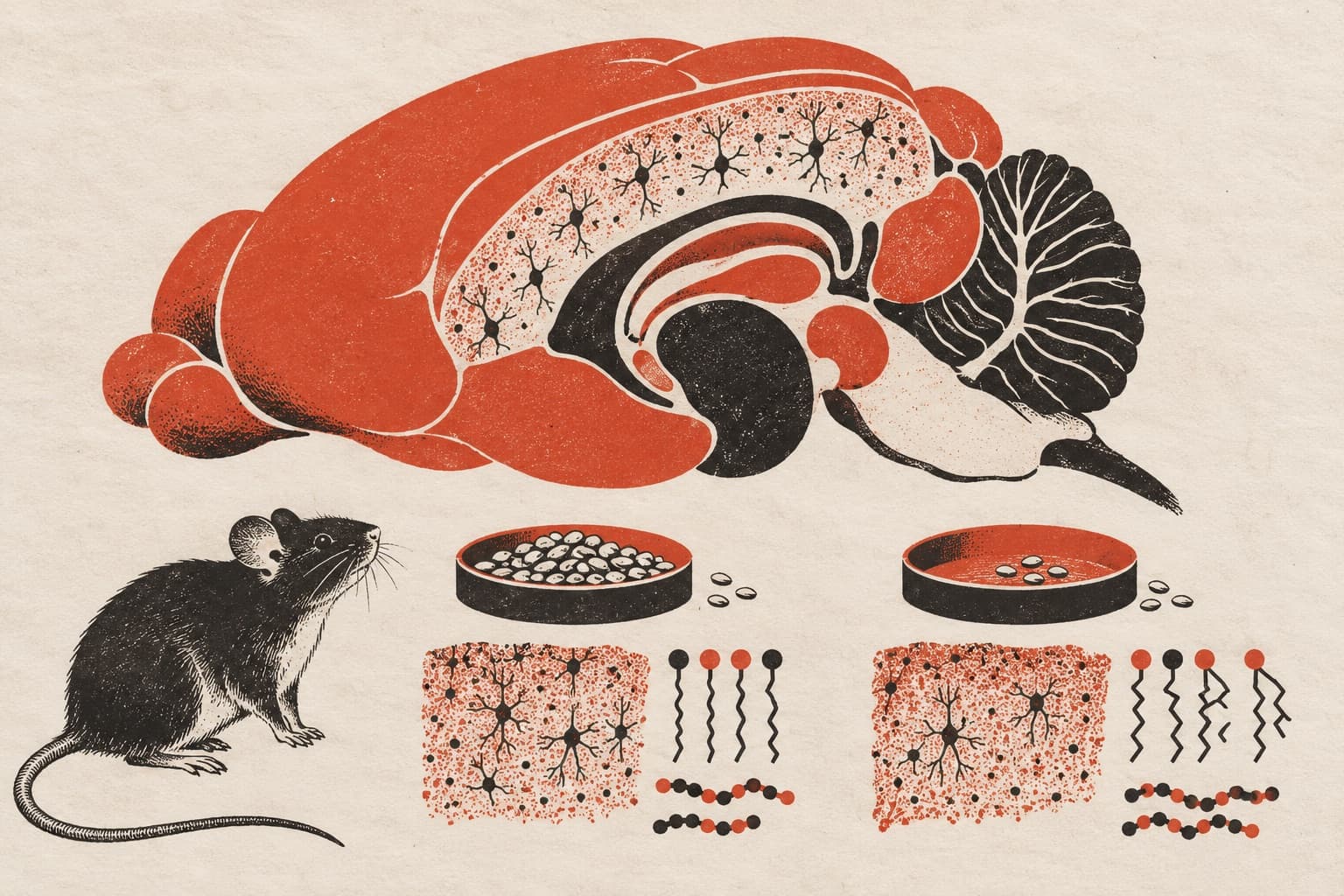
In Caenorhabditis elegans and mice, researchers investigated whether reducing cysteine instead of methionine drives the longevity benefits associated with sulfur amino acid restriction. In a new preprint, investigators showed that selective cysteine restriction prolonged lifespan and improved stress survival in nematodes independently of methionine. In mice lacking cystathionine gamma-lyase, cysteine-free diets triggered pro-metabolic effects whether methionine was restricted or kept replete, while restricting methionine alongside normal cysteine levels proved ineffective. Furthermore, a sustained 70 percent cysteine reduction in aged knock-out mice reprogrammed the immunometabolic axis and conferred healthspan benefits.
Why it matters
The findings help clarify which sulfur amino acid governs longevity, demonstrating that lowering cysteine directly promotes healthy aging without requiring methionine restriction.
Caveats
This work is a preprint that has not yet undergone peer review. Additionally, the experimental findings are limited to invertebrate models and genetically modified mice.
The paper
Show 11 more authors
Aileen Lee, Yuanjiu Lei, Ruiqi Li, Carisa Zeng, Yun‐Hee Youm, Tamara Dlugos, Chenyang Guan, Andrew Wang, Maxim N. Artyomov, Yuval Kluger, Björn Schumacher,Yale University
bioRxiv · 9 Sep 2026 · Preprint, not peer-reviewed