Gut microbes fuel aging tied to mitochondrial defects in mice
In a PolgA-mutant mouse model, gut microbiota reduced systemic mitochondrial function while driving energy-demanding immune remodeling and protein synthesis through mTOR signaling.
bioRxiv
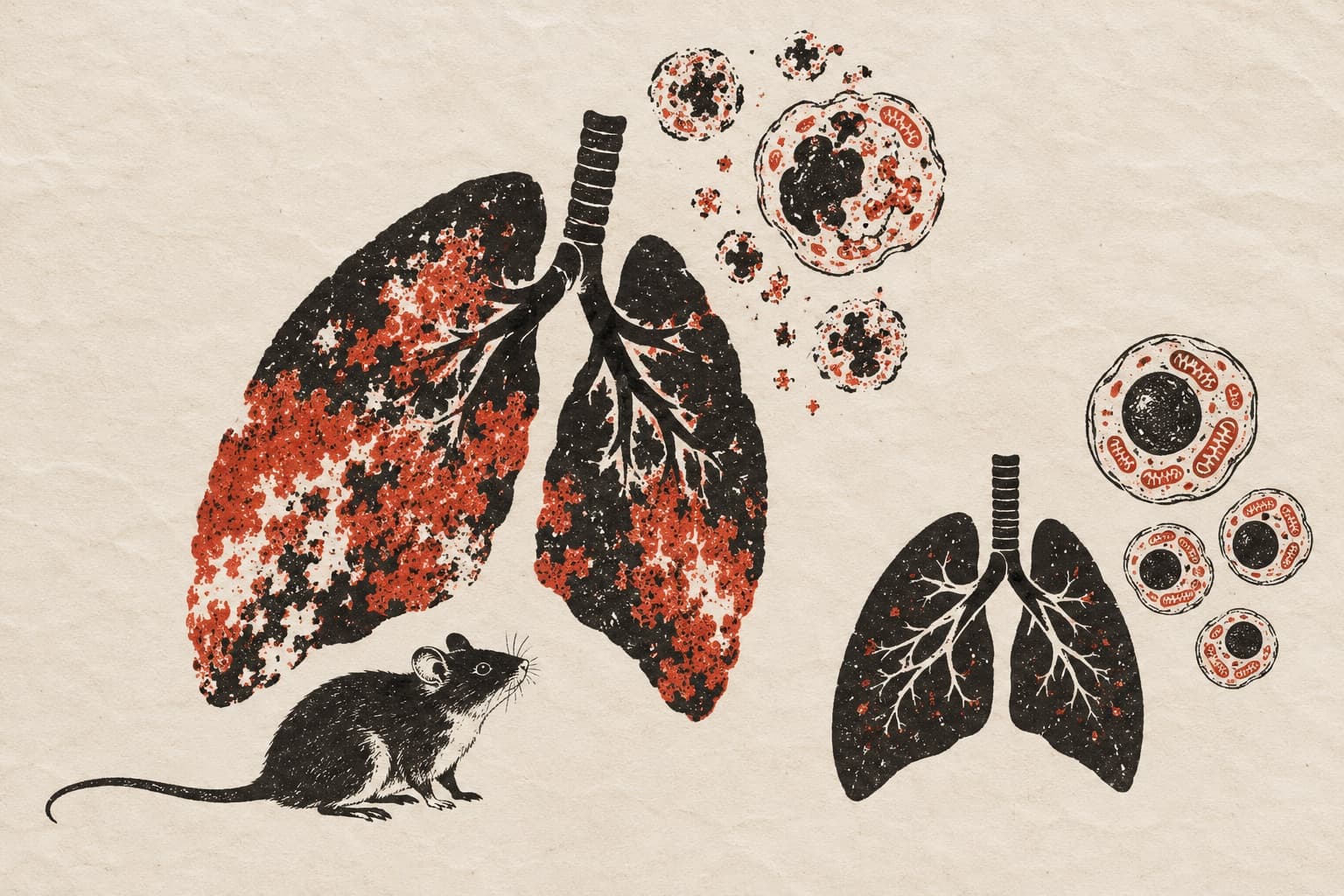
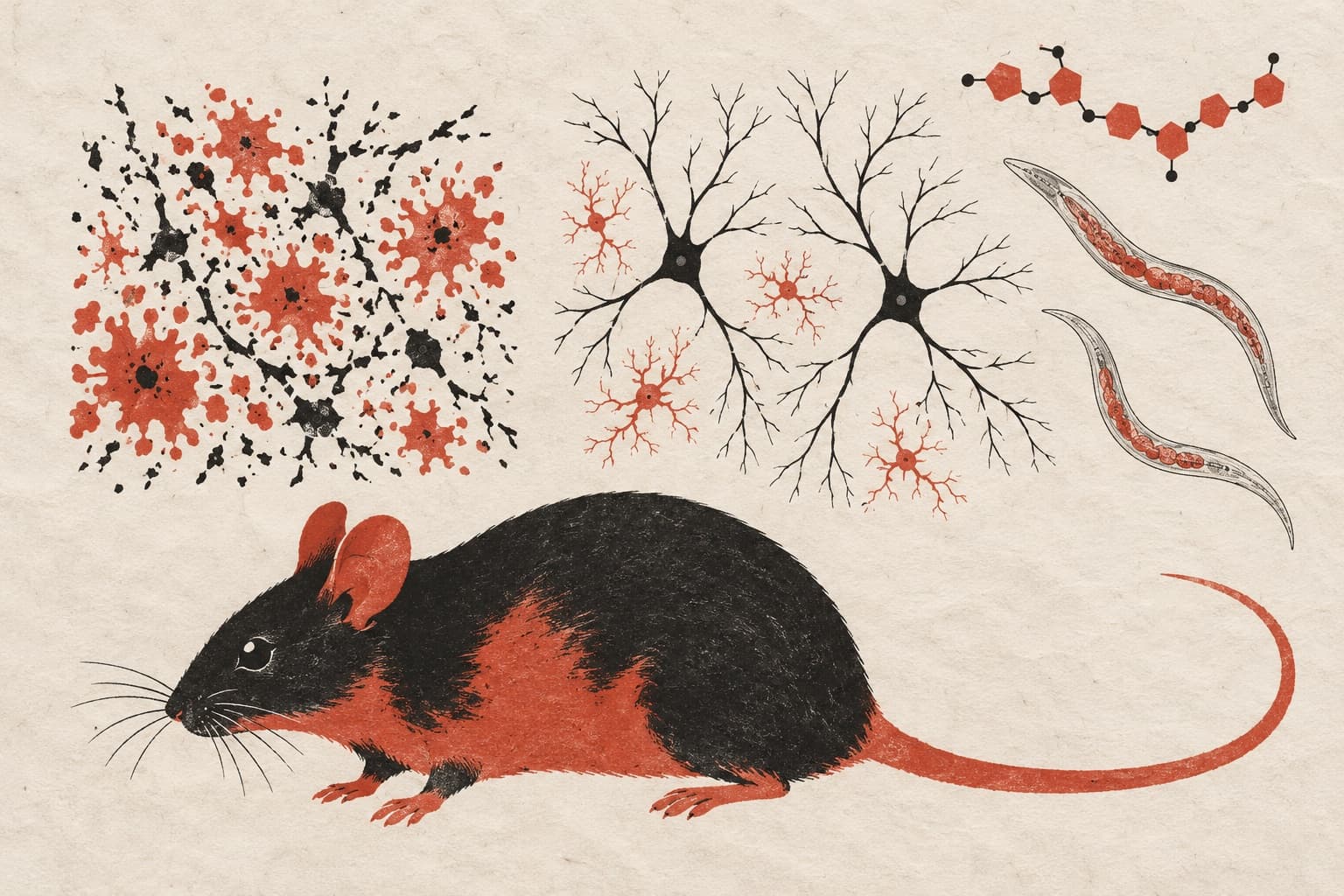
In PolgAmut accelerated-aging mice, researchers examined bi-directional interactions between gut microbes and host mitochondria during immune regulation, healthspan, and lifespan. They found that mitochondrial dysfunction accelerated the decline of gut microbiota structure over time. This mitochondrial defect also triggered immune dysregulation and inflammation through metabolic reprogramming of myeloid cells. Concurrently, the gut microbiota drove a paradoxical energy state by lowering mitochondrial function systemically while activating energy-intensive programs, such as immune remodeling and protein synthesis, through mTOR signaling. The authors propose that aging develops from an imbalance between microbiota-driven energetic demand and declining mitochondrial energy supply.
Why it matters
The findings suggest that interactions between the gut microbiome and host metabolism shape immune aging and energetic stress, offering candidate pathways for interventions targeting mitochondrial decline.
Caveats
The work relies on an accelerated-aging mouse model of mitochondrial DNA mutator defects, which may not capture all facets of normal aging. The study is a preprint that has not yet undergone peer review.
The paper
Gut Microbiota Fuel Aging Induced by Mitochondrial Dysfunction
Show 16 more authors
Annamaria Regina, Jonas Widder, Göksu Gökberk Kaya, Cosimo De Napoli, Luisa Marie Schmidt, Ayesha Safoor, Jennifer van der Laan, Kaylee M Morris, Susanne Brodesser, Aleksandra Trifunović, Leonardo Nogara, Bert Blaauw, Marcus Krüger, Manolis Pasparakis, David E. Sanin, Mauro Corrado,Cologne Excellence Cluster on Cellular Stress Responses in Aging Associated Diseases
bioRxiv · 3 Oct 2026 · Preprint, not peer-reviewed