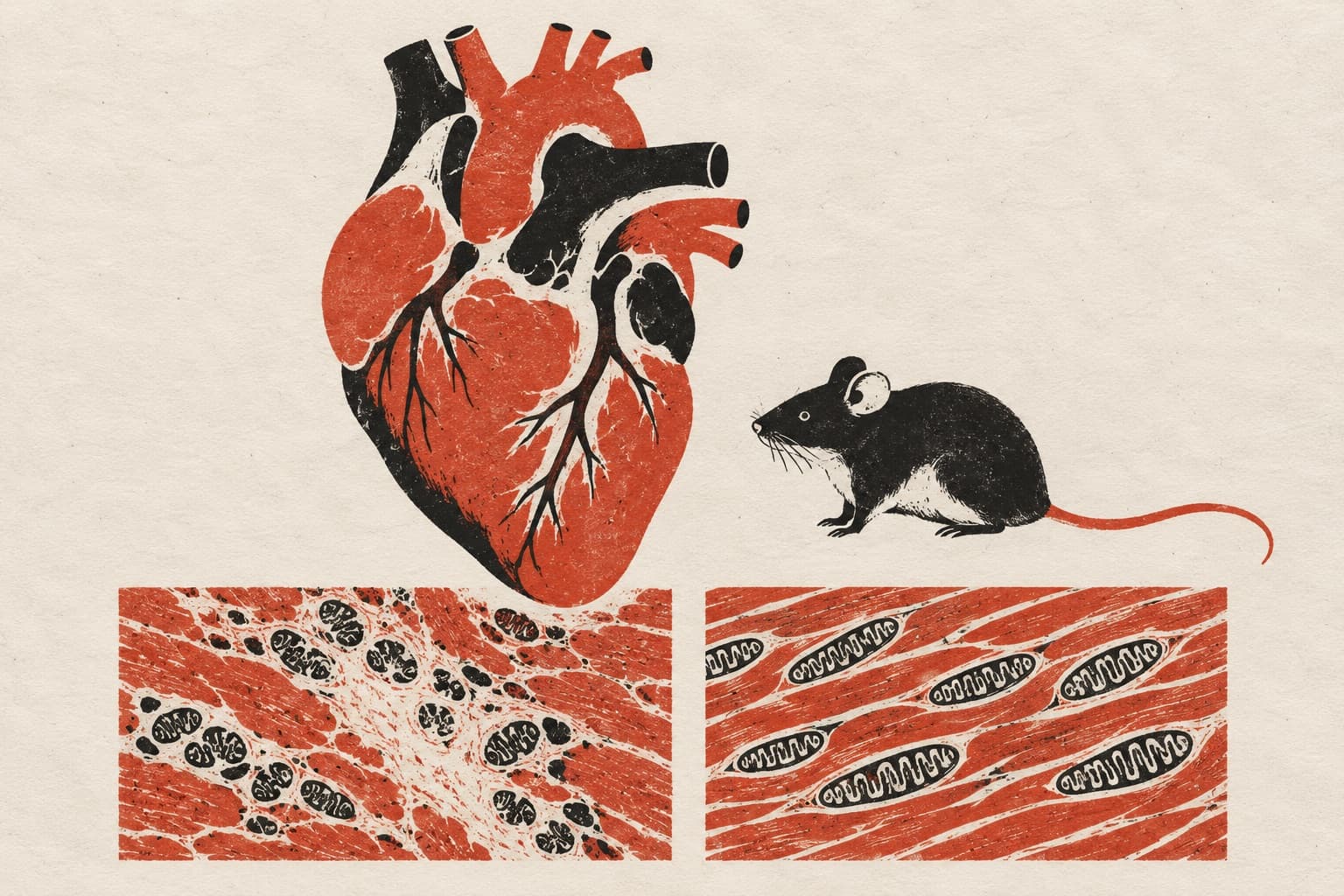
Chemogenetic hydrogen sulfide production reverses vascular remodeling in aged mice
Targeting hydrogen sulfide generation to endothelial mitochondria mitigated senescence programs and reversed vascular remodeling in aged mice.
bioRxiv
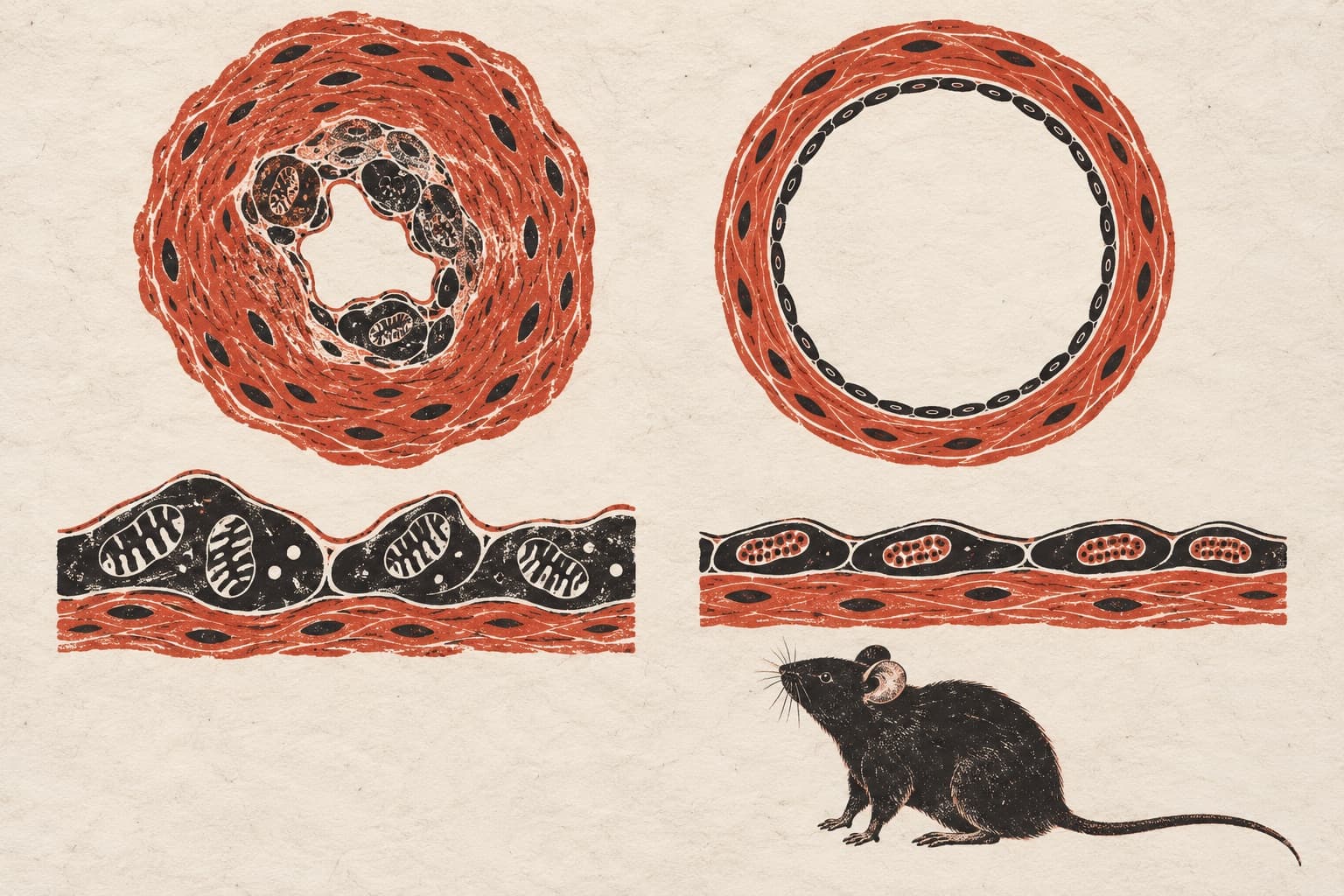
In aged mice, researchers tested a targeted chemogenetic system to rescue vascular senescence, according to a new preprint. The study notes that hydrogen sulfide bioavailability declines during aging and atherosclerosis, which is associated with endothelial senescence. To address this decline, the authors engineered a remote-control, endothelial-specific, mitochondria-targeted chemogenetic tool. This platform enabled precise spatiotemporal control over hydrogen sulfide generation. Using this targeted approach, the team mitigated endothelial senescence-driven programs. The controlled release of hydrogen sulfide also successfully reversed vascular remodeling in the animals, presenting a targeted strategy to address vascular decline.
Why it matters
Vascular senescence is considered a central driver of whole-body aging. Demonstrating that targeted hydrogen sulfide generation can reverse vascular remodeling provides insight into interventions that might counter age-related vascular dysfunction.
Caveats
The findings are based entirely on aged mice and may not directly translate to humans. Furthermore, this work is a preprint that has not yet completed peer review.
- Hydrogen sulfide
- Resources: datasets, atlases and tools
- Cellular senescence
- Extracellular matrix remodelling
- Mitochondrion
- Mice
The paper
Chemogenetic Hydrogen Sulfide Rescues Vascular Senescence in Ageing
Show 9 more authors
Manuel Colucci, Emrah Eroğlu, Héctor Rodríguez Cetina Biefer, Omer Dzemali, Matthias Hermann, Andrea Alimonti, Giuseppe Danilo Norata, Francesco Paneni, Frank Ruschitzka,University Hospital Zurich
bioRxiv · 30 Sep 2026 · Preprint, not peer-reviewed