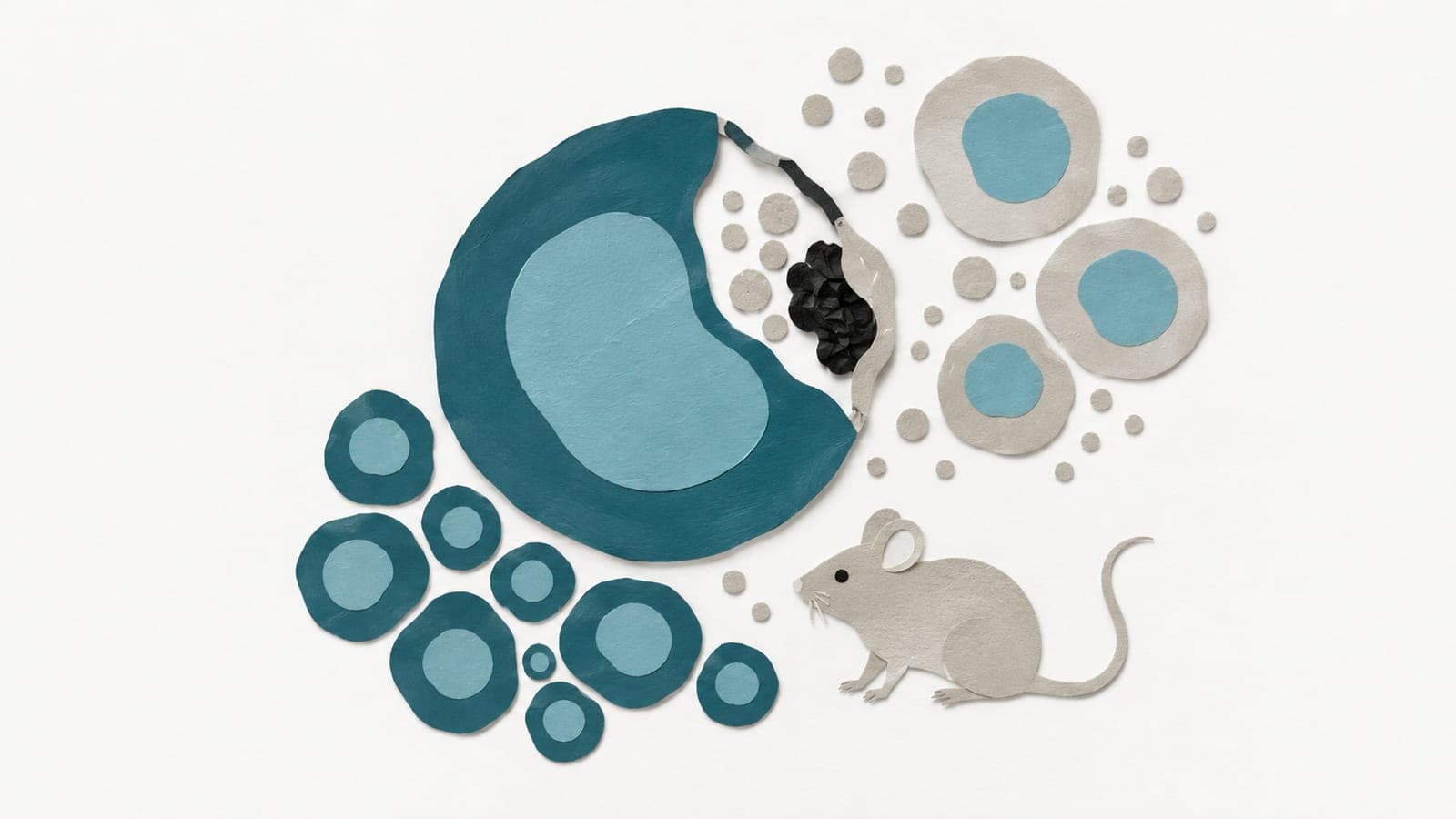
A compound expands the brain stem-cell pool in aged mice
In an animal experiment, 18-month-old mice given the compound for 28 days also showed better spatial memory, without changes in movement.
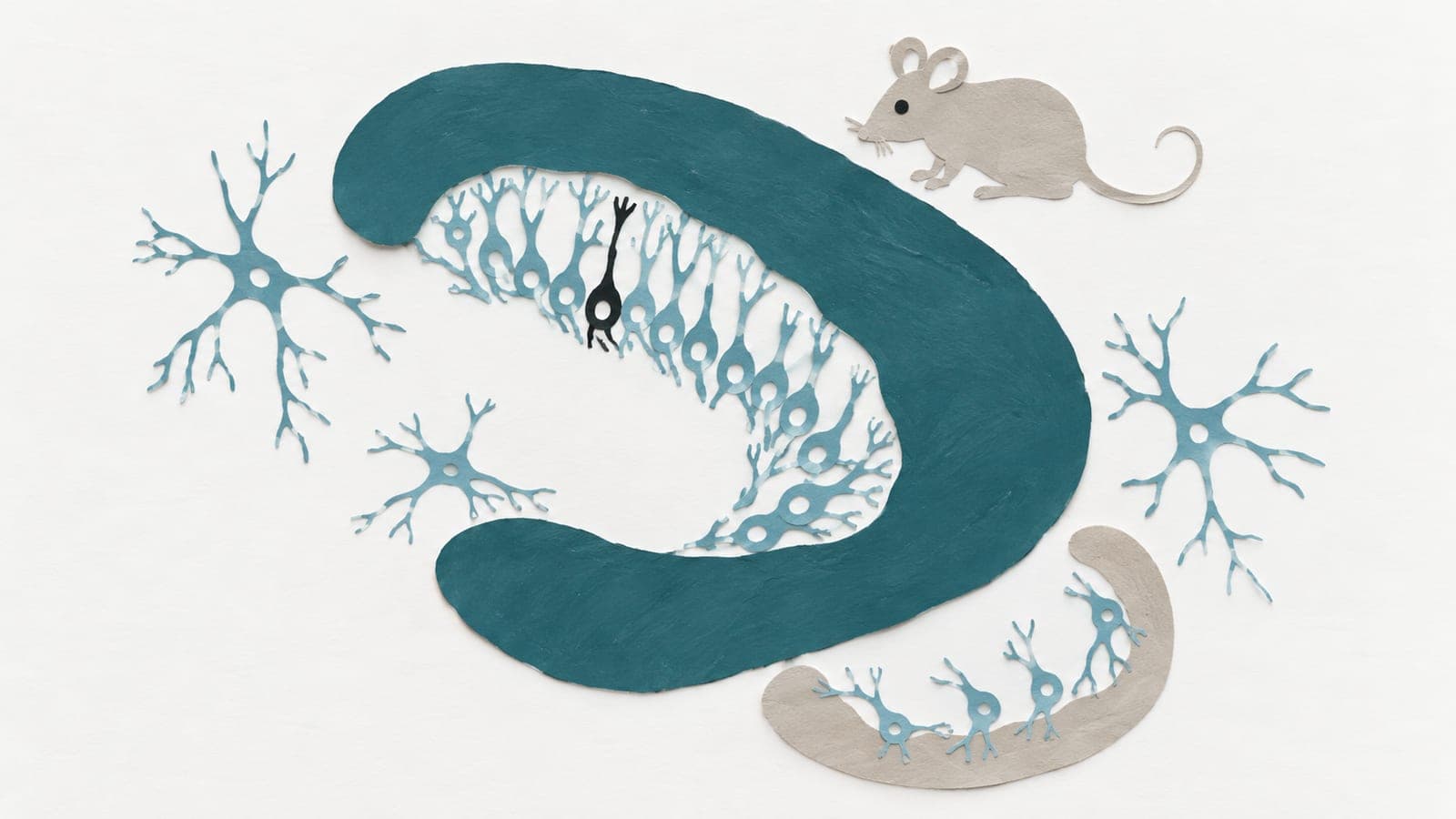
28 days, dose-response
An experiment in 18-month-old mice tested TC-G 1005, a compound that activates TGR5, a protein that receives bile-acid signals. Researchers injected 5 milligrams per kilogram of body weight under the skin twice daily for 28 days. The compound expanded the pool of neural stem cells in the hippocampus, a brain region involved in memory. These stem cells can produce nerve cells, but activating TGR5 did not drive them to become neurons.
The compound also reduced a marker of senescence, a state in which cells stop dividing. It improved spatial memory without changing movement. Reducing TGR5 in a specific part of the hippocampus abolished the cellular effects. Analyses of hippocampal proteins placed treated aged mice between young and untreated aged mice, with some protein patterns shifting towards youthful levels.
Why it matters
Age-related changes in hippocampal stem cells are associated with impaired cognition. The results suggest that TGR5 could be a target for preserving cognition during aging.
Caveats
These experiments in mice and cells grown in the lab do not establish benefits in people. The paper is a preprint and has not been peer-reviewed.
The paper
THE BILE ACID RECEPTOR TGR5 MODULATES HIPPOCAMPAL NEURAL STEM CELL STATE AND AGEING
Neuroscience and Ageing Biology Division, CSIR-Central Drug Research Institute, Lucknow, U.P. (226031), India. Academy of Scientific and Innovative Research (Ac
bioRxiv, 15 Oct 2026, Open access, Preprint, not peer-reviewed