A distinct p21-driven macrophage senotype accumulates during aging and liver disease
Researchers identified a p53-p21-Cyclin D2 axis that governs senescent macrophages in mice and human liver cirrhosis and can be cleared with senolytics.
bioRxiv
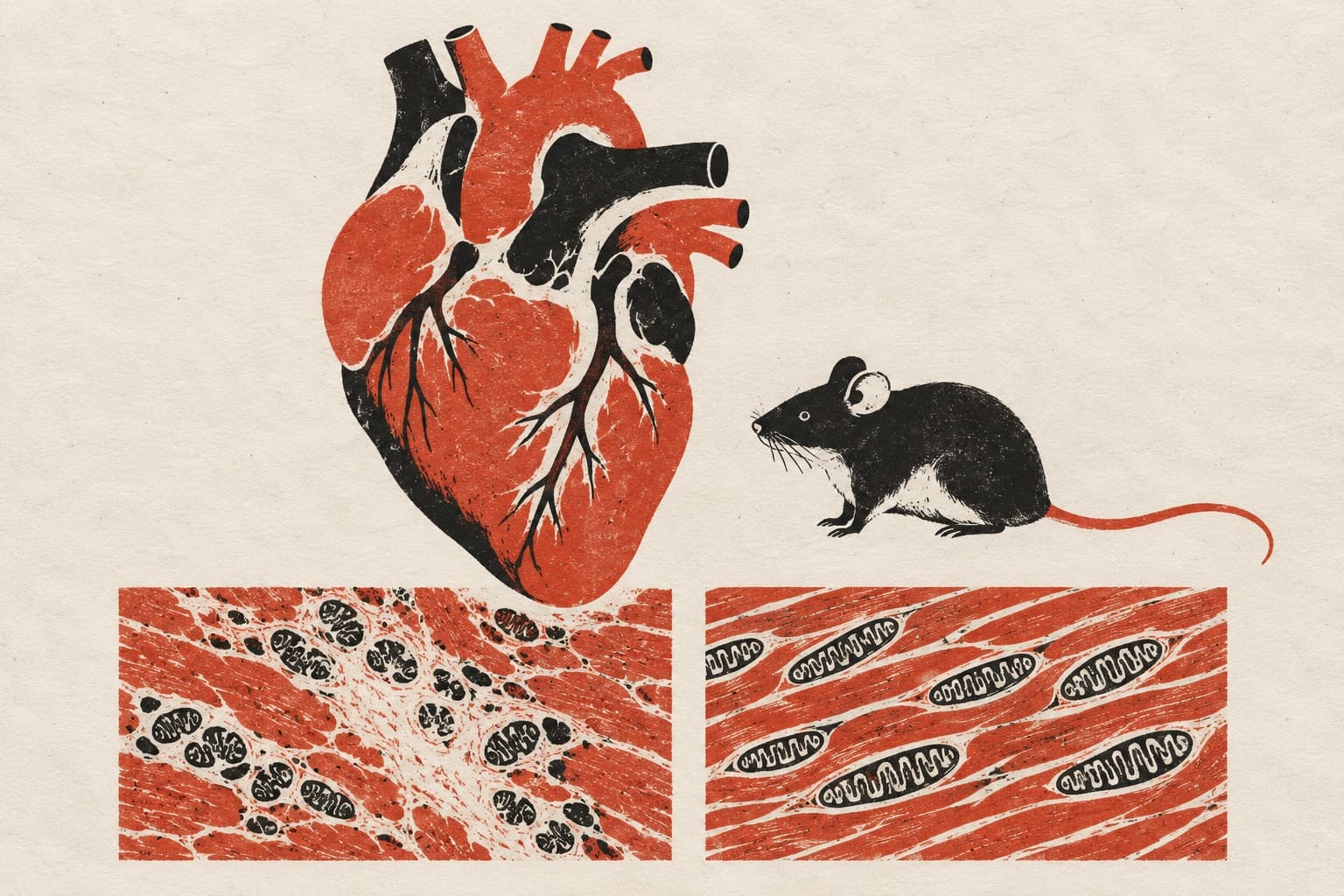
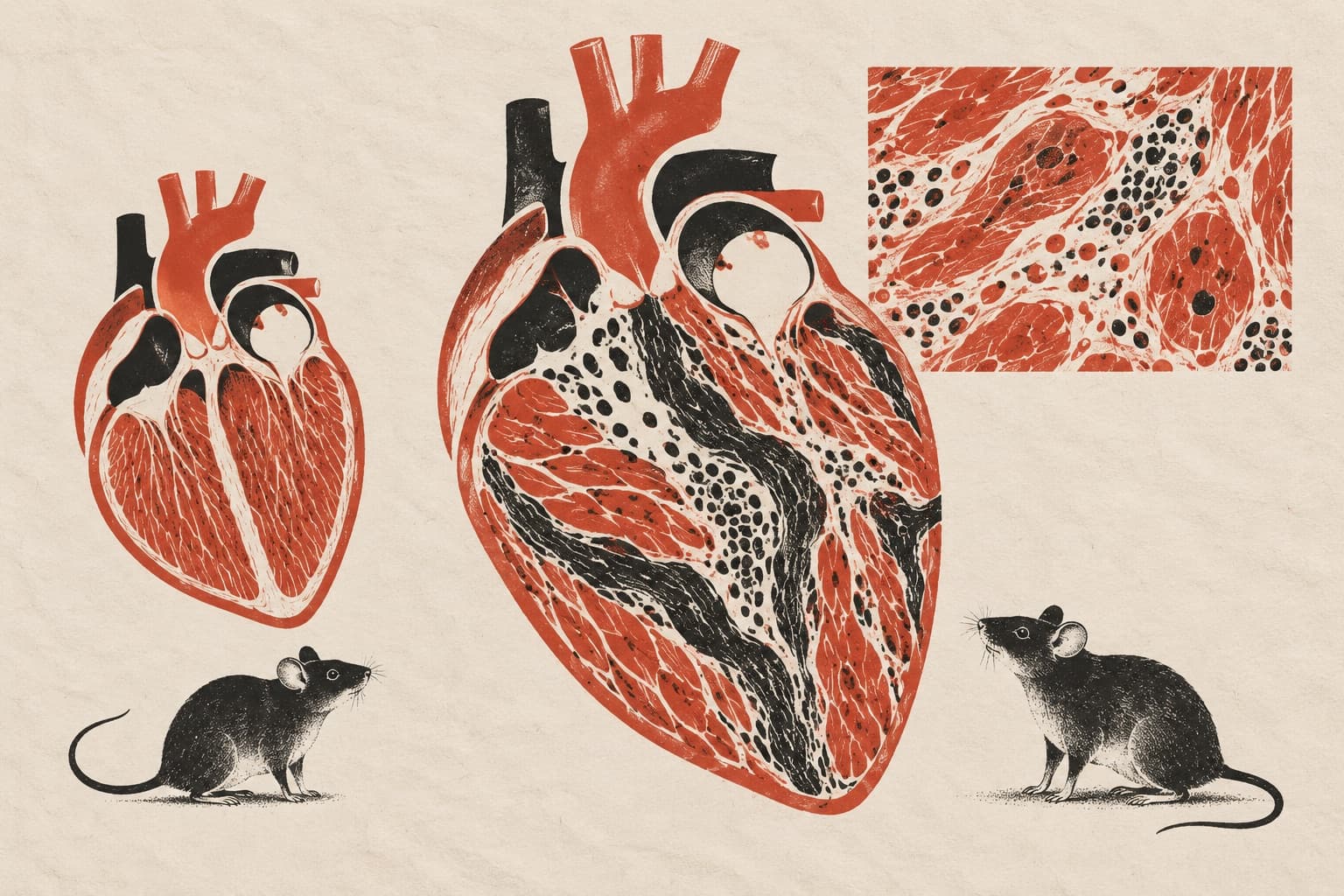
In a preprint analyzing mice and human liver cirrhosis tissue, researchers investigated a distinct macrophage senotype characterized by high p21 and low p16 expression. Using genetic and multi-omic approaches, the team found that a p53-p21-dependent pathway represses p16 to preserve senescent macrophage viability during acute genotoxic stress. Cyclin D2 acts as a downstream effector that redistributes from the nucleus to mitochondria and lipid droplets. There, Cyclin D2 binds MIC60 to reprogram metabolism and modulates AKT1-mTORC1 signaling, sustaining the senescence-associated secretory phenotype. These Cyclin D2- and p21-positive macrophages accumulate in aging and metabolic dysfunction-associated steatotic liver disease in mice and in human cirrhotic livers, but they can be selectively eliminated with senolytics.
Why it matters
Senescent cells are functionally diverse, and pinpointing non-canonical senescent subsets helps clarify how aging drives metabolic disease. Defining this pathway reveals a druggable target to selectively eliminate harmful macrophages that fuel tissue inflammation.
Caveats
This work is a preprint and has not yet been peer-reviewed. In addition, the molecular mechanisms were examined largely in mouse models and require further clinical confirmation.
The paper
Show 26 more authors
Itzetl Avila, Yennifer Delgado, Gregory Tong, Jesús Muñoz‐Estrada, Lizeth Estrada, Anika Dhingra, Wesley Robert Armstrong, Aishini Singh, Isabella Cooper, Eduardo Enriquez, Prashant Kaushal, Jocelyn Ni, Kushan Chowdhury, Calvin Pan, Linsey Stiles, Cristiane Benincá, Simon T. Y. Hui, Abigail Krall, Heather R. Christofk, Aldons Jake Lusis, Timothy Edward O’Sullivan, Jesse G. Meyer, Rajat Singh, Valerie A. Tornini, Orian S. Shirihai, Mehdi Bouhaddou,University of California, Los Angeles
bioRxiv · 28 Sep 2026 · Preprint, not peer-reviewed