Short reprogramming reverses blood stem cell aging in mice
Activating reprogramming factors for 16 days in old mice reduced DNA damage, improved blood reconstitution, and dampened transposable element activity.
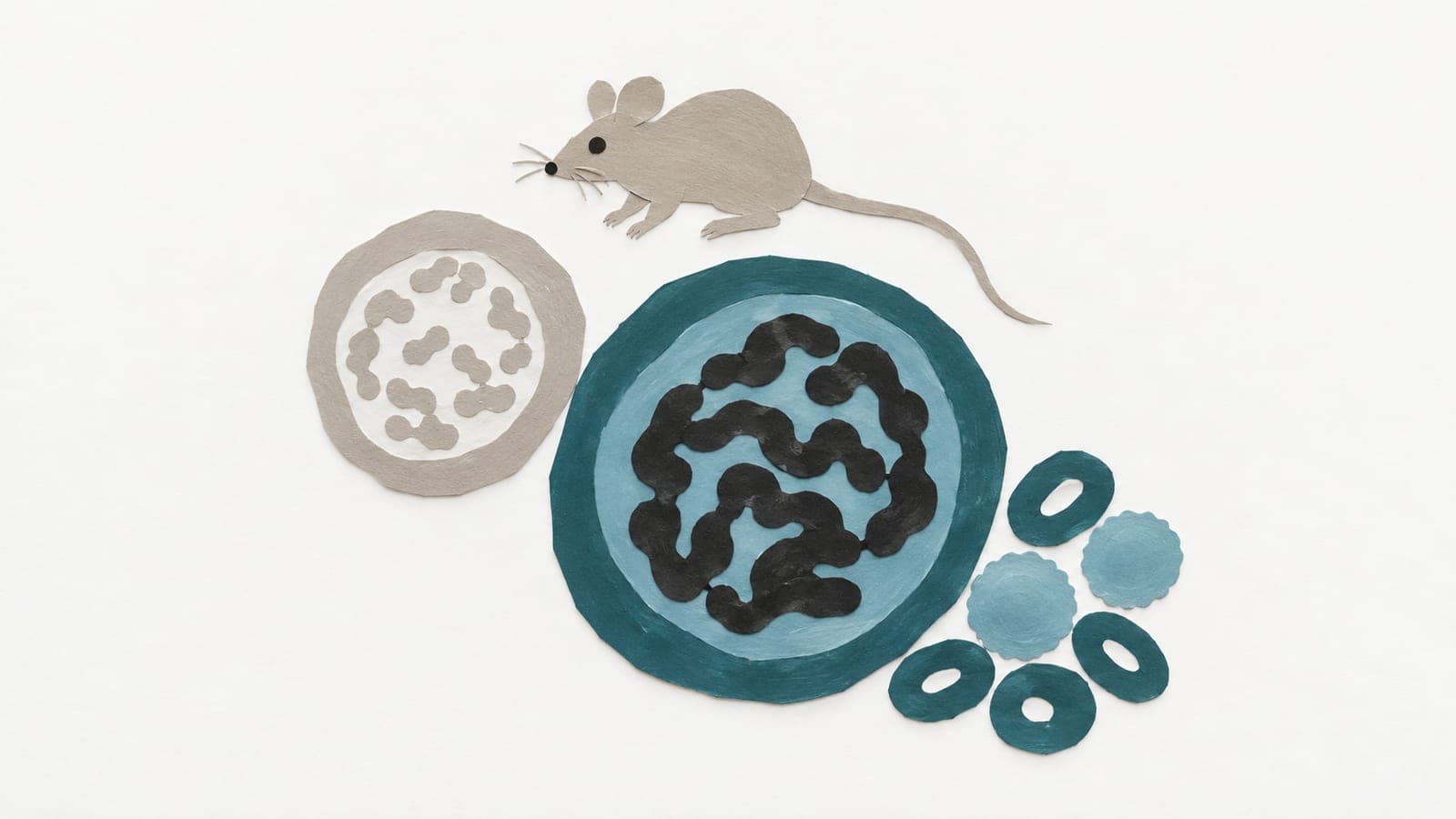
In an experiment in mice, reported in a preprint, researchers activated four reprogramming factors for 16 days. In young mice, this delayed the aging of blood stem cells, which produce blood and immune cells. In old mice, it reversed features of blood stem cell aging, improving their ability to rebuild blood, reducing an age-linked bias toward producing myeloid cells, and lowering DNA damage. Reprogramming caused an early reduction in DNA accessibility at regions bound by AP-1, a regulatory protein complex, and lowered the activity of transposable elements, which can move within the genome. Inhibiting reverse transcriptase in aged mice also reduced DNA damage and improved stem cell function. Reprogramming also protected blood stem cells from premature aging induced by chronic LPS.
Why it matters
Blood stem cells undergo functional decline and epigenetic shifts with age and during inflammatory stress. Tracing how regulatory proteins and mobile genetic elements influence this deterioration bears on whether stem cell aging can be checked or reversed.
Caveats
The work was carried out in mice and their cells, so the findings may not apply to humans. The report is also a preprint that has not yet been peer-reviewed.
- Reverse transcriptase inhibition
- Transient reprogramming
- Transposable element activity
- AP-1
- DNA damage
- Mice
The paper
University Paris Saclay
Research Square, 9 Oct 2026, Preprint, not peer-reviewed