Lactate receptor activation reduces arterial senescence in mice
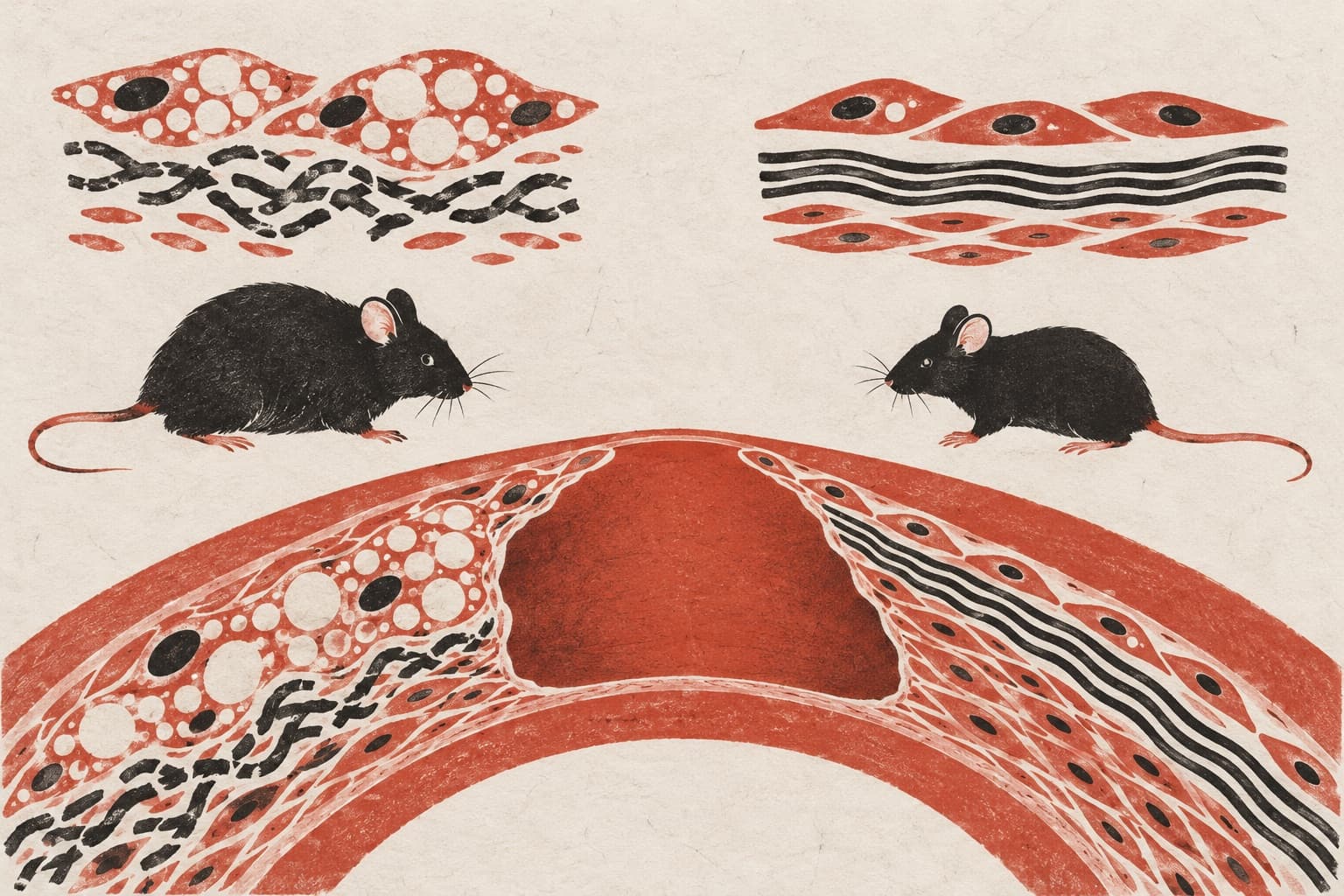
In progeroid mice, activating the GPR81 receptor with the agonist CHBA reduced arterial lipid buildup, lowered cellular senescence, and improved endothelial integrity.
bioRxiv
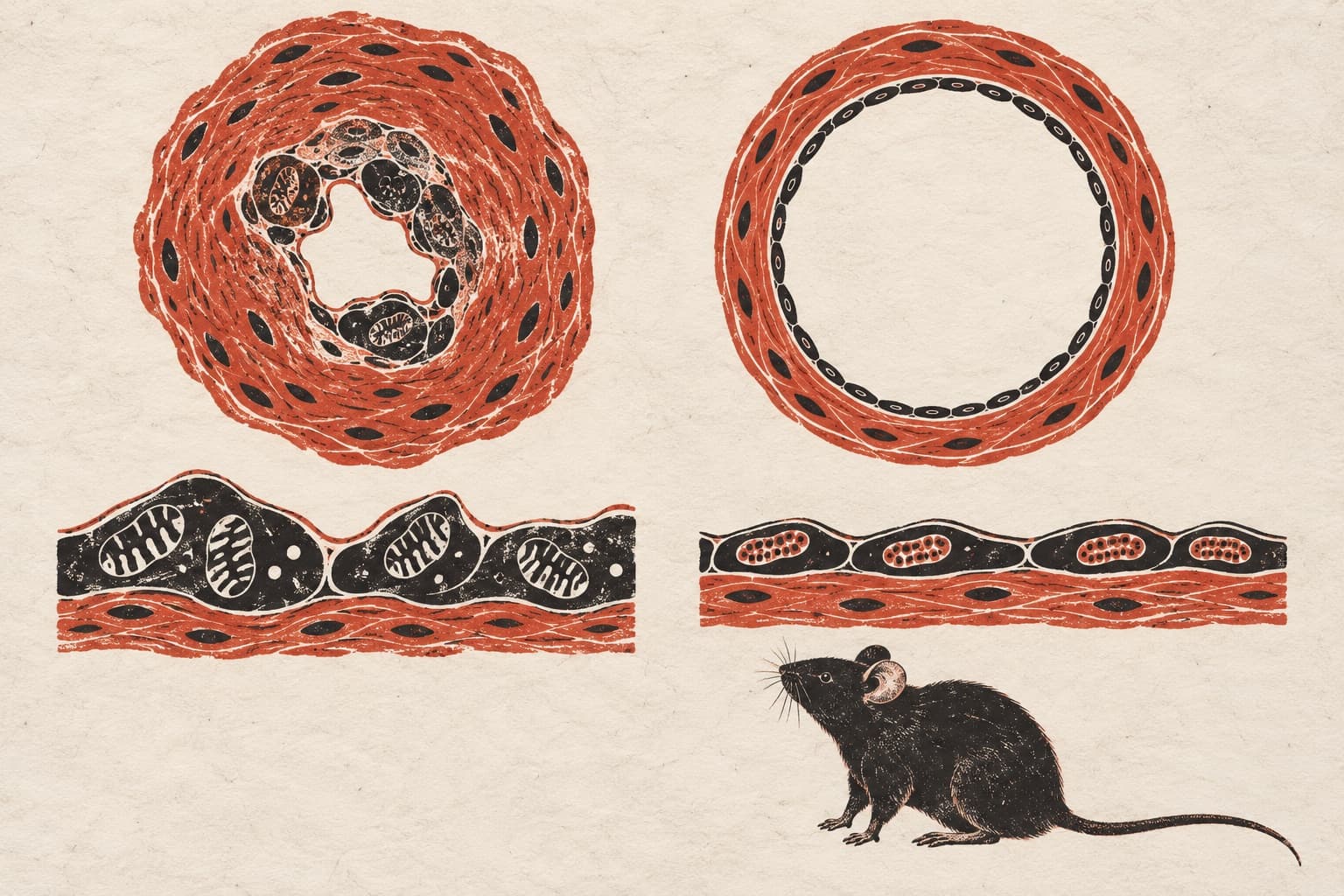
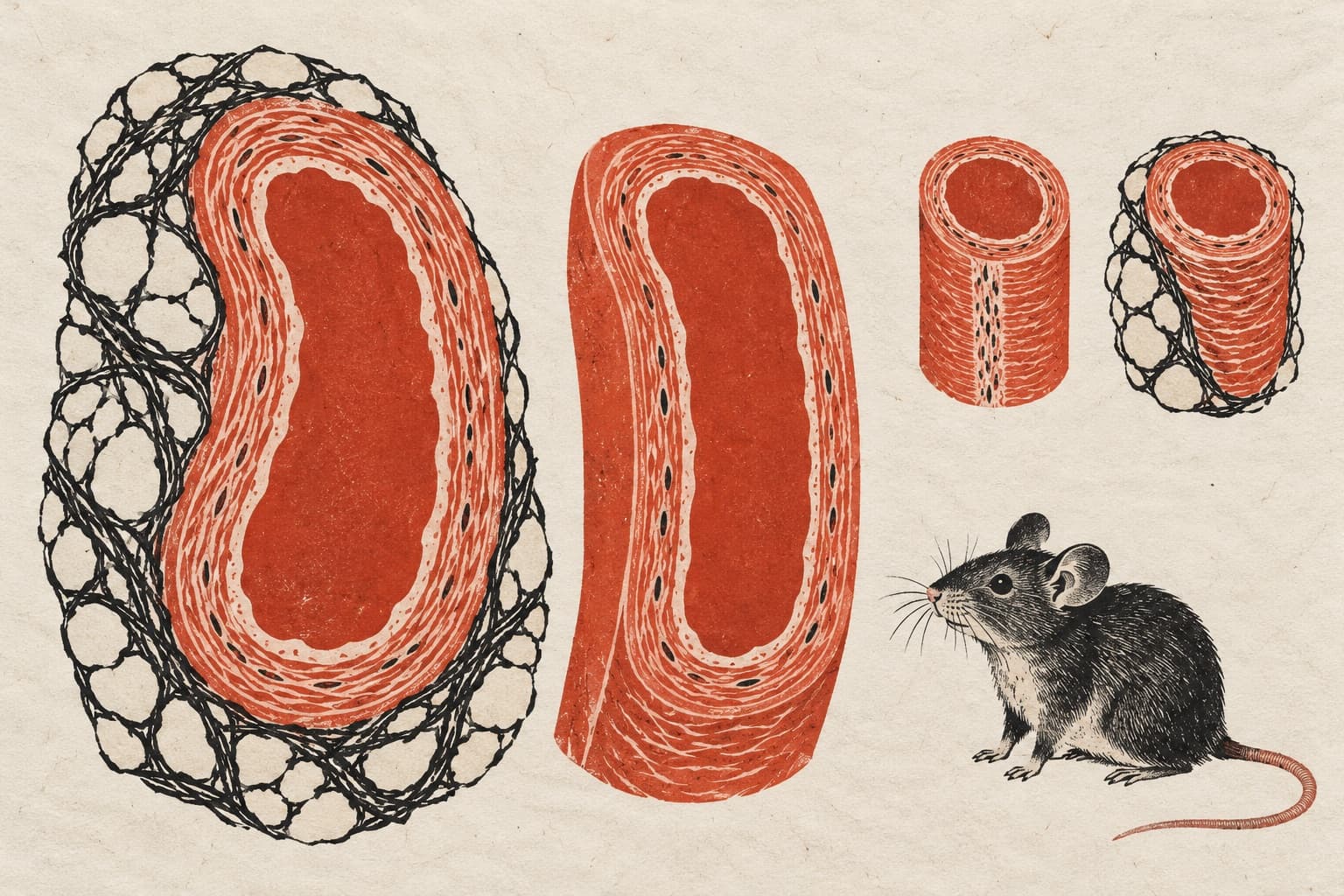
In human aortic transcriptomic data, expression of the lactate receptor gene HCAR1 declined significantly with age. In cultured human endothelial and vascular smooth muscle cells, silencing this receptor induced lipid accumulation, ferroptosis, and markers of cellular senescence. In young mice, endothelial-specific deletion of GPR81 caused senescent cell accumulation, impaired lipid balance, endothelial dysfunction, and elastin disorganization. Treating cultured human vascular cells with the agonist CHBA restored fatty acid metabolism and attenuated ferroptotic stress and senescence phenotypes. In lamin A knock-in progeroid mice, CHBA treatment reduced arterial lipid accumulation and cellular senescence, shifted vascular cell composition toward a youthful state, improved endothelial integrity, and restored extracellular matrix homeostasis.
Why it matters
The findings suggest that the loss of lactate receptor signaling contributes to vascular metabolic dysfunction and senescence in aging arteries. Stimulating this receptor may offer a candidate approach for preserving vascular health.
Caveats
The in vivo therapeutic effects were evaluated in a progeroid mouse model rather than naturally aged animals, and cellular mechanisms were analyzed in vitro. The paper is a preprint that has not yet been peer-reviewed.
The paper
Lactate Receptor Activation Alleviates Senescence and Preserves Homeostasis of Aged Arteries
Show 7 more authors
Haibo Yu, Pihu Mehrotra, Pedro Lei, Arundhati Das, Patrick Saari, Maryam Elsayed, Linzhang Huang,University at Buffalo, State University of New York
bioRxiv · 25 Sep 2026 · Preprint, not peer-reviewed