Testes may aid survival early but harm it later in male mice
Castration at 240 days increased median lifespan by 32.9%, compared with increases of 19.3% at 20 days and 25.8% at 60 days.
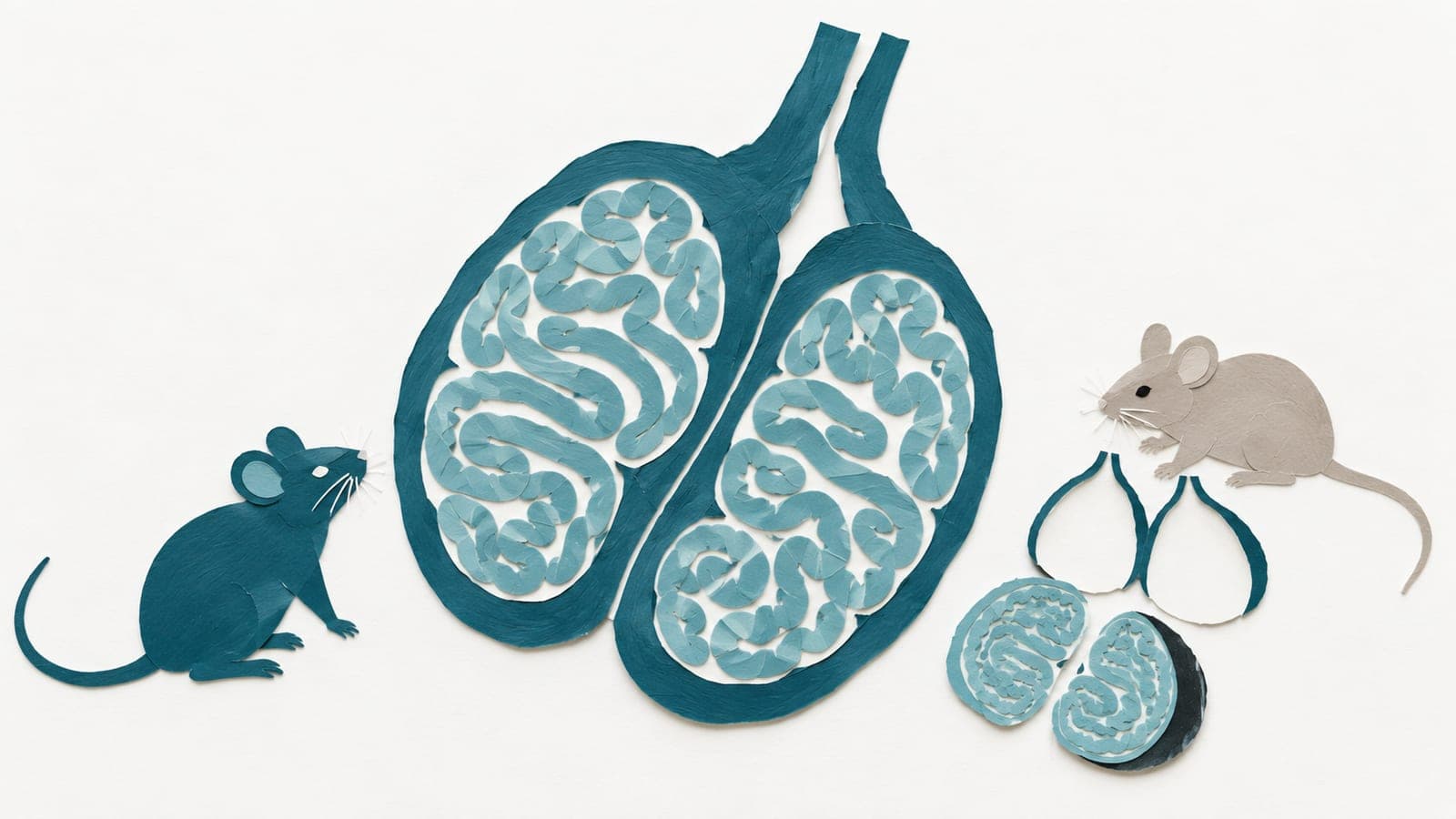
Limit: Whole testes were removed without isolating individual testicular factors' effects on survival
Edited by Boris Djordjevic · AgingResearch.News
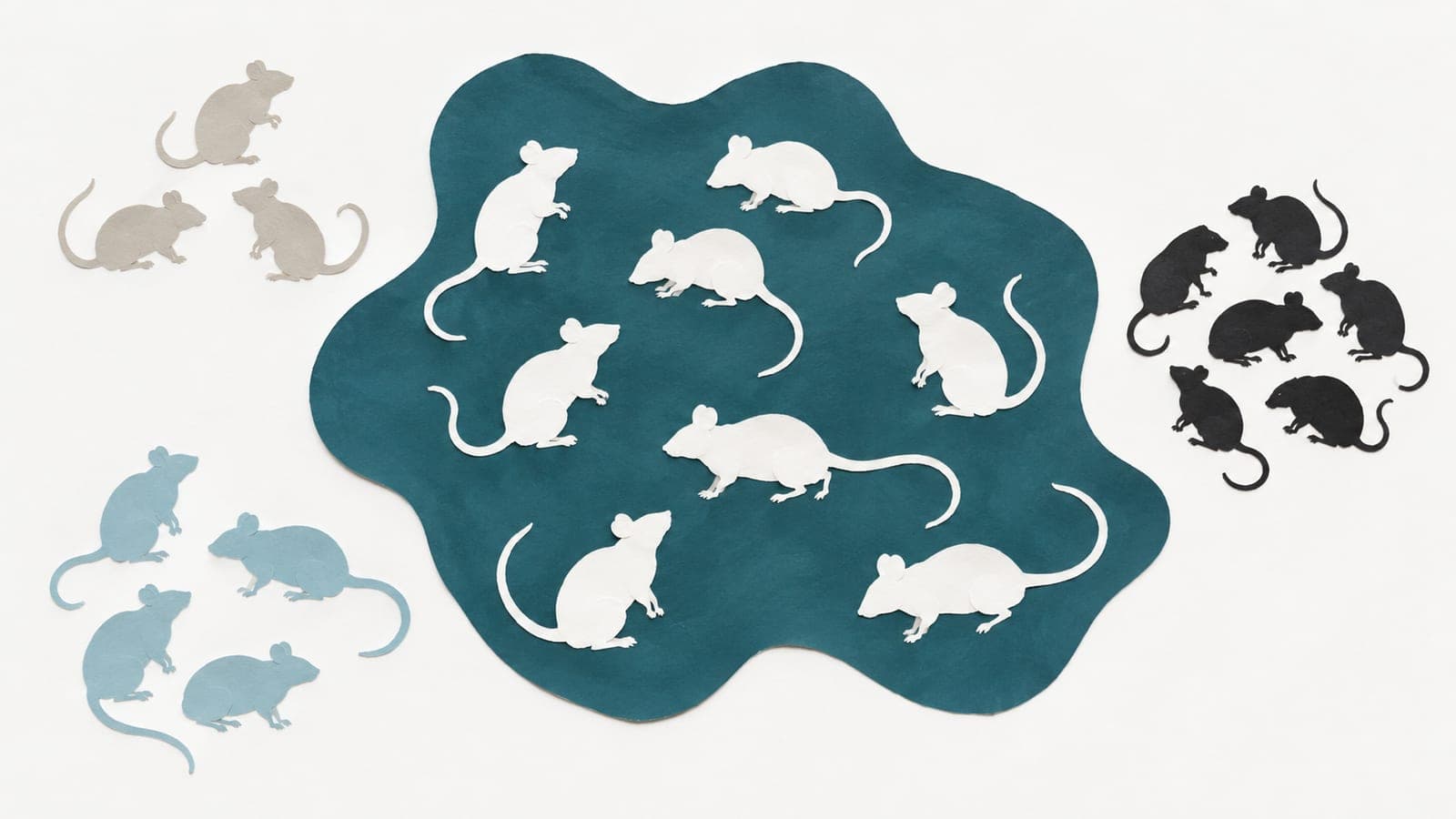
In an animal experiment, researchers removed the testes of male UM-HET3 mice, a stock with varied genetic backgrounds, at 20, 60 or 240 days of age. These ages fell before puberty, after puberty and just before the typical rise in male mortality, respectively. Castration at all three ages increased median lifespan.
Mice castrated at 240 days survived longer than those castrated earlier. This suggested that exposure to substances from the testes before 240 days benefited survival. The authors interpreted the mortality results as indicating that the responsible substances acted rapidly and that their continued presence was necessary to sustain elevated male mortality.
Why it matters
The findings may help guide when to test approaches targeting biological contributors to shorter male lifespan. The authors pointed to later adulthood as a potential window.
Caveats
This was an animal experiment in UM-HET3 mice, not a study in people. The preprint has not been peer-reviewed.
The paper
Beneficial early, harmful later: age-dependent effects of testicular factors on male mortality
University of Texas at San Antonio
bioRxiv, Oct 24, 2026, Open access, CC BY, Preprint, not peer-reviewed