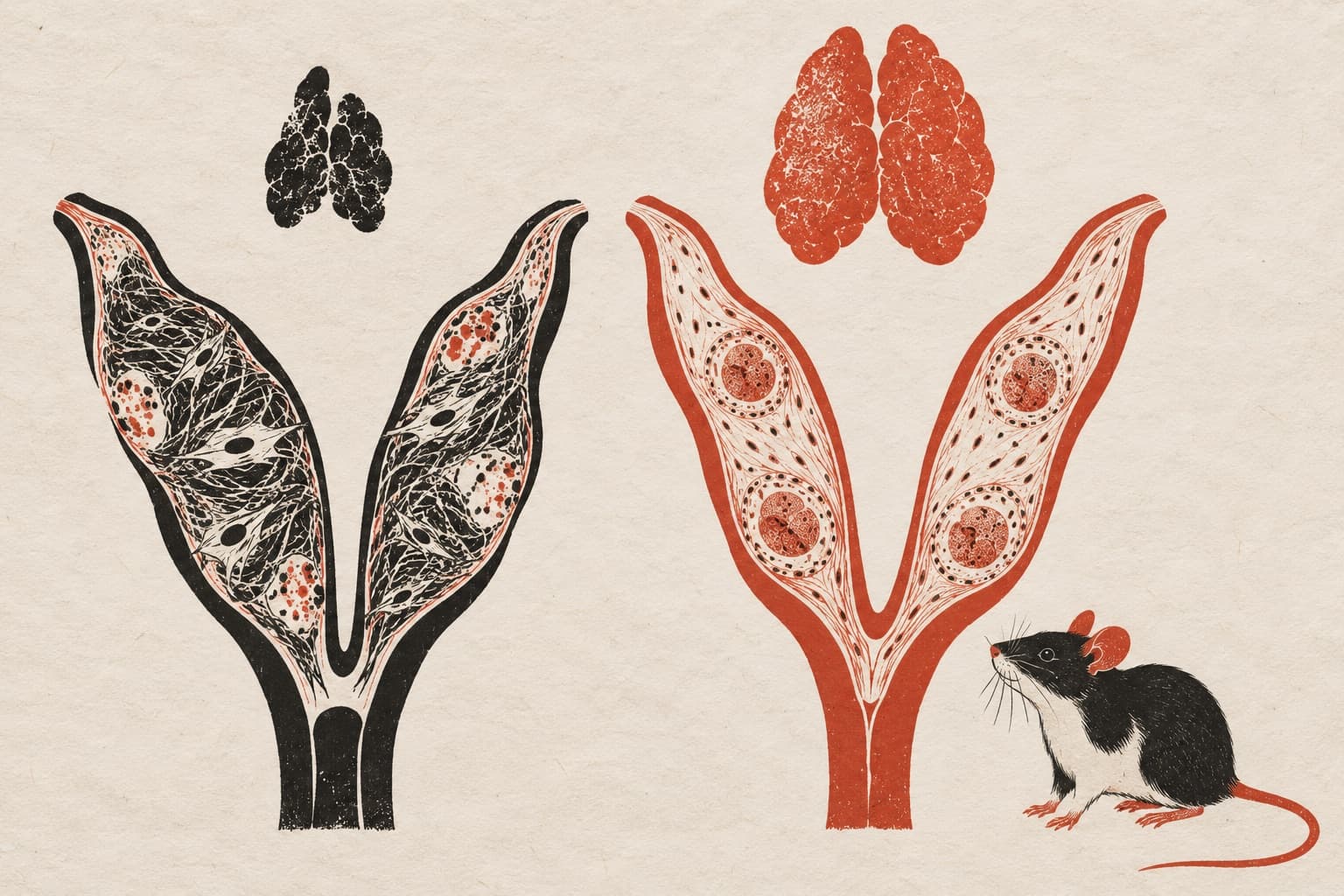
Faulty debris clearance promotes ovarian fibroinflammation in mice
Using a corpus luteum tracking system in older mice, researchers linked stalled regression to persistent tissue debris, multinucleated giant cells, and localized fibroinflammation.
bioRxiv
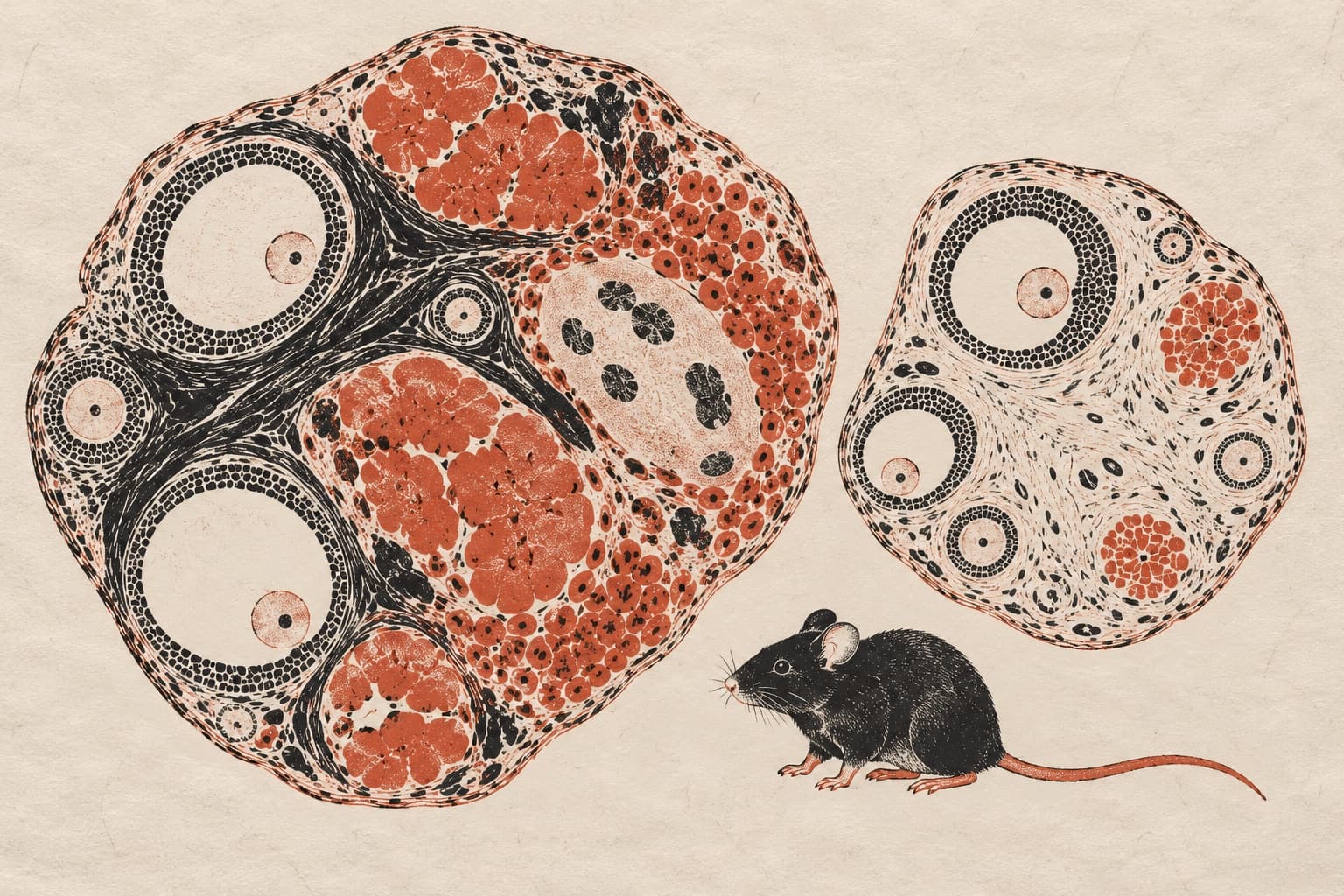
In reproductively old mice, impaired post-ovulatory debris clearance contributes to ovarian fibroinflammation, according to a preprint on bioRxiv. Each ovulation generates a corpus luteum, a transient structure that regresses if pregnancy does not occur. Using a corpus luteum-labeling system, researchers found that older mice experienced dysregulated regression, causing persistent corpora lutea to accumulate alongside ovarian multinucleated giant cells. Transcriptional and histological analyses revealed that these persistent structures formed focal hotspots enriched with lipids, extracellular matrix, and immune cells, sharing closer molecular similarities with giant cells than with normal corpora lutea. In an ex vivo model, prolonged culture caused corpora lutea to acquire giant cell-associated features. Additionally, culturing isolated ovarian follicles or stromal organoids with factors from giant-cell-enriched explants induced compartment-specific fibroinflammatory responses.
Why it matters
Because ovaries age earlier than most somatic tissues, these findings suggest that failure to clear repetitive post-ovulatory cellular debris may be an important factor in ovarian aging.
Caveats
The findings come from mouse tissues and ex vivo organoid models, which may not fully reflect human ovarian physiology, and the study is a preprint that has not yet undergone peer review.
- Extracellular matrix remodelling
- Immune response
- Inflammation
- Lipid and ceramide metabolism
- Extracellular matrix
- Mice
The paper
Age-dependent dysregulated post-ovulatory debris clearance promotes ovarian fibroinflammation
Northwestern University
bioRxiv · 29 Sep 2026 · Preprint, not peer-reviewed