Intestinal repair linked to lower gene-based age estimates in mice
In injury experiments, intestinal cells temporarily had lower gene-based age estimates, with the timing differing between young and old mice.
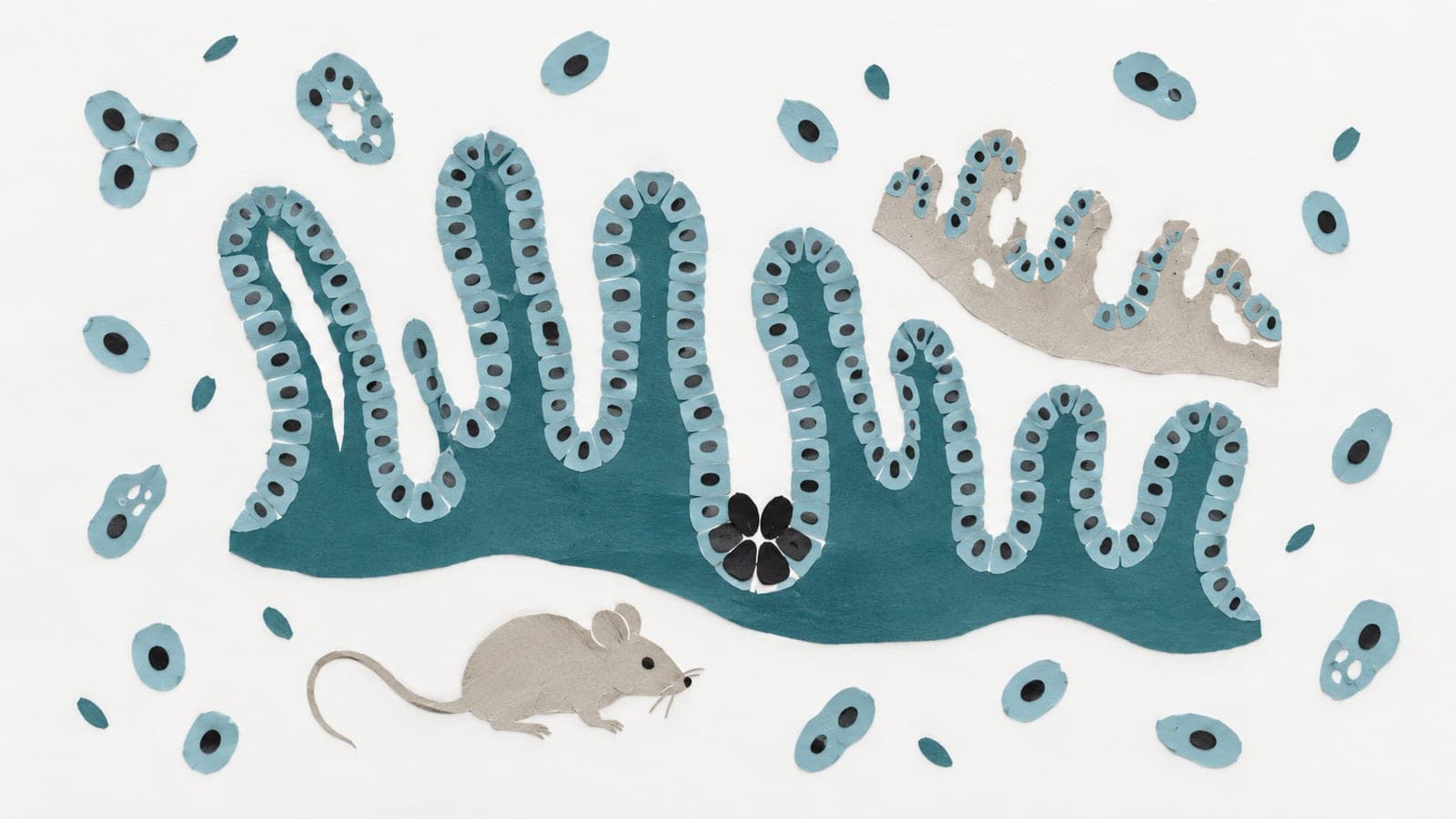
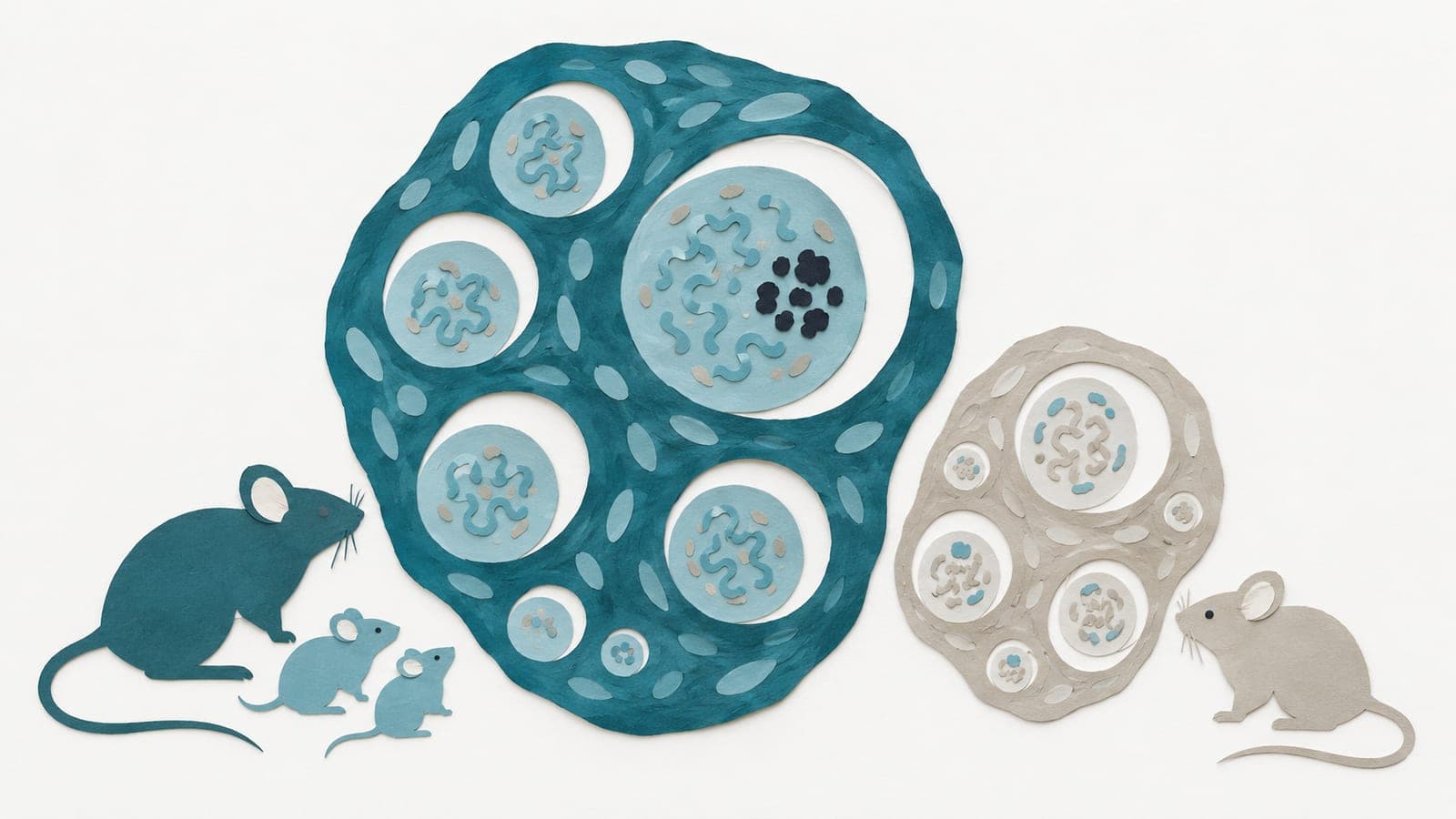
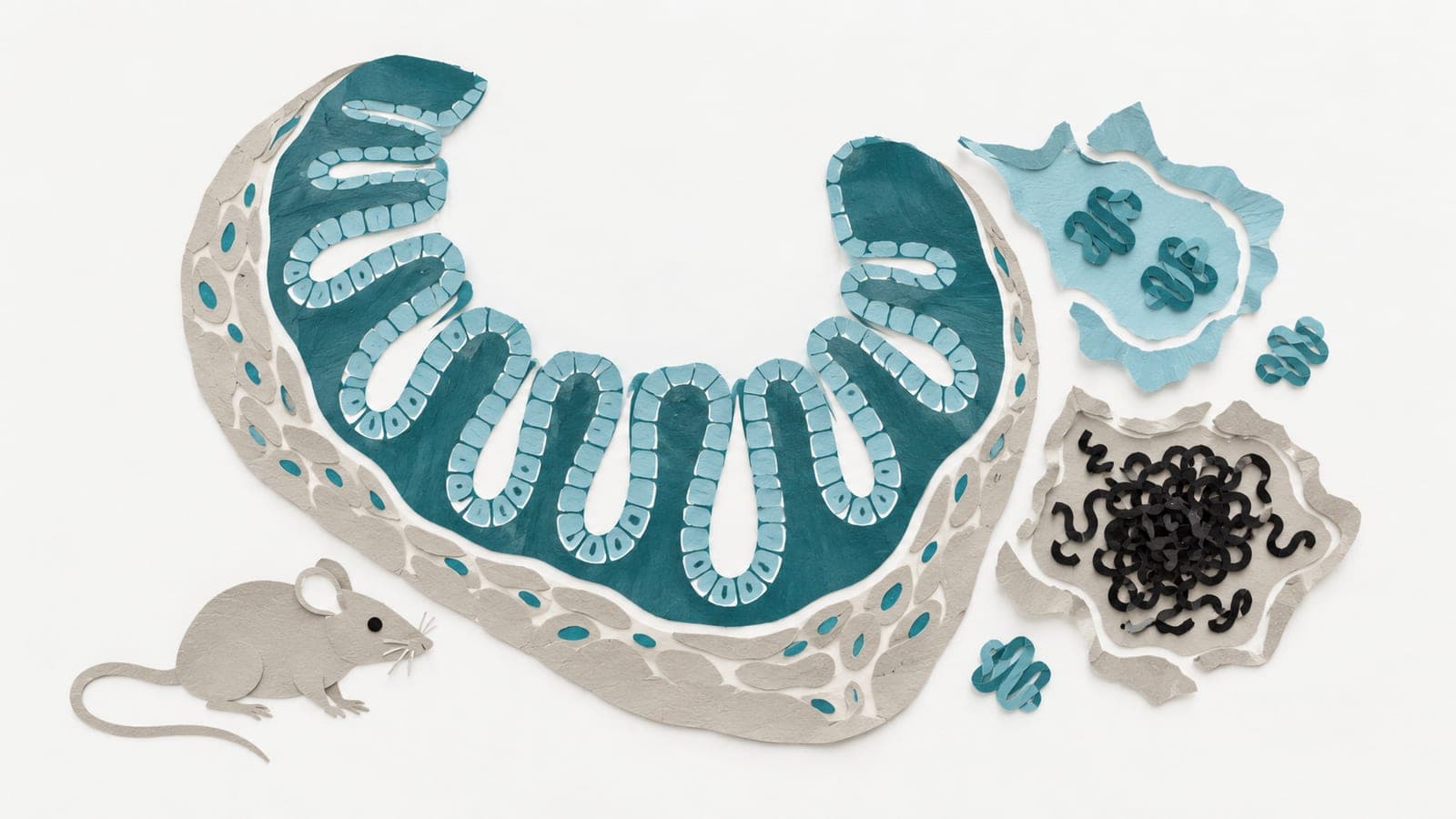
In mice, researchers used animal experiments to examine how intestinal regeneration related to biological age. They developed and validated clocks that estimated the age of intestinal tissue and its lining cells from gene activity. Across several regeneration models, the clocks predicted younger ages than in controls.
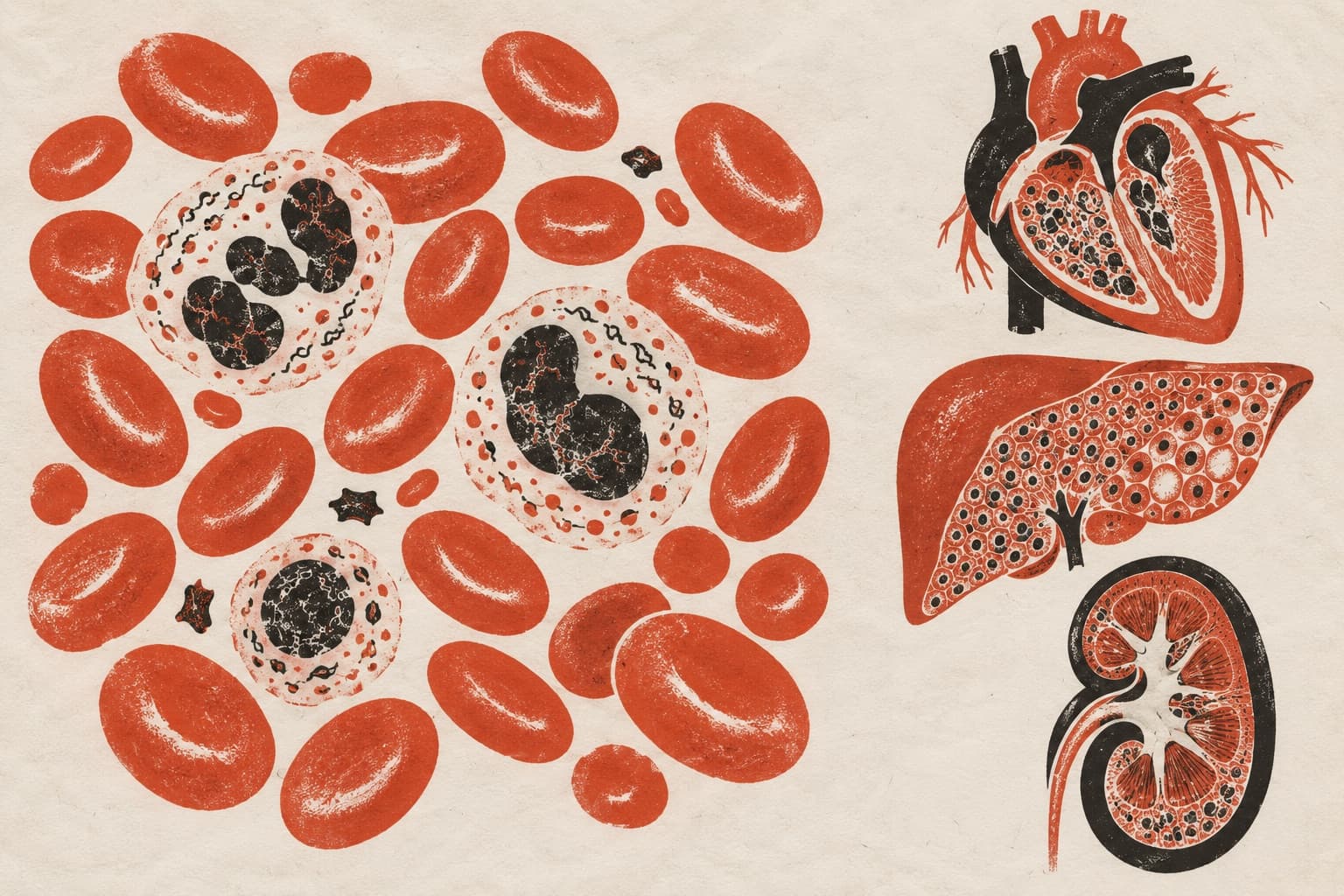
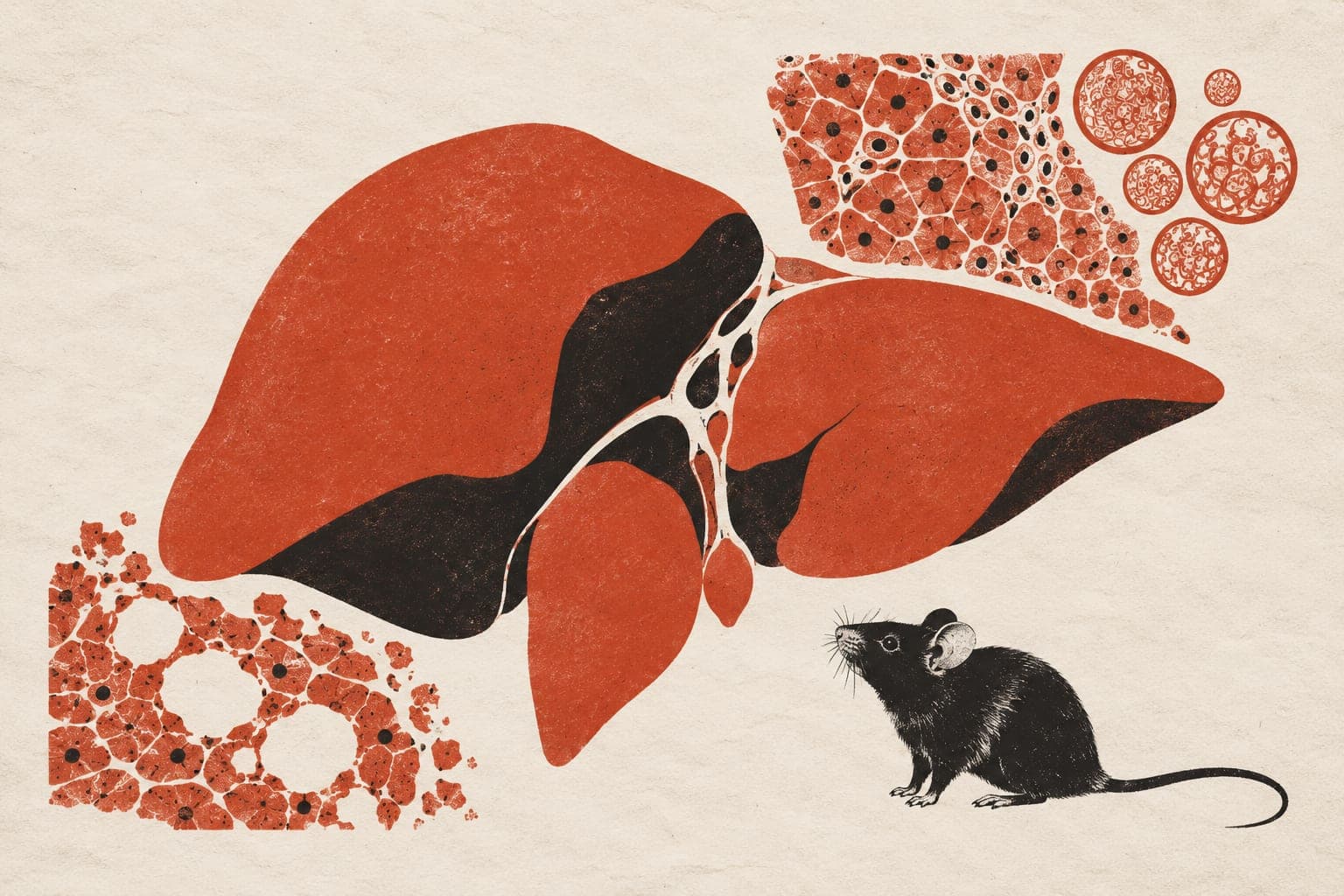
After irradiation, the estimated age of intestinal lining cells first rose, fell at the peak of regeneration, then rose again during recovery. The timing differed with the mice’s age. After chemotherapy-induced injury, cells in young mice reached the younger predicted state earlier and returned to their preinjury state during recovery. Cells in old mice responded later, but the shift was also reversible. Separately, liver regeneration after partial removal of the organ lowered gene-based age estimates in old mice.
Why it matters
Adult intestinal cells reactivate developmental programmes during repair. The work addresses how this flexibility relates to biological aging.
Caveats
The study assessed biological age through gene-activity patterns; lower estimates do not establish lasting improvements in tissue function or longer lifespan. These mouse experiments appear in a preprint that has not yet been peer reviewed.
- Transcriptomics
- Hippo–YAP signalling
- Tumor
- Intestinal aging signatures
- Intestinal epithelial transcriptomic age
- Mice
The paper
Transient transcriptomic rejuvenation during intestinal and liver regeneration in mice
Brigham and Women's Hospital
bioRxiv, 13 Oct 2026, Open access, Preprint, not peer-reviewed