Skip to content
AgingResearch.News app

AgingResearch.NewsFree on Google Play

Open app
AgingResearch.News
  • HomeHome
  • SearchSearch
  • AskAsk
  • FollowingFollowing
  • SavedSaved
Join freeSign inSign inSign in
AgingResearch.NewsJoin free
  • Top
  • Latest
  • For you

Latest: Animals · Most significant

Filter

Clear filters

Evidence

  • All
  • Prevention & practice
  • Human trials
  • Human studies
  • Animals
  • Model organisms
  • Cells
  • In silico
  • Reviews

Status

  • All
  • Peer-reviewed
  • Preprints
  • All
  • Most significant
  • All
  • Open access
  • All
  • Prevention & practice
  • Human trials
  • Human studies
  • Animals
  • Model organisms
  • Cells
  • In silico
  • Reviews
  • All
  • Most significant
  • All
  • Open access
Status
  • All
  • Peer-reviewed
  • Preprints
FooterIn your assistantComparePrivacyTermsAboutStandardsContactRSSPricingFollow on X© 2026 AgingResearch.News
Sidebar

    Join AgingResearch.News

    Free: every story, saved papers, follows, the weekly email and 3 questions a day to Ask.

    Continue with email

    By continuing, you agree to our Terms and Privacy Policy.

    News

    See allSee all news
    Engineered gut bacteria increase bile acid deconjugation, improving aged mice’s metabolic healthResearchGEN +5Engineered gut bacteria increase bile acid deconjugation, improving aged mice’s metabolic healthLater-born generations reach old age with better memory and slower declineResearchMedical Xpress +1Later-born generations reach old age with better memory and slower declineCastration at 240 days extends median lifespan 32.9% in male UM-HET3 miceResearchFight Aging! +1Castration at several ages extends male lifespan and reveals age-dependent effects of testicular factors on survival.

    Trials

    See allSee all trials
    Modulation Effects of Baduanjin Exercise on Subjective Cognitive DeclineResults posted Nov 6, 2026, Massachusetts General HospitalPsilocybin Effects on Healthy Aging Biomarkers and Purpose in LifePhase 1Now recruiting Nov 17, 2026, Charles RaisonPhase I Trial of a Single Administration of aKLmRNA-Mediated Protein Replacement TherapyPhase 1Now recruiting Nov 12, 2026, Klothea Bio Inc

    Trending

    See allSee all trending stories
    SLEEPGeneOlder adults had weaker brain fluid flow waves during sleepBilobetinInterventionBilobetin eased infection-driven immune aging in miceMizagliflozinInterventionFirst trial results posted: Effect of Mizagliflozin Repeat Dosing on Adverse Events and Postprandial Glucose…LY3437943InterventionFirst trial results posted: A Study of Retatrutide (LY3437943) on Renal Function in Participants With Overweight or…Royal jellyInterventionRoyal jelly increased stem cell activity in aged miceImmune responseProcessIn the news: 9 stories this week. Immune signal keeps brown fat in a low-heat state in mice, and 1 more story this week

    Topics

    See allSee all topics
    Mechanisms386Interventions832Biomarkers544Populations822AI & data163Industry & policy36SupplementsPeptidesProtocols
    Footer
    • In your assistant
    • Compare
    • Privacy
    • Terms
    • About
    • Standards
    • Contact
    • RSS
    • Follow on X
    • © 2026 AgingResearch.News

    TodayTue, Nov 17Tuesday, November 174 papers

    bioRxiv·6 h

    Gut nerve cells develop signs of cellular aging in mice

    At 24 months, approximately 25–30% of mouse gut nerve cells carried a marker of senescence, a state in which cells stop dividing.At 24 months, approximately 25–30% of mouse gut nerve cells carried a marker of senescence, a state in which cells stop dividing. Mice aged 2, 13–15 and 22–24 months were studied in experiments on nerve cells from the jejunum…

    Gut nerve cells spread across intestinal tissue, with sparse enlarged cells bearing dark clusters beside dense smaller cells and a laboratory mouse.
    Preprint: mouse studyGut and microbiome
    Who was studiedMice of different ages, against young mice
    What changedWith age, gut neurons developed aging signs: approximately 25-30% expressed the senescence marker p21 at 24 months
    The catchThe age-group comparisons did not assess whether senescence-like changes caused digestive problems
    Paper
    bioRxiv·7 h

    DNA differences linked to dog lifespan beyond breed size

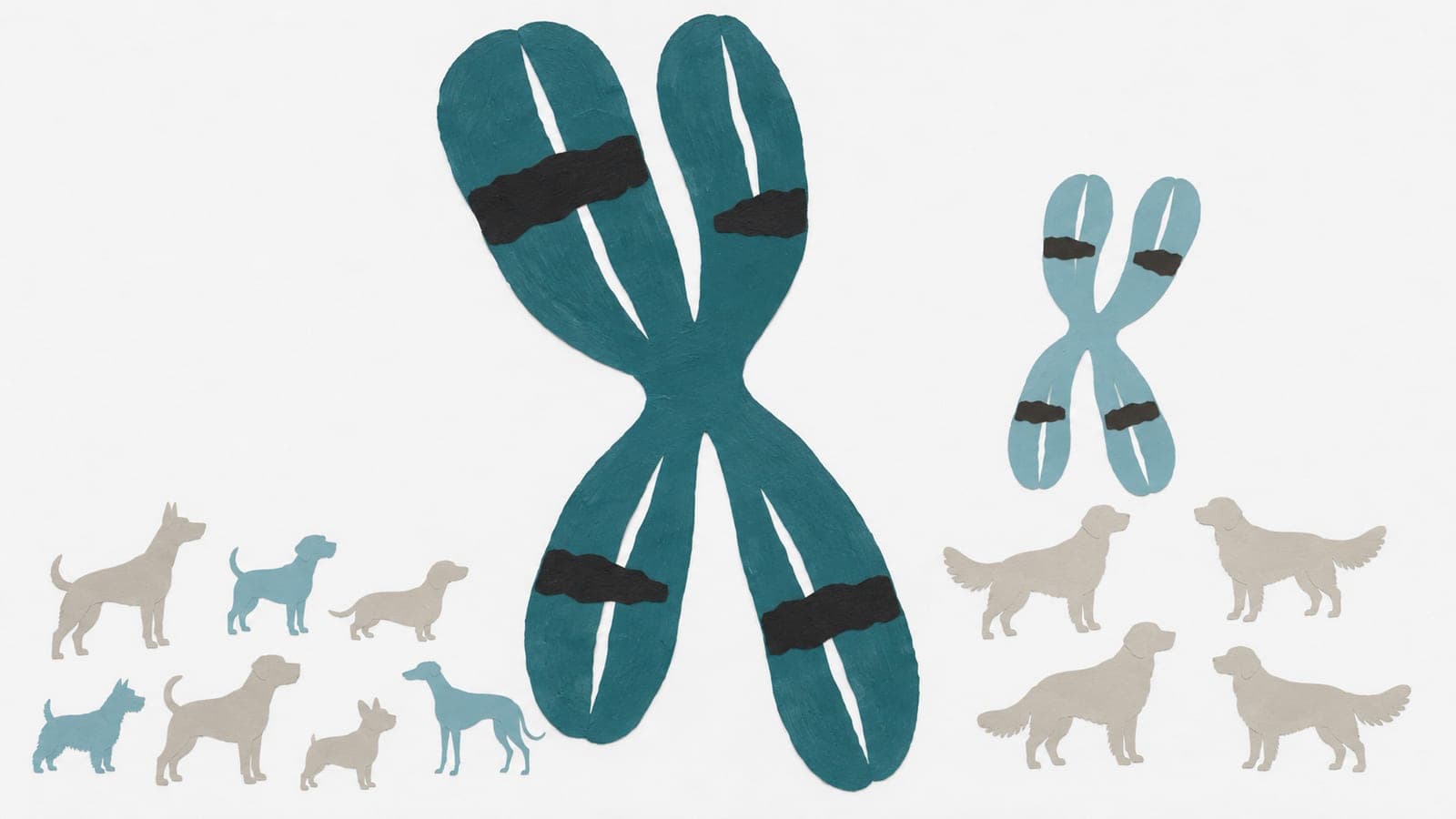
    Three genetic regions linked to age at death in 540 dogs from 27 breeds also showed associations in 3,024 Golden Retrievers.Three genetic regions linked to age at death in 540 dogs from 27 breeds also showed associations in 3,024 Golden Retrievers. A group of 540 dogs from 27 breeds, with 20 dogs per breed, formed the discovery cohort for genome-wide…

    Chromosomes with matching dark bands rise above dogs of varied sizes on the left and a group of similarly sized retrievers on the right.
    Preprint: genetic association studyPopulations
    Who was studied540 dogs from multiple breeds
    What changedThree DNA regions were linked to dogs' age at death beyond breed-average weight, with associations replicated in Golden Retrievers
    The catchNearby DNA variants inherited together could account for the lifespan associations
    Paper
    Aging Cell·7 h

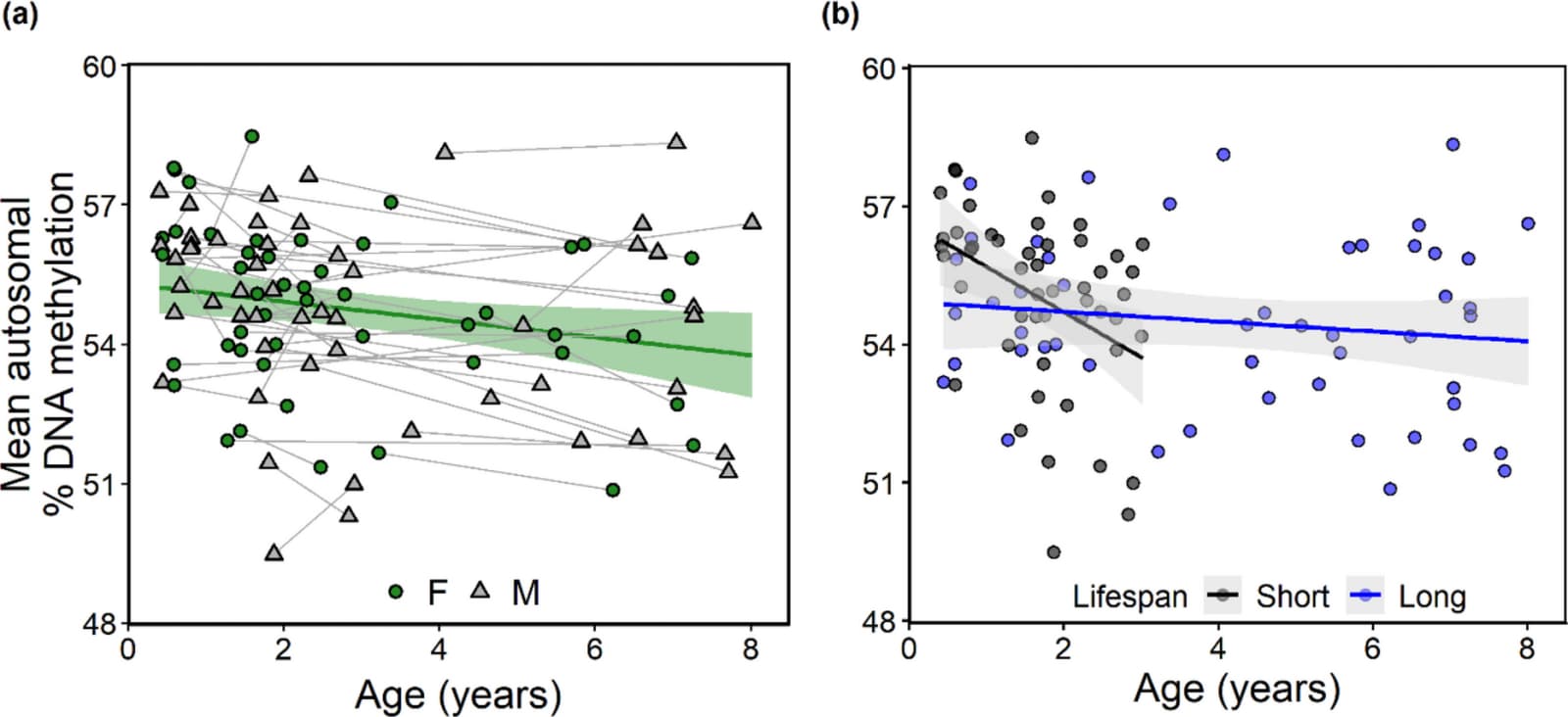
    Older mouse fat cells show shifts in gene control and metabolism

    A comparison of male mice aged 3 and 18 months linked altered DNA markings with changes in gene activity and specific fats.A comparison of male mice aged 3 and 18 months linked altered DNA markings with changes in gene activity and specific fats. Male mice aged 3 and 18 months were compared in a laboratory study of visceral fat, which surrounds…

    Figure from Aging Cell
    Cross-sectional studyLipid and ceramide metabolism
    Who was studiedMale mice, against young mice
    What changedOlder mice differed from young mice in ~42% of measured fat-cell lipid species
    The catchIsolation may underrepresent enlarged, fragile fat cells from older mice
    Paper
    Cell Death and Differentiation·17 h

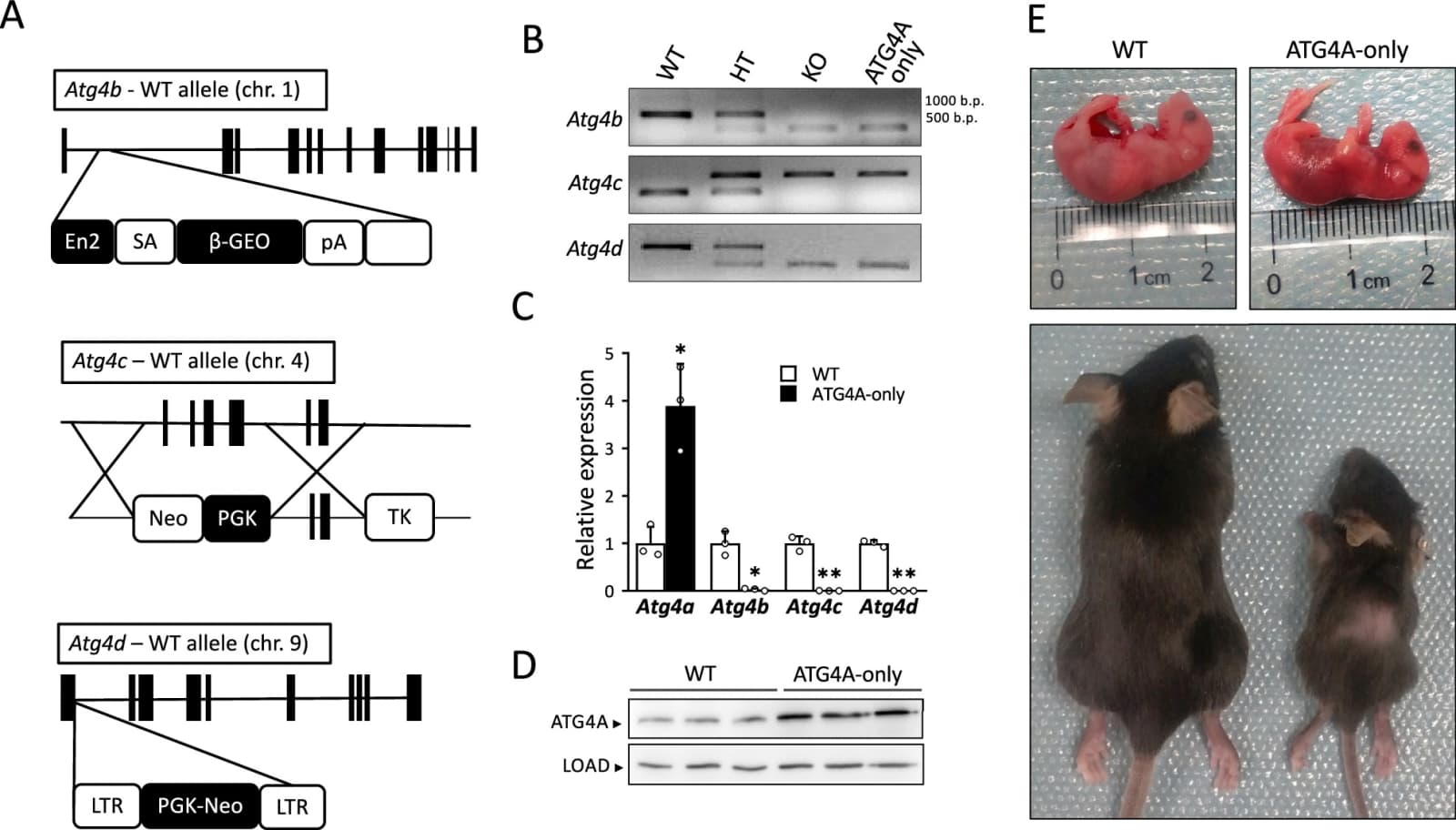
    Severe cell-recycling defects accelerated aging in mice

    Mice engineered to lack three enzymes involved in cell recycling developed premature aging and markedly shorter lives. The mice retained only the fourth enzyme, ATG4A.Mice engineered to lack three enzymes involved in cell recycling developed premature aging and markedly shorter lives. The mice retained only the fourth enzyme, ATG4A.

    Generation of atg4b–/–atg4c–/–atg4d–/– (ATG4A-only) mice.
    Mouse studyMechanisms
    Who was studiedMice lacking ATG4B, ATG4C, and ATG4D
    What changedMice with severe cell-recycling defects had dramatically shorter lifespans
    The catchCombined enzyme deletion models extreme autophagy loss rather than changes typical of normal aging
    Paper

    YesterdayMon, Nov 16Monday, November 167 papers

    Cell Metabolism·Yesterday

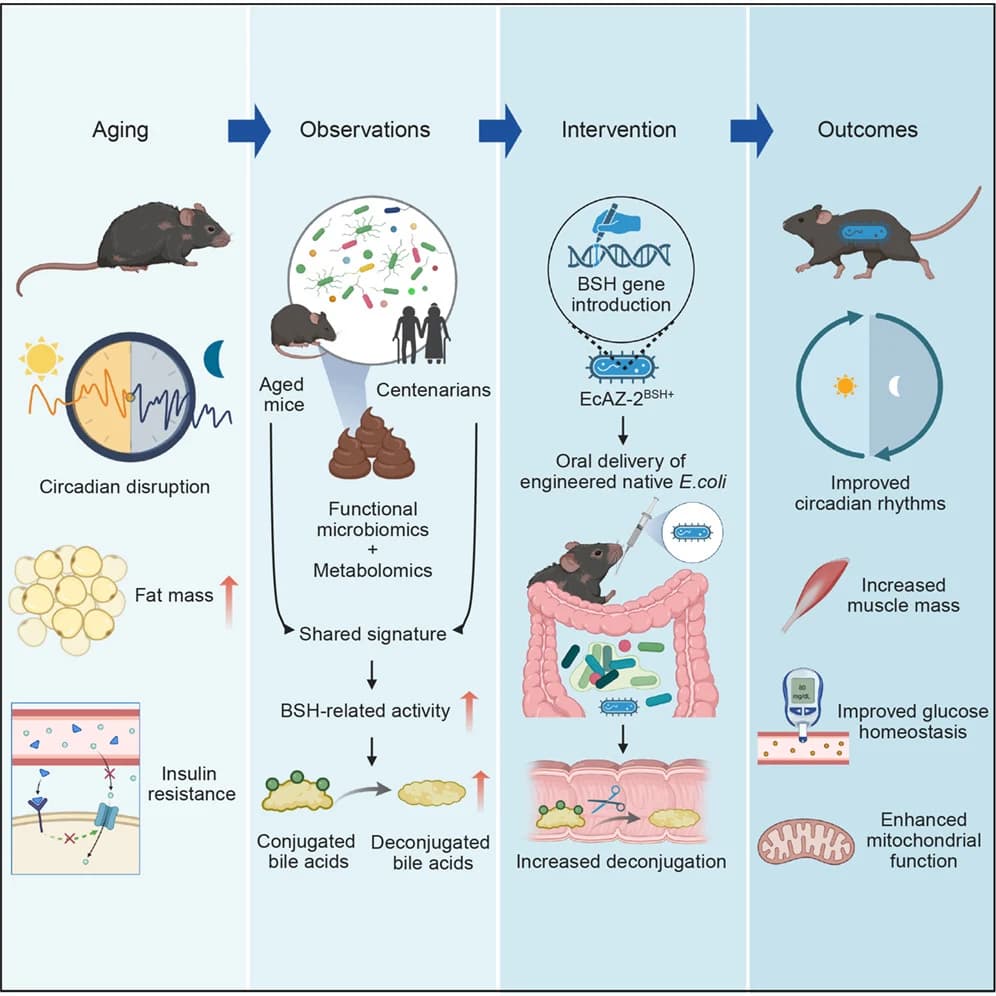
    Engineered gut bacteria improved insulin sensitivity in aged mice

    Engineered bacteria boosted a bile-acid-modifying enzyme’s activity in aged mice in an animal experiment, with supportive changes in body composition and other metabolic…Engineered bacteria boosted a bile-acid-modifying enzyme’s activity in aged mice in an animal experiment, with supportive changes in body composition and other metabolic measures.

    Figure from Cell Metabolism
    Mouse studyInterventions
    Who was studiedAged mice
    What changedInsulin sensitivity improved in aged mice given engineered native gut bacteria
    The catchThe excerpt omits the insulin-sensitivity effect size and measurement method
    Paper
    bioRxiv·Yesterday

    Loss of nuclear support proteins harms mouse hearts and arteries

    Median survival was 14.6% lower in artery-disease-prone mice lacking the proteins in blood-vessel-lining cells than in comparison mice.Median survival was 14.6% lower in artery-disease-prone mice lacking the proteins in blood-vessel-lining cells than in comparison mice. Mice genetically prone to fatty buildup in arteries underwent a gene-deletion experiment…

    An artery narrowed by fatty deposits and lined with irregular cell nuclei sits beside a clearer vessel, a scarred heart, and a small mouse.
    Preprint: mouse studyMechanisms
    Who was studiedArtery-disease-prone mice lacking endothelial lamin A/C, against comparison mice
    What changedMedian survival was 14.6% lower in mice lacking the proteins in blood-vessel-lining cells than in comparison mice
    The catchEffects of preserving lamin A/C during natural aging were not measured
    Paper
    Gut Microbes Reports·Yesterday

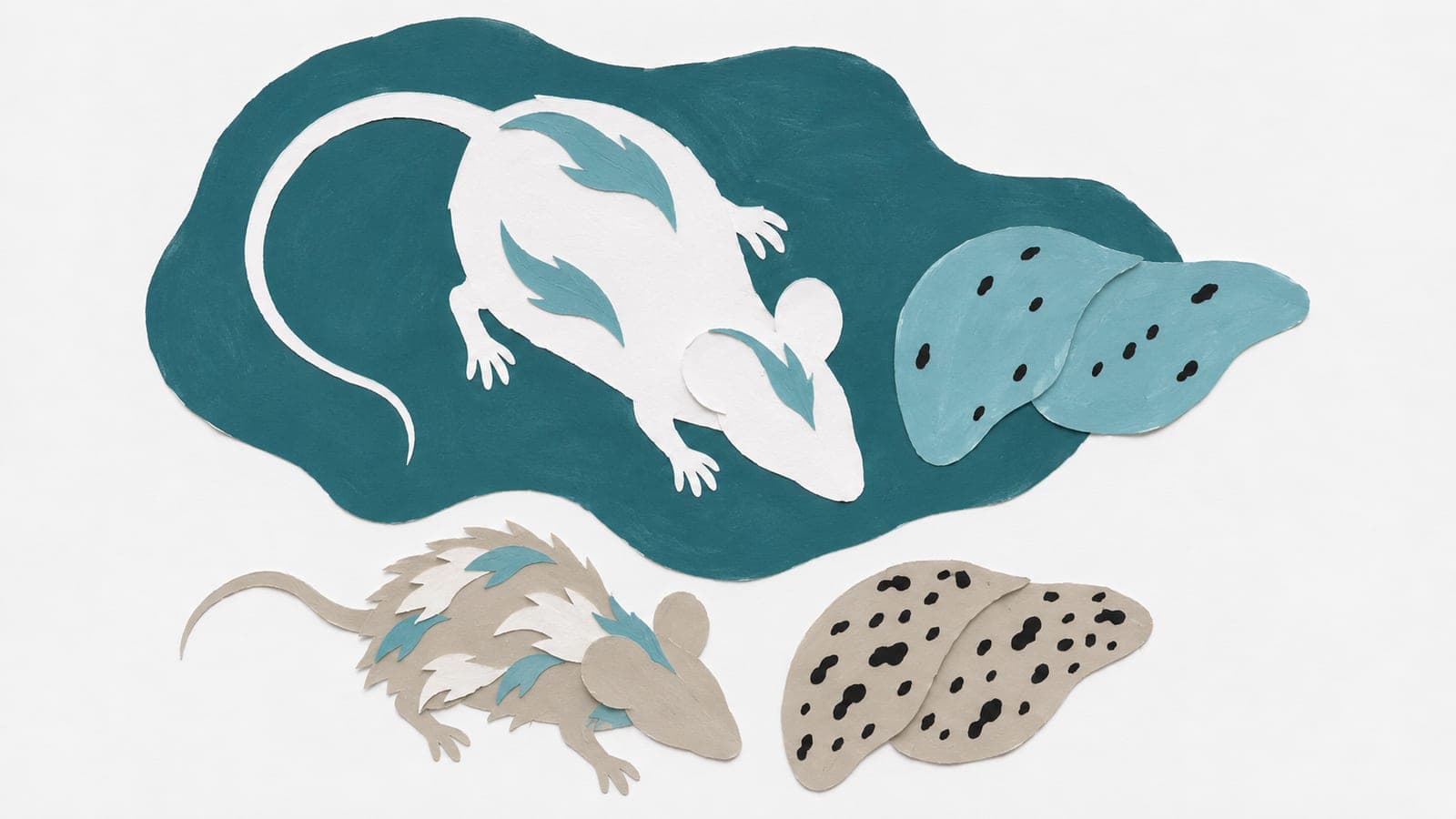
    Depleting gut microbes reduced frailty in older male mice

    An experiment in groups of 7–10 male mice found frailty scores closer to young-mouse values after four weeks of antibiotics or lifelong germ-free rearing.An experiment in groups of 7–10 male mice found frailty scores closer to young-mouse values after four weeks of antibiotics or lifelong germ-free rearing.

    Laboratory mice with smooth and ragged coats sit beside livers with sparse and dense dark markings, respectively.
    Mouse studyMechanisms
    Who was studiedAged male C57Bl6/J mice, 4 weeks, against aged mice with conventional microbiomes
    What changedAntibiotic-treated aged mice had lower frailty scores than aged mice with conventional gut microbes
    The catchFrailty was scored without blinding by the same researcher
    Paper
    bioRxiv·Yesterday

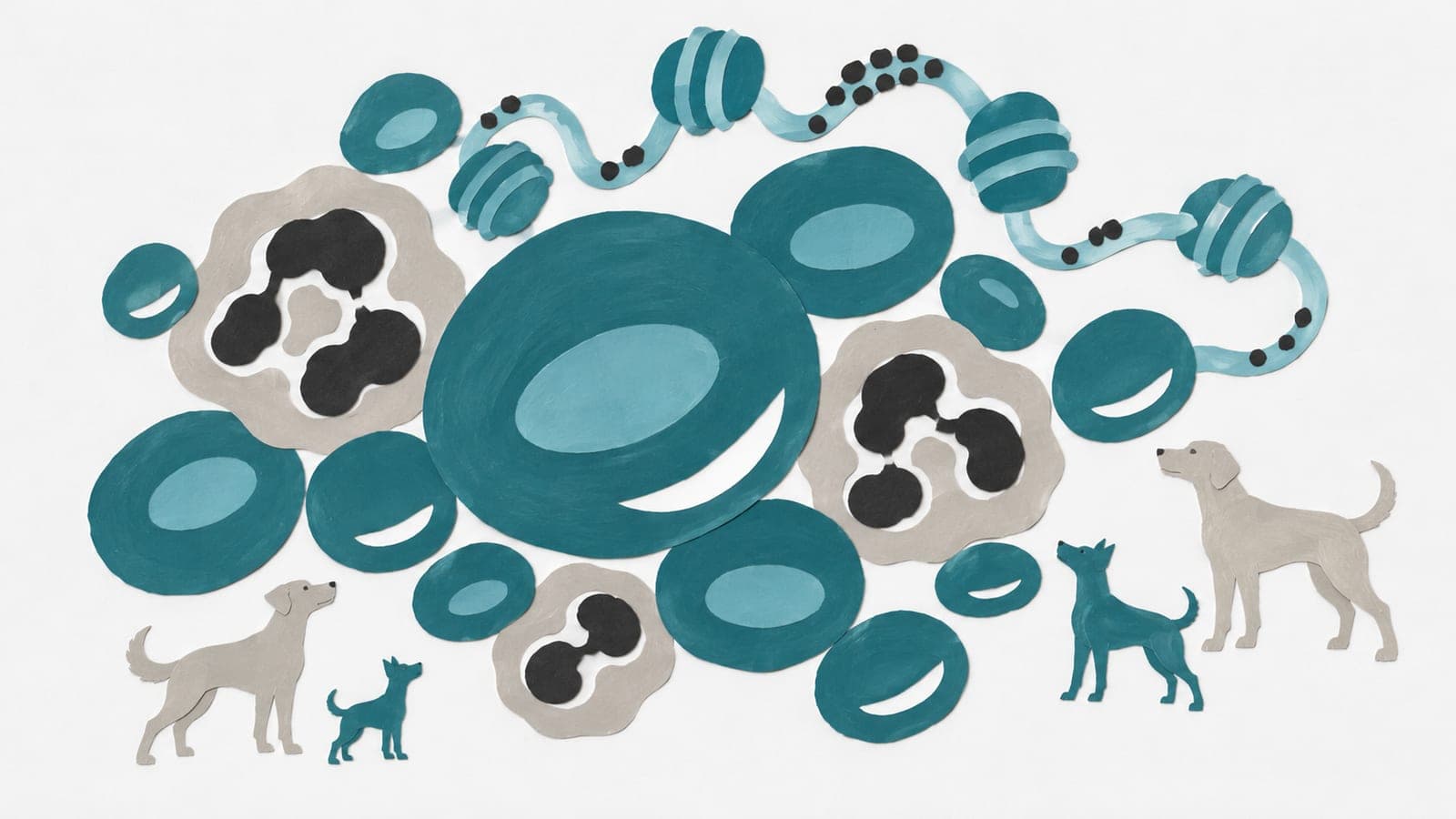
    Biological systems showed linked aging patterns in dogs

    A longitudinal analysis of 965 companion dogs found age dominated variation across measurements of microbes, DNA markings, blood chemicals and the immune system.A longitudinal analysis of 965 companion dogs found age dominated variation across measurements of microbes, DNA markings, blood chemicals and the immune system.

    Blood cells and immune cells sit beside dogs of different sizes, beneath a chromatin fiber with dense and sparse clusters of chemical marks.
    Preprint: cohort studyAI & data
    Who was studied965 companion dogs
    What changedBiological measurements were interconnected, and age dominated their variation
    The catchThe analysis measured cross-system links, not causal effects of one biological system on another
    Paper
    Aging Cell·Yesterday

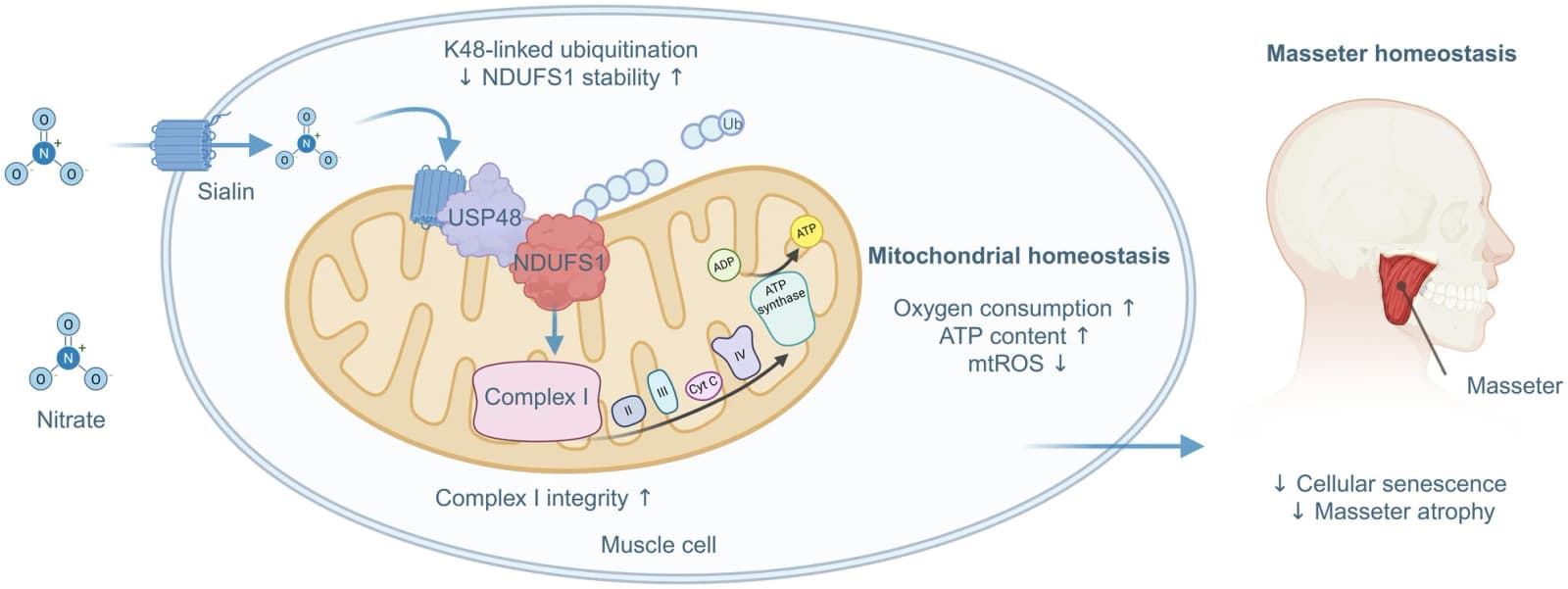
    Nitrate reduced chewing muscle degeneration in aging mice

    Older male mice, six per group, received nitrate or standard drinking water for three months; nitrate reduced signs of degeneration in a chewing muscle.Older male mice, six per group, received nitrate or standard drinking water for three months; nitrate reduced signs of degeneration in a chewing muscle. The nitrate concentration was 4 millimoles per liter.

    Figure from Aging Cell
    Mouse studyNitrate
    Who was studiedAged male mice, 3 months, against age-matched mice receiving standard drinking water
    What changedNitrate-treated aged mice had fewer signs of chewing muscle degeneration than age-matched controls
    The catchOnly 6 mice per group in the natural-aging experiment
    Paper
    npj Aging·Yesterday

    Royal jelly increased stem cell activity in aged mice

    Male mice fed a diet containing 5% royal jelly for three months showed increased cell division in aging skin and brain.Male mice fed a diet containing 5% royal jelly for three months showed increased cell division in aging skin and brain. Compared with aged mice on control diets, they had more dividing stem cells and related immature cells in skin…

    RJ/pRJ administration improves age-associated hair thinning and increases Ki67-positive HMCs and EDSCs in aged mouse skin.
    Mouse studyInterventions
    Who was studiedAged male C57BL/6J mice, 3 months, against aged mice fed a control diet
    What changedRoyal jelly increased stem and progenitor cell division in aged mice's skin and brain compared with control-fed aged mice
    The catchInvestigators measured cell proliferation without blinding to treatment groups
    Paper
    Aging Cell·Yesterday

    Fat-derived protein worsened signs of vessel aging in mice

    In experiments with 24 young male mice over 12 weeks, an antibody against asprosin reduced signs of chemically induced blood vessel aging.In experiments with 24 young male mice over 12 weeks, an antibody against asprosin reduced signs of chemically induced blood vessel aging. Twenty-four eight-week-old male C57BL/6 mice were randomly assigned to four groups in a…

    Figure from Aging Cell
    Experiments in miceMechanisms
    What changedAsprosin increased signs of blood vessel aging in mice compared with saline-treated mice
    The catchOnly 6 mice per group supported the vascular aging comparison
    Paper

    Sun, Nov 151 paper

    Aging and Disease·Nov 15

    Bilobetin eased infection-driven immune aging in mice

    In experiments with nonlethal influenza infection, middle-aged mice—but not young mice—were susceptible to lasting immune deterioration.In experiments with nonlethal influenza infection, middle-aged mice—but not young mice—were susceptible to lasting immune deterioration. Young mice did not show the same susceptibility.

    Blood-forming stem cells show damaged mitochondria and many droplets in a large cell beside a smaller cell with orderly mitochondria and a mouse.
    Mouse studyBlood and immune system
    Who was studiedMiddle-aged mice with nonlethal influenza infection
    What changedBilobetin eased blood-forming stem-cell aging and wider immune-system aging in mice
    The catchStem-cell aging markers are proxies for immune function, not direct measures of infection resistance
    Paper

    Sat, Nov 142 papers

    The Journal of Heredity·Nov 14

    Blood gene activity differed widely by sex in painted turtles

    Gene activity differed between female and male turtles for 2,347 genes, or 13.4% of those analyzed. In 93 wild adult painted turtles (Chrysemys picta) spanning the entire…Gene activity differed between female and male turtles for 2,347 genes, or 13.4% of those analyzed. In 93 wild adult painted turtles (Chrysemys picta) spanning the entire lifespan, researchers studied how blood gene activity…

    Turtle blood cells with clustered or scattered dark flecks sit between a smaller dark blue-green turtle and a larger gray turtle.
    Cross-sectional studyMechanisms
    Who was studied93 wild adult painted turtles, against male turtles
    What changedBlood gene activity differed between female and male turtles for 2,347 genes, or 13.4% of all filtered genes
    The catchThe contribution of sex-related gene activity to longer female lifespans was not measured
    Paper
    Aging Cell·Nov 14

    Low-dose ibuprofen improved muscle recovery in aged mice

    In male mice about 25 months old, two days of ibuprofen after disuse improved muscle function without increasing muscle mass.In male mice about 25 months old, two days of ibuprofen after disuse improved muscle function without increasing muscle mass. Male C57BL/6 mice about 4 or 25 months old underwent an experiment involving 14 days with their…

    Aging impairs skeletal muscle recovery and drives age‐dependent lipid redistribution following disuse.
    Mouse studyMuscle
    Who was studiedAged male mice, 7 days, against saline controls
    What changedGrip strength was higher with low-dose ibuprofen than with saline
    The catchRecovery was followed for only 7 days, leaving longer-term strength gains unmeasured
    Paper

    Thu, Nov 129 papers

    Cell·Nov 12

    Macaque brain atlas maps age-linked changes across regions

    An atlas of gene activity covered 5.3 million cells from 55 rhesus macaques aged 0.5–21 years, revealing changes that varied by brain region and cell type.An atlas of gene activity covered 5.3 million cells from 55 rhesus macaques aged 0.5–21 years, revealing changes that varied by brain region and cell type.

    Figure from Cell
    Cross-sectional studyAI & data
    Who was studiedAdult rhesus macaques
    What changedCell abundance differed with age in 10% of cell subcluster-region combinations in adult macaques
    The catchUndersampling can make shifts in one cell type distort estimated abundances of other types
    Paper
    GeroScience·Nov 12

    Acarbose improved memory for places in normally aging mice

    Normally aging mice given acarbose from 4 months of age performed at young-adult levels on spatial memory tests at 12 and 24 months.Normally aging mice given acarbose from 4 months of age performed at young-adult levels on spatial memory tests at 12 and 24 months. Genetically diverse male and female mice were studied in an animal experiment comparing normal…

    Experimental paradigm to investigate the effects of ACA on cognitive function in genetically heterogenous mouse models of “normal” aging (Ntg-HET3) and AD-relevant (5xFAD-HET3) phenotypes.
    Mouse studyAcarbose
    Who was studiedNormally aging genetically heterogeneous mice
    What changedAcarbose-treated aged mice showed above-chance memory for the platform by Probe 2, versus Probe 4 in controls
    The catchMale aggression and attrition left female-biased cohorts, limiting assessment of sex-specific memory benefits
    Paper
    Immunity·Nov 12

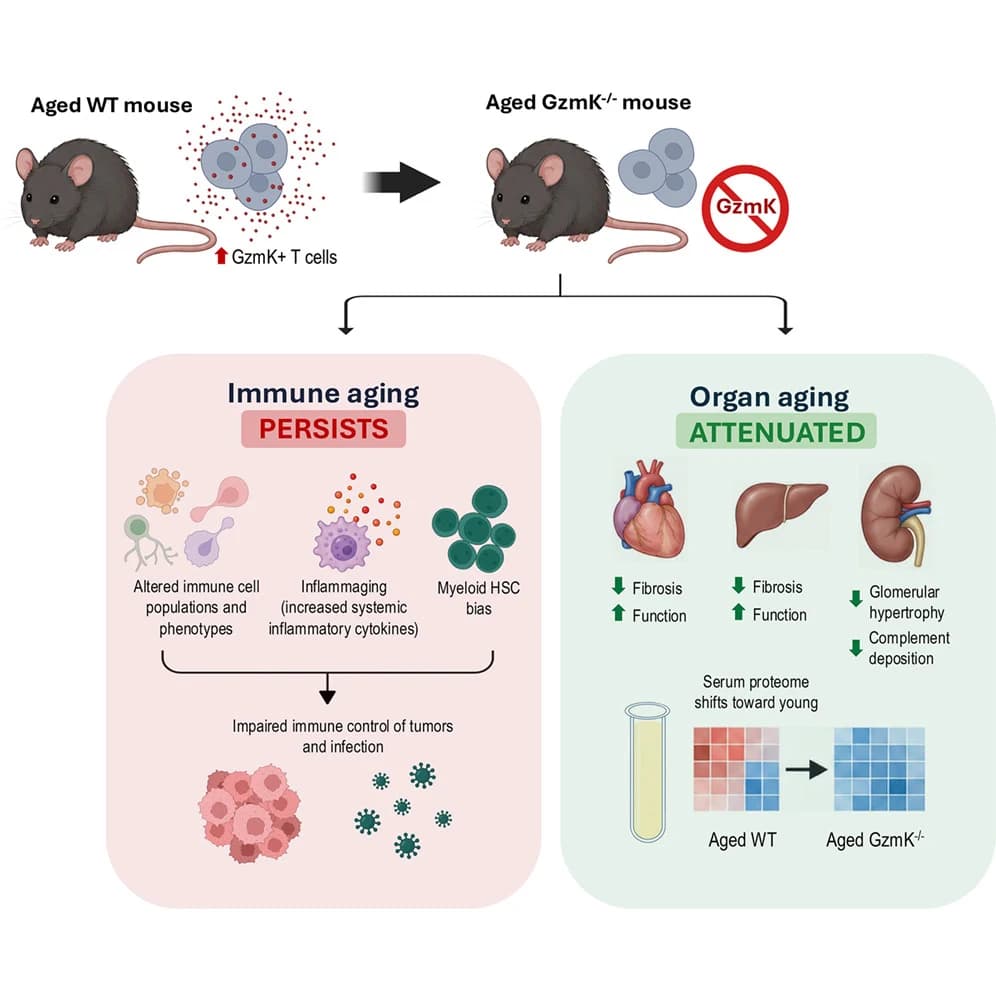
    Loss of an enzyme reduced age-related tissue decline in mice

    Experiments in young and aged mice lacking a protein-cutting enzyme found less organ aging despite persistent signs of immune aging.Experiments in young and aged mice lacking a protein-cutting enzyme found less organ aging despite persistent signs of immune aging. Mice without the enzyme still showed major features of immune aging, including impaired function…

    Figure from Immunity
    Mouse studyMechanisms
    Who was studiedYoung and aged mice
    What changedAge-related organ decline decreased in mice lacking granzyme K throughout life
    The catchOnly lifelong enzyme loss was studied, not blocking granzyme K after tissue aging began
    Paper
    Circulation Research·Nov 12

    Restoring an enzyme improved blood vessel function in aged mice

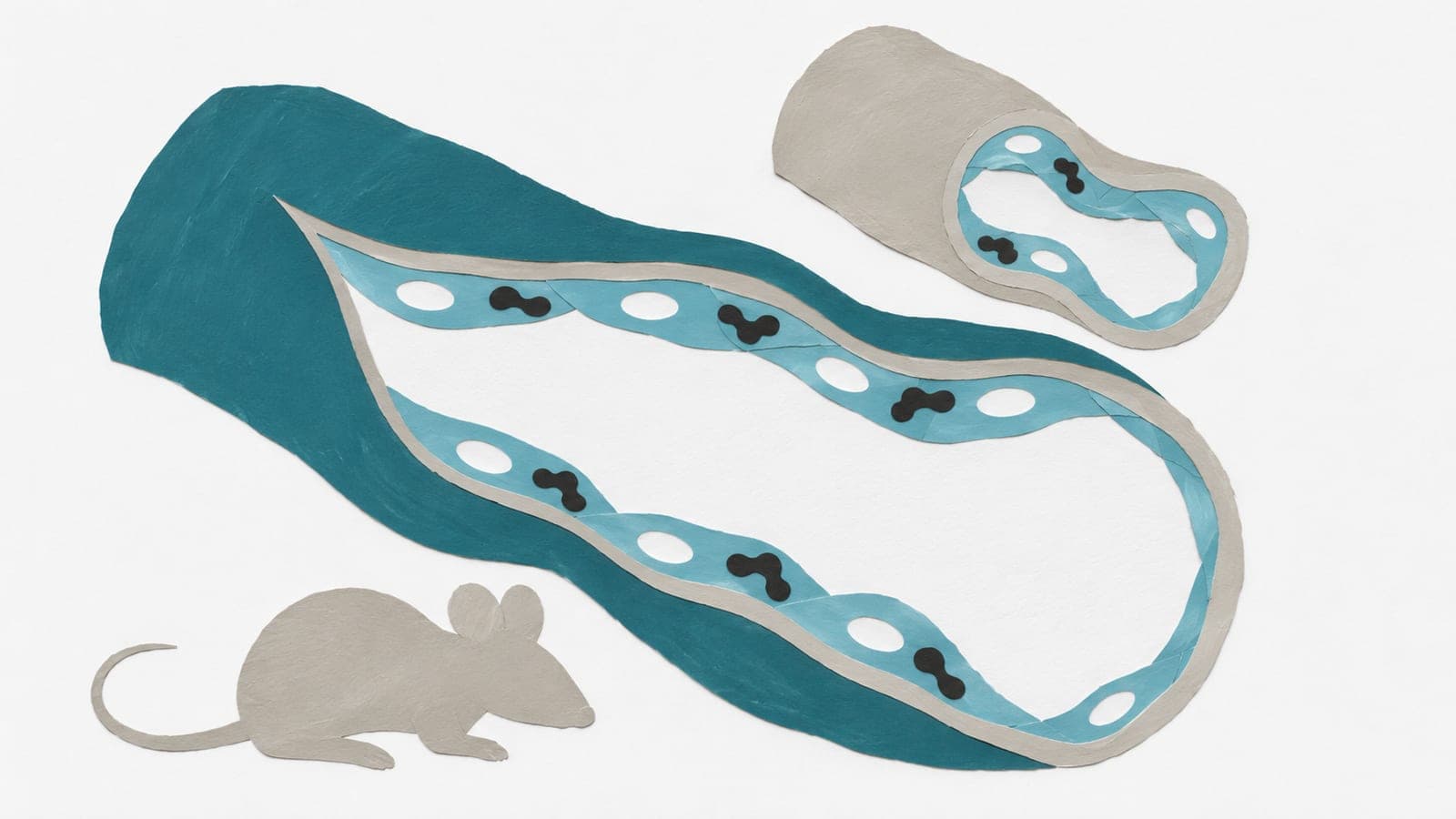
    Restoring the enzyme NNMT in cells lining blood vessels improved vessel widening and reduced arterial stiffness in aged mice; lowering NNMT worsened both.Restoring the enzyme NNMT in cells lining blood vessels improved vessel widening and reduced arterial stiffness in aged mice; lowering NNMT worsened both.

    An opened dark blue-green artery with a wide lumen and enzyme-rich lining sits beside a narrower gray artery with fewer enzymes and a laboratory mouse.
    Mouse studyInterventions
    Who was studiedAged mice
    What changedRestoring NNMT improved blood vessel widening and reduced arterial stiffness in aged mice
    The catchThe experiments measured vessel widening and stiffness, not heart attacks or strokes
    Paper
    Research Square·Nov 12

    Effects of low-dose sildenafil on survival and age-associated phenotypes in the African turquoise killifish

    Preprint: experiments in killifishInterventions
    Paper
    Philosophical Transactions of the Royal Society of London, Series B·Nov 12

    Deleting a gene preserved muscle strength in female mice

    Female mice with a muscle-specific gene deletion retained strength and had an 11% longer median lifespan than female controls.Female mice with a muscle-specific gene deletion retained strength and had an 11% longer median lifespan than female controls. Terf2 encodes TRF2, a protein that protects chromosome ends.

    HSA-Cre+/–; Terf2f/f mice do not undergo the skeletal muscle fibre ageing-related switch.
    Mouse studyMuscle
    Who was studiedAged female mice, against control mice
    What changedAged female mice lacking muscle Terf2 preserved muscle strength compared with control mice
    The catchDeletion began early in life; effects of starting during aging were not measured
    Paper
    Philosophical Transactions of the Royal Society of London, Series B·Nov 12

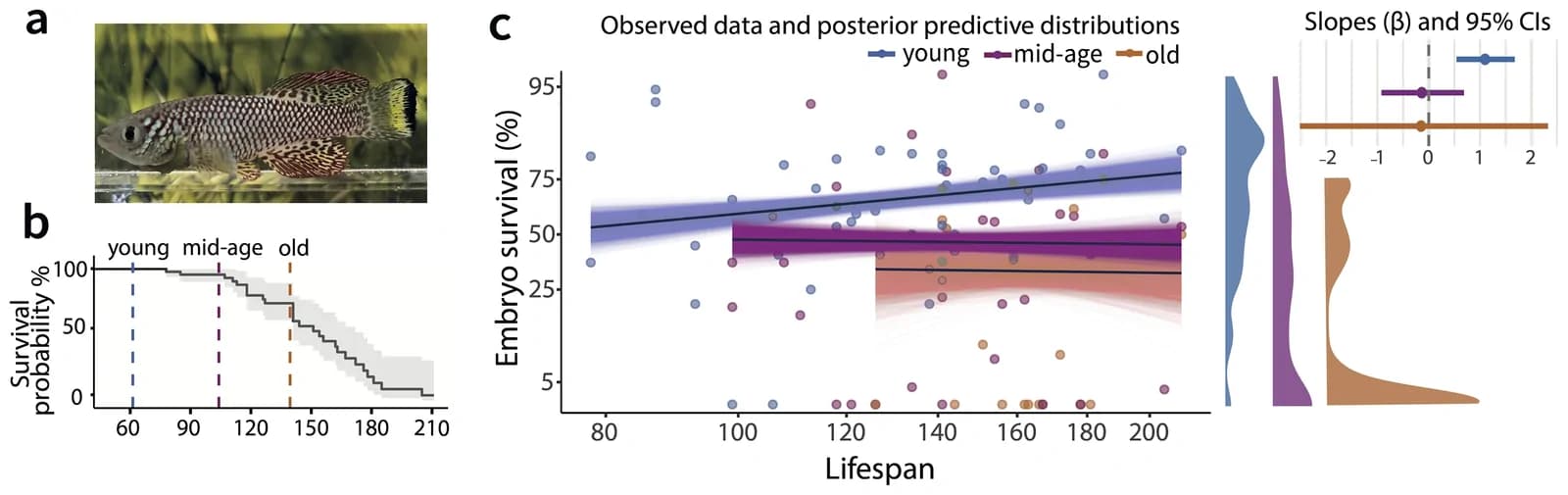
    Early reproductive success predicts lifespan in male killifish

    A laboratory experiment used sperm collected from male fish at three ages to assess reproduction, finding no trade-off between early reproductive success and lifespan.A laboratory experiment used sperm collected from male fish at three ages to assess reproduction, finding no trade-off between early reproductive success and lifespan.

    Male reproductive success decreases with age and does not trade off with lifespan.
    Fish study · 48 fishMechanisms
    Who was studied48 male turquoise killifish, throughout life
    What changedMale killifish with higher early-life embryo survival lived longer
    The catchReproductive success was represented by embryo survival 72 hours after fertilization
    Paper
    Ecotoxicology and Environmental Safety·Nov 12

    Flame retardant exposure in male mice shortened offspring lives

    After six months of oral exposure in male mice, their first-generation offspring developed aging-like tissue changes and had shorter lifespans.After six months of oral exposure in male mice, their first-generation offspring developed aging-like tissue changes and had shorter lifespans.

    Figure from Ecotoxicology and Environmental Safety
    Mouse studyMechanisms
    Who was studiedOffspring of male mice, against offspring of unexposed male mice
    What changedOffspring of exposed male mice had shorter lifespans than offspring of unexposed males
    The catchMice received controlled oral doses rather than ordinary environmental exposure
    Paper
    iScience·Nov 12

    Aging alters metabolism in some gut immune cells

    Some immune cells in the small intestine showed metabolic changes with aging, while those in the colon were relatively resistant to fat buildup.Some immune cells in the small intestine showed metabolic changes with aging, while those in the colon were relatively resistant to fat buildup. These cells help regulate the gut’s nerve and muscle function.

    Figure from iScience
    Experiments in animalsLipid and ceramide metabolism
    Who was studiedGut muscularis macrophages, against colon macrophages
    What changedFat buildup increased with aging in selected small-intestine macrophages, while colon macrophages were relatively resistant
    The catchColon macrophages were relatively resistant, so the metabolic changes were not consistent across gut regions
    Paper

    Wed, Nov 113 papers

    Nature·Nov 11

    Immune signal keeps brown fat in a low-heat state in mice

    Blocking a hormone receptor for one week restored heat production in mice aged 70–75 weeks, as experiments traced immune control of brown fat.Blocking a hormone receptor for one week restored heat production in mice aged 70–75 weeks, as experiments traced immune control of brown fat.

    H6PD protein expression is enriched in BA-L cells.
    Mouse studyImmune response
    Who was studiedC57BL/6J mice, against cells farther from IL-1β puncta
    What changedBrown fat cells near IL-1β stayed in a lower-heat state than cells farther away
    The catchOnly rectal temperature measurements were blinded; brown fat cell assessments were not
    Paper
    bioRxiv·Nov 11

    Heavier male mice had larger lifespan gains from interventions

    For weight-lowering interventions, median lifespan gains over controls rose from 6.2% in the lightest quarter of males to 20.2% in the heaviest.For weight-lowering interventions, median lifespan gains over controls rose from 6.2% in the lightest quarter of males to 20.2% in the heaviest.

    A broad-bodied mouse sits among many dark blue-green mice, fewer heavy gray mice, and equally sized groups of slender mice above.
    Preprint: mouse study · 33,780 miceInterventions
    Who was studied33,780 mice allowed to eat freely, against male mice in lightest weight quartile
    What changedWith weight-lowering interventions, male mice's median lifespan gains over controls rose from 6.2% in the lightest quarter to 20.2% in the heaviest
    The catchPoor control health could inflate apparent lifespan benefits in heavier mice
    Paper
    Communications Biology·Nov 11

    Aging in mice linked to brain clock changes and weaker rhythms

    A study comparing young and aged mice found weaker two- to six-hour cycles in movement and body temperature, alongside changes in the brain’s daily clock.A study comparing young and aged mice found weaker two- to six-hour cycles in movement and body temperature, alongside changes in the brain’s daily clock.

    Figure from Communications Biology
    Mouse studyMechanisms
    Who was studiedYoung and aged mice, against young mice
    What changedAged mice had weaker two- to six-hour rhythms in movement and body temperature than young mice
    The catchBrain changes and rhythm changes were not measured in the same mice
    Paper

    Tue, Nov 102 papers

    Molecular Therapy Nucleic Acids·Nov 10

    Combination gene therapy extended lifespan in aged obese mice

    Over 70 weeks of follow-up, aged obese mice given the combination had a 60% increase in lifespan compared with mice given control viral carriers.Over 70 weeks of follow-up, aged obese mice given the combination had a 60% increase in lifespan compared with mice given control viral carriers.

    Figure from Molecular Therapy Nucleic Acids
    Mouse studyInterventions
    Who was studiedAged obese mice, 70-week follow-up, against mice given control viral carriers
    What changedLifespan increased by 60% in aged obese mice given combination gene therapy compared with mice given control viral carriers
    Paper
    GeroScience·Nov 10

    DNA clock predicted remaining lifespan in zebra finches

    A longitudinal study of 50 captive adults linked faster increases in DNA-based age to shorter lifespans.A longitudinal study of 50 captive adults linked faster increases in DNA-based age to shorter lifespans. Fifty captive adult zebra finches (Taeniopygia castanotis) were monitored until natural death in a longitudinal study of DNA…

    Figure from GeroScience
    Cohort studyBiomarkers
    Who was studied50 captive adult zebra finches, until natural death
    What changedThe DNA clock predicted zebra finches' remaining lifespan with a median absolute error of 1.75 years
    The catchOnly 50 birds contributed to the remaining-lifespan clock
    Paper

    Mon, Nov 94 papers

    bioRxiv·Nov 9

    Pseudo-observations of longevity improve detection of resilience-associated genes in the Radiation Late Effects Cohort of rhesus macaques

    Preprint: experiments in monkeysMechanisms
    Paper
    bioRxiv·Nov 9

    Restoring a gene regulator reduced liver fat in aged mice

    Experiments in young and aged mice identified a liver protein whose restoration reduced fat buildup but did not consistently reverse inflammation-related gene activity.Experiments in young and aged mice identified a liver protein whose restoration reduced fat buildup but did not consistently reverse inflammation-related gene activity.

    Liver cells with sparse or crowded fat droplets sit beside a laboratory mouse, with dark inflammatory cells surrounding both groups.
    Preprint: mouse studyEpigenetic regulation of gene expression
    Who was studiedYoung and aged mice
    What changedRestoring HNF4 in aged mice reduced liver fat
    The catchRestoring HNF4 did not consistently reverse inflammation-related gene activity
    Paper
    Renal Failure·Nov 9

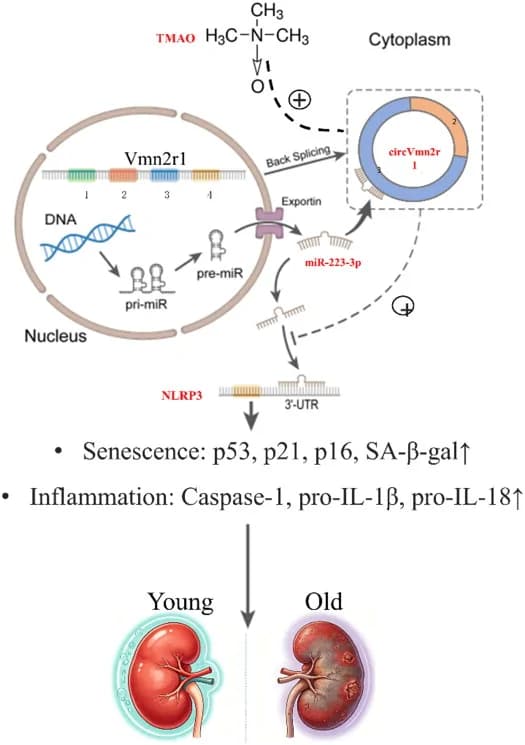
    Gut microbe-derived compound promotes kidney aging in mice

    Reducing a circular RNA weakened the compound’s effects in male mice given it in drinking water for 16 weeks.Reducing a circular RNA weakened the compound’s effects in male mice given it in drinking water for 16 weeks. Male C57BL/6J mice purchased at eight weeks old were randomly assigned to groups of six in an animal experiment.

    Figure from Renal Failure
    Mouse studyKidney
    Who was studiedMale C57BL/6J mice, 16 weeks, against control mice
    What changedKidney aging markers were higher in TMAO-treated mice than in control mice
    The catchOnly 4 mice per group contributed to the kidney senescence analyses
    Paper
    AHA Scientific Sessions 2026 Abstract·Nov 9

    Vessel lining cells show more damage in progeria mice

    Restoring vessel-lining function was linked to better liver and kidney function and longer lifespan in mice modeling the premature-aging disorder.Restoring vessel-lining function was linked to better liver and kidney function and longer lifespan in mice modeling the premature-aging disorder.

    Blood vessel cutaways show a gapped lining beside a closely joined lining, with a laboratory mouse and a dark ring nearby.
    Mouse studyProgeria
    Who was studiedHGPS mice, against VSMCs
    What changedDNA damage, telomere erosion, and senescence markers were more pronounced in vessel lining cells than in vessel muscle cells
    The catchThe conference abstract gives no mouse group sizes, treatment dose, or lifespan effect size
    Paper

    Sat, Nov 71 paper

    Aging Cell·Nov 7

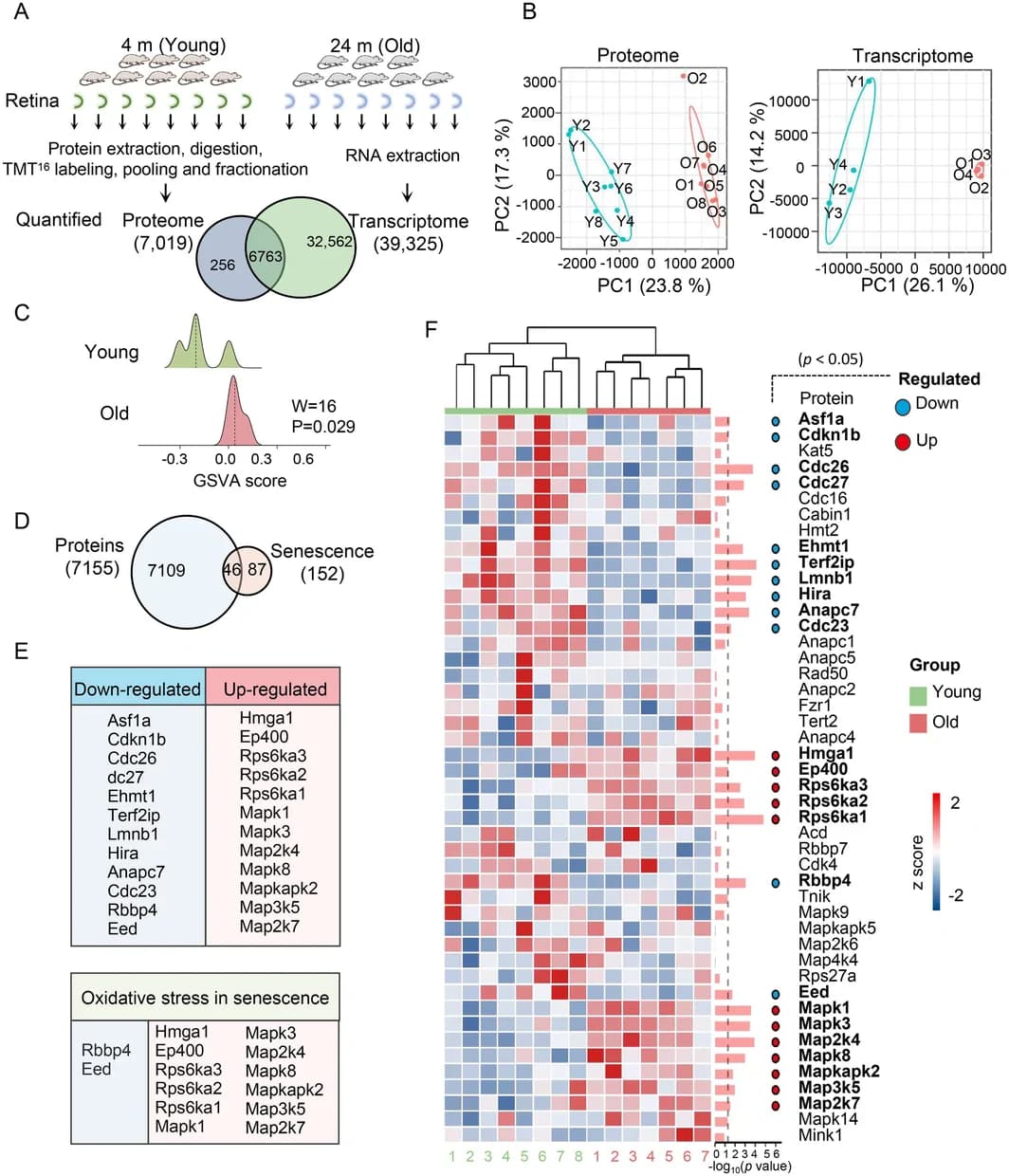
    Protein helped drive senescence in lab-grown human eye cells

    Experiments implicated a gene-regulating protein in senescence, a state in which cells stop dividing, in human retinal cells grown in the lab.Experiments implicated a gene-regulating protein in senescence, a state in which cells stop dividing, in human retinal cells grown in the lab.

    Integrated proteomic and transcriptomic profiling of retinal aging.
    Human cell studyCellular senescence
    Who was studiedHuman retinal pigment epithelial cells, against control ARPE-19 cells
    What changedEye cells producing extra STAT1 had more signs of senescence than control cells
    The catchSenescence was inferred from markers rather than measured as permanent growth arrest
    Paper

    Fri, Nov 6

    bioRxiv·Nov 6

    Aging was most strongly linked to brain protein changes in mice

    A laboratory analysis across the mouse lifespan linked aging to broader brain protein changes than amyloid-beta pathology, which modified selected age-related processes.A laboratory analysis across the mouse lifespan linked aging to broader brain protein changes than amyloid-beta pathology, which modified selected age-related processes.

    Mouse brain tissue with branching neurons and mitochondria, with fewer inner folds and denser support cells near a dark plaque; a mouse sits below.
    Preprint: mouse studyMechanisms
    Who was studiedWild-type and 5xFAD mice
    What changedAging was linked to broader brain protein changes than amyloid-beta pathology
    The catchThe analysis reports protein patterns, not changes in memory or brain function
    Paper
    Aging Cell·Nov 6

    Growth signaling raises inflammatory gene activity in old mice

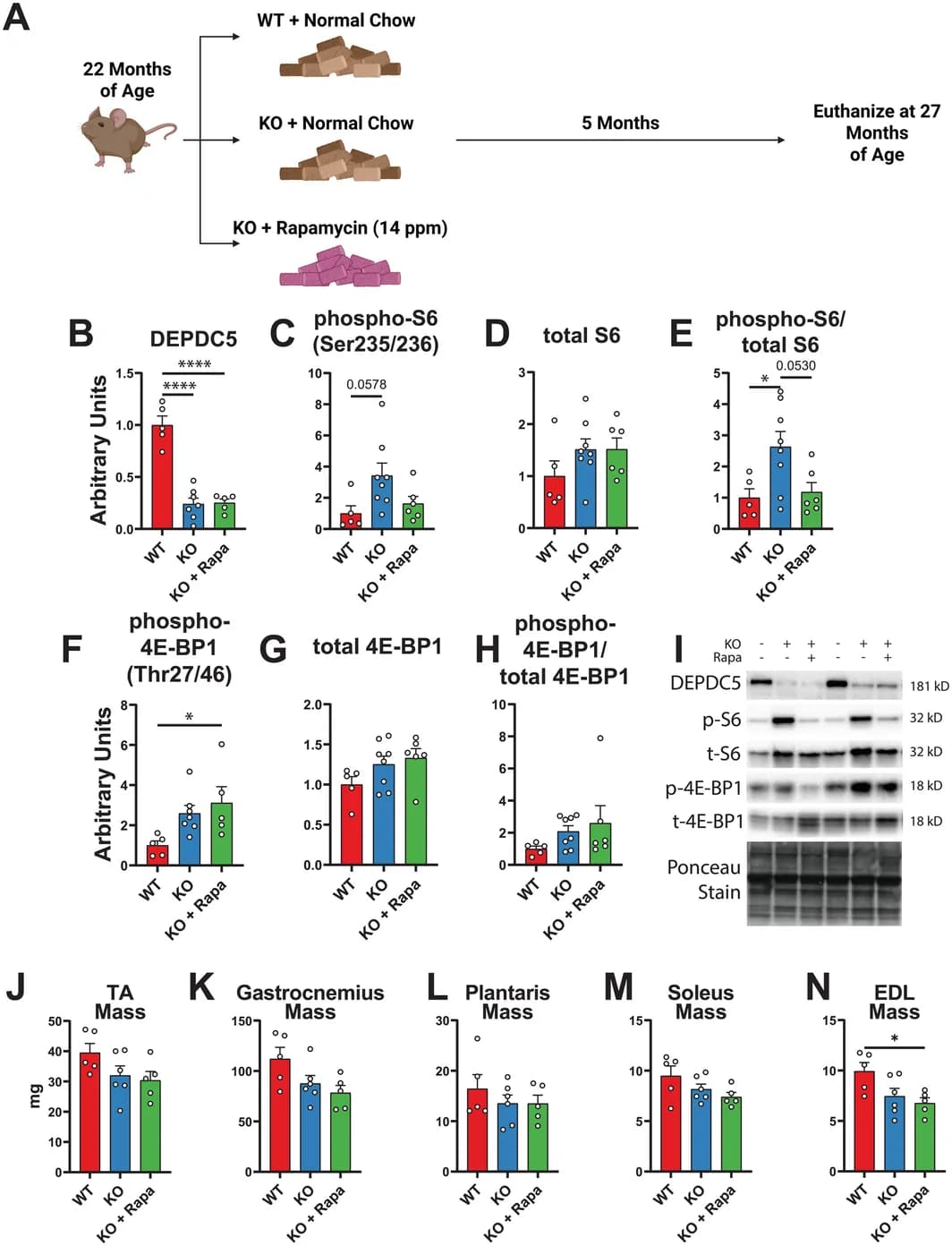
    In 27-month-old mice, sustained growth signaling increased inflammatory gene activity, which five months of dietary rapamycin did not suppress.In 27-month-old mice, sustained growth signaling increased inflammatory gene activity, which five months of dietary rapamycin did not suppress.

    Depdc5 KO increases phosphorylation of downstream targets of mTORC1 in aged mice, which is partially restored by rapamycin.
    Mouse studymTOR signaling
    Who was studiedAged female and male mice, 5 months, against age-matched control mice
    What changedInflammatory gene activity was higher in aged Depdc5 knockout mice than in age-matched controls
    The catchDepdc5 knockout could raise inflammation through effects independent of mTORC1
    Paper
    Nature Aging·Nov 6

    Mineral supplement extends lifespan in male mice

    Older mice given vanadyl sulfate in drinking water for 13 weeks had better hanging endurance and less fat accumulation than controls.Older mice given vanadyl sulfate in drinking water for 13 weeks had better hanging endurance and less fat accumulation than controls. Male mice given oral vanadyl sulfate, a mineral dietary supplement, lived longer in animal…

    VS as a senolytic mitigates phenotypes of aging and diabetes and extends lifespan.
    Mouse studyInterventions
    Who was studiedAged male C57BL/6J mice, 3 months, against mice given normal water
    What changedMedian lifespan rose to 952 days with vanadyl sulfate, compared with 886.5 days with normal water
    The catchThe lifespan test included only 19 treated mice and 20 mice receiving normal water
    Paper
    Metabolism·Nov 6

    Blocking a brain signal restored activity in older mice

    In mouse experiments, blocking serotonin, a brain signaling chemical, from acting in one brain region restored youthful activity levels and strength.In mouse experiments, blocking serotonin, a brain signaling chemical, from acting in one brain region restored youthful activity levels and strength.

    Figure from Metabolism
    Mouse studyMechanisms
    Who was studiedOlder mice
    What changedBlocking serotonin in the ventral tegmental area restored youthful physical activity levels in older mice
    The catchThe text does not report how long restored activity lasted
    Paper
    Aging Cell·Nov 6

    Fasting schedule extends life and improves swimming in killifish

    Median lifespan rose 41.8% versus daily feeding when males and females were analyzed together, while older fish of both sexes swam faster.Median lifespan rose 41.8% versus daily feeding when males and females were analyzed together, while older fish of both sexes swam faster. Male and female African turquoise killifish of the GRZ strain were randomly assigned at 30…

    Optimisation of intermittent fasting method and trade‐offs of longevity.
    Fish studyInterventions
    Who was studiedMale and female African turquoise killifish, lifelong, against daily-fed control fish
    What changedFasting increased median lifespan by 53.08% in males and 21.18% in females compared with daily feeding
    The catchReduced calorie intake could explain benefits attributed to fasting timing
    Paper
    Rinsho Ketsueki·Nov 6

    Antioxidant proteins help blood-forming stem cells in mice

    An experiment in genetically altered mice found that limiting the buildup of chemically altered fats helped maintain blood stem-cell properties and immune-cell…An experiment in genetically altered mice found that limiting the buildup of chemically altered fats helped maintain blood stem-cell properties and immune-cell development.

    Blood-forming stem cells beside a mouse show sparse dark flecks with many nearby immune cells versus dense flecks with fewer immune cells.
    Mouse studyMechanisms
    Who was studiedMice lacking the Trsp gene
    What changedSelenoproteins helped maintain blood-forming stem-cell properties and supported B lymphocyte development
    The catchThe experiment disrupted selenoprotein production, without measuring whether restoration reverses age-related blood changes
    Paper
    Phytotherapy Research·Nov 6

    6-Shogaol restores bone-forming ability in aged mouse cells

    Aged mouse bone marrow stem cells treated for 48 hours in lab experiments broke down more fatty acids and regained the ability to develop into bone-forming cells.Aged mouse bone marrow stem cells treated for 48 hours in lab experiments broke down more fatty acids and regained the ability to develop into bone-forming cells.

    Figure from Phytotherapy Research
    Animal cell studyBones and joints
    Who was studiedSenescent mouse bone marrow mesenchymal stem cells, against untreated senescent cells
    What changed6-Shogaol improved mineral formation in senescent mouse bone marrow cells compared with untreated senescent cells
    The catchCell bone-forming ability was inferred from mineralization staining and osteogenic markers
    Paper