Immune signal keeps brown fat in a low-heat state in mice
Blocking a hormone receptor for one week restored heat production in mice aged 70–75 weeks, as experiments traced immune control of brown fat.
Our read
Mechanisms- Studied:
- Experiments in C57BL/6J mice, against cells farther from IL-1β puncta
- What changed:
- Brown fat cells near IL-1β stayed in a lower-heat state than cells farther away
- The catch:
- Only rectal temperature measurements were blinded; brown fat cell assessments were not
Editor of record: Boris Djordjevic · AgingResearch.News
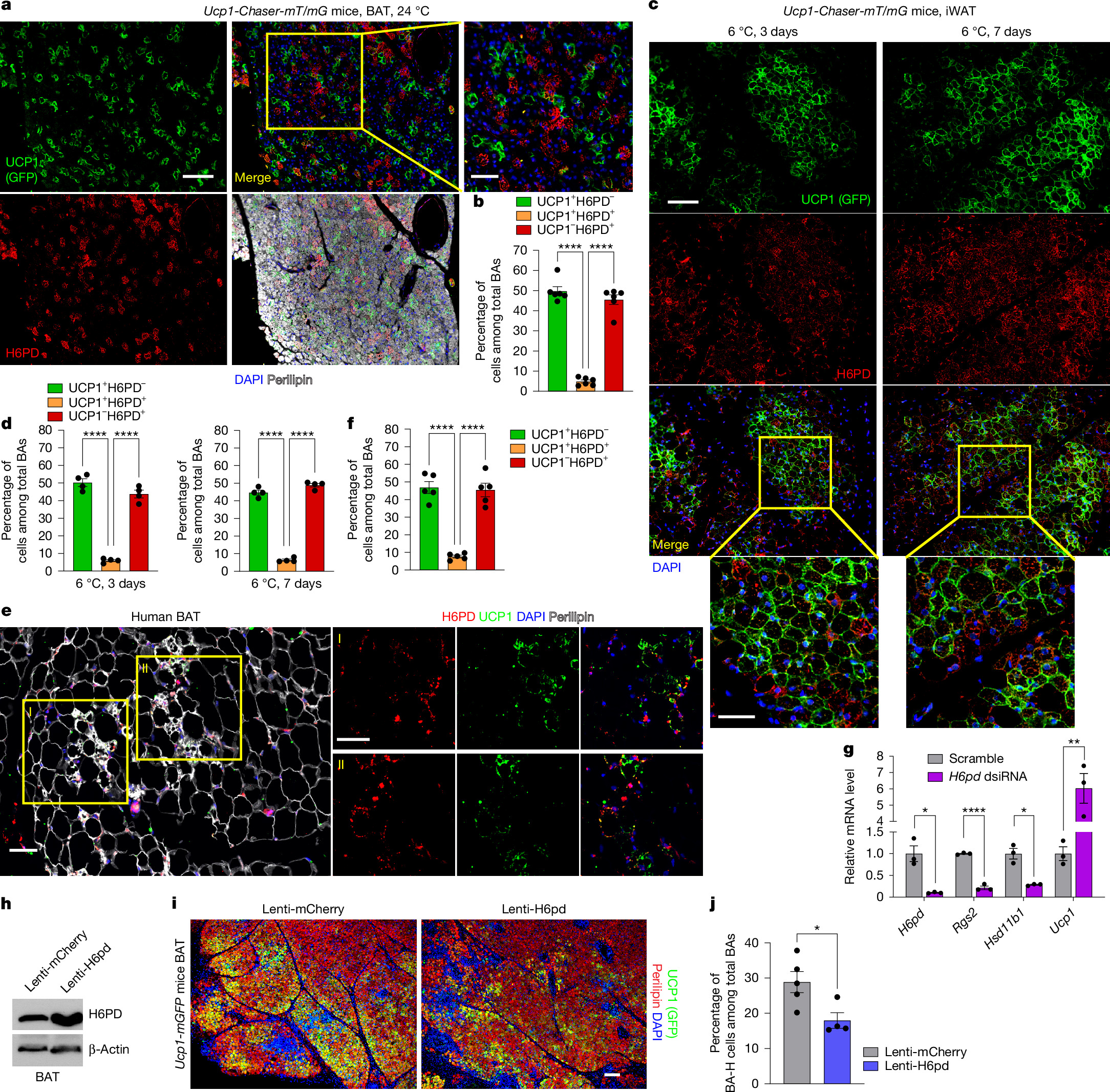
C57BL/6J mice were studied in experiments on how brown fat cells switch between states that produce more or less heat. Interleukin-1 beta, an immune signal, kept nearby cells in a state with little UCP1, a protein that helps generate heat. The signal supported production of active glucocorticoid hormones, which activated a receptor that suppressed UCP1. Cold exposure reduced the immune signal through nerve activity, allowing cells to switch states and produce more heat. Warming triggered the opposite changes.
Aged mice had more of the immune signal in brown fat and tolerated cold poorly. Suppressing the hormone receptor restored the balance between cell states and heat production, and increased energy use. Experiments included mice aged 70–75 weeks given the receptor-blocking drug mifepristone at 60 milligrams per kilogram daily for one week.
Why it matters
Age-related declines in heat production contribute to cold sensitivity. The work offers a mechanism for investigating why brown fat becomes less responsive to cold with age.
Caveats
The experiments in C57BL/6J mice leave open whether the same immune–hormone switch controls cold sensitivity in older people.
The paper
Bistable regulation of adipocyte heterogeneity governs thermogenesis
Nature, Nov 11, 2026, Open access, CC BY

Comments
Be the first to comment.