DNA clock predicted remaining lifespan in zebra finches
A longitudinal study of 50 captive adults linked faster increases in DNA-based age to shorter lifespans.
Our read
Biomarkers- Studied:
- Cohort study of 50 captive adult zebra finches, until natural death
- What changed:
- A DNA-based clock successfully predicted how long zebra finches would live after sampling
- The catch:
- The clocks were developed using only 50 captive adult zebra finches
Editor of record: Boris Djordjevic · AgingResearch.News
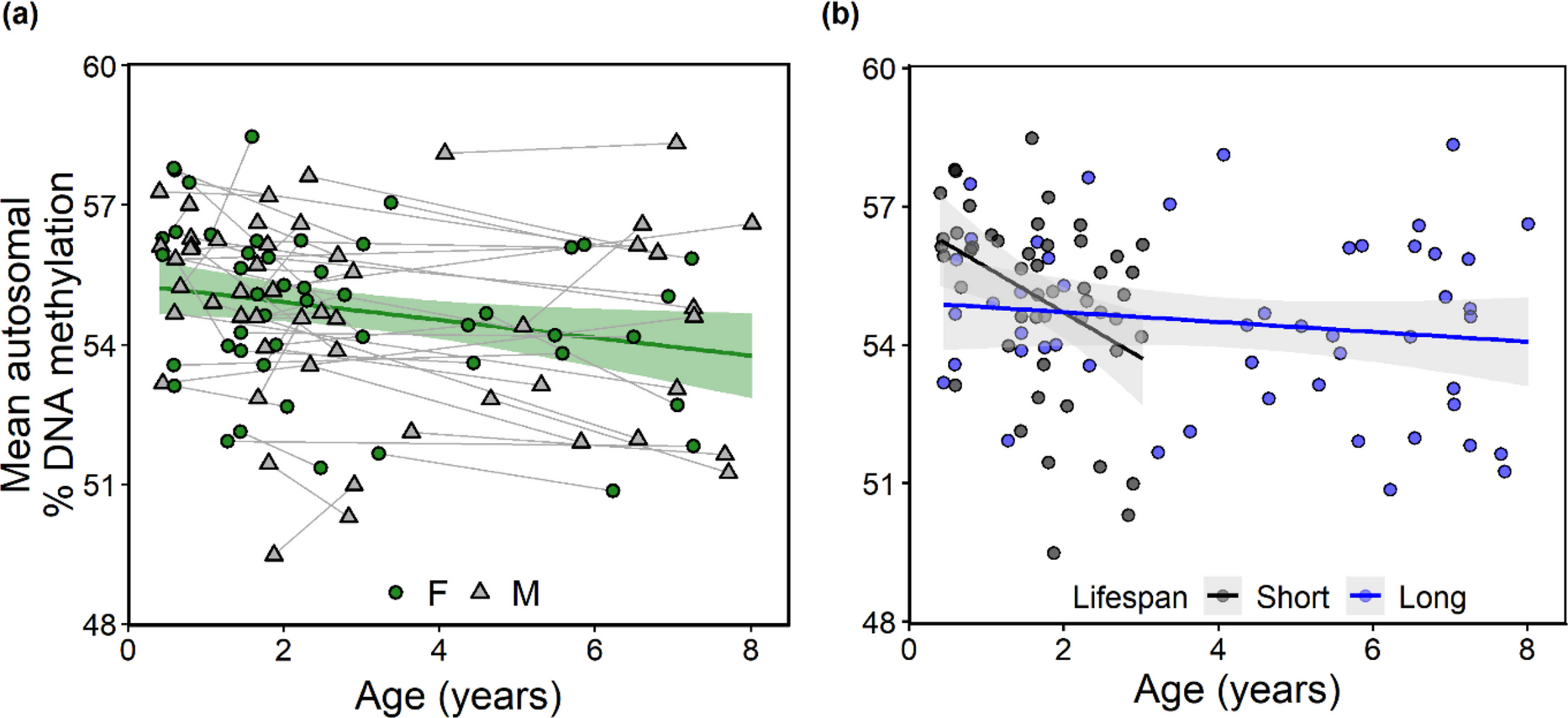
Fifty captive adult zebra finches (Taeniopygia castanotis) were monitored until natural death in a longitudinal study of DNA methylation, a form of chemical marking on DNA. The researchers analyzed 100 genome-wide profiles collected over time. Methylation decreased across the genome with age and fell faster in birds with shorter lifespans.
A DNA-based clock—a calculation using methylation at 119 sites—estimated chronological age. Birds whose clock age rose faster had shorter lifespans. However, having an older clock age than expected for their chronological age did not predict lifespan or remaining lifespan. A separate “doom” clock, trained to predict how long birds would live after sampling, successfully predicted remaining lifespan.
Why it matters
Repeated measurements of DNA marks may help researchers study differences in how quickly birds age, rather than simply how many years they have lived.
Caveats
The clocks were developed using 50 captive adult zebra finches, leaving their performance in wild birds or other species open.
Where the evidence stands
DNA methylation
- 200 independent labs in 39 countries
- 19 findings against
- Funders: National Institutes of Health and others
- 43 of 403 findings with company ties

Comments
Be the first to comment.