Vessel lining cells show more damage in progeria mice
Restoring vessel-lining function was linked to better liver and kidney function and longer lifespan in mice modeling the premature-aging disorder.
Our read
Interventions- Studied:
- Experiments in HGPS mice, against VSMCs
- What changed:
- DNA damage, telomere erosion, and senescence markers were more pronounced in vessel lining cells than in vessel muscle cells
- The catch:
- The conference abstract gives no mouse group sizes, treatment dose, or lifespan effect size
Editor of record: Boris Djordjevic · AgingResearch.News
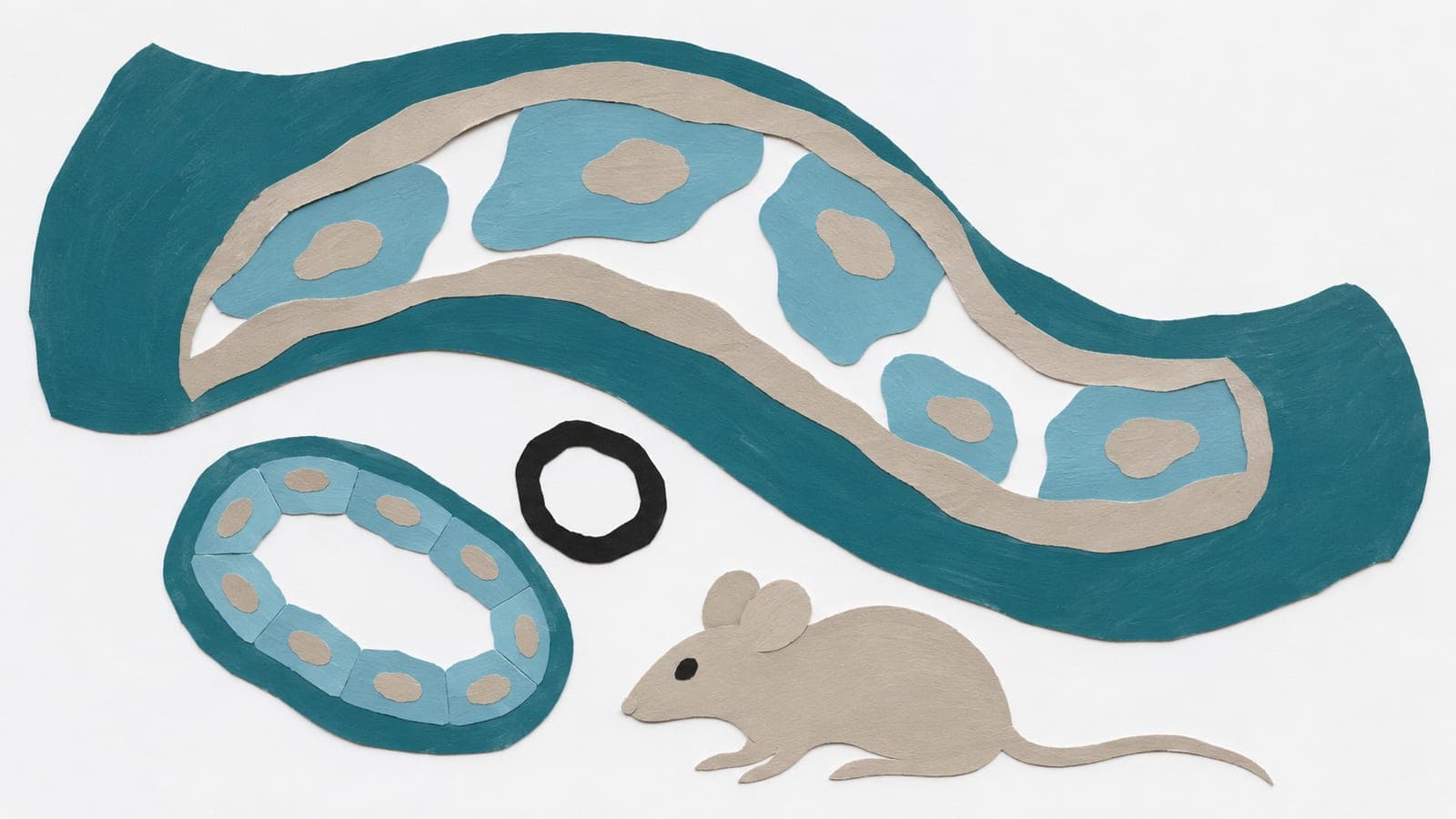
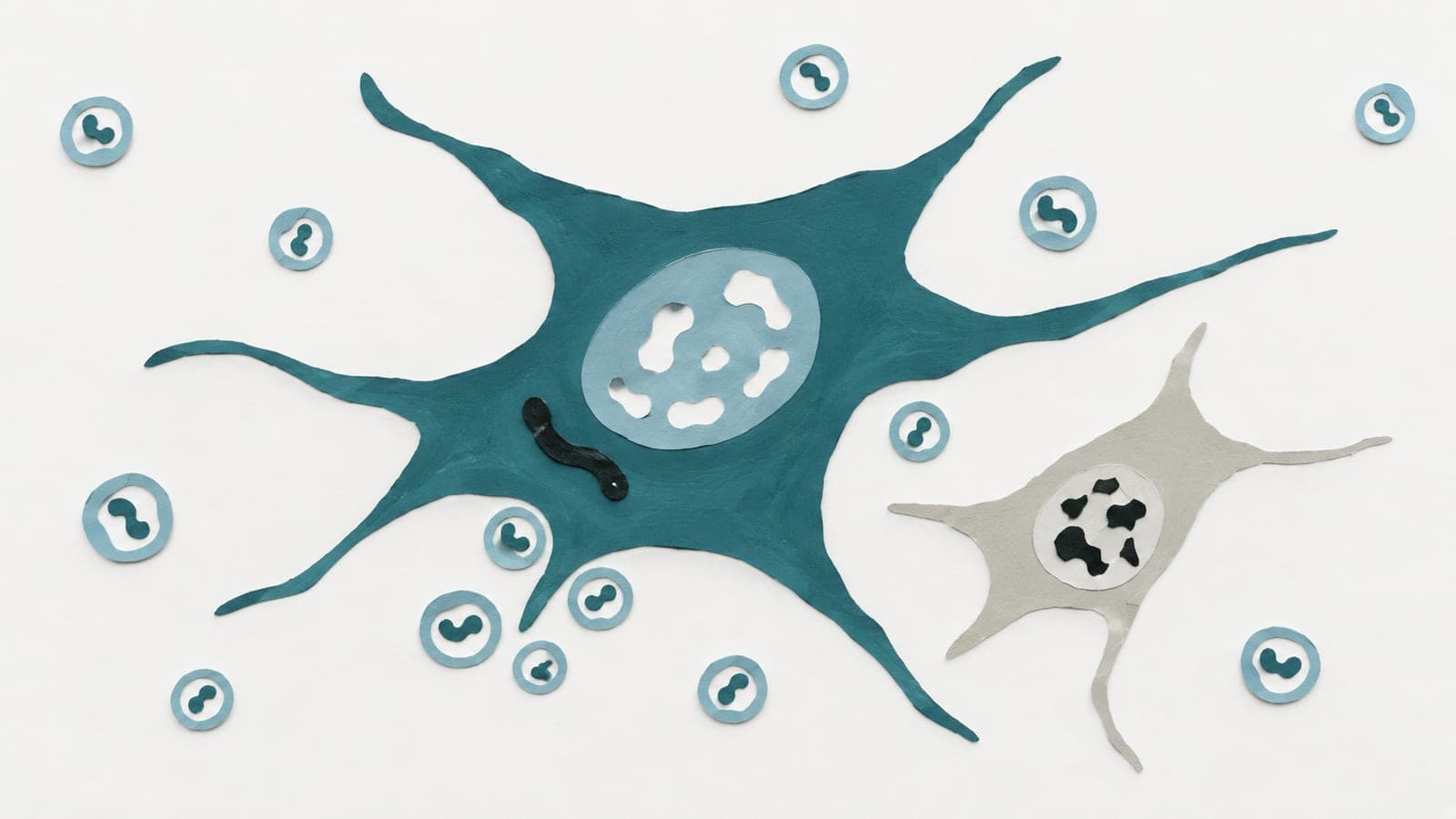
Mice modeling Hutchinson-Gilford progeria syndrome had more DNA damage, erosion of chromosome ends and signs of senescence—a state in which cells stop dividing—in blood-vessel lining cells than in vessel muscle cells. The laboratory experiments also used a three-dimensional system combining these cell types from people with progeria or unaffected individuals.
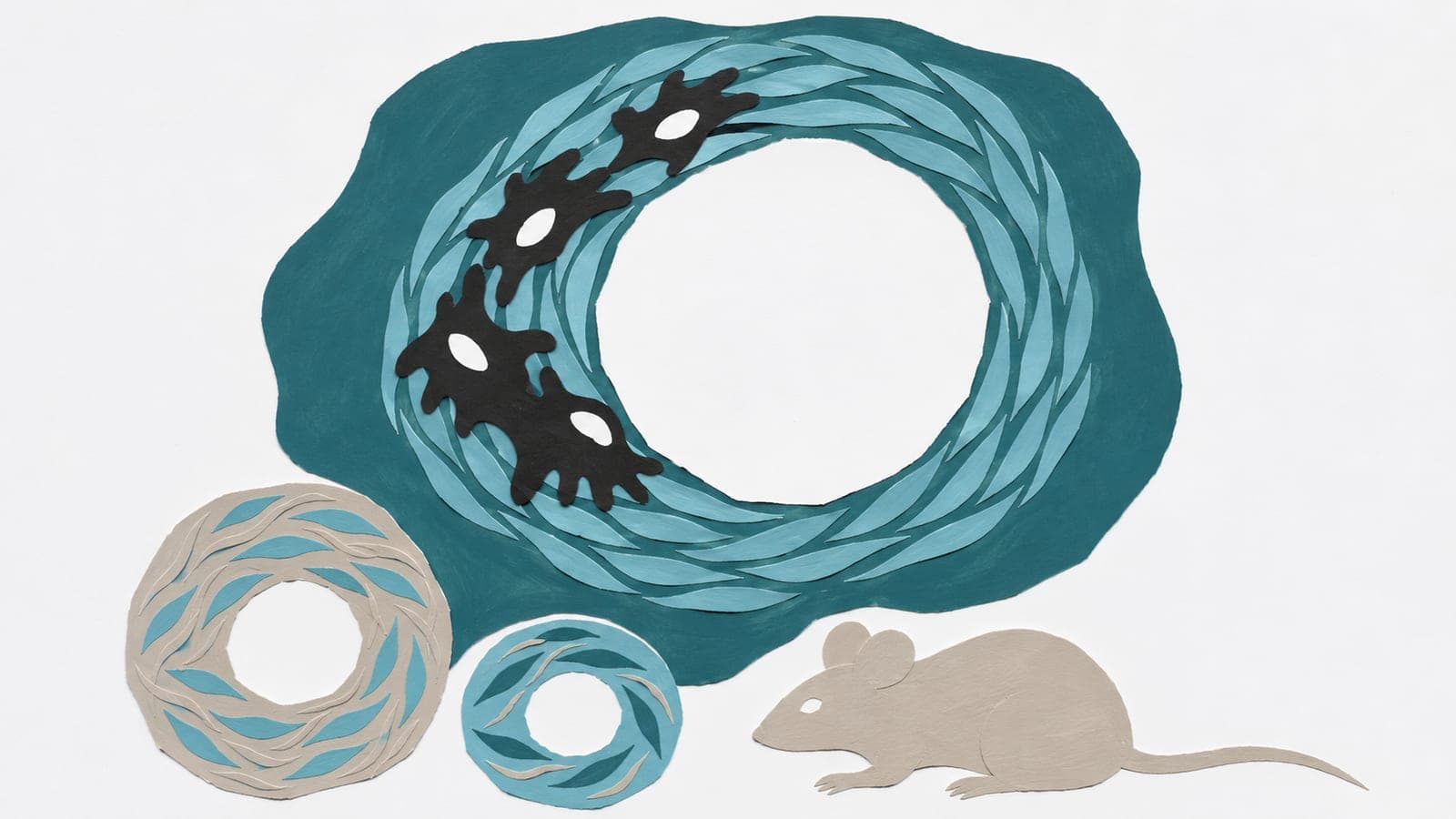
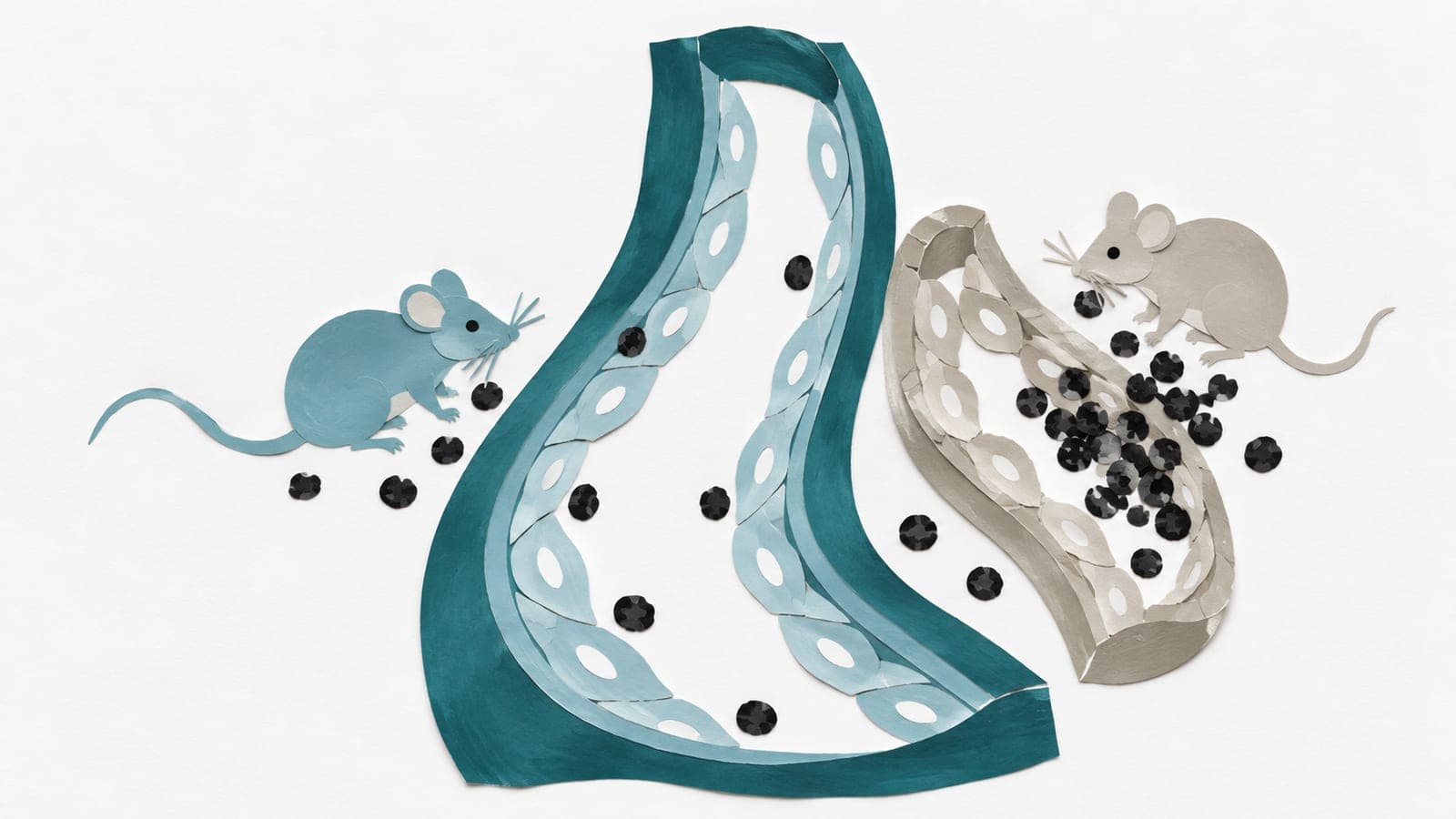
In that system, progeria lining cells disrupted the vessel barrier and induced senescence in normal vascular cells; progeria muscle cells did not. Restoring telomerase, an enzyme that maintains chromosome ends, specifically in lining cells restored the integrity of the model vessel’s inner channel. Targeting muscle cells had minimal effects. In mice, delivery throughout the body of ring-shaped RNA carrying instructions for telomerase reduced inflammatory activation and senescence in small liver and kidney vessels.
Why it matters
Progeria causes premature cardiovascular death. The authors suggest considering therapies aimed at the vessel lining for progeria and other forms of blood vessel aging.
Caveats
The results came from mice and a lab-grown cell system, not from treating people with progeria. The conference abstract gives no mouse group sizes, treatment dose or size of the lifespan effect.
The paper
A New Paradigm for Progeria Pathobiology with Therapeutic Implications for Vascular Aging
Houston Methodist
AHA Scientific Sessions 2026 Abstract, Nov 2, 2026
Presented at AHA Scientific Sessions 2026, abstract 5763
Comments
Be the first to comment.