Severe cell-recycling defects accelerated aging in mice
Mice engineered to lack three enzymes involved in cell recycling developed premature aging and markedly shorter lives.
Our read
Mechanisms- Studied:
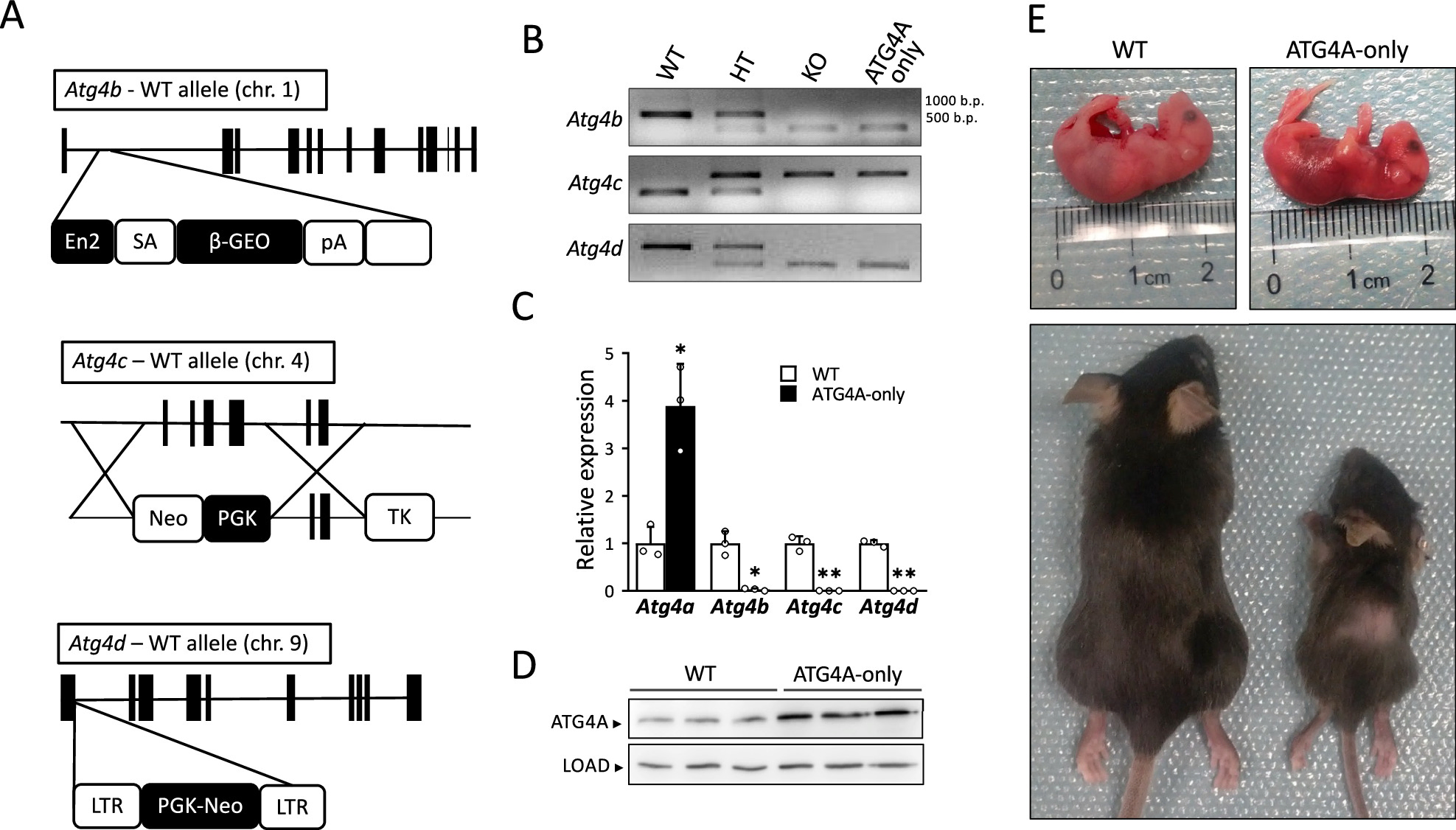
- Experiments in mice lacking ATG4B, ATG4C, and ATG4D
- What changed:
- Mice with severe cell-recycling defects had dramatically shorter lifespans
- The catch:
- Combined enzyme deletion models extreme autophagy loss rather than changes typical of normal aging
- In the record:
- One of 7 papers on ATG4A on record: none yet with results in people, 3 in animals.
Editor of record: Boris Djordjevic · AgingResearch.News
Mice engineered to lack three ATG4 enzymes, proteins involved in cell recycling, developed premature aging in an animal experiment. The mice retained only the fourth enzyme, ATG4A. This left them with severely impaired but not completely absent autophagy, the process cells use to break down and recycle their contents.
The mice had problems across multiple organ systems, increased DNA damage, widespread senescence—a state in which cells stop dividing—and disrupted metabolism. Their lifespans were dramatically shortened. Comparisons with other mice lacking ATG4 enzymes also showed that longevity tracked how much autophagy function remained.
Why it matters
Autophagy helps keep cells and tissues functioning. The work addresses how the capacity for this cellular upkeep shapes mammalian lifespan.
Caveats
Genetically engineered mice with severe autophagy impairment may not represent how this process changes during normal aging.
Where the evidence stands
ATG4A
- 2 independent labs in 1 country
- Funders: Biotechnology and Biological Sciences Research Council and 5 more
Autophagy
- 467 independent labs in 48 countries
- 85 findings against
- 1 trial
- Funders: National Natural Science Foundation of China and others
- 127 of 1,717 findings with company ties
Comments
Be the first to comment.