6-Shogaol restores bone-forming ability in aged mouse cells
Aged mouse bone marrow stem cells treated for 48 hours in lab experiments broke down more fatty acids and regained the ability to develop into bone-forming cells.
Our read
Interventions- Studied:
- Experiments in senescent mouse bone marrow mesenchymal stem cells, against untreated senescent cells (Randomized, blinded, dose-response)
- What changed:
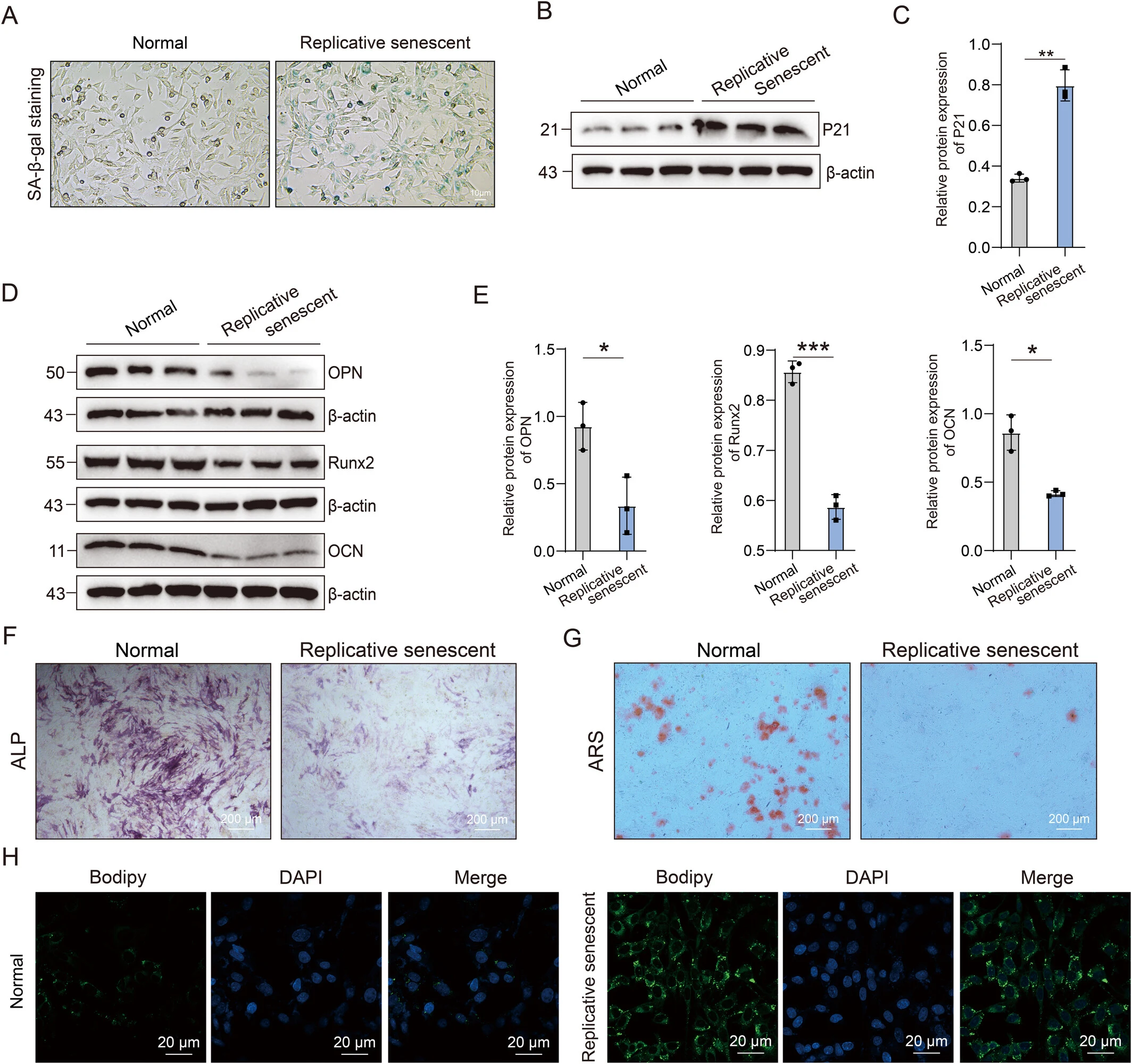
- 6-Shogaol improved mineral formation in senescent mouse bone marrow cells compared with untreated senescent cells
- The catch:
- Cell bone-forming ability was inferred from mineralization staining and osteogenic markers
- In the record:
- One of 6 papers on 6-shogaol on record: none yet with results in people, 5 in animals.
- Why it’s aging research:
- It studies organisms or tissues that aged naturally.
Editor of record: Boris Djordjevic · AgingResearch.News
Mouse bone marrow stem cells were studied in lab experiments that induced senescence, a state in which cells stop dividing, through repeated cell division or exposure to D-galactose. Treatment with 6-shogaol at 5 micromolar for 48 hours reduced fat accumulation and restored the cells’ ability to develop into bone-forming cells. The compound bound to CPT1A, an enzyme involved in breaking down fatty acids, and increased its activity by easing inhibition.
In a randomized, blinded animal experiment, 18-month-old male mice received 10 or 20 milligrams per kilogram of body weight daily by mouth for 90 days. Each treatment group contained six mice. Compared with saline-treated aged controls, treated mice had less bone loss and improved structure in the spongy interior of bone.
Why it matters
Age-related osteoporosis involves declining bone-forming capacity in marrow stem cells. The authors propose targeting these cells’ fatty-acid metabolism as a strategy against age-related bone loss.
Caveats
The animal results came from six male mice per group in one strain, not from people. A higher concentration in cells grown in the lab, 10 micromolar for 48 hours, reduced cell viability.
From the paper
- Limitation
First, although we have demonstrated that 6-Shogaol binds to Gln30 and increases its distance from Glu3, how this local conformational change is precisely transmitted to the distal MCoA binding site to reduce its affinity requires validation through more sophisticated structural biology approaches.
Quoted word for word from the full text on onlinelibrary.wiley.com.
The paper
Department of General Surgery Qilu Hospital of Shandong University Jinan China
Phytotherapy Research, Nov 5, 2026, Open access, CC BY-NC-ND

Comments
Be the first to comment.