Skip to content
AgingResearch.News app

AgingResearch.NewsFree on Google Play

Open app
AgingResearch.News
  • HomeHome
  • SearchSearch
  • AskAsk
  • FollowingFollowing
  • SavedSaved
Join freeSign inSign inSign in
AgingResearch.NewsJoin free
  • Top
  • Latest
  • For you

Latest: Most significant

Filter

Clear filters

Evidence

  • All
  • Prevention & practice
  • Human trials
  • Human studies
  • Animals
  • Model organisms
  • Cells
  • In silico
  • Reviews

Status

  • All
  • Peer-reviewed
  • Preprints
  • All
  • Most significant
  • All
  • Open access
  • All
  • Prevention & practice
  • Human trials
  • Human studies
  • Animals
  • Model organisms
  • Cells
  • In silico
  • Reviews
  • All
  • Most significant
  • All
  • Open access
Status
  • All
  • Peer-reviewed
  • Preprints
FooterIn your assistantComparePrivacyTermsAboutStandardsContactRSSPricingFollow on X© 2026 AgingResearch.News
Sidebar

    Join AgingResearch.News

    Free: every story, saved papers, follows, the weekly email and 3 questions a day to Ask.

    Continue with email

    By continuing, you agree to our Terms and Privacy Policy.

    News

    See allSee all news
    Engineered gut bacteria increase bile acid deconjugation, improving aged mice’s metabolic healthResearchGEN +5Engineered gut bacteria increase bile acid deconjugation, improving aged mice’s metabolic healthLater-born generations reach old age with better memory and slower declineResearchMedical Xpress +1Later-born generations reach old age with better memory and slower declineCastration at 240 days extends median lifespan 32.9% in male UM-HET3 miceResearchFight Aging! +1Castration at several ages extends male lifespan and reveals age-dependent effects of testicular factors on survival.

    Trials

    See allSee all trials
    Modulation Effects of Baduanjin Exercise on Subjective Cognitive DeclineResults posted Nov 6, 2026, Massachusetts General HospitalPsilocybin Effects on Healthy Aging Biomarkers and Purpose in LifePhase 1Now recruiting Nov 17, 2026, Charles RaisonPhase I Trial of a Single Administration of aKLmRNA-Mediated Protein Replacement TherapyPhase 1Now recruiting Nov 12, 2026, Klothea Bio Inc

    Trending

    See allSee all trending stories
    SLEEPGeneOlder adults had weaker brain fluid flow waves during sleepBilobetinInterventionBilobetin eased infection-driven immune aging in miceMizagliflozinInterventionFirst trial results posted: Effect of Mizagliflozin Repeat Dosing on Adverse Events and Postprandial Glucose…LY3437943InterventionFirst trial results posted: A Study of Retatrutide (LY3437943) on Renal Function in Participants With Overweight or…Royal jellyInterventionRoyal jelly increased stem cell activity in aged miceImmune responseProcessIn the news: 8 stories this week. Immune signal keeps brown fat in a low-heat state in mice, and 1 more story this week

    Topics

    See allSee all topics
    Mechanisms385Interventions828Biomarkers542Populations816AI & data163Industry & policy36SupplementsPeptidesProtocols
    Footer
    • In your assistant
    • Compare
    • Privacy
    • Terms
    • About
    • Standards
    • Contact
    • RSS
    • Follow on X
    • © 2026 AgingResearch.News

    TodayTue, Nov 17Tuesday, November 179 papers

    Nutrients·2 h

    Resistance Training Combined with Nutritional Supplementation in Older Adults with Sarcopenia: A Systematic Review and Meta-Analysis of Post-Exercise and Daily Supplementation Schedules

    Meta-analysis of randomized trialsResistance training
    Paper
    bioRxiv·3 h

    Gut nerve cells develop signs of cellular aging in mice

    At 24 months, approximately 25–30% of mouse gut nerve cells carried a marker of senescence, a state in which cells stop dividing.At 24 months, approximately 25–30% of mouse gut nerve cells carried a marker of senescence, a state in which cells stop dividing. Mice aged 2, 13–15 and 22–24 months were studied in experiments on nerve cells from the jejunum…

    Gut nerve cells spread across intestinal tissue, with sparse enlarged cells bearing dark clusters beside dense smaller cells and a laboratory mouse.
    Preprint: mouse studyGut and microbiome
    Who was studiedMice of different ages, against young mice
    What changedWith age, gut neurons developed aging signs: approximately 25-30% expressed the senescence marker p21 at 24 months
    The catchThe age-group comparisons did not assess whether senescence-like changes caused digestive problems
    Paper
    bioRxiv·4 h

    DNA differences linked to dog lifespan beyond breed size

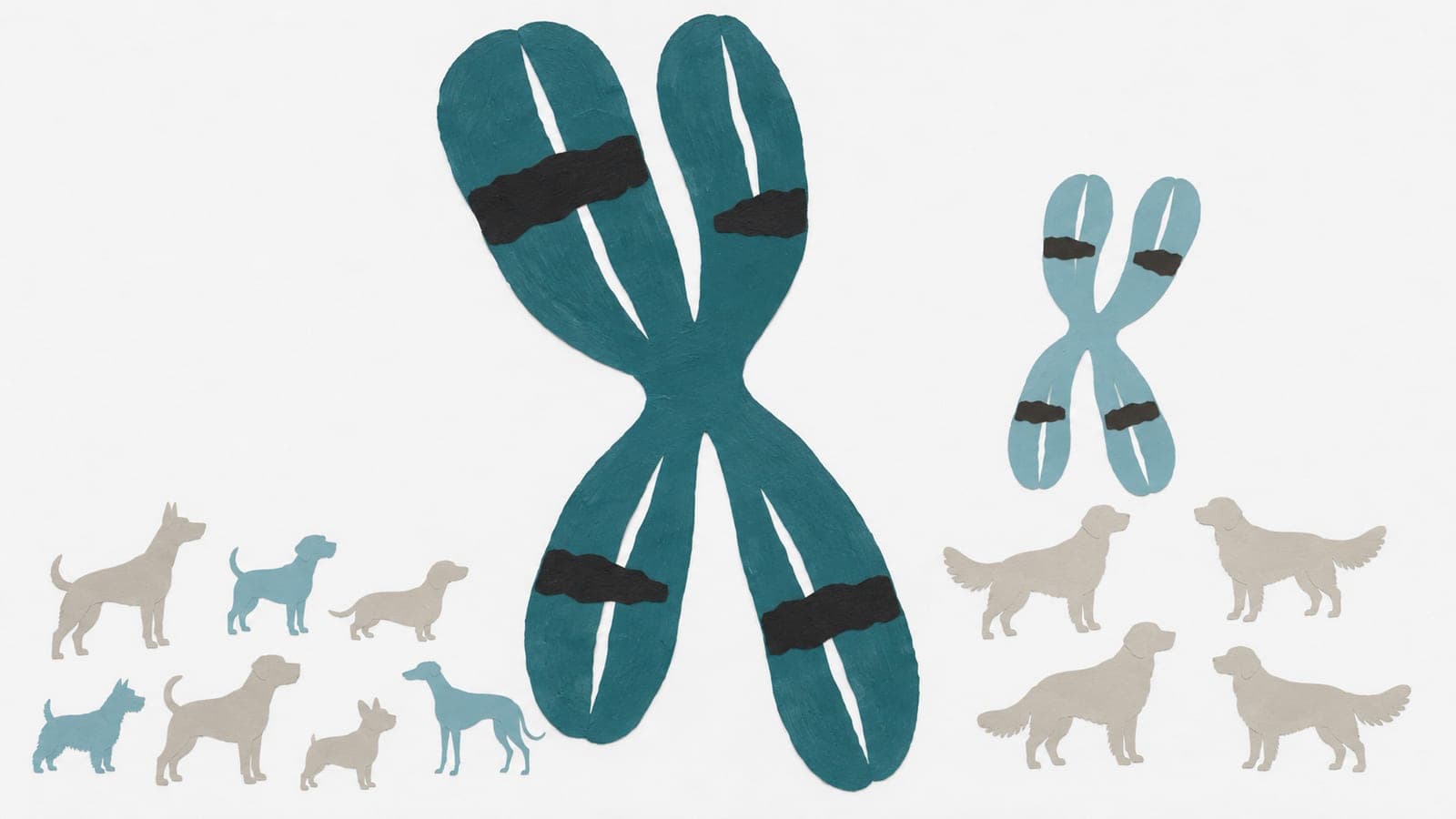
    Three genetic regions linked to age at death in 540 dogs from 27 breeds also showed associations in 3,024 Golden Retrievers.Three genetic regions linked to age at death in 540 dogs from 27 breeds also showed associations in 3,024 Golden Retrievers. A group of 540 dogs from 27 breeds, with 20 dogs per breed, formed the discovery cohort for genome-wide…

    Chromosomes with matching dark bands rise above dogs of varied sizes on the left and a group of similarly sized retrievers on the right.
    Preprint: genetic association studyPopulations
    Who was studied540 dogs from multiple breeds
    What changedThree DNA regions were linked to dogs' age at death beyond breed-average weight, with associations replicated in Golden Retrievers
    The catchNearby DNA variants inherited together could account for the lifespan associations
    Paper
    Aging Cell·4 h

    Older mouse fat cells show shifts in gene control and metabolism

    A comparison of male mice aged 3 and 18 months linked altered DNA markings with changes in gene activity and specific fats.A comparison of male mice aged 3 and 18 months linked altered DNA markings with changes in gene activity and specific fats. Male mice aged 3 and 18 months were compared in a laboratory study of visceral fat, which surrounds…

    Figure from Aging Cell
    Cross-sectional studyLipid and ceramide metabolism
    Who was studiedMale mice, against young mice
    What changedOlder mice differed from young mice in ~42% of measured fat-cell lipid species
    The catchIsolation may underrepresent enlarged, fragile fat cells from older mice
    Paper
    Nature Medicine·8 h

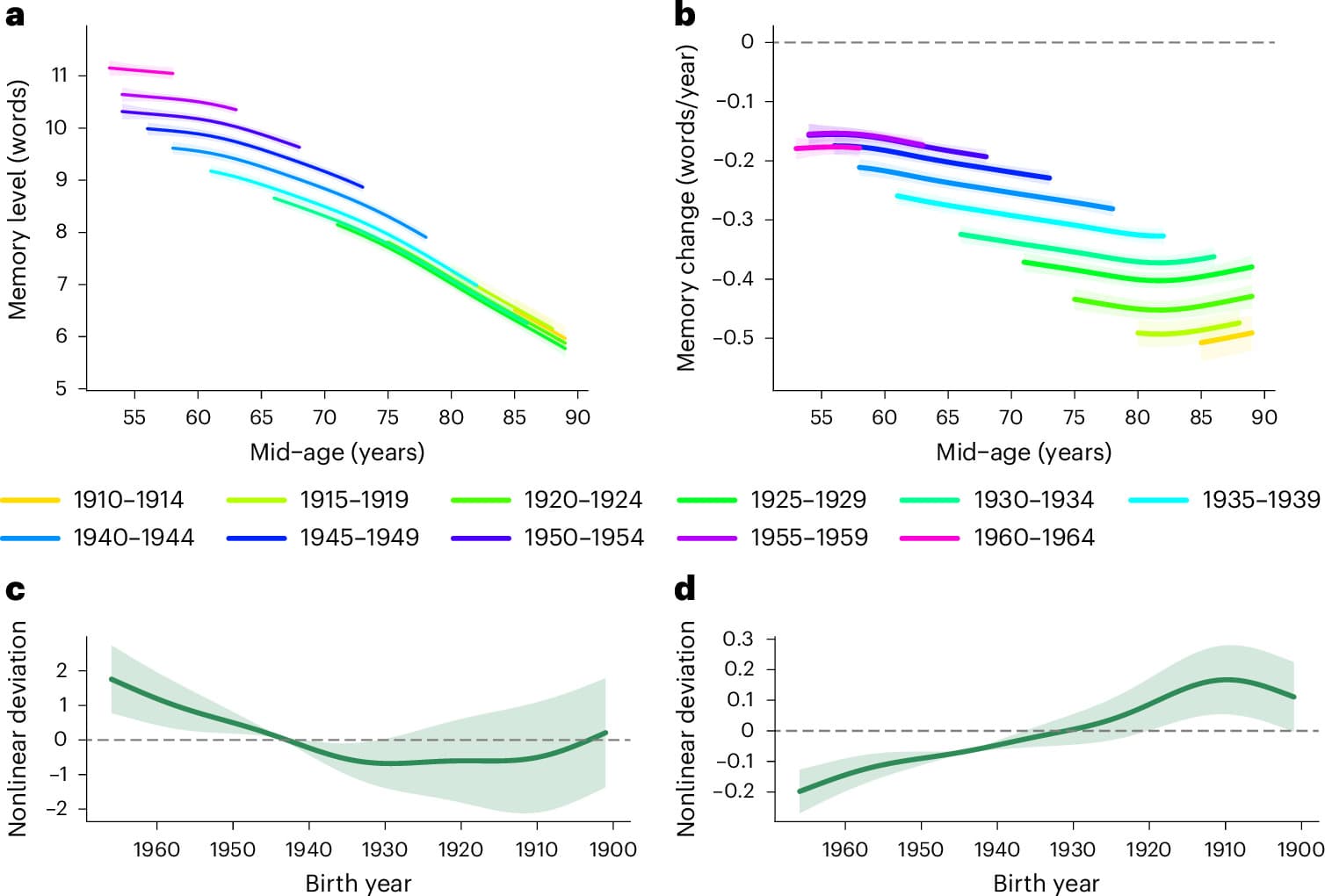
    Later-born generations showed better memory and slower decline

    Five longitudinal studies of about 219,000 people, followed for up to 30 years, linked later birth to stronger memory entering old age and slower decline.Five longitudinal studies of about 219,000 people, followed for up to 30 years, linked later birth to stronger memory entering old age and slower decline.

    Episodic memory level and change by birth cohort across overlapping age ranges.
    Cohort · 219,000 peoplePopulations
    Who was studied219,000 individuals, up to 30 years
    What changedLater-born generations entered old age with better memory and experienced slower memory decline afterward
    The catchMemory improvements serve as a stand-in for the proposed reduction in dementia incidence
    Paper
    GeroScience·9 h

    Poor oral health linked to signs of faster aging in older adults

    A DNA-based aging measure statistically accounted for 28.9% of the association between tooth loss and death from any cause in 1,764 older adults.A DNA-based aging measure statistically accounted for 28.9% of the association between tooth loss and death from any cause in 1,764 older adults.

    Figure from GeroScience
    Cohort · 1,764 peoplePopulations
    Who was studied1,764 older adults, median 17.4 years, against participants without periodontitis
    What changedPeople with periodontitis had higher DNA-based aging estimates than people without periodontitis
    The catchAging was estimated from chemical tags on DNA, not measured directly
    Paper
    Aging Cell·13 h

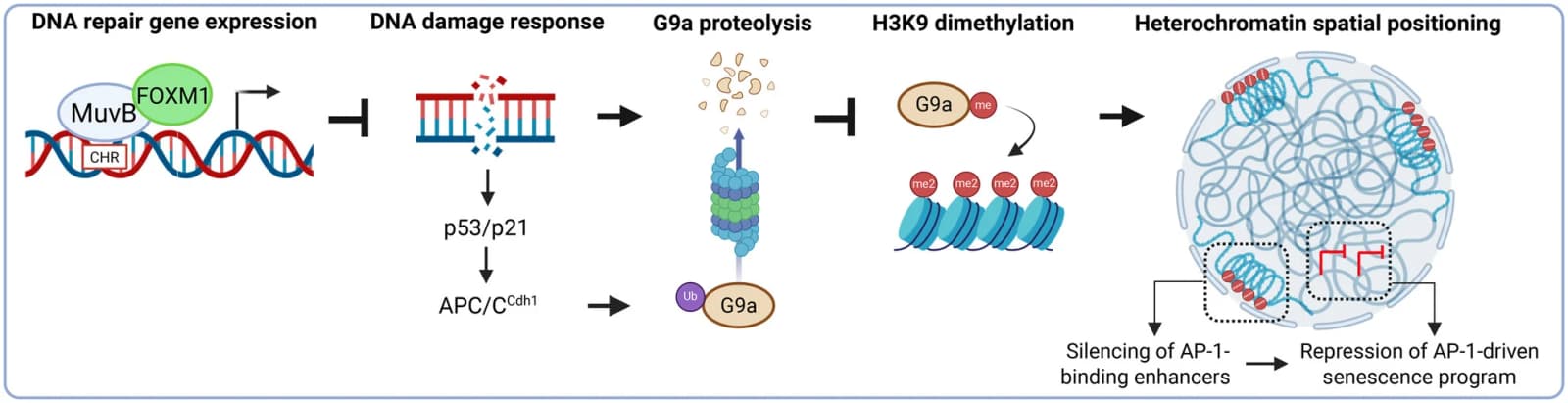
    Restoring protein activity reduced DNA damage in aged human cells

    After 72 hours, lab-grown human skin cells with increased activity of a gene-regulating protein showed more DNA repair gene activity and partly restored DNA-packaging…After 72 hours, lab-grown human skin cells with increased activity of a gene-regulating protein showed more DNA repair gene activity and partly restored DNA-packaging marks.

    Figure from Aging Cell
    Human cell studyInterventions
    Who was studiedAged human dermal fibroblasts, 72 h, against empty-vector control fibroblasts
    What changedDNA damage fell in aged human fibroblasts overexpressing FOXM1 compared with empty-vector controls
    The catchDNA damage measurements were collected and analyzed without blinding to experimental conditions
    Paper
    Cell Death and Differentiation·14 h

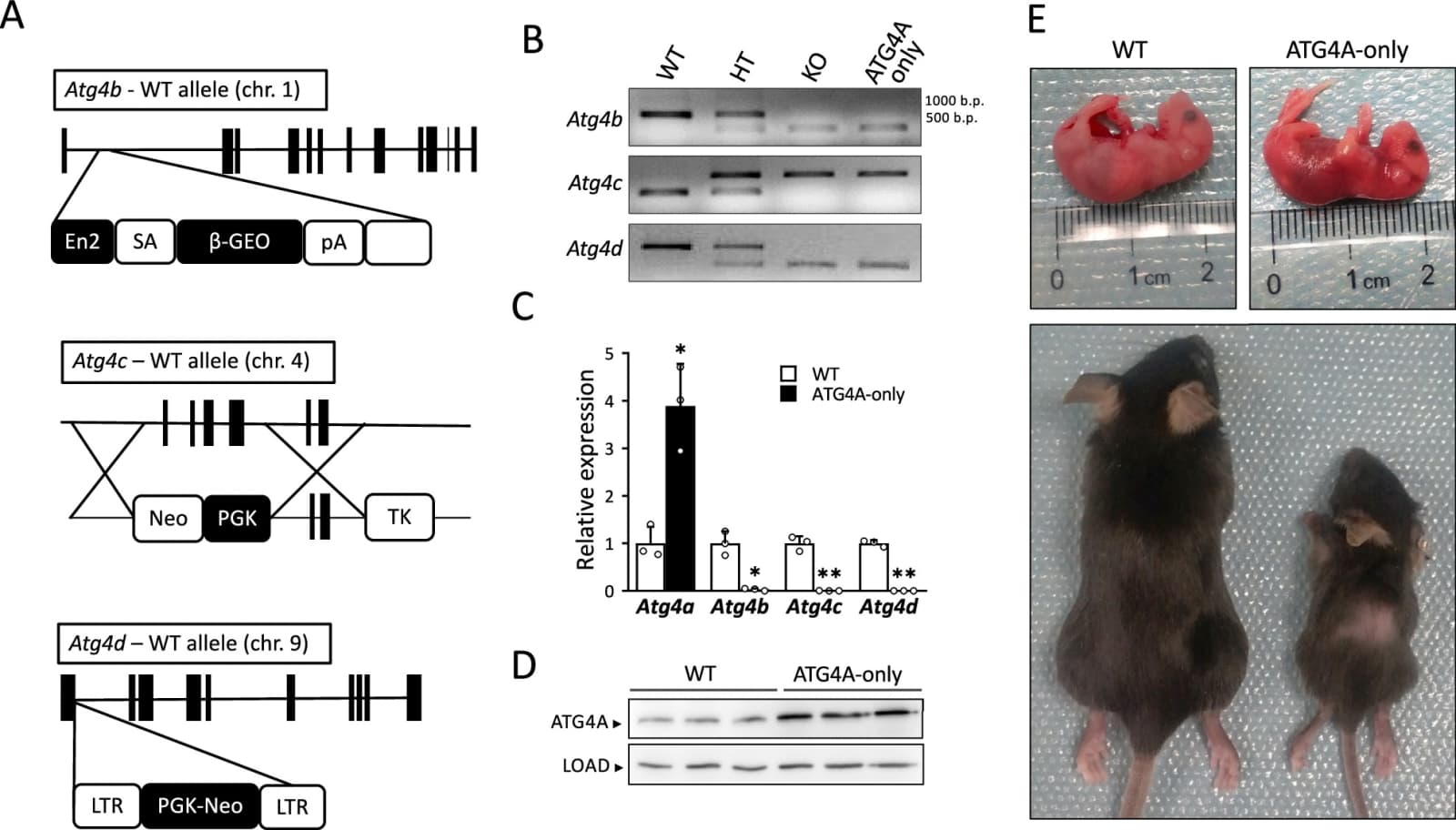
    Severe cell-recycling defects accelerated aging in mice

    Mice engineered to lack three enzymes involved in cell recycling developed premature aging and markedly shorter lives. The mice retained only the fourth enzyme, ATG4A.Mice engineered to lack three enzymes involved in cell recycling developed premature aging and markedly shorter lives. The mice retained only the fourth enzyme, ATG4A.

    Generation of atg4b–/–atg4c–/–atg4d–/– (ATG4A-only) mice.
    Mouse studyMechanisms
    Who was studiedMice lacking ATG4B, ATG4C, and ATG4D
    What changedMice with severe cell-recycling defects had dramatically shorter lifespans
    The catchCombined enzyme deletion models extreme autophagy loss rather than changes typical of normal aging
    Paper
    Preprints.org·15 h

    Reversal of Heart Age in Adults with Obesity After Initiation of Semaglutide Detected by Serial Electrocardiography

    Preprint: cohort study in peopleObesity
    Paper

    YesterdayMon, Nov 16Monday, November 1613 papers

    Cell Metabolism·Yesterday

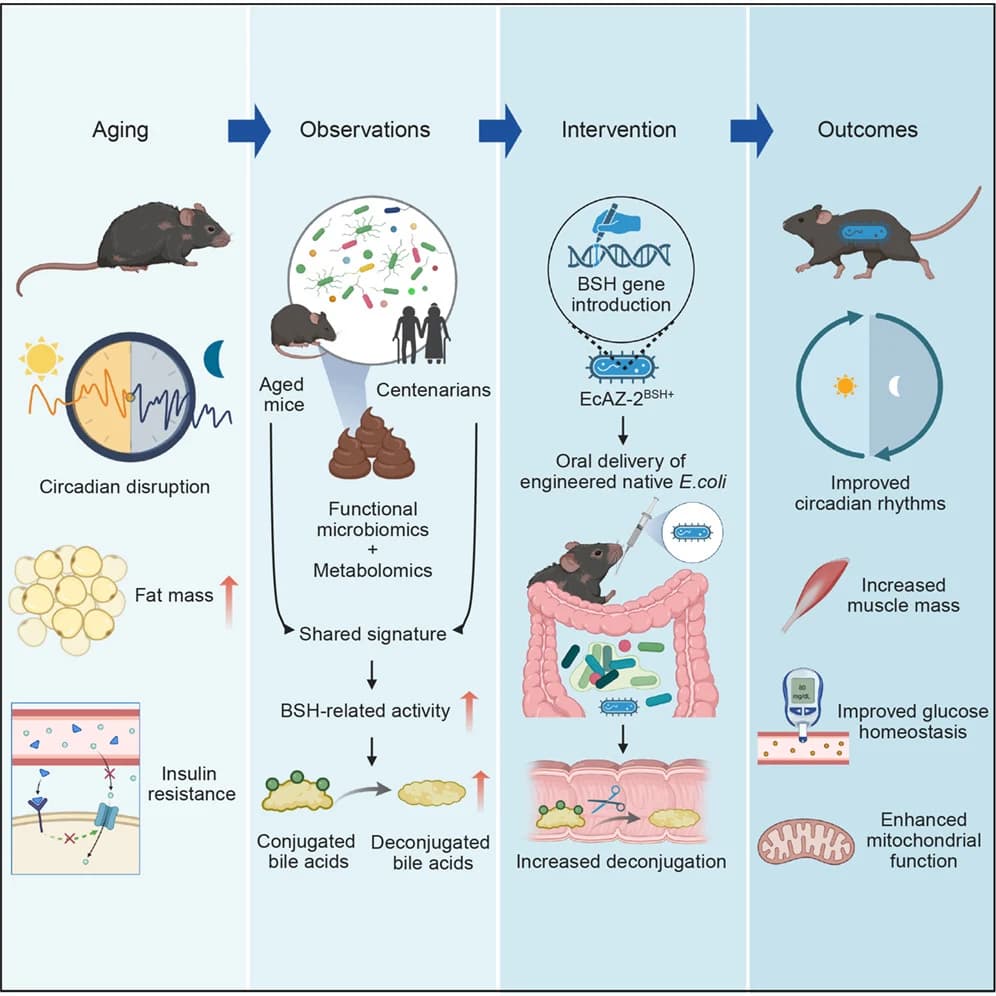
    Engineered gut bacteria improved insulin sensitivity in aged mice

    Engineered bacteria boosted a bile-acid-modifying enzyme’s activity in aged mice in an animal experiment, with supportive changes in body composition and other metabolic…Engineered bacteria boosted a bile-acid-modifying enzyme’s activity in aged mice in an animal experiment, with supportive changes in body composition and other metabolic measures.

    Figure from Cell Metabolism
    Mouse studyInterventions
    Who was studiedAged mice
    What changedInsulin sensitivity improved in aged mice given engineered native gut bacteria
    The catchThe excerpt omits the insulin-sensitivity effect size and measurement method
    Paper
    bioRxiv·Yesterday

    Loss of nuclear support proteins harms mouse hearts and arteries

    Median survival was 14.6% lower in artery-disease-prone mice lacking the proteins in blood-vessel-lining cells than in comparison mice.Median survival was 14.6% lower in artery-disease-prone mice lacking the proteins in blood-vessel-lining cells than in comparison mice. Mice genetically prone to fatty buildup in arteries underwent a gene-deletion experiment…

    An artery narrowed by fatty deposits and lined with irregular cell nuclei sits beside a clearer vessel, a scarred heart, and a small mouse.
    Preprint: mouse studyMechanisms
    Who was studiedArtery-disease-prone mice lacking endothelial lamin A/C, against comparison mice
    What changedMedian survival was 14.6% lower in mice lacking the proteins in blood-vessel-lining cells than in comparison mice
    The catchEffects of preserving lamin A/C during natural aging were not measured
    Paper
    Frontiers in Nutrition·Yesterday

    Effects of Creatine Supplementation Combined with Resistance Training on Physical Function in Middle-Aged and Older Adults: A Systematic Review and Meta-Analysis

    Accepted, not yet published: meta-analysis of randomized trialsCreatine
    Paper
    Gut Microbes Reports·Yesterday

    Depleting gut microbes reduced frailty in older male mice

    An experiment in groups of 7–10 male mice found frailty scores closer to young-mouse values after four weeks of antibiotics or lifelong germ-free rearing.An experiment in groups of 7–10 male mice found frailty scores closer to young-mouse values after four weeks of antibiotics or lifelong germ-free rearing.

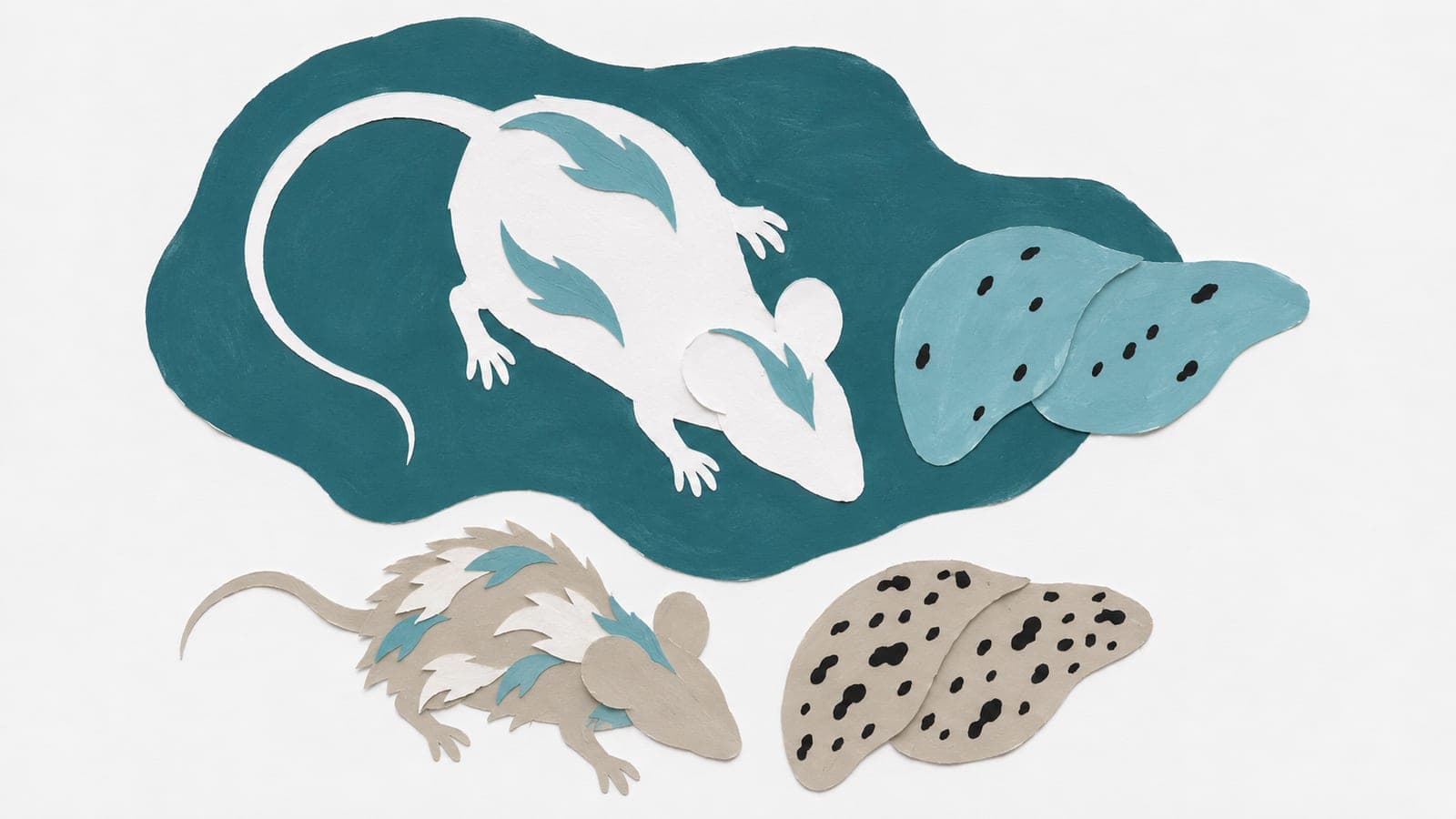
    Laboratory mice with smooth and ragged coats sit beside livers with sparse and dense dark markings, respectively.
    Mouse studyMechanisms
    Who was studiedAged male C57Bl6/J mice, 4 weeks, against aged mice with conventional microbiomes
    What changedAntibiotic-treated aged mice had lower frailty scores than aged mice with conventional gut microbes
    The catchFrailty was scored without blinding by the same researcher
    Paper
    Environment International·Yesterday

    Chemical mixture linked to faster biological aging in adults

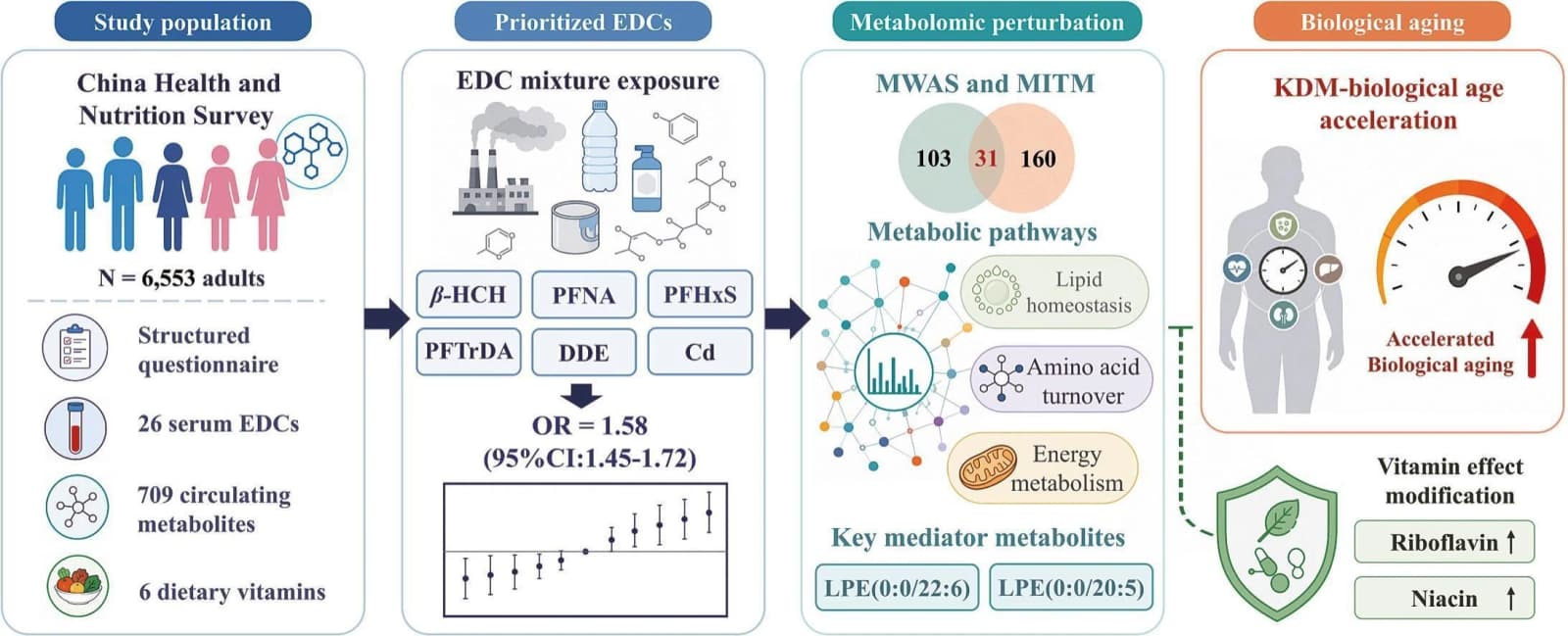
    In 6,553 adults, combined exposure to six chemicals was linked to biological age acceleration, with an odds ratio of 1.58.In 6,553 adults, combined exposure to six chemicals was linked to biological age acceleration, with an odds ratio of 1.58. The 6,553 adults from the China Health and Nutrition Survey were studied in a cross-sectional analysis of…

    Figure from Environment International
    Cross-sectional · 6,553 peoplePopulations
    Who was studied6,553 adults from China Health and Nutrition Survey
    What changedHigher combined chemical exposure was linked to higher odds of faster biological aging (odds ratio 1.58)
    The catchBiological aging could precede higher measured chemical exposure, rather than result from it
    Paper
    Archives of Gerontology and Geriatrics·Yesterday

    Walking-speed age patterns varied across six aging cohorts

    The modeled walking-speed transition midpoint was 82.44 years in the UK cohort versus 56.70 years in South Africa, where the estimate extended beyond observed ages.The modeled walking-speed transition midpoint was 82.44 years in the UK cohort versus 56.70 years in South Africa, where the estimate extended beyond observed ages.

    Figure from Archives of Gerontology and Geriatrics
    Cross-sectional studyPopulations
    Who was studiedParticipants in aging cohorts, against South African cohort
    What changedThe modeled walking-speed transition midpoint was 82.44 years in the UK cohort versus 56.70 years in South Africa
    The catchThe South African midpoint was extrapolated below the observed age range
    Paper
    bioRxiv·Yesterday

    Biological systems showed linked aging patterns in dogs

    A longitudinal analysis of 965 companion dogs found age dominated variation across measurements of microbes, DNA markings, blood chemicals and the immune system.A longitudinal analysis of 965 companion dogs found age dominated variation across measurements of microbes, DNA markings, blood chemicals and the immune system.

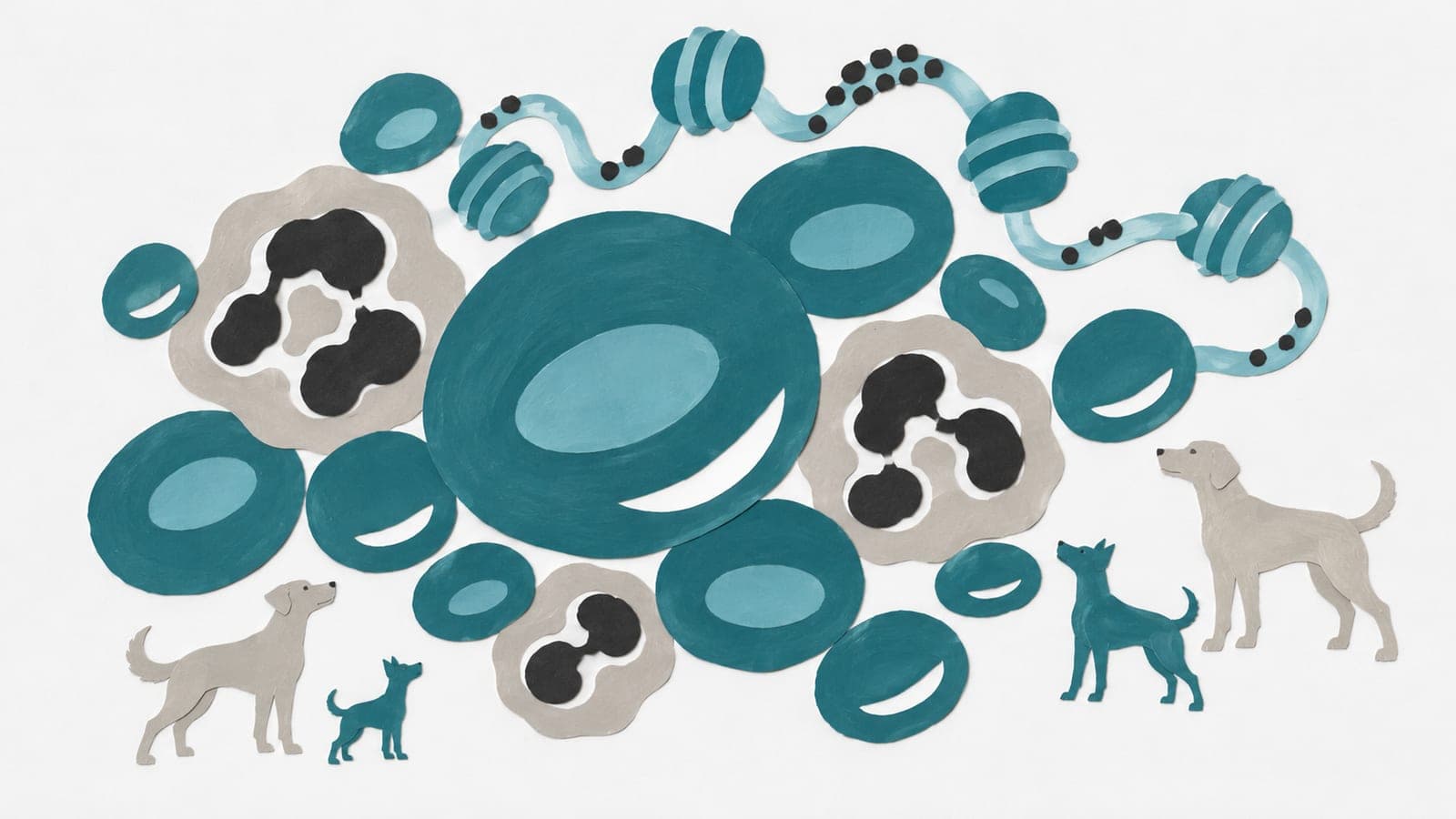
    Blood cells and immune cells sit beside dogs of different sizes, beneath a chromatin fiber with dense and sparse clusters of chemical marks.
    Preprint: cohort studyAI & data
    Who was studied965 companion dogs
    What changedBiological measurements were interconnected, and age dominated their variation
    The catchThe analysis measured cross-system links, not causal effects of one biological system on another
    Paper
    Cells·Yesterday

    Cell-released particles reduce aging-linked signs in human cells

    Stressed human heart-vessel lining cells showed fewer markers of senescence, a state in which cells stop dividing, after 48 hours of particle exposure in laboratory…Stressed human heart-vessel lining cells showed fewer markers of senescence, a state in which cells stop dividing, after 48 hours of particle exposure in laboratory experiments.

    Figure from Cells
    Human cell studyInterventions
    Who was studiedOxidatively stressed human cardiac microvascular endothelial cells, 48 h
    What changedThe proportion of cells with aging-linked staining was lower with vesicles than without them in stressed human heart vessel cells
    The catchCo-isolated non-vesicular components could contribute to effects attributed to vesicles
    Paper
    bioRxiv·Yesterday

    Tumors mix younger- and older-like molecular aging patterns

    An analysis of breast cancer and five other cancers found mixed aging patterns, partly resembling those in normal tissue of the same origin.An analysis of breast cancer and five other cancers found mixed aging patterns, partly resembling those in normal tissue of the same origin.

    Breast tumor tissue mixes dividing cells and fragmented nuclear fibers above smaller, orderly rings of normal breast cells.
    Preprint: computational studyBiomarkers
    Who was studiedTumors from breast and other cancers, against matched normal tissues
    What changedTumors showed younger-like cell multiplication patterns but older-like damage-response and signaling patterns compared with expected tissue aging
    The catchOther tumor features could explain the clock’s survival link rather than aging-related changes
    Paper
    Aging Cell·Yesterday

    Nitrate reduced chewing muscle degeneration in aging mice

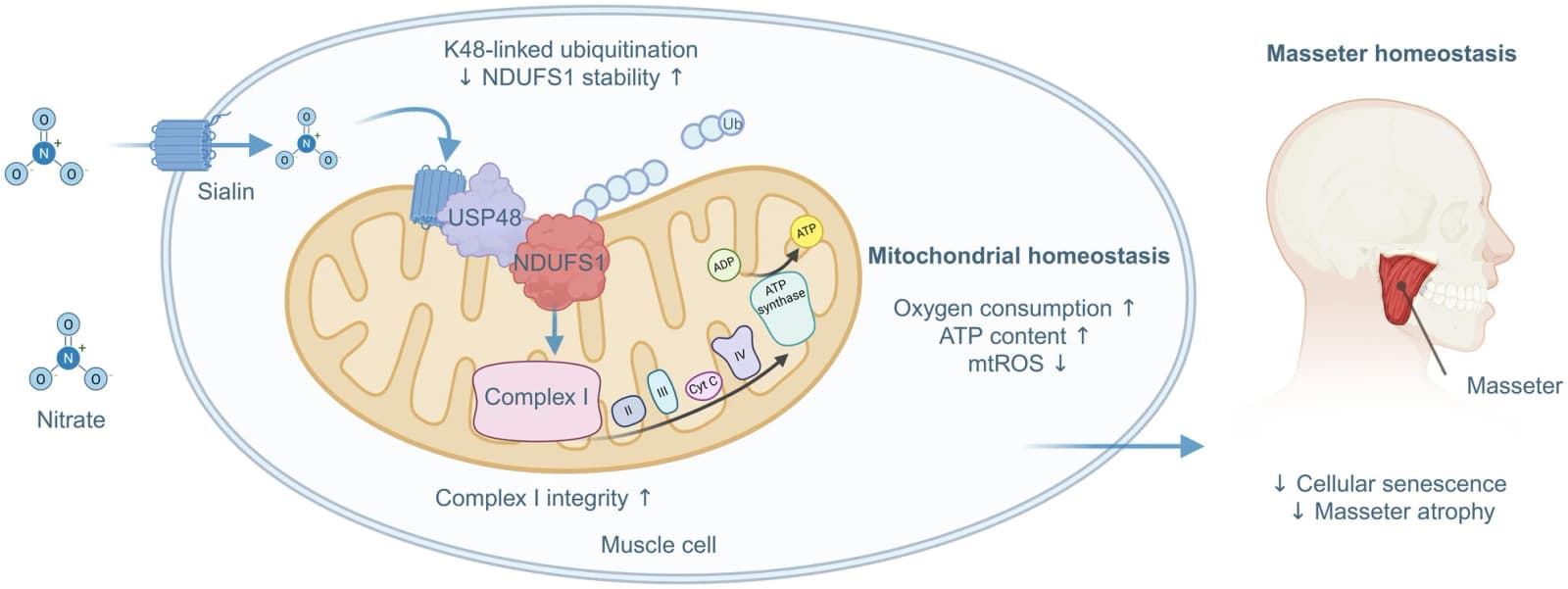
    Older male mice, six per group, received nitrate or standard drinking water for three months; nitrate reduced signs of degeneration in a chewing muscle.Older male mice, six per group, received nitrate or standard drinking water for three months; nitrate reduced signs of degeneration in a chewing muscle. The nitrate concentration was 4 millimoles per liter.

    Figure from Aging Cell
    Mouse studyNitrate
    Who was studiedAged male mice, 3 months, against age-matched mice receiving standard drinking water
    What changedNitrate-treated aged mice had fewer signs of chewing muscle degeneration than age-matched controls
    The catchOnly 6 mice per group in the natural-aging experiment
    Paper
    npj Aging·Yesterday

    Royal jelly increased stem cell activity in aged mice

    Male mice fed a diet containing 5% royal jelly for three months showed increased cell division in aging skin and brain.Male mice fed a diet containing 5% royal jelly for three months showed increased cell division in aging skin and brain. Compared with aged mice on control diets, they had more dividing stem cells and related immature cells in skin…

    RJ/pRJ administration improves age-associated hair thinning and increases Ki67-positive HMCs and EDSCs in aged mouse skin.
    Mouse studyInterventions
    Who was studiedAged male C57BL/6J mice, 3 months, against aged mice fed a control diet
    What changedRoyal jelly increased stem and progenitor cell division in aged mice's skin and brain compared with control-fed aged mice
    The catchInvestigators measured cell proliferation without blinding to treatment groups
    Paper
    The Journals of Gerontology, Series A·Yesterday

    Low activity linked to life expectancy gaps in older adults

    Models attributed 35.4% of men's education-related gap in years without disability and 54.5% of their total life expectancy gap to low activity.Models attributed 35.4% of men's education-related gap in years without disability and 54.5% of their total life expectancy gap to low activity.

    Upright, faceless people stand or walk in a central gathering, with fewer gray standing figures and a larger walking group beside small houses.
    Cohort · 754 peoplePopulations
    Who was studied754 adults aged 70 or older
    What changedModels attributed 54.5% of men's education-related gap in total life expectancy to low activity
    The catchPoorer health could explain both low activity and shorter survival
    Paper
    Aging Cell·Yesterday

    Fat-derived protein worsened signs of vessel aging in mice

    In experiments with 24 young male mice over 12 weeks, an antibody against asprosin reduced signs of chemically induced blood vessel aging.In experiments with 24 young male mice over 12 weeks, an antibody against asprosin reduced signs of chemically induced blood vessel aging. Twenty-four eight-week-old male C57BL/6 mice were randomly assigned to four groups in a…

    Figure from Aging Cell
    Experiments in miceMechanisms
    What changedAsprosin increased signs of blood vessel aging in mice compared with saline-treated mice
    The catchOnly 6 mice per group supported the vascular aging comparison
    Paper

    Sun, Nov 152 papers

    Aging and Disease·Nov 15

    Bilobetin eased infection-driven immune aging in mice

    In experiments with nonlethal influenza infection, middle-aged mice—but not young mice—were susceptible to lasting immune deterioration.In experiments with nonlethal influenza infection, middle-aged mice—but not young mice—were susceptible to lasting immune deterioration. Young mice did not show the same susceptibility.

    Blood-forming stem cells show damaged mitochondria and many droplets in a large cell beside a smaller cell with orderly mitochondria and a mouse.
    Mouse studyBlood and immune system
    Who was studiedMiddle-aged mice with nonlethal influenza infection
    What changedBilobetin eased blood-forming stem-cell aging and wider immune-system aging in mice
    The catchStem-cell aging markers are proxies for immune function, not direct measures of infection resistance
    Paper
    Archives of Gerontology and Geriatrics·Nov 15

    Do lifestyle interventions slow epigenetic aging in middle-aged and older adults? A systematic review and meta-analysis of randomized controlled trials

    Figure from Archives of Gerontology and Geriatrics
    Meta-analysis of randomized trialsInterventions
    Paper

    Sat, Nov 144 papers

    The Journal of Heredity·Nov 14

    Blood gene activity differed widely by sex in painted turtles

    Gene activity differed between female and male turtles for 2,347 genes, or 13.4% of those analyzed. In 93 wild adult painted turtles (Chrysemys picta) spanning the entire…Gene activity differed between female and male turtles for 2,347 genes, or 13.4% of those analyzed. In 93 wild adult painted turtles (Chrysemys picta) spanning the entire lifespan, researchers studied how blood gene activity…

    Turtle blood cells with clustered or scattered dark flecks sit between a smaller dark blue-green turtle and a larger gray turtle.
    Cross-sectional studyMechanisms
    Who was studied93 wild adult painted turtles, against male turtles
    What changedBlood gene activity differed between female and male turtles for 2,347 genes, or 13.4% of all filtered genes
    The catchThe contribution of sex-related gene activity to longer female lifespans was not measured
    Paper
    Aging Cell·Nov 14

    Low-dose ibuprofen improved muscle recovery in aged mice

    In male mice about 25 months old, two days of ibuprofen after disuse improved muscle function without increasing muscle mass.In male mice about 25 months old, two days of ibuprofen after disuse improved muscle function without increasing muscle mass. Male C57BL/6 mice about 4 or 25 months old underwent an experiment involving 14 days with their…

    Aging impairs skeletal muscle recovery and drives age‐dependent lipid redistribution following disuse.
    Mouse studyMuscle
    Who was studiedAged male mice, 7 days, against saline controls
    What changedGrip strength was higher with low-dose ibuprofen than with saline
    The catchRecovery was followed for only 7 days, leaving longer-term strength gains unmeasured
    Paper
    Research Square·Nov 14

    Aging gene effects partly match from yeast to human cells

    Two yeast lifespan measures shared regulators 1.7-fold more often than expected, but the direction of their effects agreed only 50% of the time.Two yeast lifespan measures shared regulators 1.7-fold more often than expected, but the direction of their effects agreed only 50% of the time.

    Human cells with sparse and crowded interiors sit beside budding yeast, a curved worm, and a mouse.
    Preprint: computational studyMechanisms
    Who was studiedYeast, nematodes, fruit flies, mice, and human cells
    What changedHuman-cell effects matched lifespan effects for 82% of cleanup/protein-upkeep genes, against 51–54% of cell-division-arrest and inflammatory-secretion genes
    The catchHuman cells were assessed for senescence, while whole organisms were assessed for lifespan
    Paper
    Research Square·Nov 14

    Blood protein scores linked to future age-related disease

    In 44,526 UK Biobank participants, 10-year disease incidence differed up to 20-fold between people of the same age with different scores.In 44,526 UK Biobank participants, 10-year disease incidence differed up to 20-fold between people of the same age with different scores. Blood protein measurements from 44,526 UK Biobank participants formed the basis of an…

    Blood cells and folded proteins sit beside kidney cross-sections, one dark blue-green with orderly tissue and one gray with disrupted tissue.
    Preprint: cohort · 44,526 peopleBiomarkers
    Who was studied44,526 UK Biobank participants
    What changed10-year disease incidence differed up to 20-fold between same-age people with different blood protein scores
    The catchDisease developing before diagnosis could raise protein scores, rather than protein changes preceding disease
    Paper

    Fri, Nov 138 papers

    EBioMedicine·Nov 13

    Four blood proteins linked to health and longevity in families

    A cohort study followed 852 older siblings and 2,282 offspring and partners for up to 22 years, linking four blood proteins to longer survival.A cohort study followed 852 older siblings and 2,282 offspring and partners for up to 22 years, linking four blood proteins to longer survival. Researchers measured 326 proteins in blood plasma, the liquid part of blood.

    Figure from EBioMedicine
    Cohort · 3,134 peopleBiomarkers
    Who was studied3,134 nonagenarian siblings, their children, and partners, up to 22 years
    What changedHigher GSN, F2, and CRTAC1 and lower HP were linked to longer survival, better cardiometabolic health, and greater familial longevity
    The catchUnmeasured socioeconomic differences could explain some protein associations with health and longevity
    Paper
    Nature Communications·Nov 13

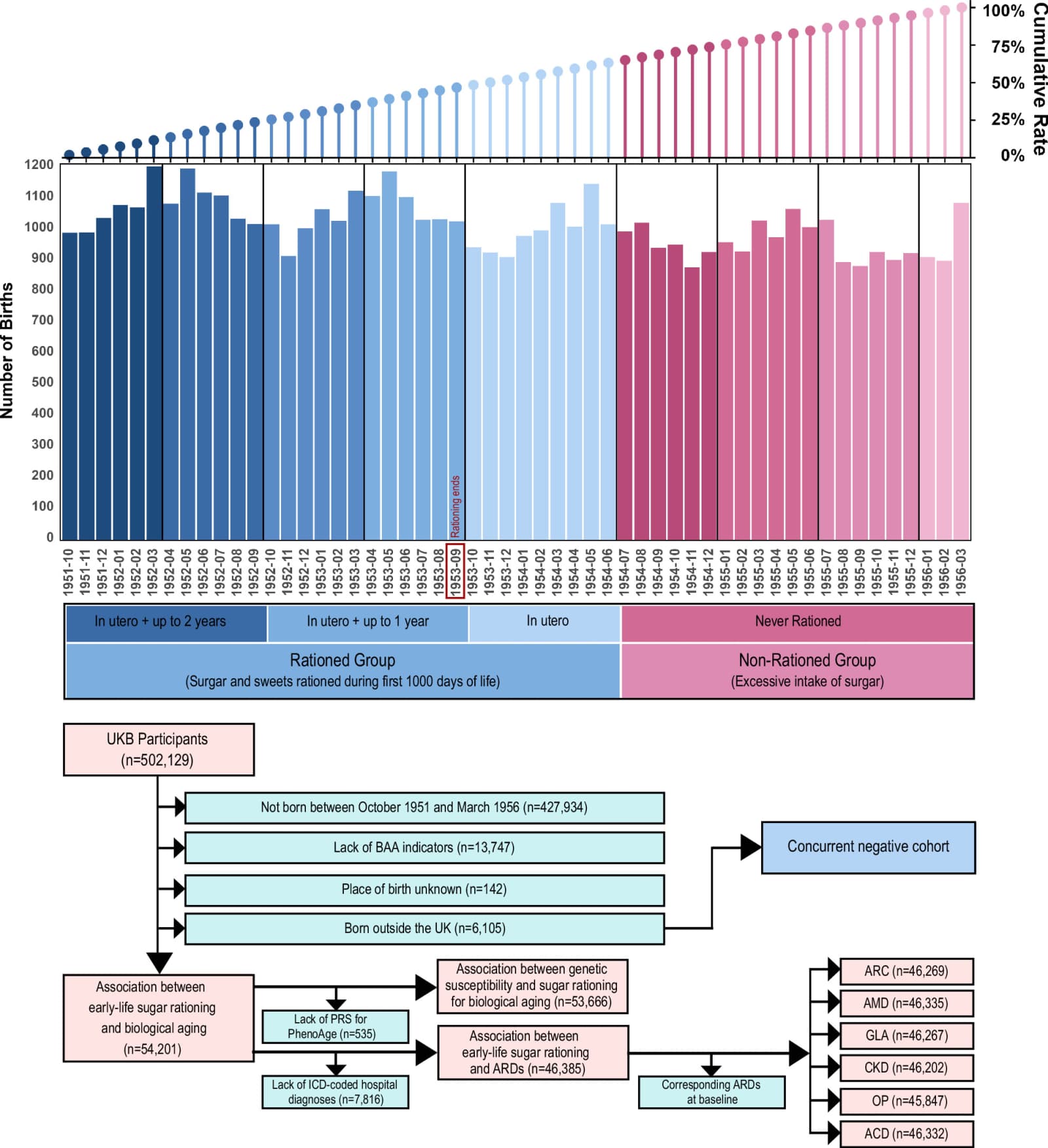
    Early sugar rationing linked to signs of slower aging

    The natural experiment included 54,201 UK Biobank participants, with stronger associations among those exposed to rationing for longer during early life.The natural experiment included 54,201 UK Biobank participants, with stronger associations among those exposed to rationing for longer during early life.

    Figure from Nature Communications
    Cohort · 54,201 peoplePopulations
    Who was studied54,201 UK Biobank participants, against people unexposed to sugar rationing
    What changedEstimated biological age relative to age in years was lower among people exposed to early-life sugar rationing than unexposed people
    The catchEstimated biological age was a stand-in measure for aging
    Paper
    BMC Geriatrics·Nov 13

    Domain-specific effects of dual-task interventions on cognitive function in older adults: a systematic review and three-level meta-analysis

    Figure from BMC Geriatrics
    Meta-analysis of randomized trialsInterventions
    Paper
    Nature Aging·Nov 13

    Older adults had weaker brain fluid flow waves during sleep

    Nighttime scans of 31 young and 41 older adults linked reduced fluid flow to weaker waves of brain activity and blood-volume change.Nighttime scans of 31 young and 41 older adults linked reduced fluid flow to weaker waves of brain activity and blood-volume change. Adults aged 18–39 (31 people) and 60–84 (41 people) underwent nighttime brain scans and…

    Multimodal imaging of neural, hemodynamic and CSF flow dynamics in NREM sleep.
    Cross-sectional studySLEEP
    Who was studiedYoung and older adults, against younger adults
    What changedBrain fluid wave power rose less from wakefulness to sleep in older adults: 1.15 dB against 3.82 dB in younger adults
    The catchBlood pressure, hydration and sleep deprivation history were unmeasured and could affect fluid flow
    Paper
    BMC Geriatrics·Nov 13

    Four patterns of physical and mental capacity in older Chinese adults

    Among 7,151 older adults, those impaired across all areas had 26.53 times the odds of disability in daily activities compared with the strongest group.Among 7,151 older adults, those impaired across all areas had 26.53 times the odds of disability in daily activities compared with the strongest group.

    Latent profiles of intrinsic capacity based on five functional domains.
    Cross-sectional · 7,151 peoplePopulations
    Who was studied7,151 community-dwelling older adults in China
    What changedFour patterns of physical and mental capacity emerged: robust, discordant, intermediate, and globally impaired
    The catchPrior falls may have caused reduced activity and functional decline within the Discordant Capacity profile
    Paper
    European Journal of Ageing·Nov 13

    Hobbies linked to lower risk of cognitive decline in older adults

    Older adults with hobbies had a 20–40% lower relative risk of moving from normal cognition to mild decline in three of four cohorts, compared with nonparticipants.Older adults with hobbies had a 20–40% lower relative risk of moving from normal cognition to mild decline in three of four cohorts, compared with nonparticipants.

    Faceless people gather around books and a guitar, mostly dark blue-green, beside a smaller group with more gray figures.
    Cohort · 123,802 peoplePopulations
    Who was studied123,802 adults aged 50 years and older, against people without hobby engagement
    What changedMild cognitive decline risk was 20-40% lower among hobby participants than nonparticipants in three of four cohorts
    The catchPersonality traits, genetic predispositions, and early-life socioeconomic conditions could partly explain the association
    Paper
    Frontiers in Public Health·Nov 13

    The effects of different traditional Chinese fitness exercises on physical function in the older adults: a network meta-analysis

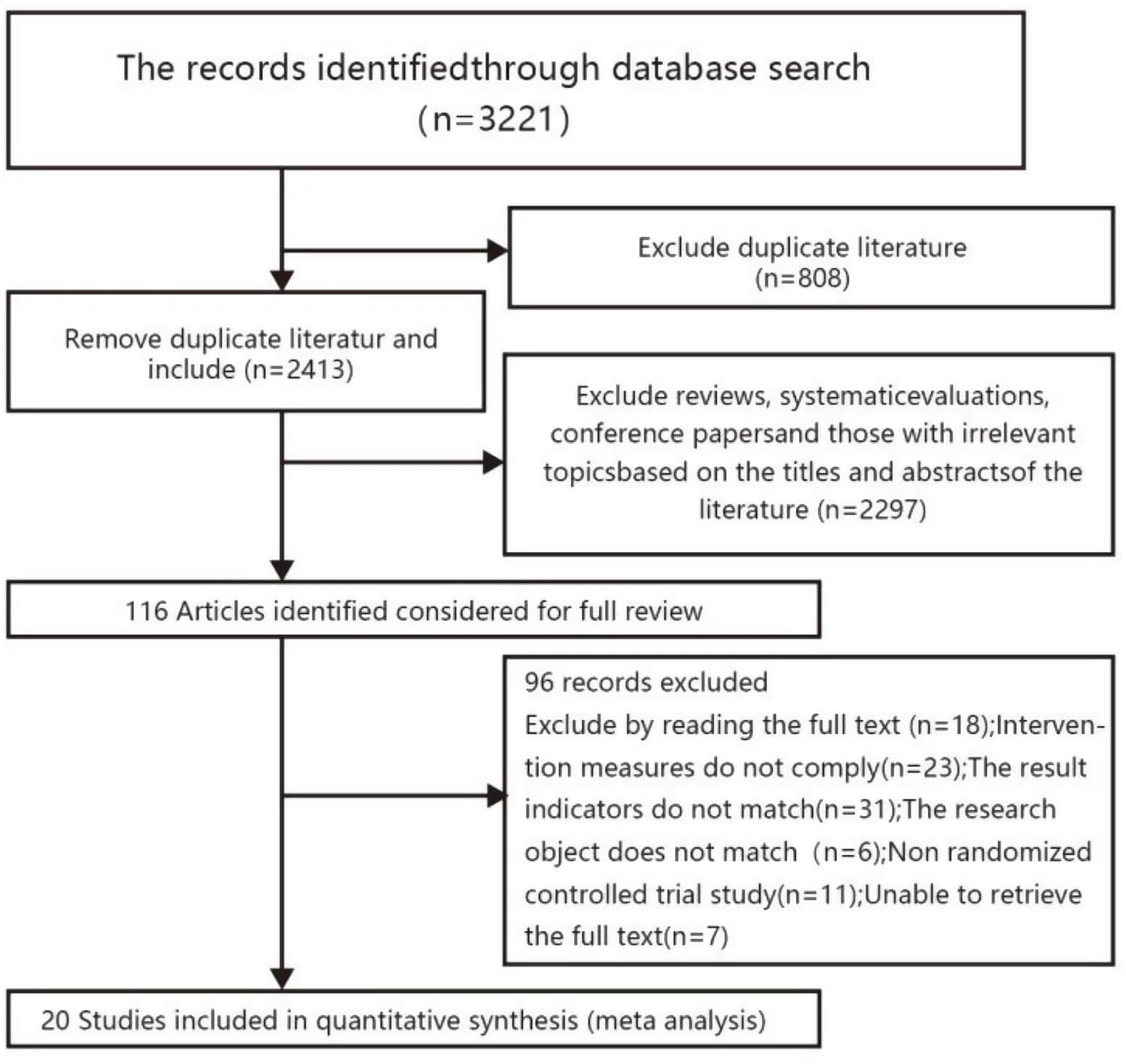
    Flow diagram of the study selection.
    Meta-analysis of randomized trialsInterventions
    Paper
    Scientific Reports·Nov 13

    Faster biological aging linked to heart disease and death

    Accelerated biological aging was linked to 2.3-fold higher relative death risk in men and 1.8-fold higher risk in women, compared with slower biological aging.Accelerated biological aging was linked to 2.3-fold higher relative death risk in men and 1.8-fold higher risk in women, compared with slower biological aging.

    Multivariable-adjusted association of accelerated biological age (decelerated BA as referent) with the risk of outcome events, separately for men and women.
    Cohort · 3,046 peopleBiomarkers
    Who was studied3,046 Framingham Offspring Study participants, median 26 years
    What changedDeath risk was approximately 2-fold higher with accelerated biological aging than with decelerated aging in both men and women
    The catchBiological age estimates omitted potentially relevant biomarkers unavailable at some visits
    Paper

    Thu, Nov 12

    The Lancet Digital Health·Nov 12

    Health-record aging measure linked to disease and death

    An aging measure developed in 320,891 UK Biobank participants was linked to all 20 non-cancer diseases assessed in two UK datasets.An aging measure developed in 320,891 UK Biobank participants was linked to all 20 non-cancer diseases assessed in two UK datasets. Women and men in UK Biobank—320,891 participants, with a median age of 58—and a UK primary care…

    Figure from The Lancet Digital Health
    Cohort · 4,728,376 peopleBiomarkers
    Who was studied4,728,376 UK primary care patients
    What changedHigher ClinicalAge was linked to higher risk of death from any cause in primary care patients (adjusted hazard ratio 1·36)
    The catchExisting illness and health care use could explain links with later disease or death
    Paper
    BMJ·Nov 12

    Tighter blood pressure control showed no clear cognitive benefit

    Dementia or mild cognitive impairment occurred at 3.69 versus 3.89 events per 100 person-years with intensive versus standard treatment over a median 3.8 years.Dementia or mild cognitive impairment occurred at 3.69 versus 3.89 events per 100 person-years with intensive versus standard treatment over a median 3.8 years.

    Figure from BMJ
    Randomized trial · 12,434 peopleInterventions
    Who was studied12,434 adults with type 2 diabetes, against standard blood pressure treatment
    What changedDementia or mild cognitive impairment showed no clear difference with intensive versus standard blood pressure treatment (hazard ratio 0.96)
    The catchMissed mild cognitive impairment at baseline could dilute the apparent treatment effect
    Paper
    Cell·Nov 12

    Macaque brain atlas maps age-linked changes across regions

    An atlas of gene activity covered 5.3 million cells from 55 rhesus macaques aged 0.5–21 years, revealing changes that varied by brain region and cell type.An atlas of gene activity covered 5.3 million cells from 55 rhesus macaques aged 0.5–21 years, revealing changes that varied by brain region and cell type.

    Figure from Cell
    Cross-sectional studyAI & data
    Who was studiedAdult rhesus macaques
    What changedCell abundance differed with age in 10% of cell subcluster-region combinations in adult macaques
    The catchUndersampling can make shifts in one cell type distort estimated abundances of other types
    Paper
    GeroScience·Nov 12

    Acarbose improved memory for places in normally aging mice

    Normally aging mice given acarbose from 4 months of age performed at young-adult levels on spatial memory tests at 12 and 24 months.Normally aging mice given acarbose from 4 months of age performed at young-adult levels on spatial memory tests at 12 and 24 months. Genetically diverse male and female mice were studied in an animal experiment comparing normal…

    Experimental paradigm to investigate the effects of ACA on cognitive function in genetically heterogenous mouse models of “normal” aging (Ntg-HET3) and AD-relevant (5xFAD-HET3) phenotypes.
    Mouse studyAcarbose
    Who was studiedNormally aging genetically heterogeneous mice
    What changedAcarbose-treated aged mice showed above-chance memory for the platform by Probe 2, versus Probe 4 in controls
    The catchMale aggression and attrition left female-biased cohorts, limiting assessment of sex-specific memory benefits
    Paper