Blocking a brain signal restored activity in older mice
In mouse experiments, blocking serotonin, a brain signaling chemical, from acting in one brain region restored youthful activity levels and strength.
Our read
Mechanisms- Studied:
- Experiments in older mice
- What changed:
- Blocking serotonin in the ventral tegmental area restored youthful physical activity levels in older mice
- The catch:
- The text does not report how long restored activity lasted
- In the record:
- One of 8 papers on HTR2C on record: none yet with results in people, 2 in animals.
- Why it’s aging research:
- It measures an outcome that worsens with age.
Editor of record: Boris Djordjevic · AgingResearch.News
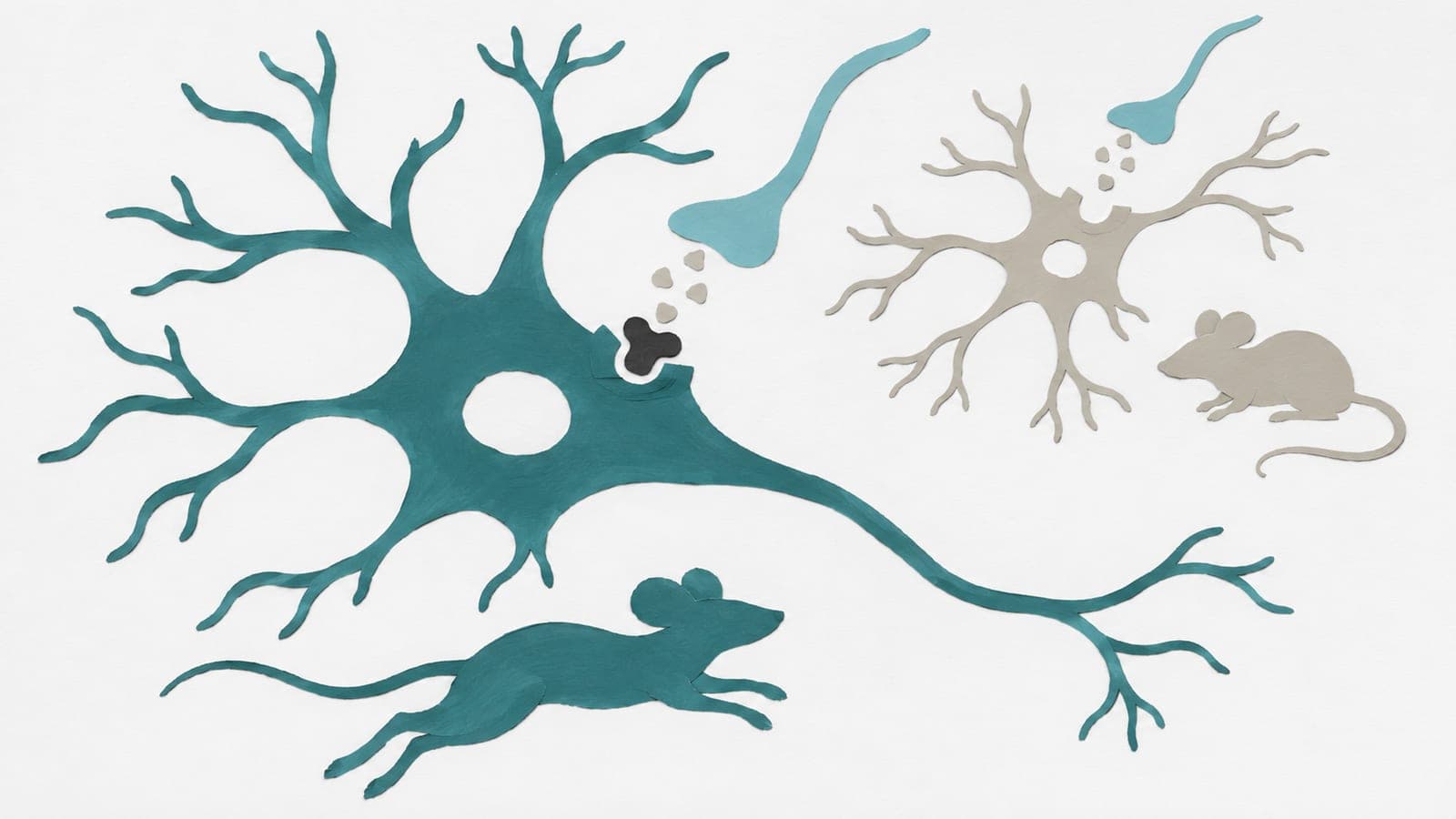
Older mice regained youthful levels of physical activity and strength in experiments that blocked a brain signal. The signal involved serotonin, a chemical that carries messages between nerve cells. Serotonin-producing cells in a brain region called the dorsal raphe fired differently in older mice. Chemically controlling genetically modified cells to mimic this pattern gave young adult mice an activity profile like that of older mice.
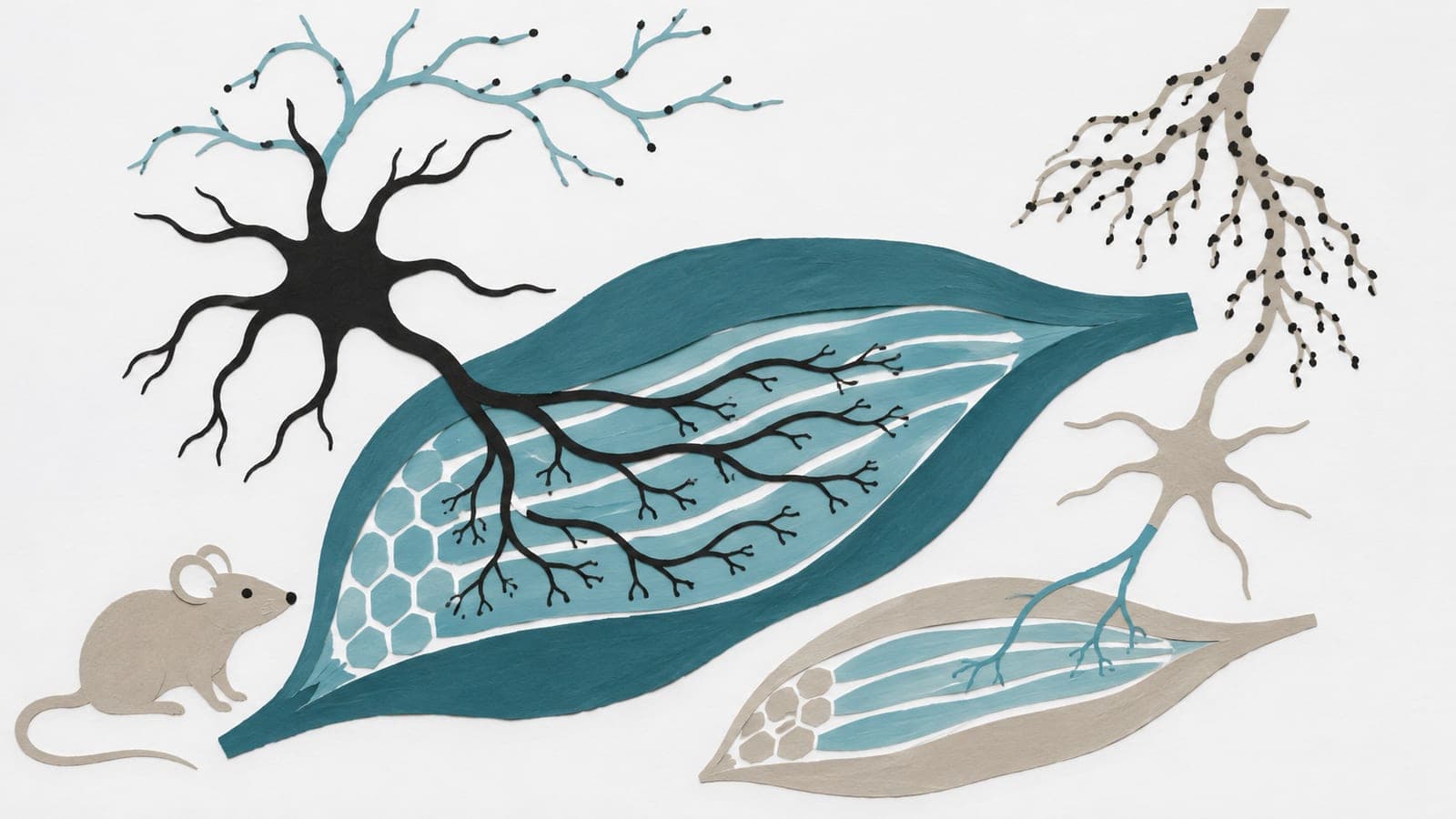
Genetically blocking serotonin’s action at 5-HT2C receptors—proteins that receive serotonin signals—prevented the decline in physical activity with age. Blocking serotonin’s action at these receptors specifically in another brain region, the ventral tegmental area, restored youthful activity and strength in older mice.
Why it matters
Physical inactivity increases with age and is a risk factor for death. The work addresses how brain signaling contributes to this decline, a question relevant to maintaining activity later in life.
Caveats
The experiments that restored activity and strength were in mice, not people. The human evidence compared activity in UK participants aged 50–70 and 17–30; it did not test blocking serotonin signaling.
Comments
Be the first to comment.