Skip to content
AgingResearch.News app

AgingResearch.NewsFree on Google Play

Open app
AgingResearch.News
  • HomeHome
  • SearchSearch
  • AskAsk
  • FollowingFollowing
  • SavedSaved
Join freeSign inSign inSign in
AgingResearch.NewsJoin free
  • Top
  • Latest
  • For you

Latest: Human studies · Peer-reviewed · Most significant

Filter

Clear filters

Evidence

  • All
  • Prevention & practice
  • Human trials
  • Human studies
  • Animals
  • Model organisms
  • Cells
  • In silico
  • Reviews

Status

  • All
  • Peer-reviewed
  • Preprints
  • All
  • Most significant
  • All
  • Open access
  • All
  • Prevention & practice
  • Human trials
  • Human studies
  • Animals
  • Model organisms
  • Cells
  • In silico
  • Reviews
  • All
  • Most significant
  • All
  • Open access
Status
  • All
  • Peer-reviewed
  • Preprints
FooterIn your assistantComparePrivacyTermsAboutStandardsContactRSSPricingFollow on X© 2026 AgingResearch.News
Sidebar

    Join AgingResearch.News

    Free: every story, saved papers, follows, the weekly email and 3 questions a day to Ask.

    Continue with email

    By continuing, you agree to our Terms and Privacy Policy.

    News

    See allSee all news
    Engineered gut bacteria increase bile acid deconjugation, improving aged mice’s metabolic healthResearchGEN +5Engineered gut bacteria increase bile acid deconjugation, improving aged mice’s metabolic healthLater-born generations reach old age with better memory and slower declineResearchMedical Xpress +1Later-born generations reach old age with better memory and slower declineCastration at 240 days extends median lifespan 32.9% in male UM-HET3 miceResearchFight Aging! +1Castration at several ages extends male lifespan and reveals age-dependent effects of testicular factors on survival.

    Trials

    See allSee all trials
    Modulation Effects of Baduanjin Exercise on Subjective Cognitive DeclineResults posted Nov 6, 2026, Massachusetts General HospitalPsilocybin Effects on Healthy Aging Biomarkers and Purpose in LifePhase 1Now recruiting Nov 17, 2026, Charles RaisonPhase I Trial of a Single Administration of aKLmRNA-Mediated Protein Replacement TherapyPhase 1Now recruiting Nov 12, 2026, Klothea Bio Inc

    Trending

    See allSee all trending stories
    SLEEPGeneOlder adults had weaker brain fluid flow waves during sleepBilobetinInterventionBilobetin eased infection-driven immune aging in miceMizagliflozinInterventionFirst trial results posted: Effect of Mizagliflozin Repeat Dosing on Adverse Events and Postprandial Glucose…LY3437943InterventionFirst trial results posted: A Study of Retatrutide (LY3437943) on Renal Function in Participants With Overweight or…Royal jellyInterventionRoyal jelly increased stem cell activity in aged miceImmune responseProcessIn the news: 9 stories this week. Immune signal keeps brown fat in a low-heat state in mice, and 1 more story this week

    Topics

    See allSee all topics
    Mechanisms386Interventions832Biomarkers544Populations822AI & data163Industry & policy36SupplementsPeptidesProtocols
    Footer
    • In your assistant
    • Compare
    • Privacy
    • Terms
    • About
    • Standards
    • Contact
    • RSS
    • Follow on X
    • © 2026 AgingResearch.News

    TodayTue, Nov 17Tuesday, November 172 papers

    Nature Medicine·11 h

    Later-born generations showed better memory and slower decline

    Five longitudinal studies of about 219,000 people, followed for up to 30 years, linked later birth to stronger memory entering old age and slower decline.Five longitudinal studies of about 219,000 people, followed for up to 30 years, linked later birth to stronger memory entering old age and slower decline.
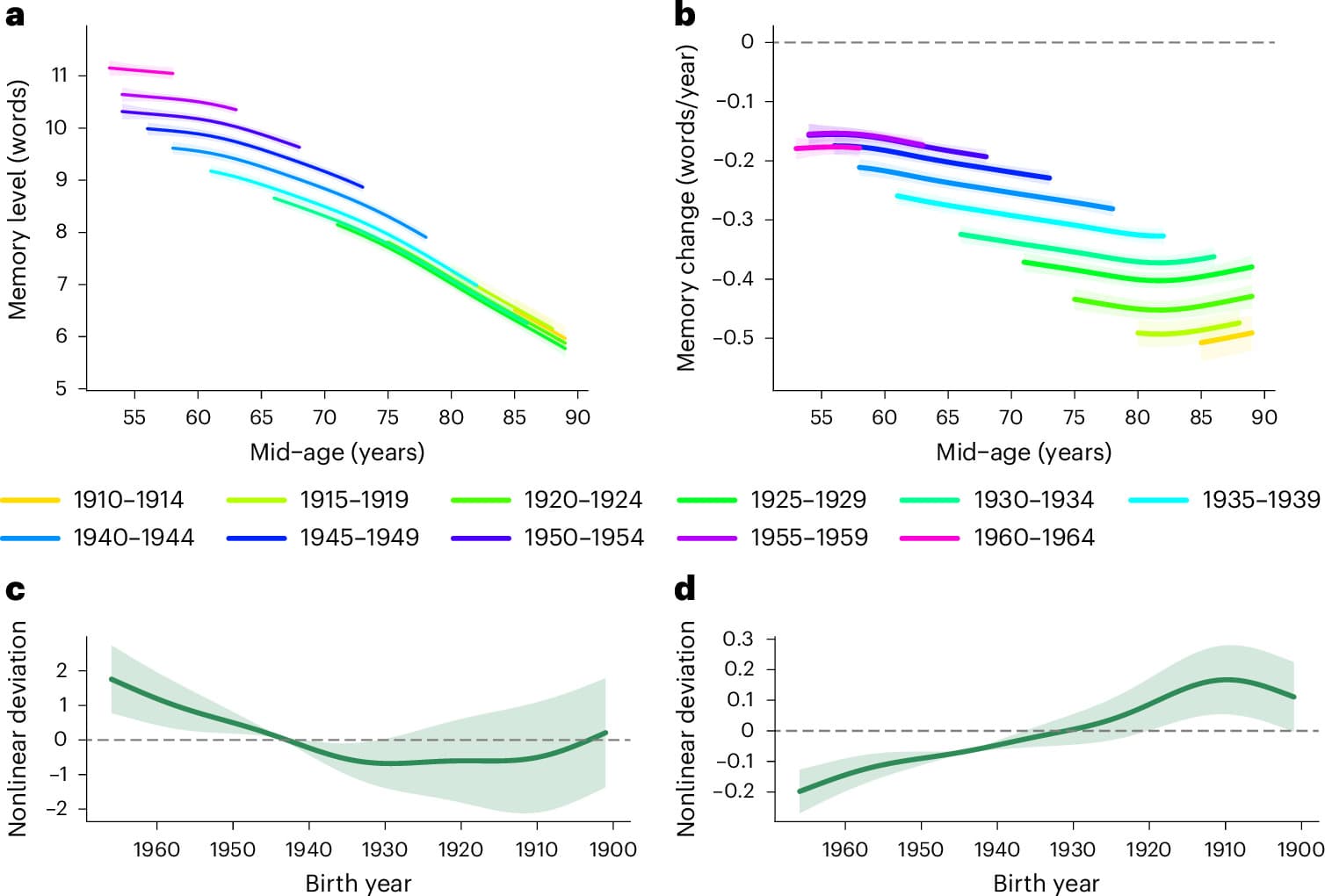
    Episodic memory level and change by birth cohort across overlapping age ranges.
    Cohort · 219,000 peoplePopulations
    Who was studied219,000 individuals, up to 30 years
    What changedLater-born generations entered old age with better memory and experienced slower memory decline afterward
    The catchMemory improvements serve as a stand-in for the proposed reduction in dementia incidence
    Paper
    GeroScience·12 h

    Poor oral health linked to signs of faster aging in older adults

    A DNA-based aging measure statistically accounted for 28.9% of the association between tooth loss and death from any cause in 1,764 older adults.A DNA-based aging measure statistically accounted for 28.9% of the association between tooth loss and death from any cause in 1,764 older adults.

    Figure from GeroScience
    Cohort · 1,764 peoplePopulations
    Who was studied1,764 older adults, median 17.4 years, against participants without periodontitis
    What changedPeople with periodontitis had higher DNA-based aging estimates than people without periodontitis
    The catchAging was estimated from chemical tags on DNA, not measured directly
    Paper

    YesterdayMon, Nov 16Monday, November 163 papers

    Environment International·Yesterday

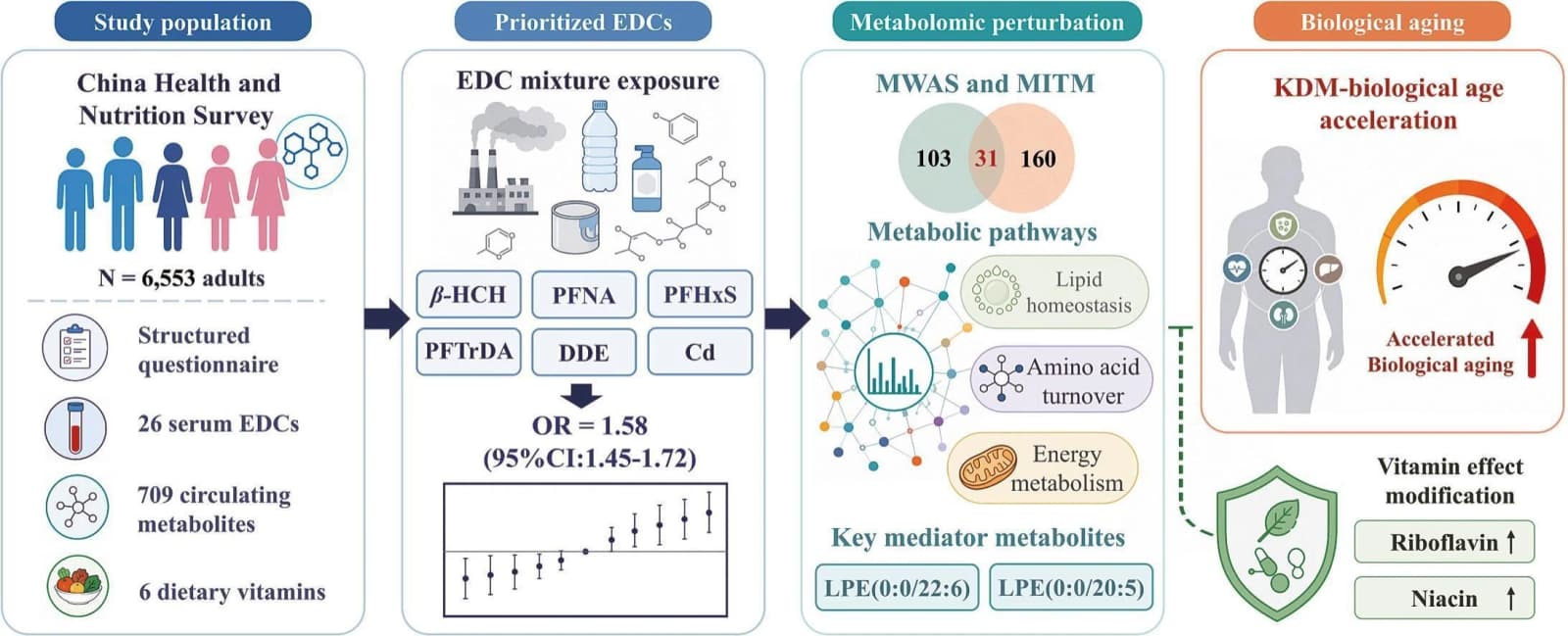
    Chemical mixture linked to faster biological aging in adults

    In 6,553 adults, combined exposure to six chemicals was linked to biological age acceleration, with an odds ratio of 1.58.In 6,553 adults, combined exposure to six chemicals was linked to biological age acceleration, with an odds ratio of 1.58. The 6,553 adults from the China Health and Nutrition Survey were studied in a cross-sectional analysis of…

    Figure from Environment International
    Cross-sectional · 6,553 peoplePopulations
    Who was studied6,553 adults from China Health and Nutrition Survey
    What changedHigher combined chemical exposure was linked to higher odds of faster biological aging (odds ratio 1.58)
    The catchBiological aging could precede higher measured chemical exposure, rather than result from it
    Paper
    Archives of Gerontology and Geriatrics·Yesterday

    Walking-speed age patterns varied across six aging cohorts

    The modeled walking-speed transition midpoint was 82.44 years in the UK cohort versus 56.70 years in South Africa, where the estimate extended beyond observed ages.The modeled walking-speed transition midpoint was 82.44 years in the UK cohort versus 56.70 years in South Africa, where the estimate extended beyond observed ages.

    Figure from Archives of Gerontology and Geriatrics
    Cross-sectional studyPopulations
    Who was studiedParticipants in aging cohorts, against South African cohort
    What changedThe modeled walking-speed transition midpoint was 82.44 years in the UK cohort versus 56.70 years in South Africa
    The catchThe South African midpoint was extrapolated below the observed age range
    Paper
    The Journals of Gerontology, Series A·Yesterday

    Low activity linked to life expectancy gaps in older adults

    Models attributed 35.4% of men's education-related gap in years without disability and 54.5% of their total life expectancy gap to low activity.Models attributed 35.4% of men's education-related gap in years without disability and 54.5% of their total life expectancy gap to low activity.

    Upright, faceless people stand or walk in a central gathering, with fewer gray standing figures and a larger walking group beside small houses.
    Cohort · 754 peoplePopulations
    Who was studied754 adults aged 70 or older
    What changedModels attributed 54.5% of men's education-related gap in total life expectancy to low activity
    The catchPoorer health could explain both low activity and shorter survival
    Paper

    Fri, Nov 136 papers

    EBioMedicine·Nov 13

    Four blood proteins linked to health and longevity in families

    A cohort study followed 852 older siblings and 2,282 offspring and partners for up to 22 years, linking four blood proteins to longer survival.A cohort study followed 852 older siblings and 2,282 offspring and partners for up to 22 years, linking four blood proteins to longer survival. Researchers measured 326 proteins in blood plasma, the liquid part of blood.

    Figure from EBioMedicine
    Cohort · 3,134 peopleBiomarkers
    Who was studied3,134 nonagenarian siblings, their children, and partners, up to 22 years
    What changedHigher GSN, F2, and CRTAC1 and lower HP were linked to longer survival, better cardiometabolic health, and greater familial longevity
    The catchUnmeasured socioeconomic differences could explain some protein associations with health and longevity
    Paper
    Nature Communications·Nov 13

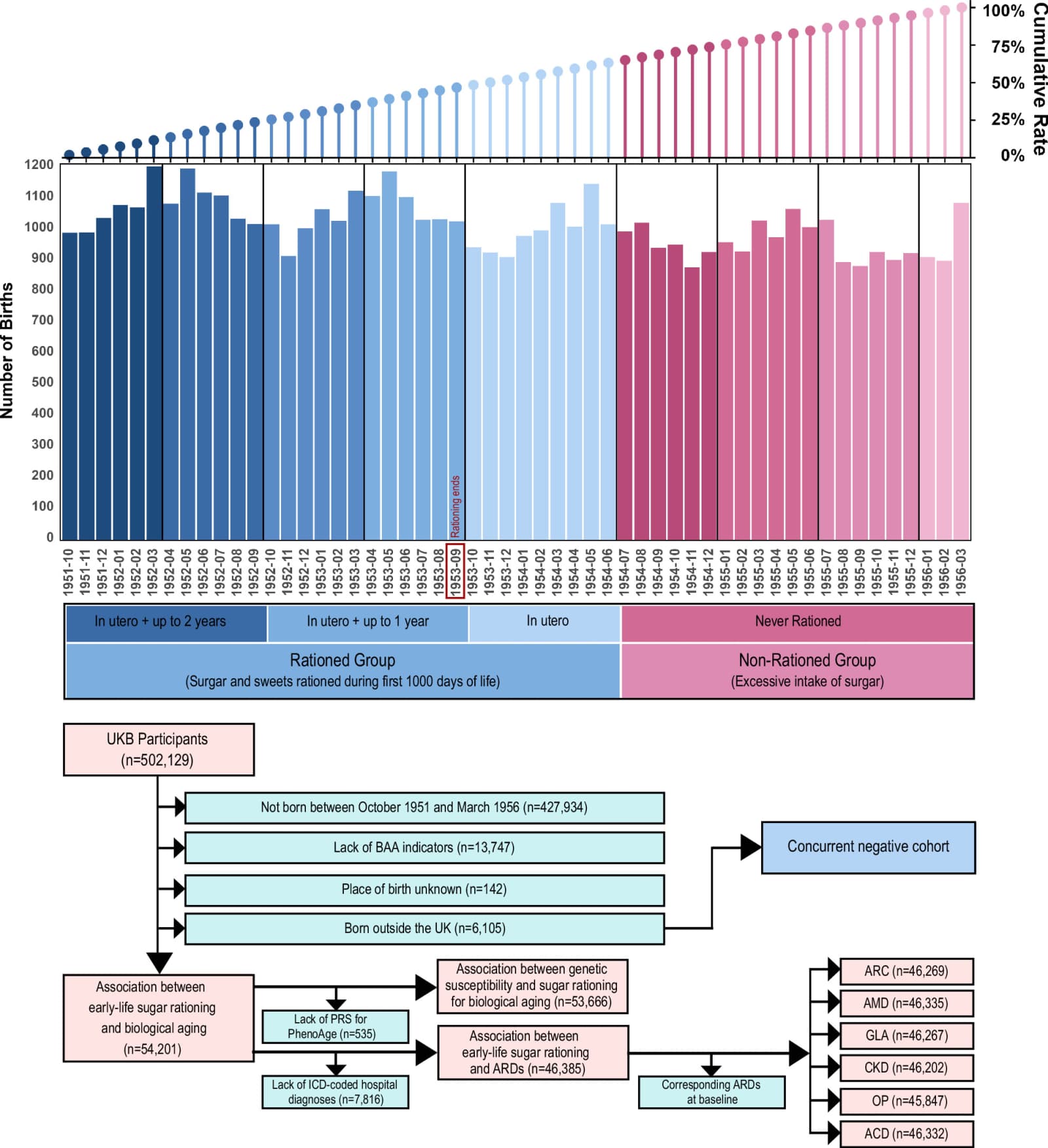
    Early sugar rationing linked to signs of slower aging

    The natural experiment included 54,201 UK Biobank participants, with stronger associations among those exposed to rationing for longer during early life.The natural experiment included 54,201 UK Biobank participants, with stronger associations among those exposed to rationing for longer during early life.

    Figure from Nature Communications
    Cohort · 54,201 peoplePopulations
    Who was studied54,201 UK Biobank participants, against people unexposed to sugar rationing
    What changedEstimated biological age relative to age in years was lower among people exposed to early-life sugar rationing than unexposed people
    The catchEstimated biological age was a stand-in measure for aging
    Paper
    Nature Aging·Nov 13

    Older adults had weaker brain fluid flow waves during sleep

    Nighttime scans of 31 young and 41 older adults linked reduced fluid flow to weaker waves of brain activity and blood-volume change.Nighttime scans of 31 young and 41 older adults linked reduced fluid flow to weaker waves of brain activity and blood-volume change. Adults aged 18–39 (31 people) and 60–84 (41 people) underwent nighttime brain scans and…

    Multimodal imaging of neural, hemodynamic and CSF flow dynamics in NREM sleep.
    Cross-sectional studySLEEP
    Who was studiedYoung and older adults, against younger adults
    What changedBrain fluid wave power rose less from wakefulness to sleep in older adults: 1.15 dB against 3.82 dB in younger adults
    The catchBlood pressure, hydration and sleep deprivation history were unmeasured and could affect fluid flow
    Paper
    BMC Geriatrics·Nov 13

    Four patterns of physical and mental capacity in older Chinese adults

    Among 7,151 older adults, those impaired across all areas had 26.53 times the odds of disability in daily activities compared with the strongest group.Among 7,151 older adults, those impaired across all areas had 26.53 times the odds of disability in daily activities compared with the strongest group.

    Latent profiles of intrinsic capacity based on five functional domains.
    Cross-sectional · 7,151 peoplePopulations
    Who was studied7,151 community-dwelling older adults in China
    What changedFour patterns of physical and mental capacity emerged: robust, discordant, intermediate, and globally impaired
    The catchPrior falls may have caused reduced activity and functional decline within the Discordant Capacity profile
    Paper
    European Journal of Ageing·Nov 13

    Hobbies linked to lower risk of cognitive decline in older adults

    Older adults with hobbies had a 20–40% lower relative risk of moving from normal cognition to mild decline in three of four cohorts, compared with nonparticipants.Older adults with hobbies had a 20–40% lower relative risk of moving from normal cognition to mild decline in three of four cohorts, compared with nonparticipants.

    Faceless people gather around books and a guitar, mostly dark blue-green, beside a smaller group with more gray figures.
    Cohort · 123,802 peoplePopulations
    Who was studied123,802 adults aged 50 years and older, against people without hobby engagement
    What changedMild cognitive decline risk was 20-40% lower among hobby participants than nonparticipants in three of four cohorts
    The catchPersonality traits, genetic predispositions, and early-life socioeconomic conditions could partly explain the association
    Paper
    Scientific Reports·Nov 13

    Faster biological aging linked to heart disease and death

    Accelerated biological aging was linked to 2.3-fold higher relative death risk in men and 1.8-fold higher risk in women, compared with slower biological aging.Accelerated biological aging was linked to 2.3-fold higher relative death risk in men and 1.8-fold higher risk in women, compared with slower biological aging.

    Multivariable-adjusted association of accelerated biological age (decelerated BA as referent) with the risk of outcome events, separately for men and women.
    Cohort · 3,046 peopleBiomarkers
    Who was studied3,046 Framingham Offspring Study participants, median 26 years
    What changedDeath risk was approximately 2-fold higher with accelerated biological aging than with decelerated aging in both men and women
    The catchBiological age estimates omitted potentially relevant biomarkers unavailable at some visits
    Paper

    Thu, Nov 124 papers

    The Lancet Digital Health·Nov 12

    Health-record aging measure linked to disease and death

    An aging measure developed in 320,891 UK Biobank participants was linked to all 20 non-cancer diseases assessed in two UK datasets.An aging measure developed in 320,891 UK Biobank participants was linked to all 20 non-cancer diseases assessed in two UK datasets. Women and men in UK Biobank—320,891 participants, with a median age of 58—and a UK primary care…

    Figure from The Lancet Digital Health
    Cohort · 4,728,376 peopleBiomarkers
    Who was studied4,728,376 UK primary care patients
    What changedHigher ClinicalAge was linked to higher risk of death from any cause in primary care patients (adjusted hazard ratio 1·36)
    The catchExisting illness and health care use could explain links with later disease or death
    Paper
    Demography·Nov 12

    Citizenship and Immigrant Longevity: Evidence From U.S. Census–Linked Social Security Administration Death Records
    Cohort study in peoplePopulations
    Paper
    Cardiovascular Diabetology·Nov 12

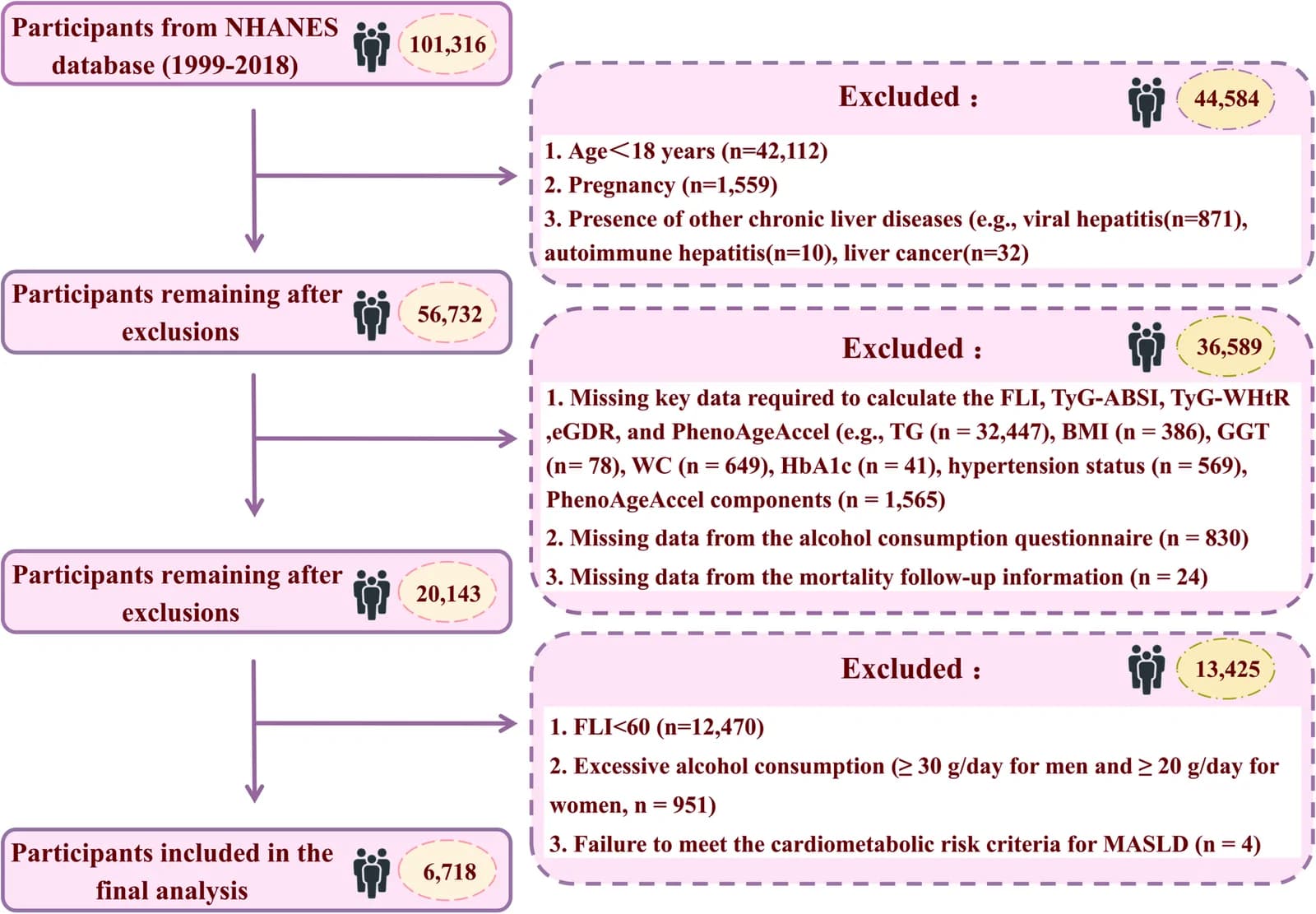
    Joint effects of phenotypic age acceleration and novel insulin resistance indicators on mortality in adults with metabolic dysfunction-associated steatotic liver disease: a prospective cohort study

    Flowchart of participant selection from the NHANES 1999–2018 database (n = 6,718)
    Cohort study of 6,718 peopleMetabolic dysfunction-associated steatotic liver disease
    Paper
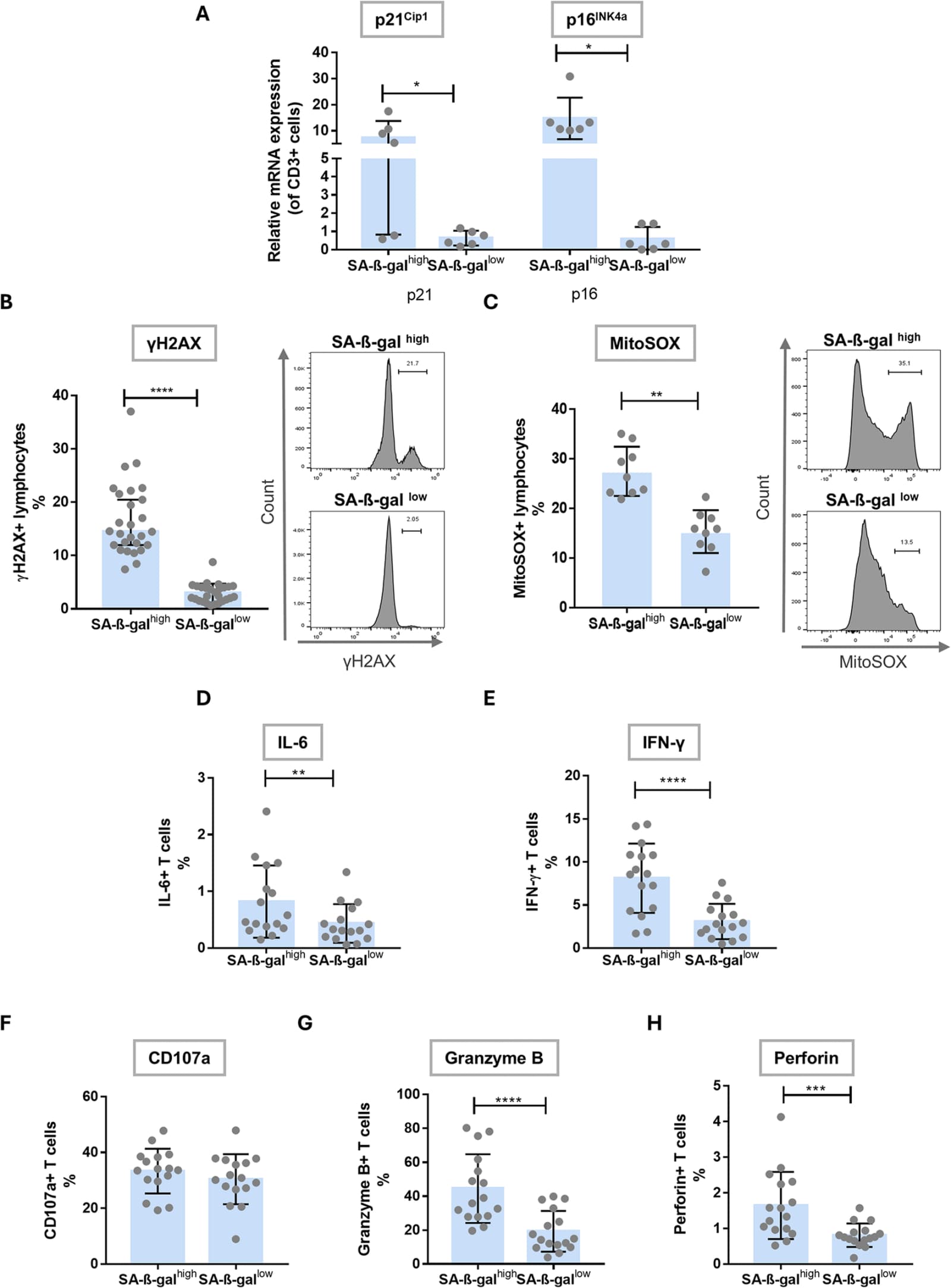
    Immunity & Ageing·Nov 12

    Immune cell aging marker linked to age and decline in adults

    An observational study of 208 Cuban adults aged 20–104 linked an immune cell marker to age, poorer physical function and cognitive decline.An observational study of 208 Cuban adults aged 20–104 linked an immune cell marker to age, poorer physical function and cognitive decline.

    Figure from Immunity & Ageing
    Cross-sectional · 208 peopleBlood and immune system
    Who was studied208 Cuban adults
    What changedImmune cell aging markers increased with age and were linked to poorer thinking skills and physical function
    The catchImmune cell changes could reflect age-related decline rather than contribute to poorer function
    Paper

    Wed, Nov 113 papers

    Nature·Nov 11

    Blood cell takeovers linked to future acute myeloid leukemia

    Later cancer-promoting mutations were linked to growth advantages up to 100-fold larger than those of early mutations in blood cell families.Later cancer-promoting mutations were linked to growth advantages up to 100-fold larger than those of early mutations in blood cell families.

    Deep sequencing of serial blood samples in the years preceding AML.
    Cohort · 420,054 peopleMechanisms
    Who was studied420,054 UK Biobank participants, against all other participants
    What changedFuture myeloid leukemia was more common with blood-cell takeovers than without: 42 prospective cases among 388 participants with takeovers
    The catchFiltering inherited variants can also remove blood-cell takeovers from detection
    Paper
    Radiology Artificial Intelligence·Nov 11

    MRI brain-age gap linked to later clinical worsening

    Age estimates differed from actual ages by an average of 3.76 years in internal testing and 4.82–5.15 years in external testing.Age estimates differed from actual ages by an average of 3.76 years in internal testing and 4.82–5.15 years in external testing. Brain MRI scans from 4,346 adults with normal thinking and memory were used to develop an…

    Brain cross-sections show sparse white spots in gray tissue and extensive white patches in dark blue-green tissue, with small upright groups of people.
    Cohort · 954 peopleBrain age
    Who was studied954 people with normal cognition or various dementias
    What changedLater clinical worsening was more likely with a larger brain-age gap (hazard ratio 1.92)
    The catchChronological age was the training target, not a direct measure of biological brain aging
    Paper
    Experimental Gerontology·Nov 11

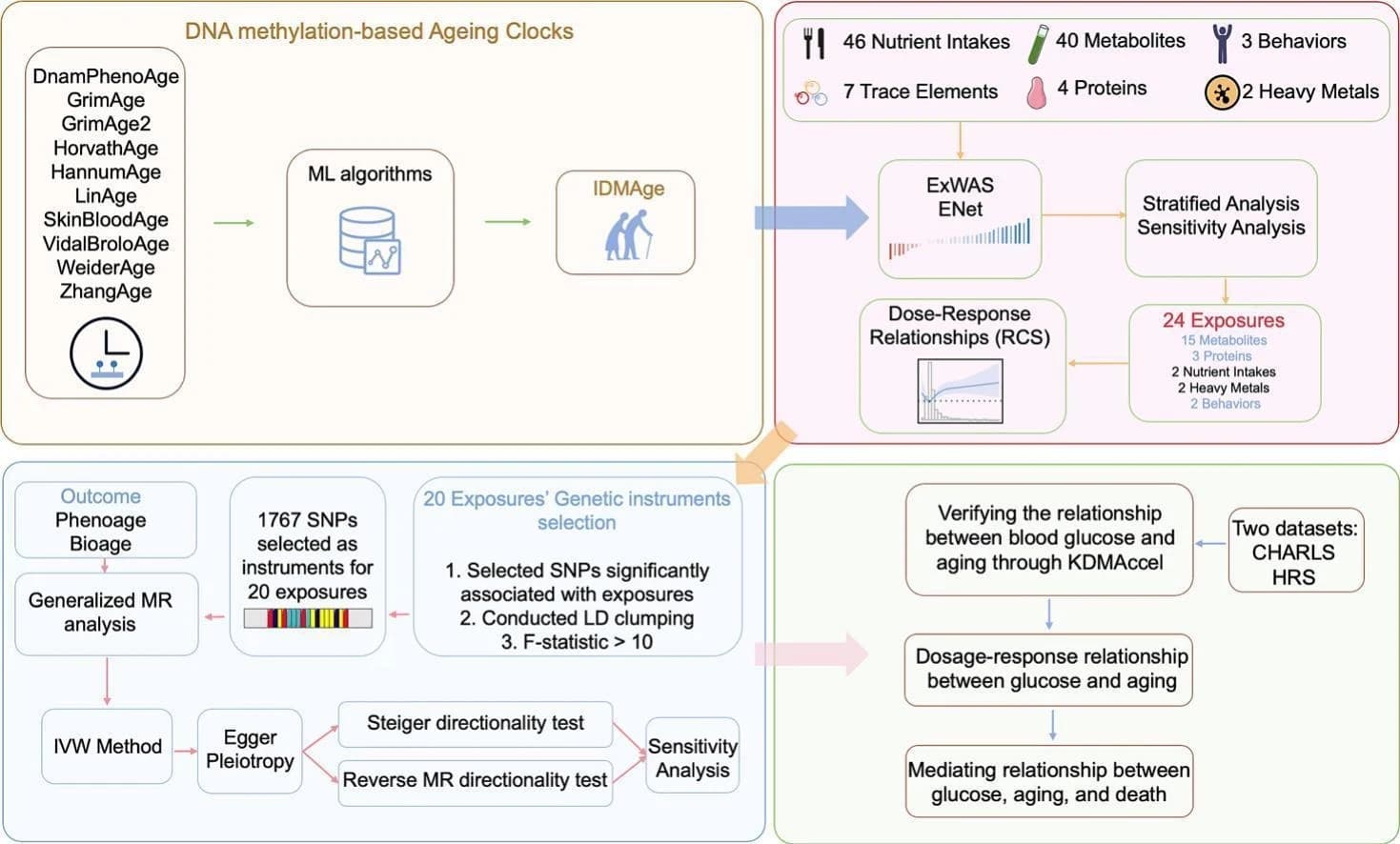
    Analysis of exposures linked to age acceleration using epigenetic and biological clocks

    Figure from Experimental Gerontology
    Cohort study in peopleBiomarkers
    Paper

    Tue, Nov 101 paper

    Neurology·Nov 10

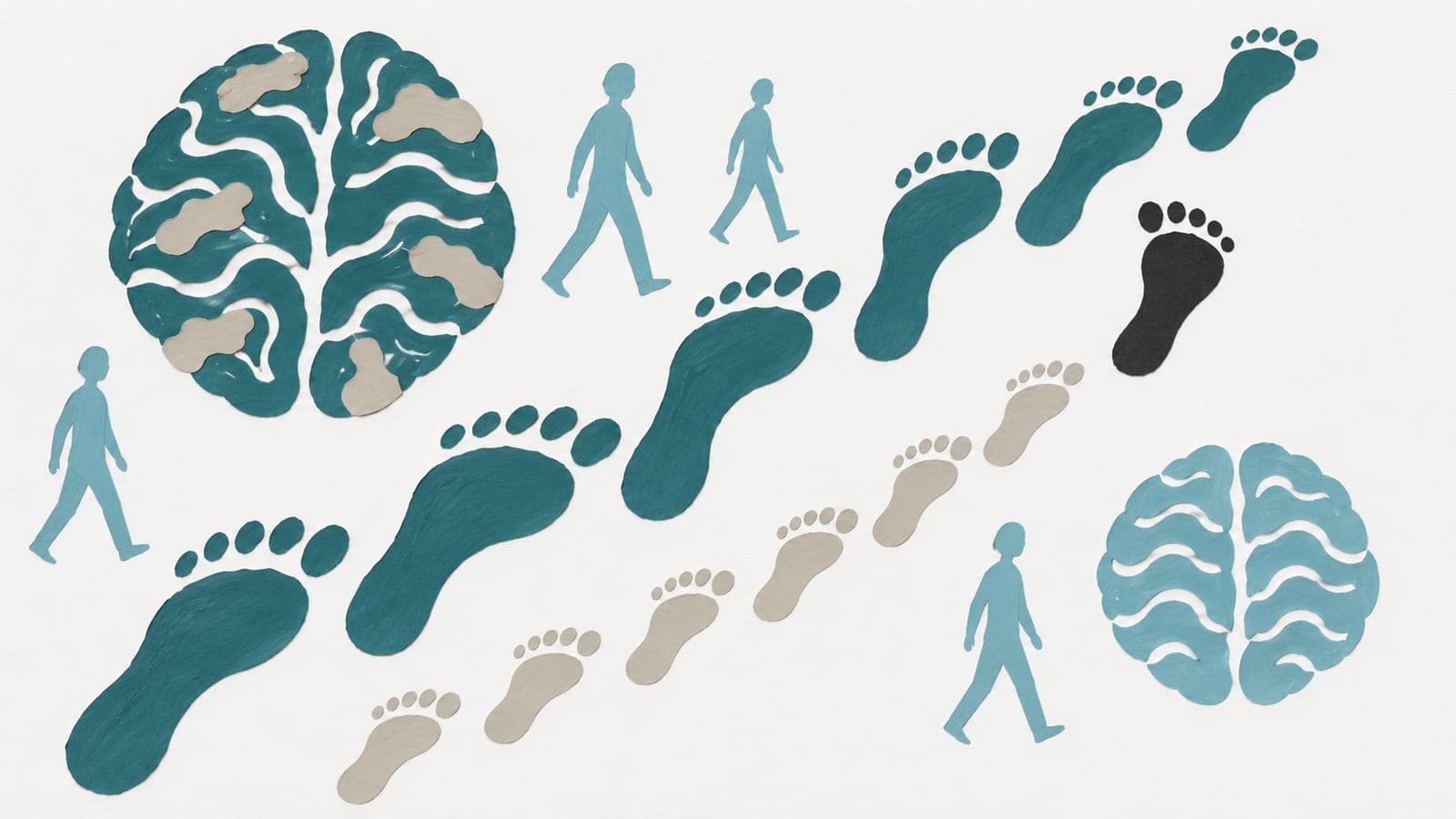
    Walking age gap linked to later cognitive impairment

    Each extra year of walking-based age above actual age was associated with a 7% higher relative risk of future cognitive impairment in initially cognitively normal adults.Each extra year of walking-based age above actual age was associated with a 7% higher relative risk of future cognitive impairment in initially cognitively normal adults.

    Footprints form uneven dark blue-green and regular gray trails beside upright walkers and brains with patched versus uninterrupted folds.
    Cohort · 5,794 peopleCognitive impairment
    Who was studied5,794 adults without a known gait disorder
    What changedFuture cognitive impairment risk was 7% higher per extra walking-based age year above actual age in initially cognitively normal adults
    The catchPeople with known gait disorders were excluded from the analysis
    Paper

    Mon, Nov 93 papers

    EBioMedicine·Nov 9

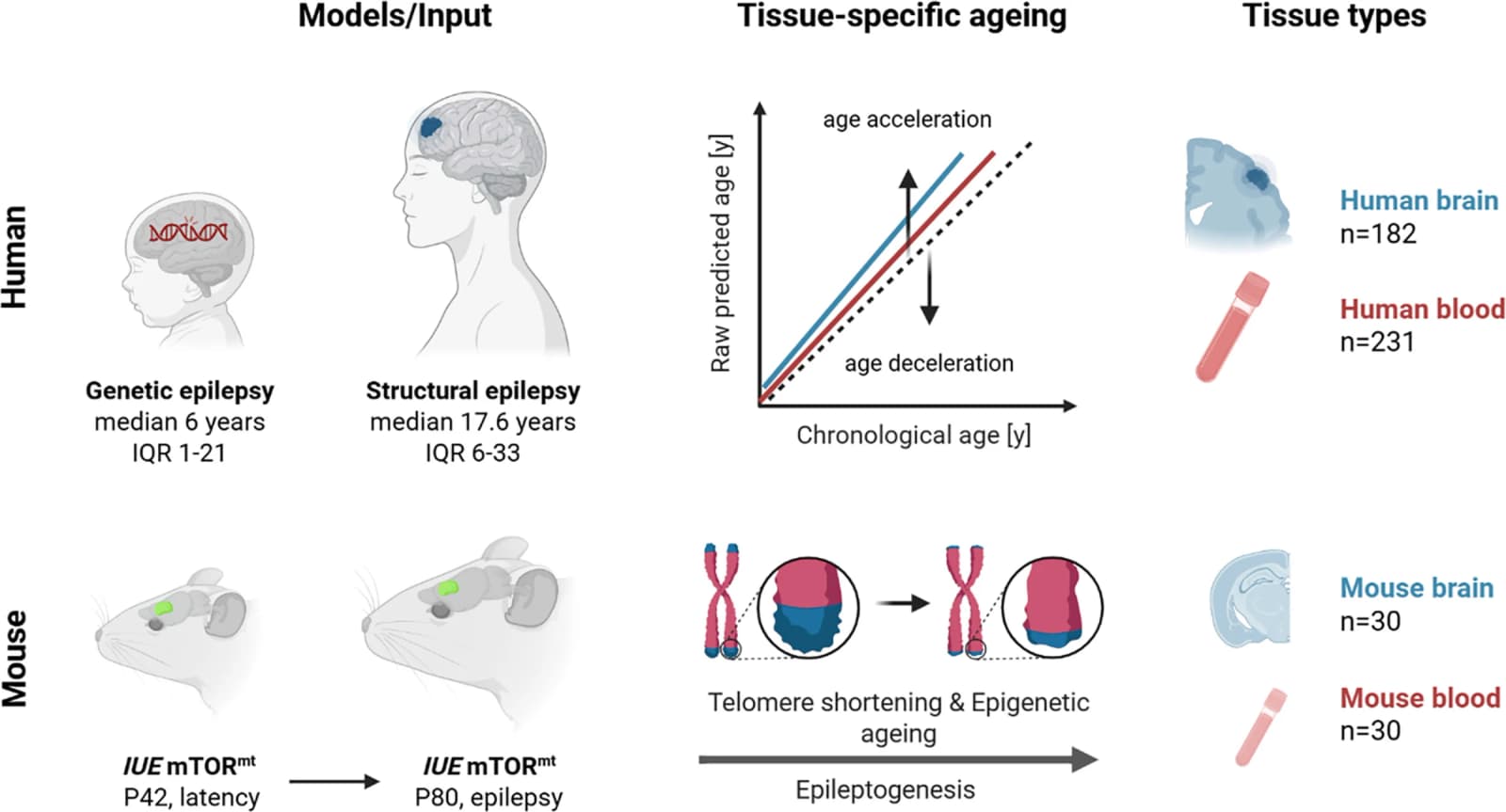
    Brain DNA marks pointed to faster aging in structural epilepsy

    In people with structural epilepsy, DNA-based age acceleration was greater in brain than blood, with median values of 7.3 versus 1.4 years.In people with structural epilepsy, DNA-based age acceleration was greater in brain than blood, with median values of 7.3 versus 1.4 years.

    Figure from EBioMedicine
    Cross-sectional studyEpilepsy
    Who was studiedPeople with structural epilepsy
    What changedDNA-based age acceleration was greater in brain than blood in structural epilepsy: median 7.3 versus 1.4 years
    The catchDNA-based clocks estimated age rather than measuring aging rates over time
    Paper
    AHA Scientific Sessions 2026 Abstract·Nov 9

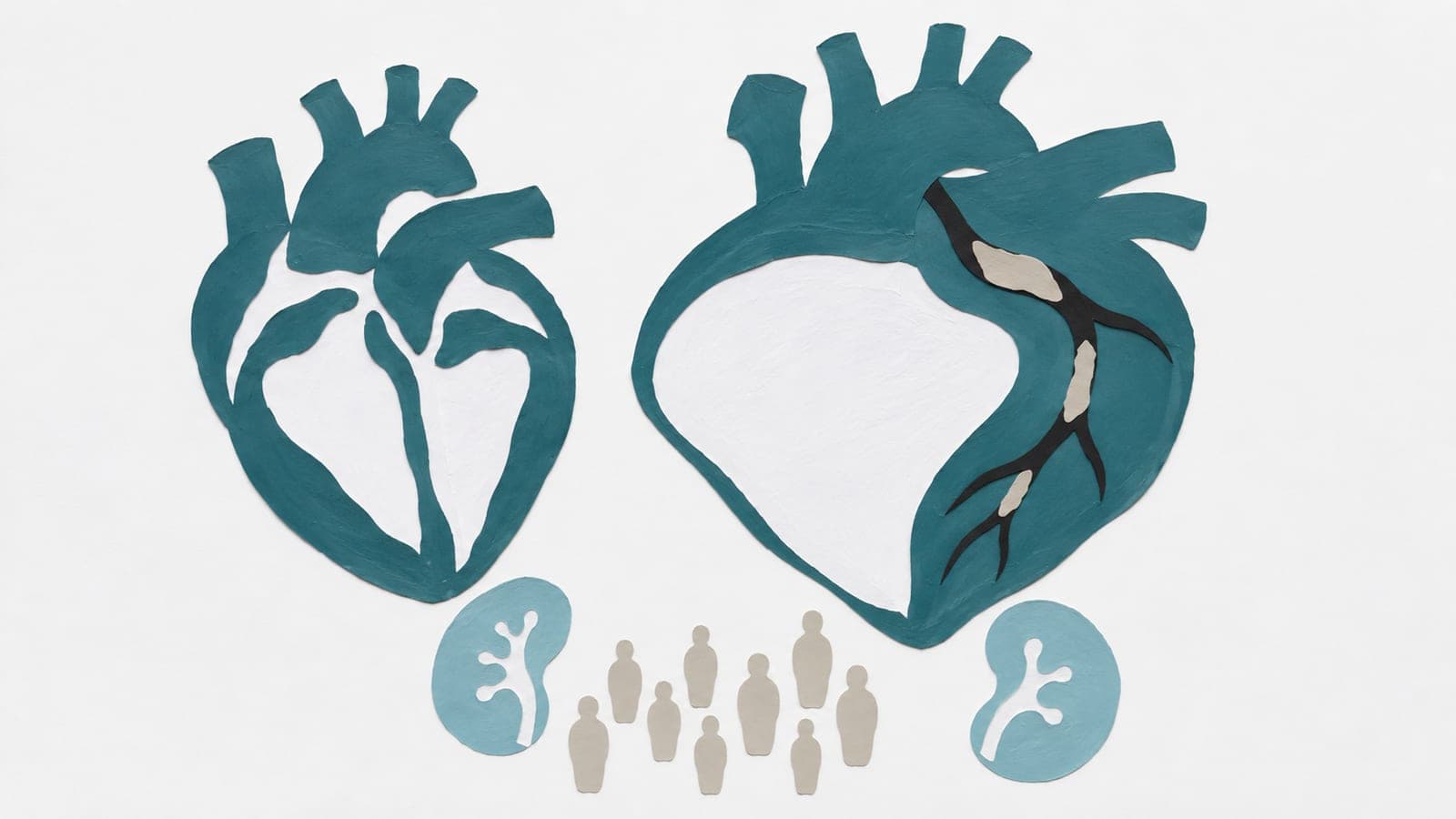
    Health-based age estimate linked to higher death risk

    Deaths occurred in 27.7% of adults in the highest quarter of estimated age acceleration versus 20.8% of others, with follow-up through 2019.Deaths occurred in 27.7% of adults in the highest quarter of estimated age acceleration versus 20.8% of others, with follow-up through 2019.

    Heart cross-sections contrast thick walls with an enlarged chamber and narrowed coronary artery, above small kidneys and a group of faceless people.
    Cohort · 16,766 peopleBiomarkers
    Who was studied16,766 US adults aged 40 or older, against adults in lower age-acceleration quartiles
    What changedDeath from any cause was higher in the highest age-acceleration quarter: 27.7% versus 20.8% among other adults
    The catchExisting illness may explain part of the association with death
    Paper
    AHA Scientific Sessions 2026 Abstract·Nov 9

    Physical tests better predicted deaths in older Japanese adults

    Adults with signs of physical frailty had twice the relative risk of death compared with robust adults over a median 7.5 years.Adults with signs of physical frailty had twice the relative risk of death compared with robust adults over a median 7.5 years. Independent Japanese older adults—967 people averaging 72 years old, 32.2% men, without serious…

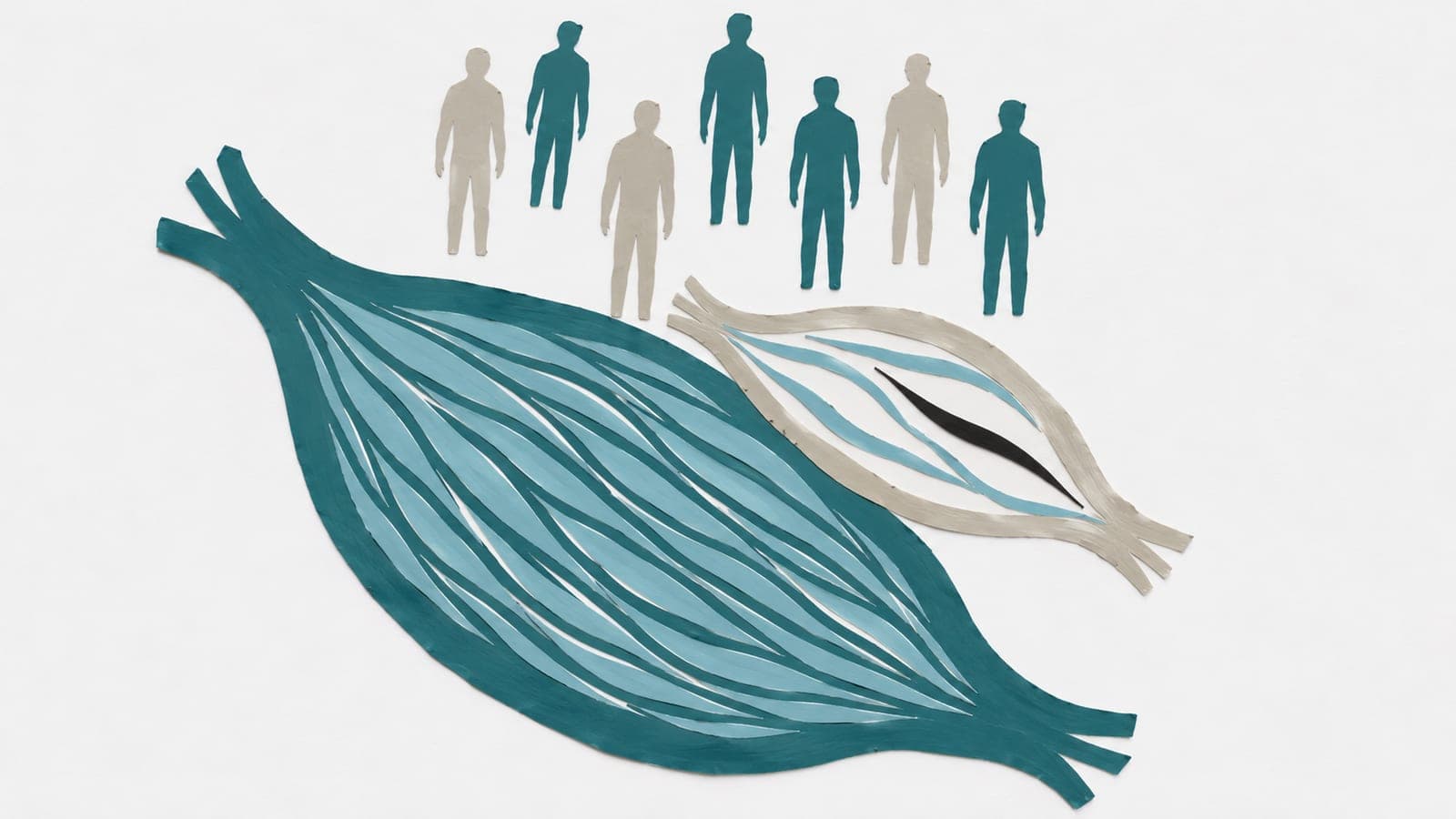
    Muscle bundles with dense fibers in dark blue-green and sparse fibers in gray sit beneath a group of upright, faceless people.
    Cohort · 967 peopleBiomarkers
    Who was studied967 community-dwelling independent Japanese older adults, against robust individuals
    What changedAll-cause mortality was twofold higher in non-robust adults compared with robust individuals (HR 2.0, 95%CIs 1.2-3.2)
    The catchUnderlying illness could contribute to both frailty or muscle loss and later deaths
    Paper

    Sun, Nov 81 paper

    BJOG·Nov 8

    Estrogen exposure estimates linked to longer life expectancy

    At age 45, the highest total exposure category was linked to estimated life expectancy gains of 0.64 years in the UK cohort and 1.35 in the US.At age 45, the highest total exposure category was linked to estimated life expectancy gains of 0.64 years in the UK cohort and 1.35 in the US.

    Groups of women flank intact and fragmented hearts and lungs, with molecular rings above and a dark cluster in one breast tissue section below.
    Cohort · 112,381 peoplePopulations
    Who was studied112,381 postmenopausal women
    What changedEstimated life expectancy was longer with highest total estrogen exposure: 0.64 years in UK Biobank and 1.35 years in US NHANES
    The catchReproductive histories served as proxies for estrogen exposure
    Paper

    Sat, Nov 76 papers

    Biological Psychiatry·Nov 7

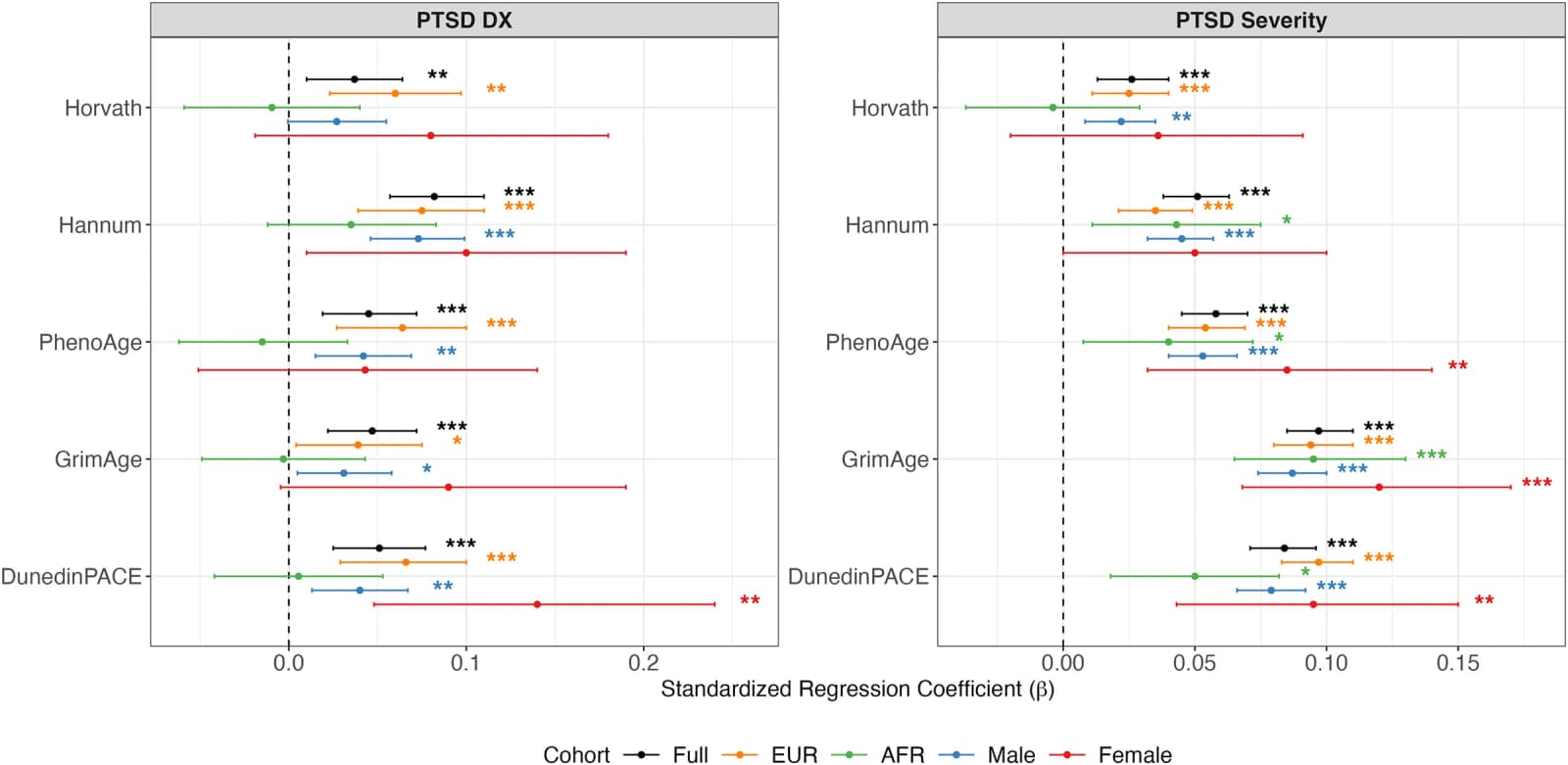
    Posttraumatic stress disorder linked to older biological age

    Greater symptom severity was linked to up to about two years of advanced age on one DNA-based measure among 21,999 US veterans.Greater symptom severity was linked to up to about two years of advanced age on one DNA-based measure among 21,999 US veterans. US military veterans—43,155 people, 92.96% male—were studied in an observational analysis of…

    Figure from Biological Psychiatry
    Cross-sectional · 21,999 peoplePosttraumatic stress disorder
    Who was studied21,999 US military veterans with PTSD severity data
    What changedVeterans with the highest PTSD symptom severity had epigenetic ages 23.7 months older than those with the lowest severity
    The catchPTSD severity was measured concurrently with epigenetic age, so the direction could be reversed
    Paper
    Diabetes Research and Clinical Practice·Nov 7

    Relation of advanced cardiovascular-kidney-metabolic syndrome with mortality risk in cancer survivors: joint effect and mediating role of PhenoAge acceleration

    Figure from Diabetes Research and Clinical Practice
    Cohort study of 2,781 peopleAdvanced cardiovascular-kidney-metabolic syndrome
    Paper
    Clinical Epigenetics·Nov 7

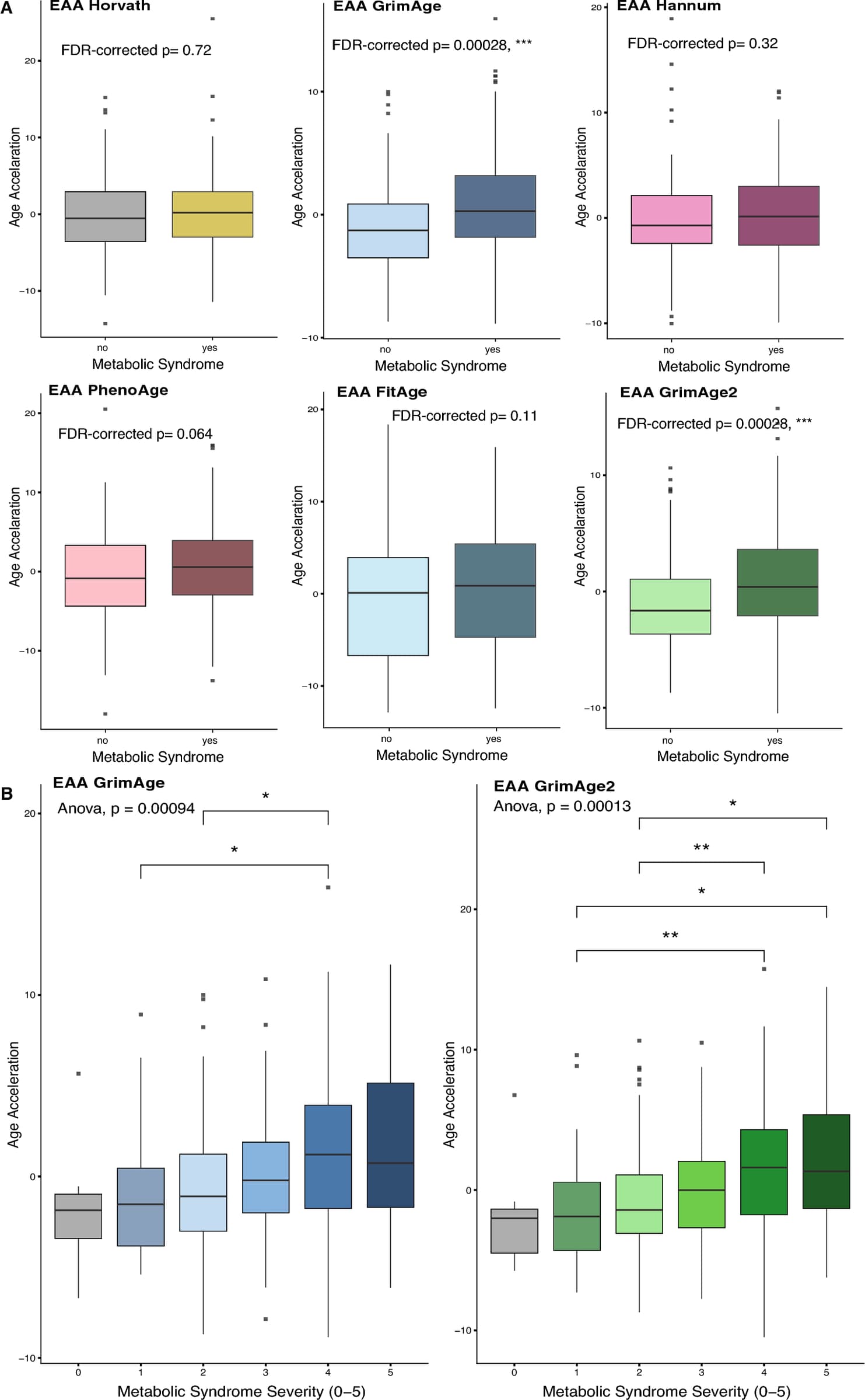
    Epigenetic age acceleration is associated with metabolic syndrome and vascular stiffness in adults with overweight and obesity: an observational cohort study

    Figure from Clinical Epigenetics
    Cross-sectional study of 563 peopleGrimAge
    Paper
    Aging Cell·Nov 7

    Immune cells may link aging and osteoporosis in humans

    An observational analysis of 278,164 UK Biobank participants and analyses of human genetic data linked aging and osteoporosis-related traits in both directions.An observational analysis of 278,164 UK Biobank participants and analyses of human genetic data linked aging and osteoporosis-related traits in both directions.

    The potential association between aging and osteoporosis.
    Computational studyBones and joints
    Who was studiedHuman participants and bone marrow cells
    What changedMacrophages were linked to both aging and bone density; human validation linked macrophages most strongly to aging
    The catchMacrophage associations relied on cell-population averages rather than individual-cell gene expression
    Paper
    Geriatrics & Gerontology International·Nov 7

    Health ratings showed no clear trend from ages 70 to 100

    At assessments from ages 70 to 100, 22% to 44% said they did not feel healthy, without a clear trend over time.At assessments from ages 70 to 100, 22% to 44% said they did not feel healthy, without a clear trend over time. Community-dwelling Jerusalem adults born in 1920–1921 were assessed between ages 70 and 100 in a cross-sectional and…

    Figure from Geriatrics & Gerontology International
    Cohort studyPopulations
    Who was studiedCommunity-dwelling Jerusalem adults, 1990–2021
    What changedPoor self-rated health ranged from 22% to 44%, with no clear trend as people aged
    The catchComparisons at age 100 included only survivors, leaving out people who died earlier
    Paper
    AHA Scientific Sessions 2026 Abstract·Nov 7

    Protein-based age measures differ by heart failure type

    A retrospective comparison of 269 people with one heart failure form, 275 with another and 186 controls found different protein-based aging patterns.A retrospective comparison of 269 people with one heart failure form, 275 with another and 186 controls found different protein-based aging patterns.

    A heart cutaway with enlarged chambers and thin walls sits beside smaller, thicker-walled hearts and scattered folded proteins.
    Cohort studyHeart failure
    Who was studiedPeople with heart failure and controls, 10 years, against HFpEF
    What changedHeart biological age gaps were higher in heart failure with reduced ejection fraction than with preserved ejection fraction
    The catchHeart failure may alter protein profiles instead of aging profiles preceding the disease
    Paper

    Fri, Nov 62 papers

    Environmental Research·Nov 6

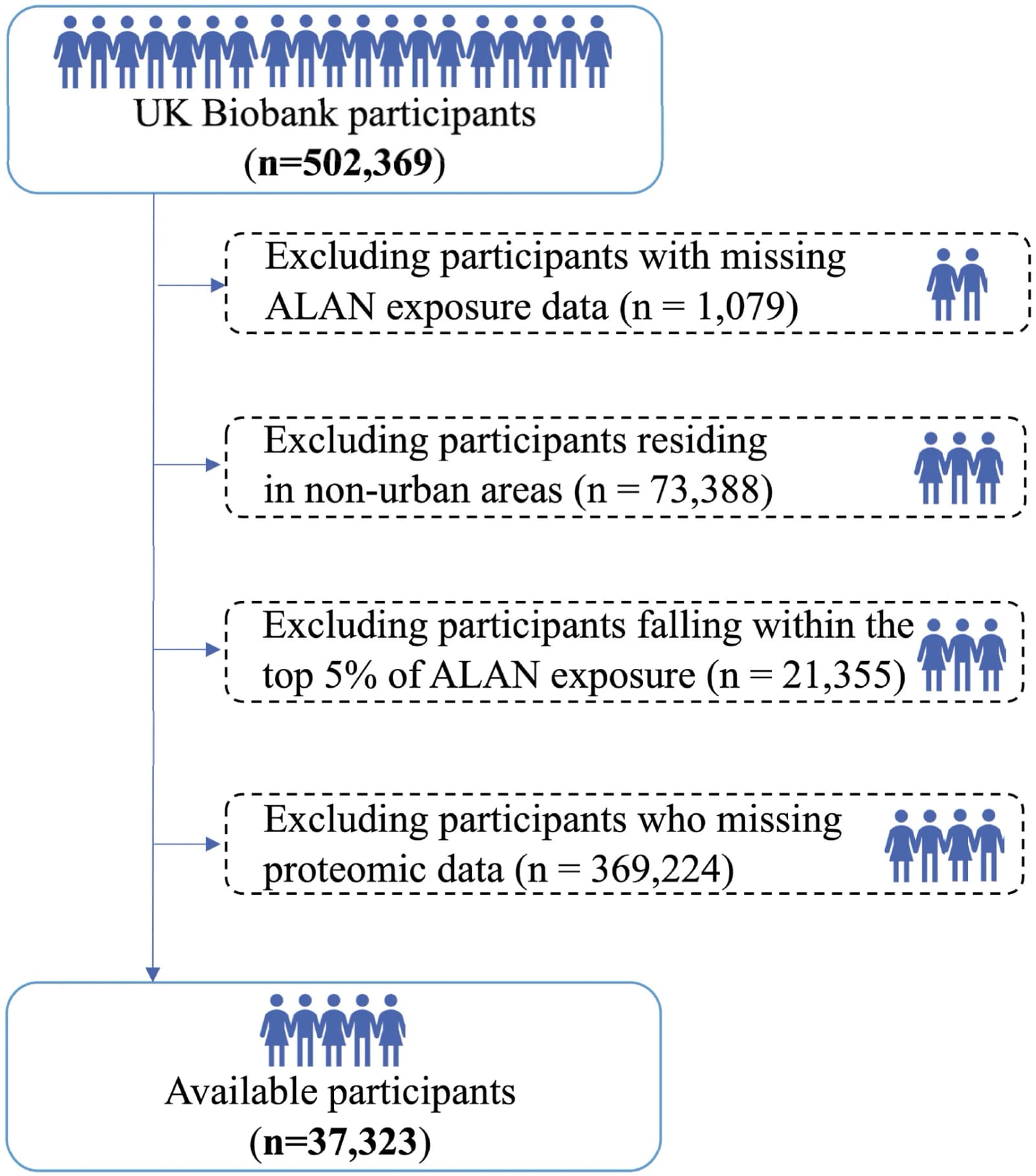
    Nighttime light linked to signs of faster organ aging

    Across nighttime light exposure categories, the strongest link involved protein-based brain aging, with a statistical association estimate of 0.21.Across nighttime light exposure categories, the strongest link involved protein-based brain aging, with a statistical association estimate of 0.21.

    Figure from Environmental Research
    Cross-sectional · 37,323 peoplePopulations
    Who was studied37,323 middle-aged and older urban UK Biobank participants
    What changedProtein-based brain aging was higher among participants with higher nighttime light exposure than those with lower exposure
    The catchOrgan aging was estimated indirectly from blood proteins
    Paper
    Epigenetics & Chromatin·Nov 6

    Immune cell gene activity linked to DNA-based aging measures

    The analysis identified 22 links between immune cell gene activity and aging measures, with strong evidence of a shared genetic signal for 14.The analysis identified 22 links between immune cell gene activity and aging measures, with strong evidence of a shared genetic signal for 14.

    Figure from Epigenetics & Chromatin
    Mendelian randomizationImmune response
    Who was studiedOneK1K cohort participants
    What changedImmune cell gene activity had 22 links to DNA-based aging measures
    The catchOutcomes were DNA-based aging measures, not disease or lifespan outcomes
    Paper

    Thu, Nov 55 papers

    Ciencia & Saude Coletiva·Nov 5

    Healthy life expectancy in relation to oral health indicators - Campinas, São Paulo, Brazil

    Cross-sectional study in peoplePopulations
    Paper
    The Journal of Frailty & Aging·Nov 5

    Intrinsic capacity and risks of disability and mortality in octogenarians: a prospective analysis of two independent Japanese cohorts

    Flow chart of participant selection in the Kawasaki Aging and Wellbeing Project (A) and the Tokyo Oldest-Old Survey on Total Health (B)" *Numbers of missing values are shown for each variable and…
    Cohort study of 942 peopleDisability
    Paper
    The Journal of Frailty & Aging·Nov 5

    The epidemiology of frailty in urban and rural KwaZulu Natal, South Africa; a cross-sectional study

    Prevalence of pre-frailty and frailty in the study population (A) and odds of being frail (B) in the overall study population, males and females, stratified by age Odds ratio: Logistic regression…
    Cross-sectional study of 1,893 peoplePopulations
    Paper
    The Journal of Frailty & Aging·Nov 5

    Bidirectional frailty transitions in community-dwelling older adults: longitudinal findings from the Queenstown cohort

    Transitions in Clinical Frailty Scale (CFS) Status Over One Year Among Community-Dwelling Older Adults.
    Cohort study of 1,153 peoplePopulations
    Paper
    Experimental Gerontology·Nov 5

    Blood RNAs tied to frailty in older adults with cardiovascular disease

    An observational analysis of 197 older people with cardiovascular disease suggested that three small RNA molecules might serve as markers of frailty.An observational analysis of 197 older people with cardiovascular disease suggested that three small RNA molecules might serve as markers of frailty.

    Figure from Experimental Gerontology
    Cross-sectional · 197 peopleMechanisms
    Who was studied197 older people with cardiovascular disease, against non-frail people
    What changedBlood levels of two microRNAs were higher and one was lower in people with frailty than in non-frail people
    The catchRNA differences could follow existing frailty rather than precede it
    Paper

    Wed, Nov 4

    Mechanisms of Ageing and Development·Nov 4

    Free-floating DNA levels differed across human age groups

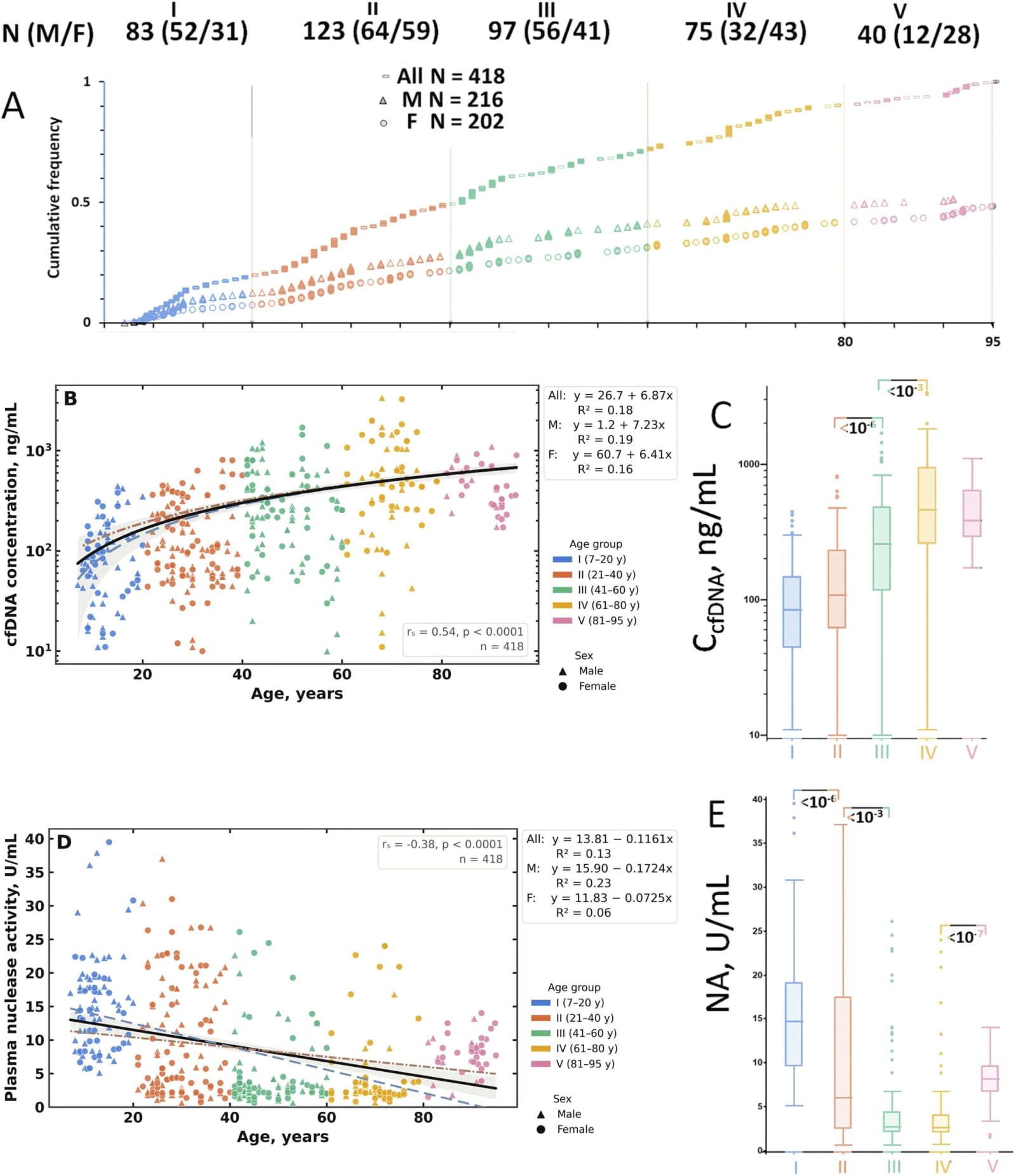
    In a cross-sectional study of 418 people aged 7–95, free-floating DNA levels increased across ages 7–80 but were lower at 81–95 than at 61–80.In a cross-sectional study of 418 people aged 7–95, free-floating DNA levels increased across ages 7–80 but were lower at 81–95 than at 61–80.

    Figure from Mechanisms of Ageing and Development
    Cross-sectional · 418 peopleMechanisms
    Who was studied418 community-dwelling participants aged 7–95 years
    What changedFree-floating DNA levels rose across ages 7–80, but were lower at 81–95 than at 61–80
    The catchIndividual changes in DNA levels over time were not measured
    Paper
    Aging·Nov 4

    Age-dependent albumin post-translational modification landscape reveals a critical midlife transition window

    Figure from Aging
    Cross-sectional study of 133 peopleMechanisms
    Paper
    The Journal of Nutrition, Health & Aging·Nov 4

    Dietary intake of methyl-donor nutrients is associated with frailty and partially mediated by oxidative stress in U.S. middle-aged and older adults

    Restricted cubic spline dose-response relationships between the Methyl-Donor Nutrient Quality Index (MNQI) and frailty status.
    Cross-sectional study of 13,528 peoplePopulations
    Paper
    Aging Cell·Nov 4

    Human brain scans link older age to more varied tissue patterns

    An observational study of 46 healthy adults aged 20–77 linked older age to less restricted water movement and larger microscopic structural scales.An observational study of 46 healthy adults aged 20–77 linked older age to less restricted water movement and larger microscopic structural scales.

    Age‐related redistribution of joint diffusion‐relaxation phenotypes across major brain tissue classes.
    Cross-sectional · 46 peopleMechanisms
    Who was studied46 cognitively unimpaired healthy adults
    What changedBrain tissue patterns were more varied at older ages
    The catchBirth-cohort differences can contribute to the apparent aging effects
    Paper