Blood RNAs tied to frailty in older adults with cardiovascular disease
An observational analysis of 197 older people with cardiovascular disease suggested that three small RNA molecules might serve as markers of frailty.

Our read
Mechanisms- Studied:
- Cross-sectional study of 197 older people with cardiovascular disease, against non-frail people
- What changed:
- Blood levels of two microRNAs were higher and one was lower in people with frailty than in non-frail people
- The catch:
- RNA differences could follow existing frailty rather than precede it
- Why it’s aging research:
- It measures an outcome that worsens with age.
Editor of record: Boris Djordjevic · AgingResearch.News
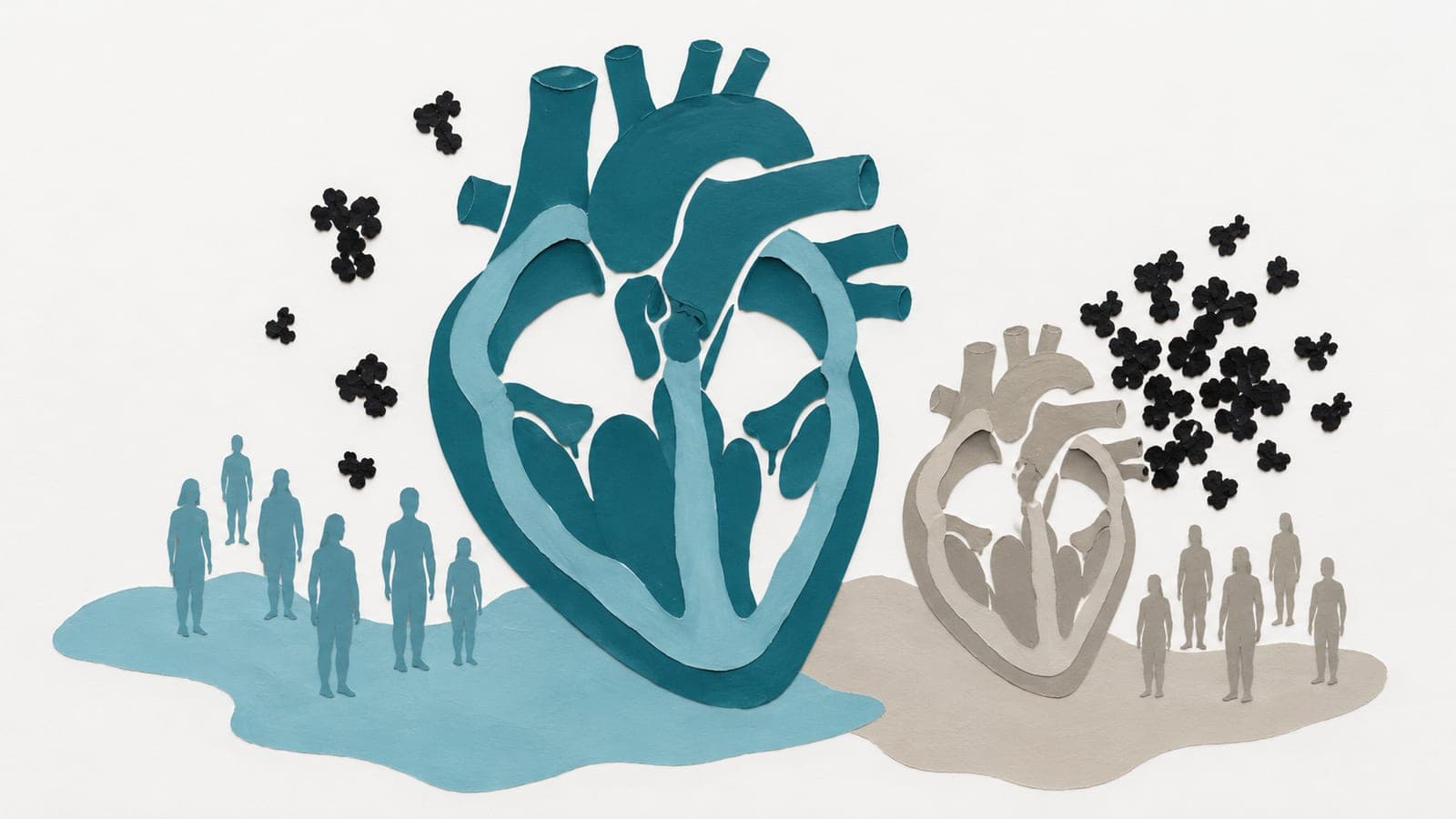
Among 197 older people with cardiovascular disease, an observational analysis linked three microRNAs—small RNA molecules that regulate gene activity—in blood plasma to frailty. The participants came from a rehabilitation trial, but this analysis examined associations rather than the intervention’s effects.
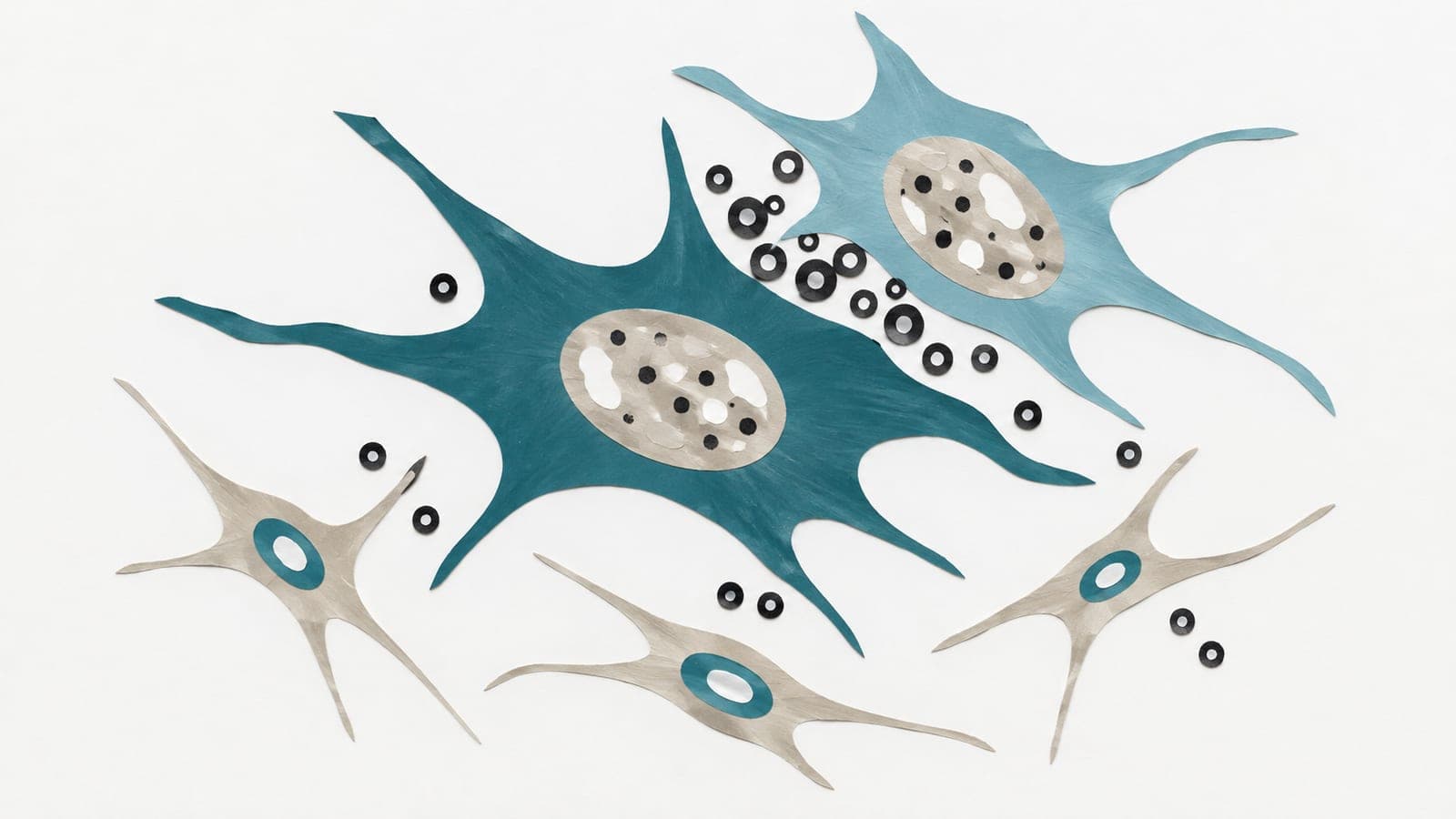
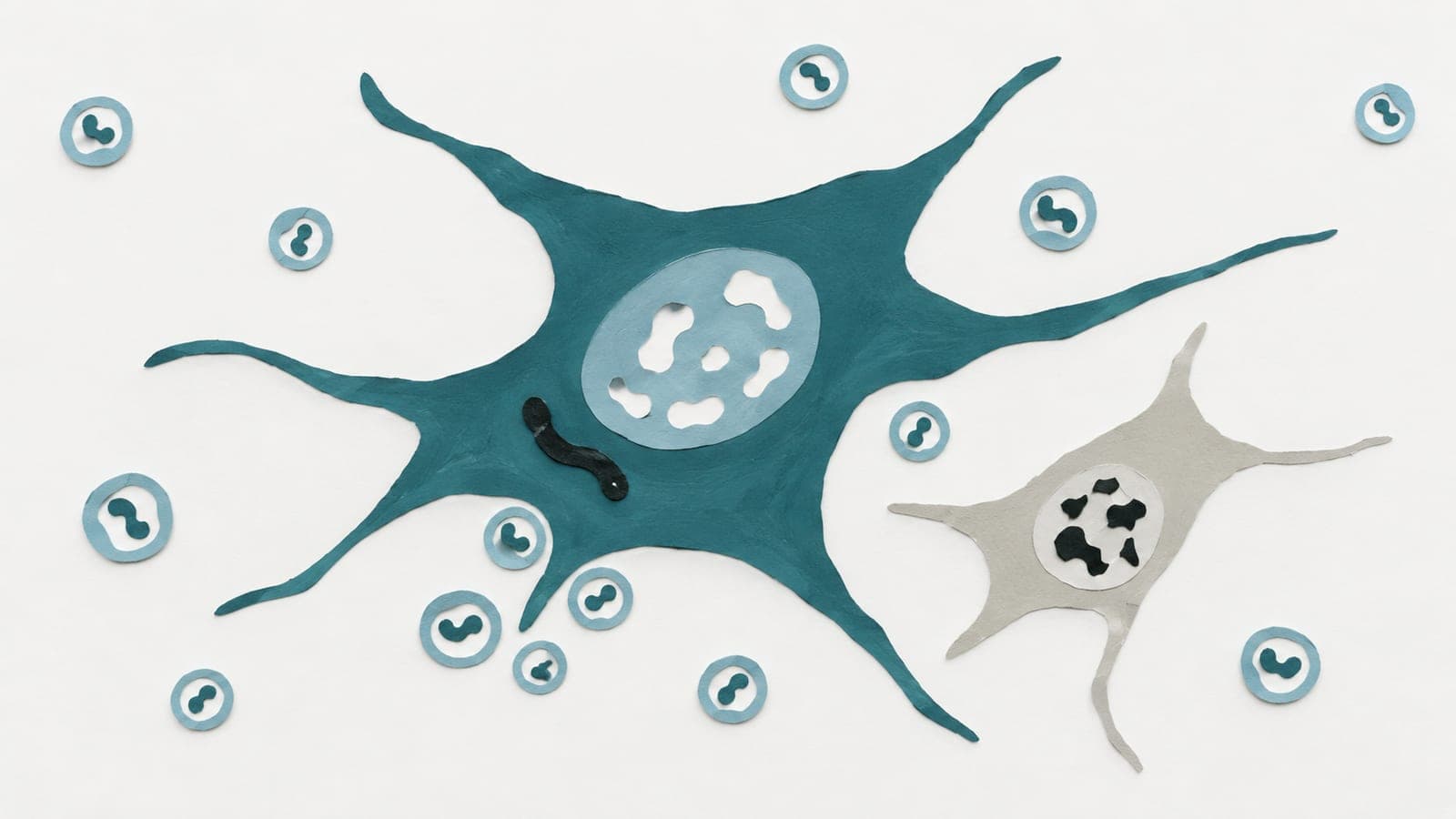
The researchers first screened samples from 12 frail and 12 non-frail participants matched for other clinical characteristics. They then measured 11 selected microRNAs across the full cohort. After accounting for multiple risk factors, two microRNAs found at higher levels and one found at lower levels remained associated with frailty. In separate experiments, raising levels of the two elevated microRNAs in blood-vessel lining cells grown in the lab promoted senescence, a state in which cells stop dividing, along with inflammatory changes. The authors suggested that the three circulating microRNAs might serve as frailty markers.
Why it matters
Frailty in older people is associated with a higher risk of poor outcomes. The authors suggested that the two microRNAs tested in cells might be functionally linked to frailty through senescence and inflammation.
Caveats
The human analysis linked RNA levels to existing frailty, without showing whether the differences preceded the syndrome. The candidates were selected and assessed within the same cohort of older people with cardiovascular disease.
Where the evidence stands
Cell cycle regulation
- 193 independent labs in 40 countries
- 15 findings against
- Funders: National Institutes of Health and others
- 23 of 269 findings with company ties
The paper
Experimental Gerontology, Nov 2026, CC BY-NC-ND
Comments
Be the first to comment.