Estrogen exposure estimates linked to longer life expectancy
At age 45, the highest total exposure category was linked to estimated life expectancy gains of 0.64 years in the UK cohort and 1.35 in the US.
Our read
Populations- Studied:
- Cohort study of 112,381 postmenopausal women
- What changed:
- Estimated life expectancy was longer with highest total estrogen exposure: 0.64 years in UK Biobank and 1.35 years in US NHANES
- The catch:
- Reproductive histories served as proxies for estrogen exposure
- Why it’s aging research:
- It measures an outcome that worsens with age.
Editor of record: Boris Djordjevic · AgingResearch.News
Postmenopausal women—107,218 in UK Biobank and 5,163 in the US National Health and Nutrition Examination Survey—were studied in a prospective observational cohort analysis. Researchers used reproductive histories to estimate lifetime estrogen exposure and examined links with biological aging, mortality and estimated life expectancy.
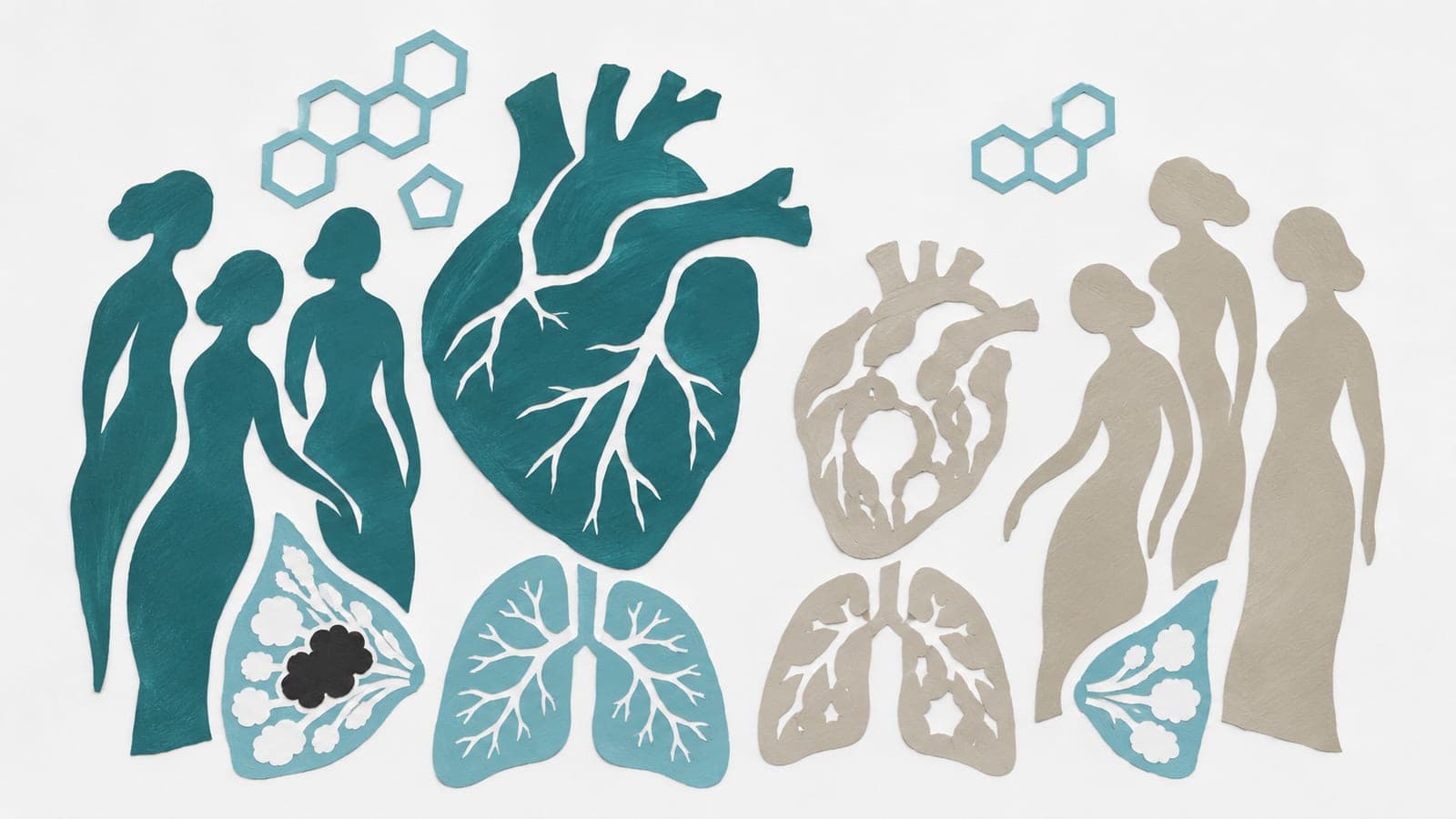
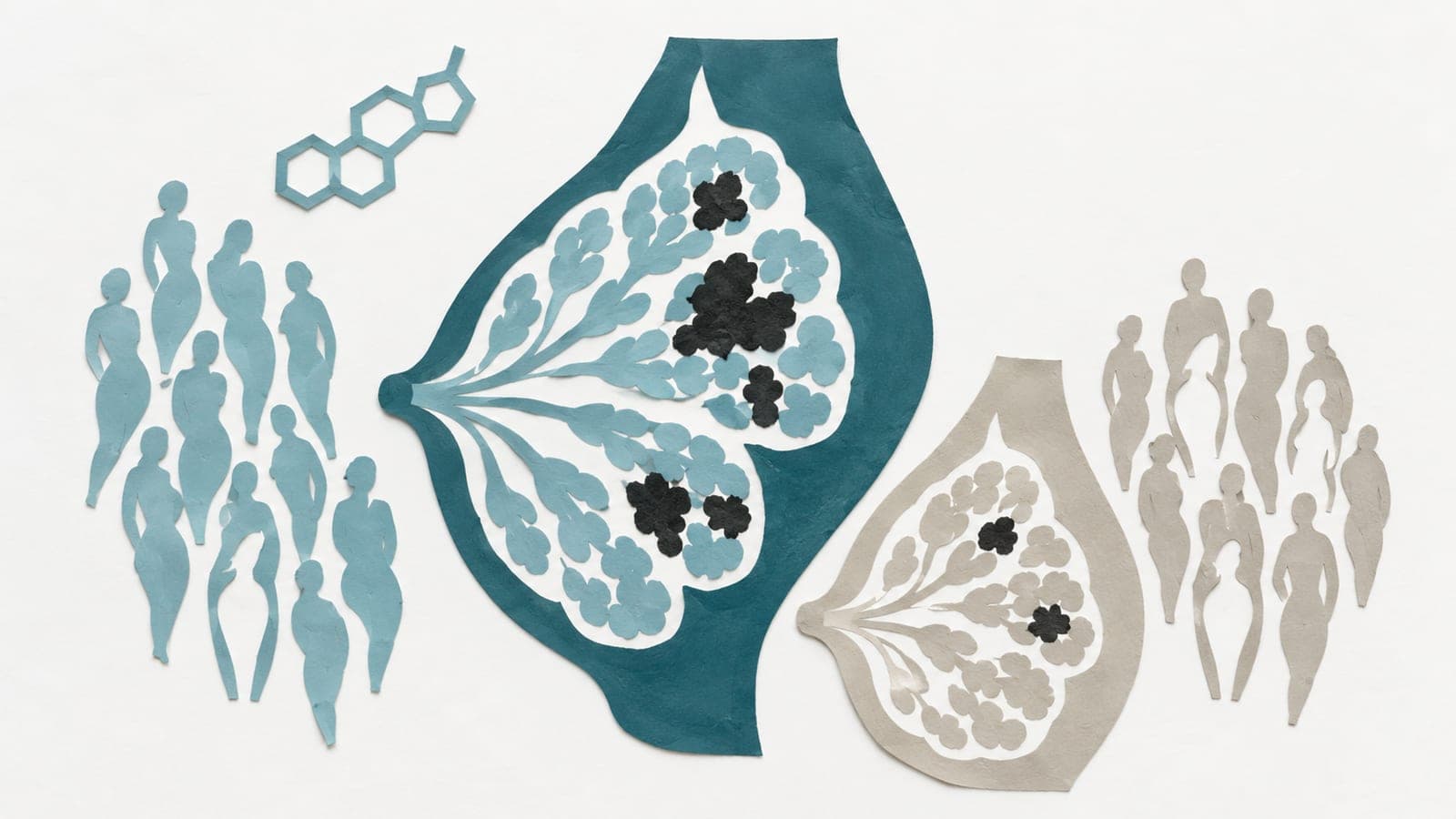
Higher exposure estimates, particularly total exposure, were generally associated with less advanced biological aging and longer estimated life expectancy. Longer reproductive lifespan and higher total exposure estimates were generally linked to lower risks of death from any cause, cardiovascular disease and respiratory disease across both cohorts. In UK Biobank, longer reproductive lifespan and higher estimated exposure to estrogen produced within the body were associated with higher incidence of cancer of the uterine lining. All three exposure indices were associated with higher breast cancer incidence.
Why it matters
For aging after menopause, the findings suggest considering longevity and cancer together when studying lifetime estrogen exposure.
Caveats
Reproductive histories served as proxies for estrogen exposure, and other differences between women could have contributed to the associations. The results concern postmenopausal women, and life expectancy was estimated using statistical models.
- Reproductive lifespan
- Endogenous estrogen exposure
- Sex hormone signaling (estrogen, androgen)
- Breast cancer
- Breast cancer incidence
- Humans
The paper
West China Fourth Hospital Sichuan University Chengdu China
BJOG, Nov 8, 2026
Comments
Be the first to comment.