Immune cell aging marker linked to age and decline in adults
An observational study of 208 Cuban adults aged 20–104 linked an immune cell marker to age, poorer physical function and cognitive decline.
Our read
Mechanisms- Studied:
- Cross-sectional study of 208 Cuban adults
- What changed:
- Immune cell aging markers increased with age and were linked to poorer thinking skills and physical function
- The catch:
- Immune cell changes could reflect age-related decline rather than contribute to poorer function
Editor of record: Boris Djordjevic · AgingResearch.News
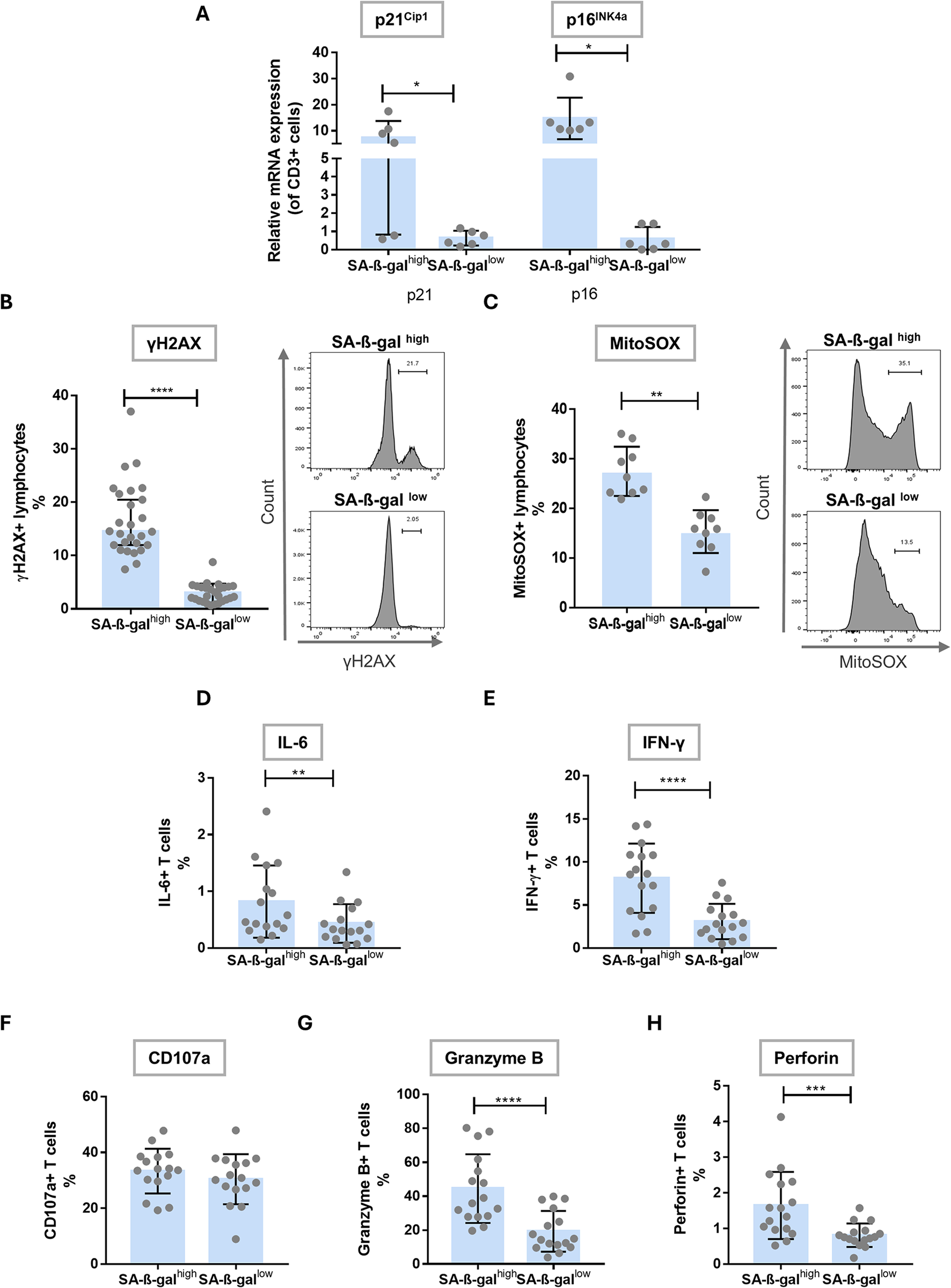
Blood samples from 208 Cuban individuals aged 20–104 were analyzed in an observational study of lymphocytes, a group of immune cells. Researchers measured beta-galactosidase enzyme activity as a sign of senescence, a state in which cells stop dividing.
The share of cells with high activity increased with age across T cells, B cells and natural killer cells. Cells with high activity also showed DNA damage and other hallmarks of senescence. The signal was more common in highly specialized cells but also appeared in less specialized groups. Statistical modeling linked senescence-associated immune cell patterns to cognitive decline, reduced functioning and lower physical robustness in older participants. In one B cell subgroup, enzyme activity remained associated with physical robustness after researchers accounted for age.
Why it matters
The authors suggest that these immune cell measurements may help distinguish biological aging—how the body changes with age—from years lived.
Caveats
The associations leave open whether immune cell changes contributed to poorer function or reflected other age-related changes. The participants were Cuban adults aged 20–104.
Where the evidence stands
Cell cycle regulation
- 195 independent labs in 42 countries
- 15 findings against
- Funders: National Institutes of Health and others
- 23 of 272 findings with company ties
Cellular senescence
- 863 independent labs in 75 countries
- 522 findings against
- 51 trials, 15 with no results posted
- Funders: National Natural Science Foundation of China and others
- 666 of 9,928 findings with company ties
- 49 of 51 trials sponsored by developers of drugs aimed at it

Comments
Be the first to comment.