Genomic stability

Papers on genomic stability

479 papers20 new in 30 days

Sunday, November 1

Nature Communications

Compound extends lifespan in mice with premature aging

In an animal experiment, a compound that activated a DNA repair protein eased aging-related features in mice with a premature-aging disorder.In an animal experiment, a compound that activated a DNA repair protein eased aging-related features in mice with a premature-aging disorder.

Mouse studyInterventions

Saturday, October 31

Friday, October 30

Thursday, October 29

Scientific Reports

Muscle stem cells reduced organ injury in a mouse aging model

Weekly cell injections improved movement and memory in female KM mice given D-galactose for eight weeks to model accelerated aging.Weekly cell injections improved movement and memory in female KM mice given D-galactose for eight weeks to model accelerated aging.

Mouse studyMuscle

Wednesday, October 28

bioRxiv

Brief enzyme inhibition enhances reprogramming in human cells

Experiments in human blood cells found that briefly inhibiting a DNA-copying enzyme enhanced their conversion into stem cells while preserving genetic stability.Experiments in human blood cells found that briefly inhibiting a DNA-copying enzyme enhanced their conversion into stem cells while preserving genetic stability.

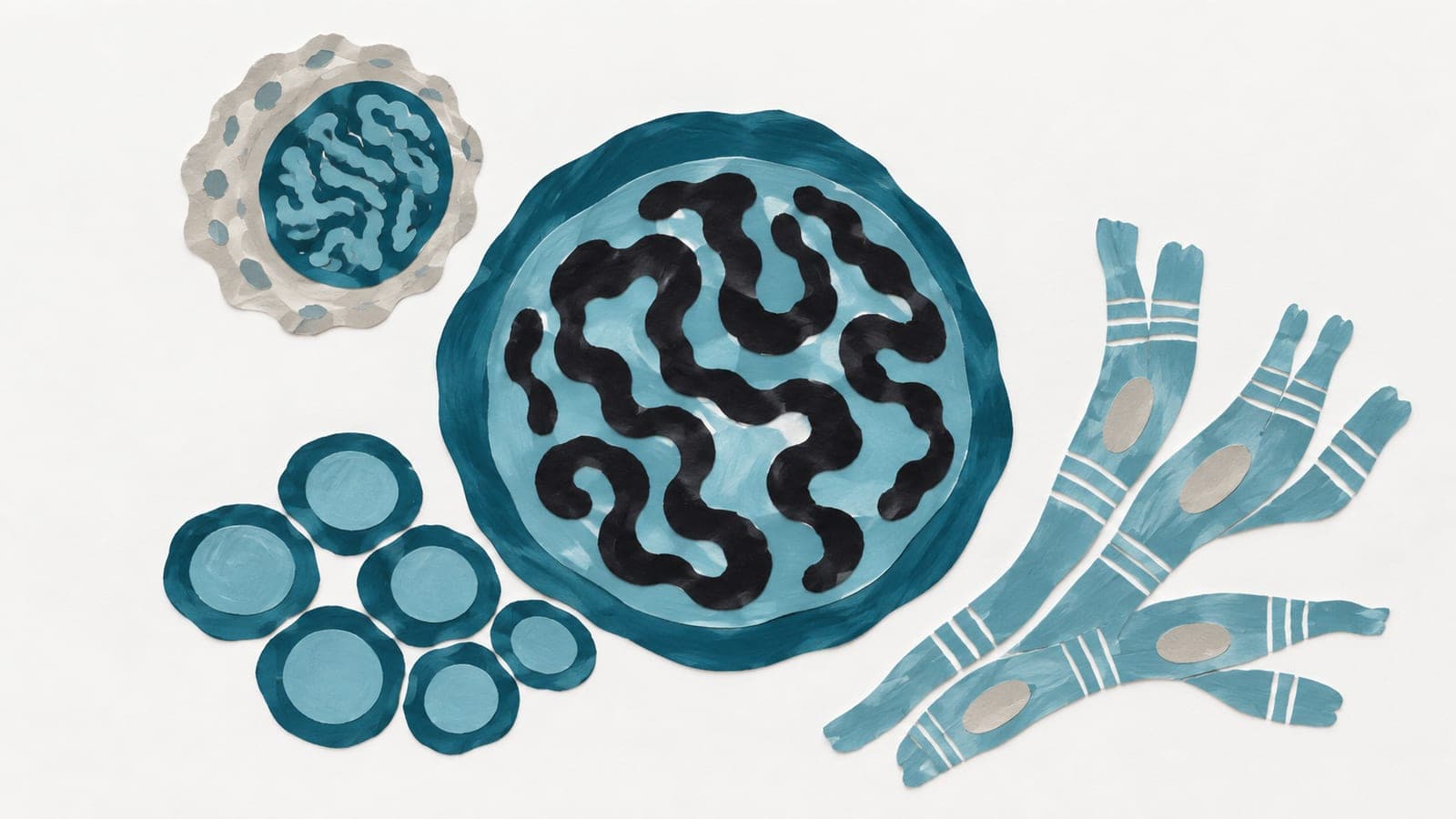
A stem cell with loosely packed chromatin sits beside a blood cell with denser chromatin, a stem-cell cluster, and branching, striped heart muscle cells.
Preprint: human cell studyInterventions

Monday, October 26

Sunday, October 25

Friday, October 23

Stem Cell Research & Therapy

Circular RNA reduced signs of aging in lab-grown stem cells

In an experiment with mesenchymal stem cells, an RNA-based method restored several cell functions without conversion into a more versatile stem cell type.In an experiment with mesenchymal stem cells, an RNA-based method restored several cell functions without conversion into a more versatile stem cell type.

Establishment and characterization of a circRNA platform co-expressing OCT4, SOX2, and KLF4 for partial reprogramming.
Human cell studyInterventions

Tuesday, October 20

Genes & Diseases

A gene-control protein reduced senescence in nerve cells

Experiments examined how raising Glis1, a protein that controls gene activity, affected aging-related cell dysfunction after spinal cord injury.Experiments examined how raising Glis1, a protein that controls gene activity, affected aging-related cell dysfunction after spinal cord injury.

Neuronal senescence exists following SCI, with elevated levels of lactate and H3K18 lactylation.
Animal cell studyCellular senescence

Monday, October 19

Saturday, October 17

bioRxiv

End-to-end genome map completed for the naked mole-rat

A genome-sequencing study resolved both inherited copies of the naked mole-rat genome, using gene-activity data from 23 tissues to identify its genes.A genome-sequencing study resolved both inherited copies of the naked mole-rat genome, using gene-activity data from 23 tissues to identify its genes.

A naked mole-rat sits beneath paired blue-gray and gray chromosomes with dark bands, with a cluster of tissue cells and small sperm below.
Preprint: computational studyAI & data

Friday, October 16

International Journal of Molecular Sciences

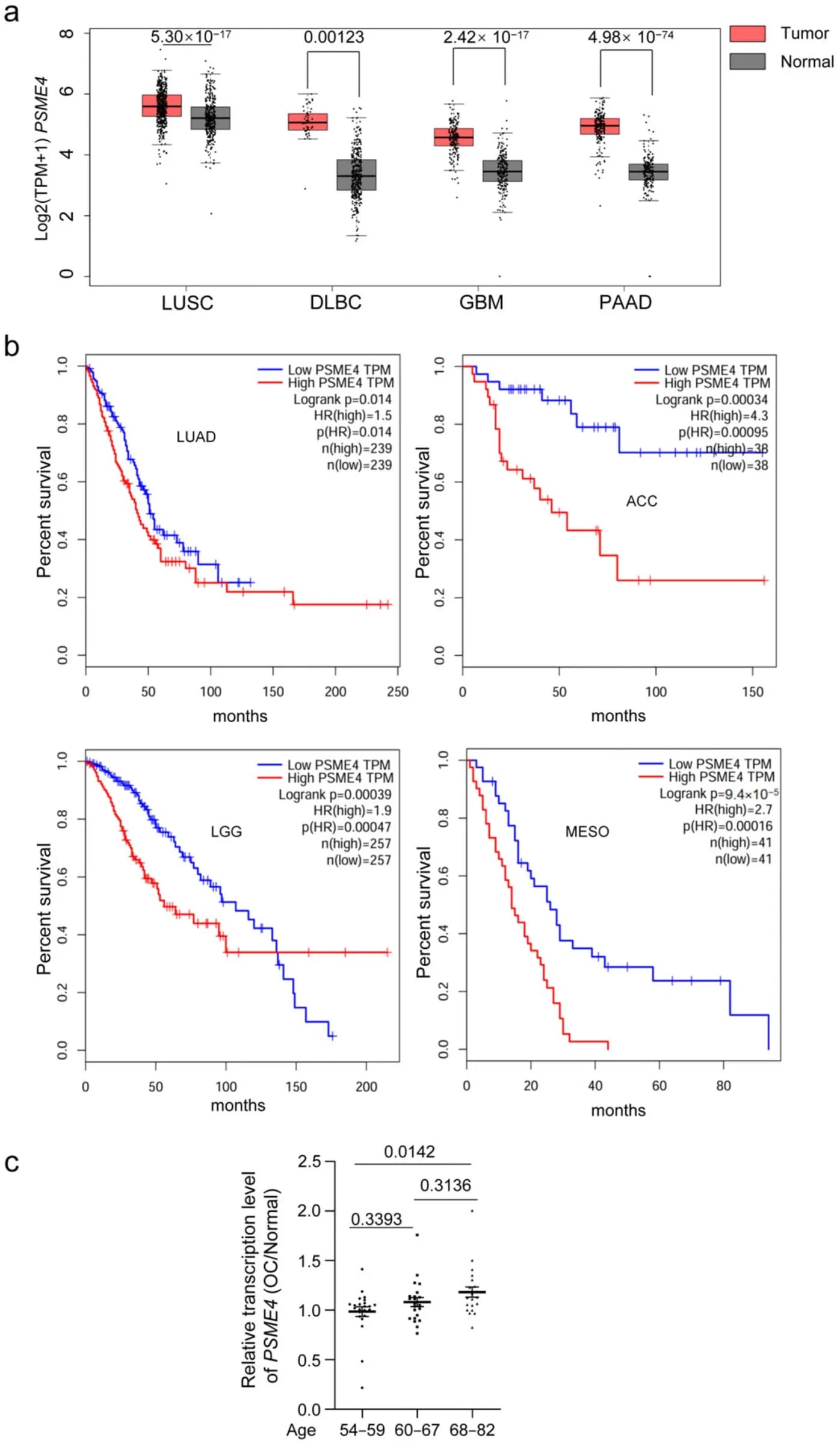
Removing a protein reduced lung tumor burden in mice

An animal experiment found that mice lacking the protein PA200 had reduced chemically induced lung tumor burden, especially in middle age.An animal experiment found that mice lacking the protein PA200 had reduced chemically induced lung tumor burden, especially in middle age.

Elevated PA200 expression in human cancers is correlated with poor patient survival and advanced age.
Mouse studyLung

Thursday, October 15

Wednesday, October 14

Genome Research

Mouse neurons show different DNA changes in aging and disease

An experiment in mouse neurons found shared early DNA changes in aging and brain-disease models, but differences in which organizational features remained.An experiment in mouse neurons found shared early DNA changes in aging and brain-disease models, but differences in which organizational features remained.

Branching neurons show separated chromatin folds in one nucleus and tangled, intermingled folds in another, with a small laboratory mouse below.
Mouse studyMechanisms

Saturday, October 10

Aging Cell

Restoring a protein reduced DNA damage in human disc cells

Experiments that altered gene activity in human spinal disc cells found that restoring the protein also reduced senescence, a state in which cells stop dividing.Experiments that altered gene activity in human spinal disc cells found that restoring the protein also reduced senescence, a state in which cells stop dividing.

ZNF865 Regulates Similar Gene Networks Across Multiple Cell Types.
Experiments in human cellsDNA damage response

Wednesday, October 7

Saturday, October 3

Pigment Cell & Melanoma Research

Darker skin is linked to fewer mtDNA variants from sun exposure

Photoexposed light skin possessed six-fold more variants than dark skin across paired biopsies from six older men.Photoexposed light skin possessed six-fold more variants than dark skin across paired biopsies from six older men.

Sunlight strikes dark and light skin cross-sections, with mitochondria below showing fewer mutated red DNA rings beneath the heavily pigmented skin.
Cross-sectional study of 6 peopleSkin

Friday, October 2

Monday, September 28

Thursday, September 17

Tuesday, September 15

Sunday, September 13

Friday, September 11

Thursday, September 10