Compound extends lifespan in mice with premature aging
In an animal experiment, a compound that activated a DNA repair protein eased aging-related features in mice with a premature-aging disorder.
Limit: The abstract omits the size of the lifespan increase and the mouse sample size
Edited by Boris Djordjevic · AgingResearch.News
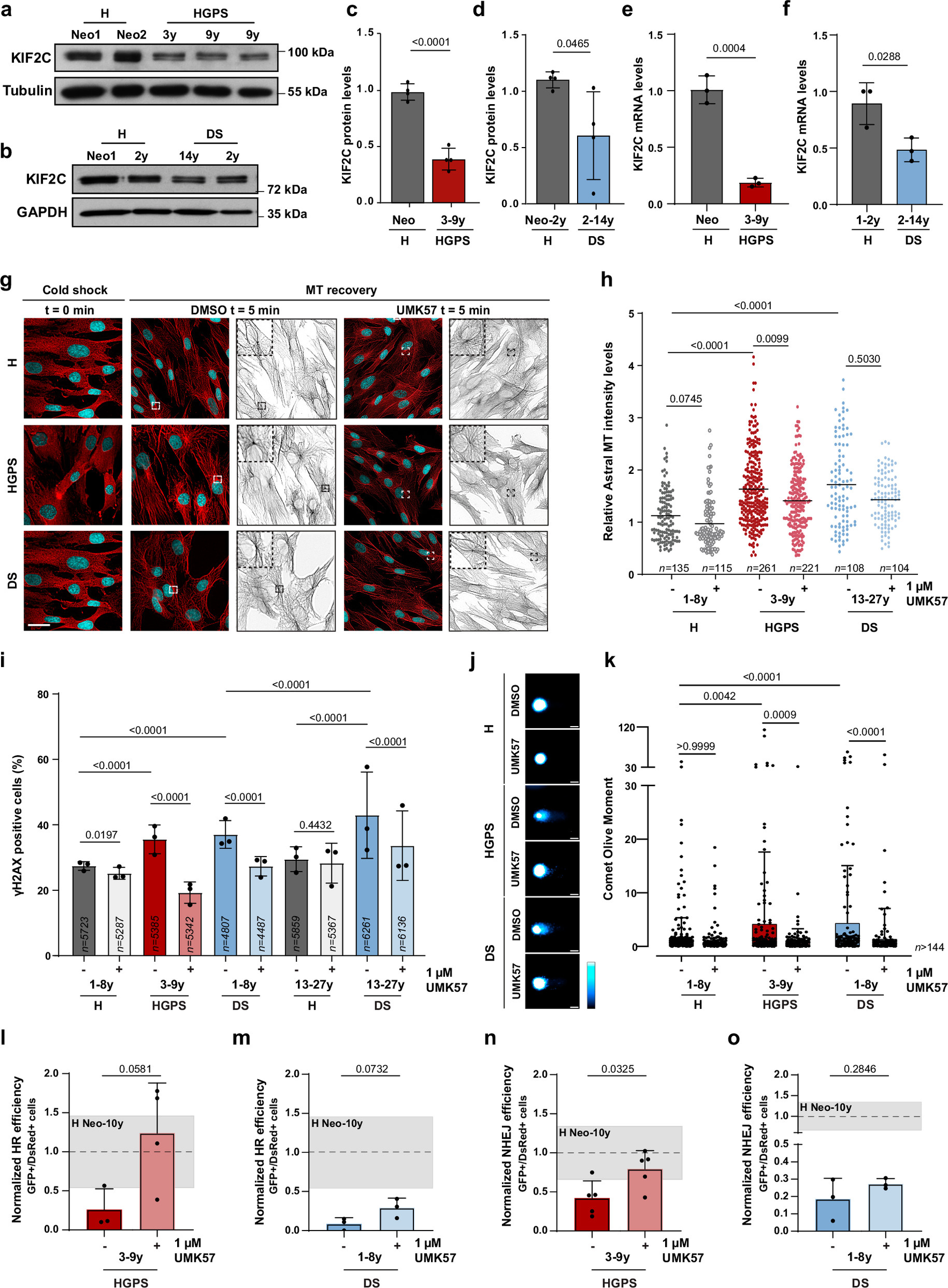
In mice with progeria, a disorder involving premature aging, researchers tested injections under the skin of a compound that activates KIF2C, a protein involved in DNA repair. The compound reduced aging-related features and extended both healthspan—the period spent in good health—and lifespan.
Separate experiments used aged cells and cells derived from people with Hutchinson-Gilford progeria syndrome or Down syndrome. In these cells, the compound improved repair of breaks across both strands of DNA. It restored the formation of inward folds in the membrane surrounding the cell’s DNA, which helped repair those breaks. In cells from people with either syndrome, improved repair was accompanied by changes in nuclear structure and patterns of gene activity.
Why it matters
DNA damage is a driver of aging. The work supports investigating DNA repair as a possible way to limit age-related decline.
Caveats
The lifespan result came from a mouse model of progeria, not ordinary aging or a study in people. The abstract does not report how much lifespan increased or how many mice were studied.
Where the evidence stands
KIF2C agonist
- 1 lab in 1 country
- Funders: European Commission and 2 more
DNA repair
- 122 independent labs in 27 countries
- 5 findings against
- 1 trial
- Funders: National Institutes of Health and others
- 25 of 189 findings with company ties
- 1 of 1 trial sponsored by developers of drugs on it


Comments
Be the first to comment.