Human neurons accumulate far more mutations over lifespan than shorter-lived mammals
Cortical neurons gain mutations at similar yearly rates across six species, leaving aged humans with uniquely high mutational burdens and transcriptomic dysregulation.
bioRxiv
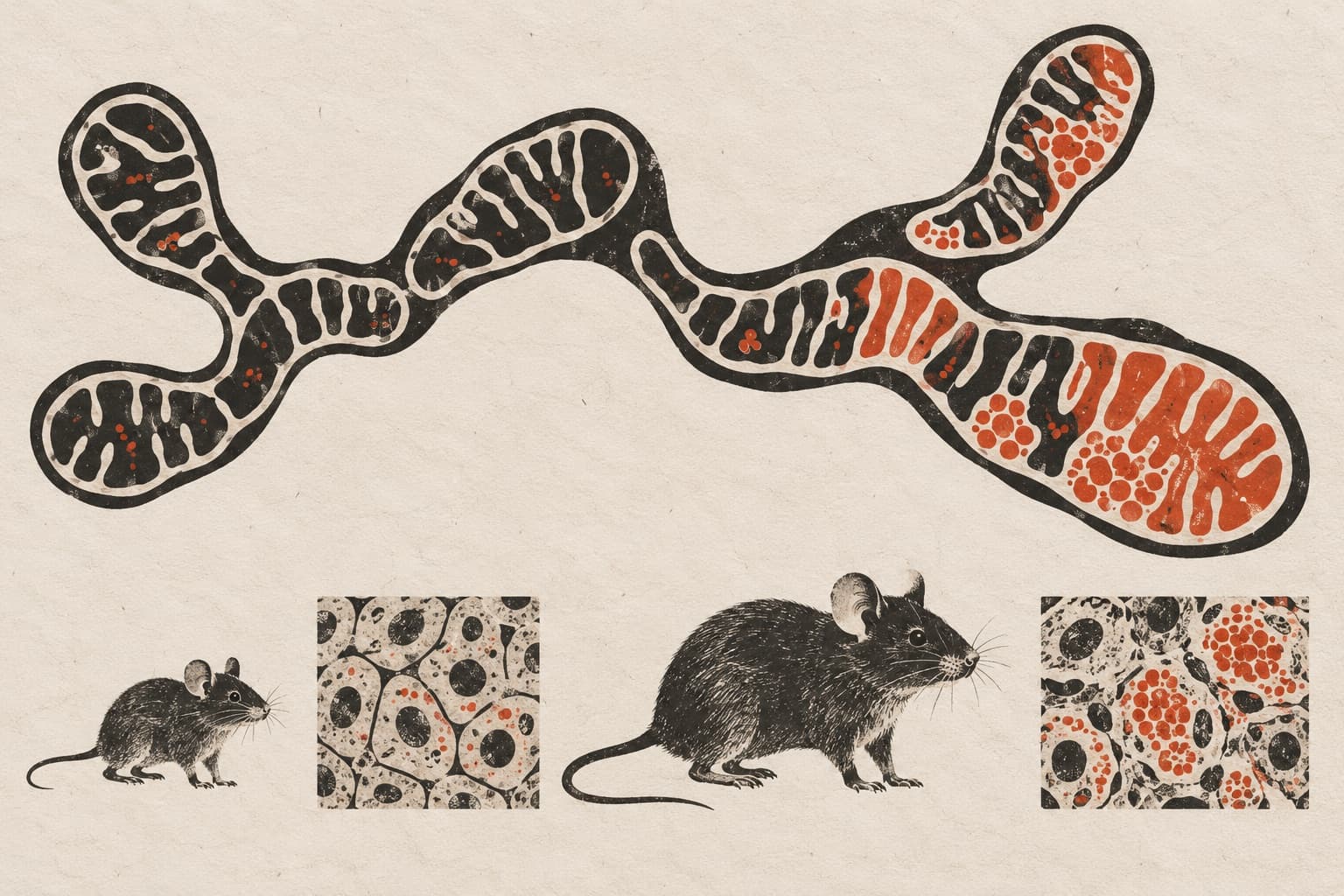
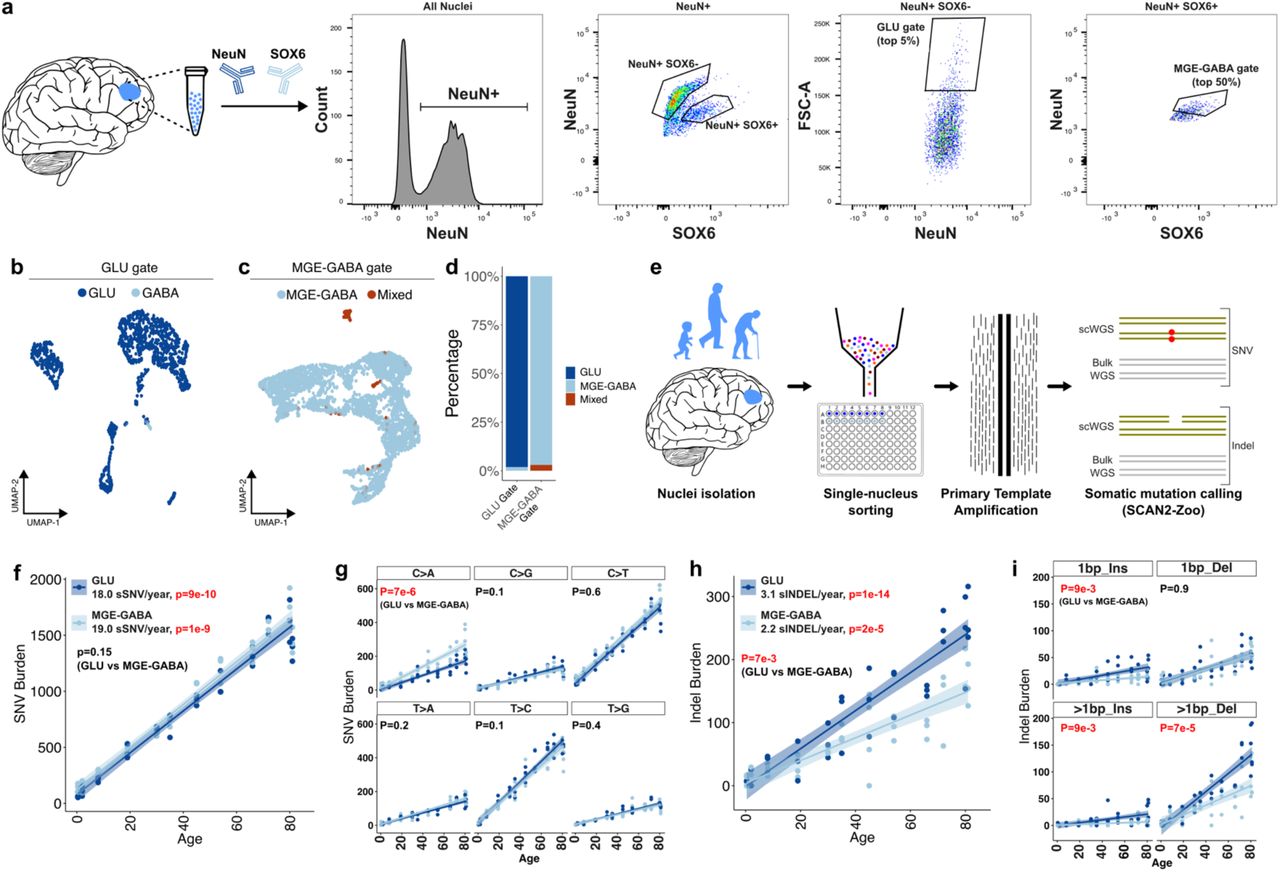
In a preprint analyzing humans, chimpanzees, rhesus macaques, marmosets, ferrets, and mice, researchers evaluated genomic stability and gene expression in aging cerebral cortical neurons. They found that single nucleotide variants accumulate at remarkably similar annual rates across all six mammalian species. Because humans live longer, human neurons carry more than 12-fold more mutations at the end of life compared to mouse neurons.
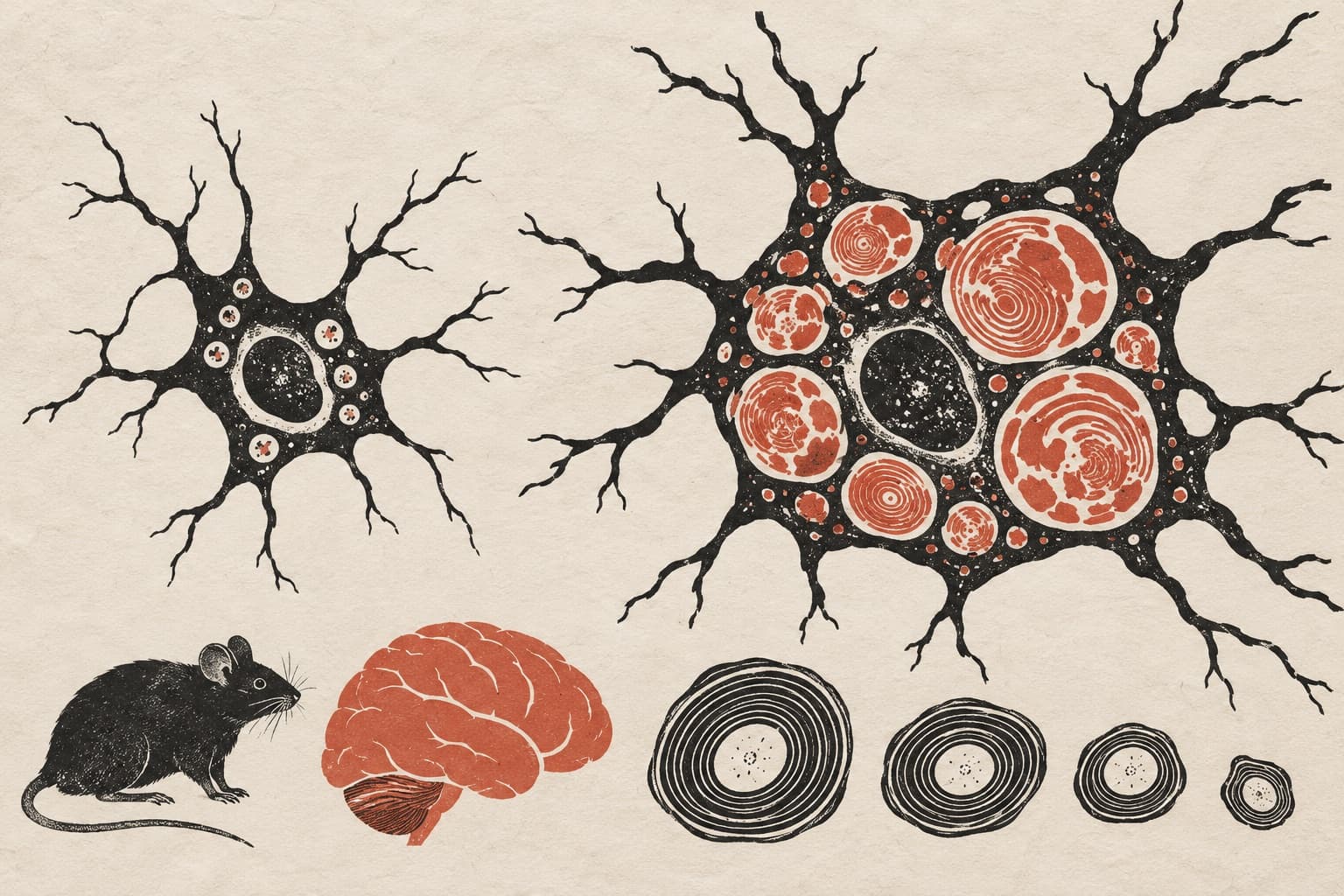
The authors also identified divergent mutational signatures across species. A specific nucleotide substitution pattern linked to neurodegenerative diseases accumulated almost exclusively in humans during aging. In addition, single-nucleus transcriptomic analyses revealed pervasive age-associated dysregulation of mitochondrial function and proteostasis in human neurons. These transcriptomic disruptions were far less pronounced in aged chimpanzees and rhesus macaques.
Why it matters
The findings show that profound neuronal aging features may directly stem from human longevity. This suggests common animal models may not naturally recapitulate the genomic and molecular decline seen in aged human brains.
Caveats
The study is a preprint that has not yet undergone peer review. The findings are based on observational comparisons across six mammalian species and do not establish direct causality between specific mutation patterns and cellular dysfunction.
The paper
Show 8 more authors
Benjamin Finander, Lovelace J. Luquette, David Exposito-Alonso, Sijing Zhao, Bowen Jin, Michael B. Miller, Peter J. Park, Chet C. Sherwood,Broad Institute
bioRxiv · 24 Sep 2026 · Preprint, not peer-reviewed