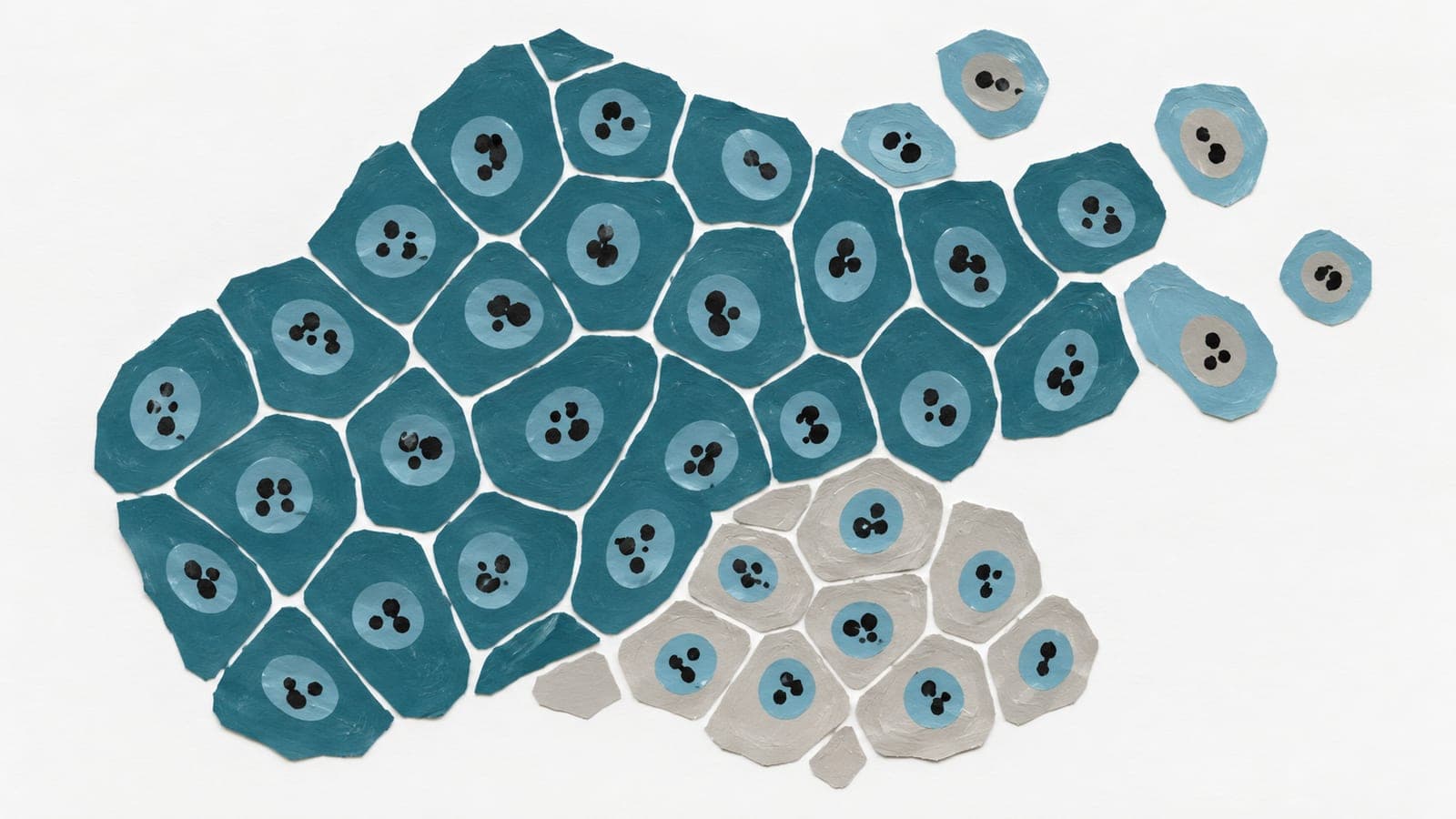
End-to-end genome map completed for the naked mole-rat
A genome-sequencing study resolved both inherited copies of the naked mole-rat genome, using gene-activity data from 23 tissues to identify its genes.

Limit: Genome comparisons cannot determine gene changes’ effects on longevity or cancer resistance
Researchers built an end-to-end genome assembly for the naked mole-rat (Heterocephalus glaber), the longest-lived rodent. The genome-sequencing study distinguished the two inherited versions of its genome—the animal’s full set of DNA. The team used gene-activity data from 23 tissues to identify genes in the assembly.
The assembly resolved the Y chromosome and a region of chromosome 15 whose structure varies. The researchers also assembled a genome for the Cape dune mole-rat (Bathyergus suillus), a shorter-lived, solitary relative. Comparisons identified gene duplications linked to immunity, reproduction and genome stability. These included six copies of Pms1, a gene linked to genome stability.
Why it matters
The naked mole-rat’s exceptional longevity and cancer resistance make their genetic basis important questions for aging research. This resource opens those questions to direct study.
Caveats
Genome comparisons alone cannot show whether the identified gene changes account for longevity or cancer resistance. The work is a preprint and has not been peer-reviewed.
The paper
Decoding the naked mole-rat genome, telomere to telomere
bioRxiv, 16 Oct 2026, Open access, CC BY, Preprint, not peer-reviewed