Proteomic organ clocks predict mortality but trail established physiological and epigenetic biomarkers
In an older Scottish cohort, epigenetic age and brain volume outmatched plasma proteomic organ clocks for predicting long-term all-cause mortality.
Aging Cell
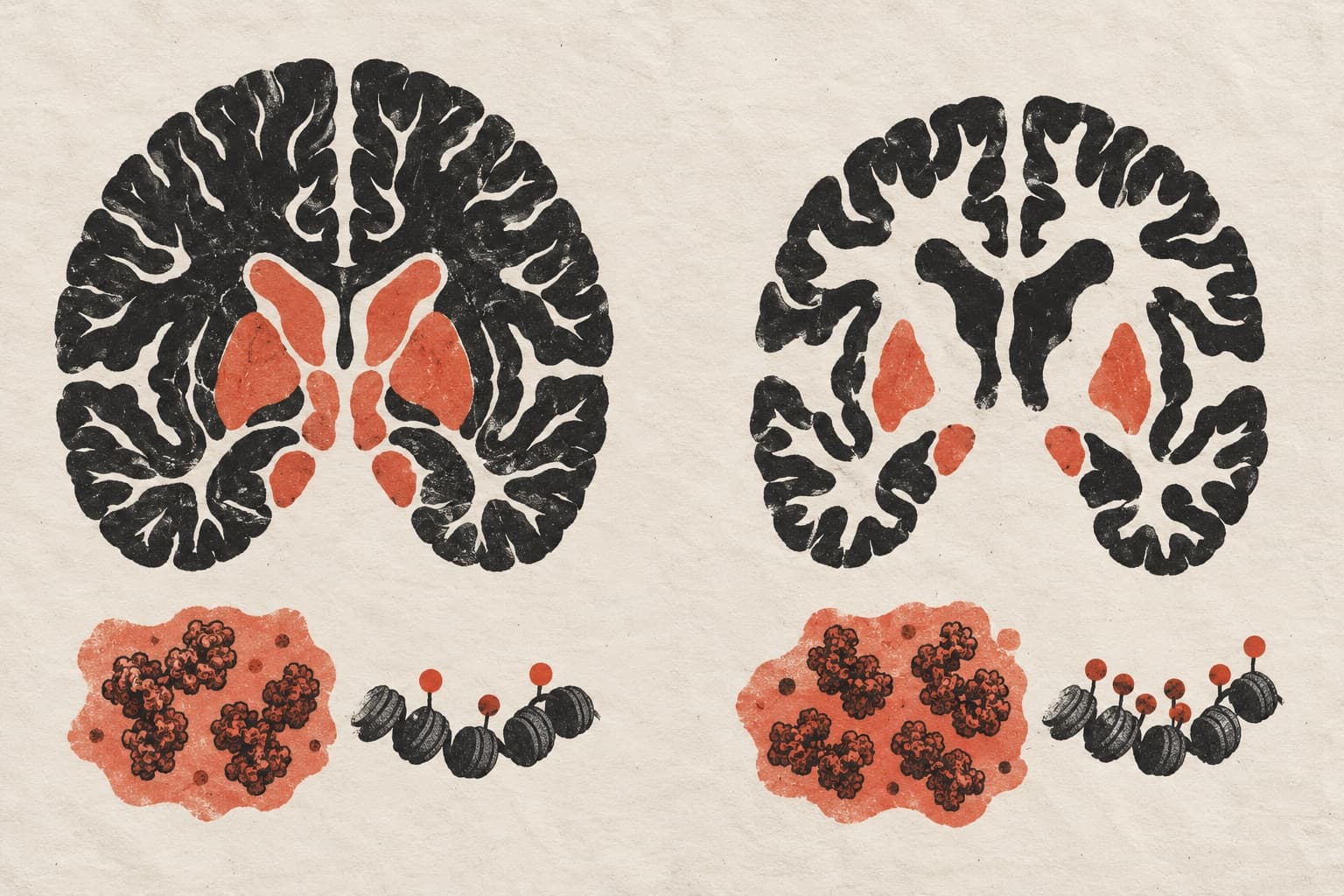
Researchers evaluated 861 older human participants from the Lothian Birth Cohort 1936 to benchmark plasma proteomic organ clocks against other aging biomarkers over 16 years. The team tracked 444 deaths and compared proteomic clocks with the GrimAge2 epigenetic clock, telomere length, physical function, neuroimaging, and cognitive tests. Accelerated proteomic aging in the liver, immune system, and heart showed the strongest mortality links among organ clocks. However, older epigenetic age, smaller brain and grey matter volumes, reduced respiratory function, and poorer cognition showed even stronger associations with mortality risk. Additionally, screening 9,703 plasma proteins identified 368 candidates linked to mortality. High-risk proteins, led by GDF15, WFDC2, and TIMP1, were enriched for immune functions, while low-risk proteins related to genomic stability and cellular maintenance.
Why it matters
The findings establish how recently developed proteomic organ clocks compare against established biological age measures. They also identify circulating proteins linked to cellular maintenance and immune dysfunction in human aging.
Caveats
The study was observational and limited to a single cohort of older Scottish adults. The abstract does not report testing in younger or more genetically diverse populations.
The paper
Multimodal Ageing Biomarkers and Plasma Proteomic Signatures Associated With All-Cause Mortality
Show 11 more authors
Janie Corley, Mark E. Bastin, Maria del Carmen Valdés Hernández, Tom C. Russ, Joanna M. Wardlaw, Eilis J. Hannon, Ian J. Deary, Keenan A. Walker, Elliot M. Tucker–Drob, Simon R. Cox, Riccardo E. Marioni,NHS Lothian
Aging Cell · 1 Oct 2026