Circular RNA reduced signs of aging in lab-grown stem cells
In an experiment with mesenchymal stem cells, an RNA-based method restored several cell functions without conversion into a more versatile stem cell type.
Limit: Senescence markers and laboratory cell functions were proxies for rejuvenation
Edited by Boris Djordjevic · AgingResearch.News
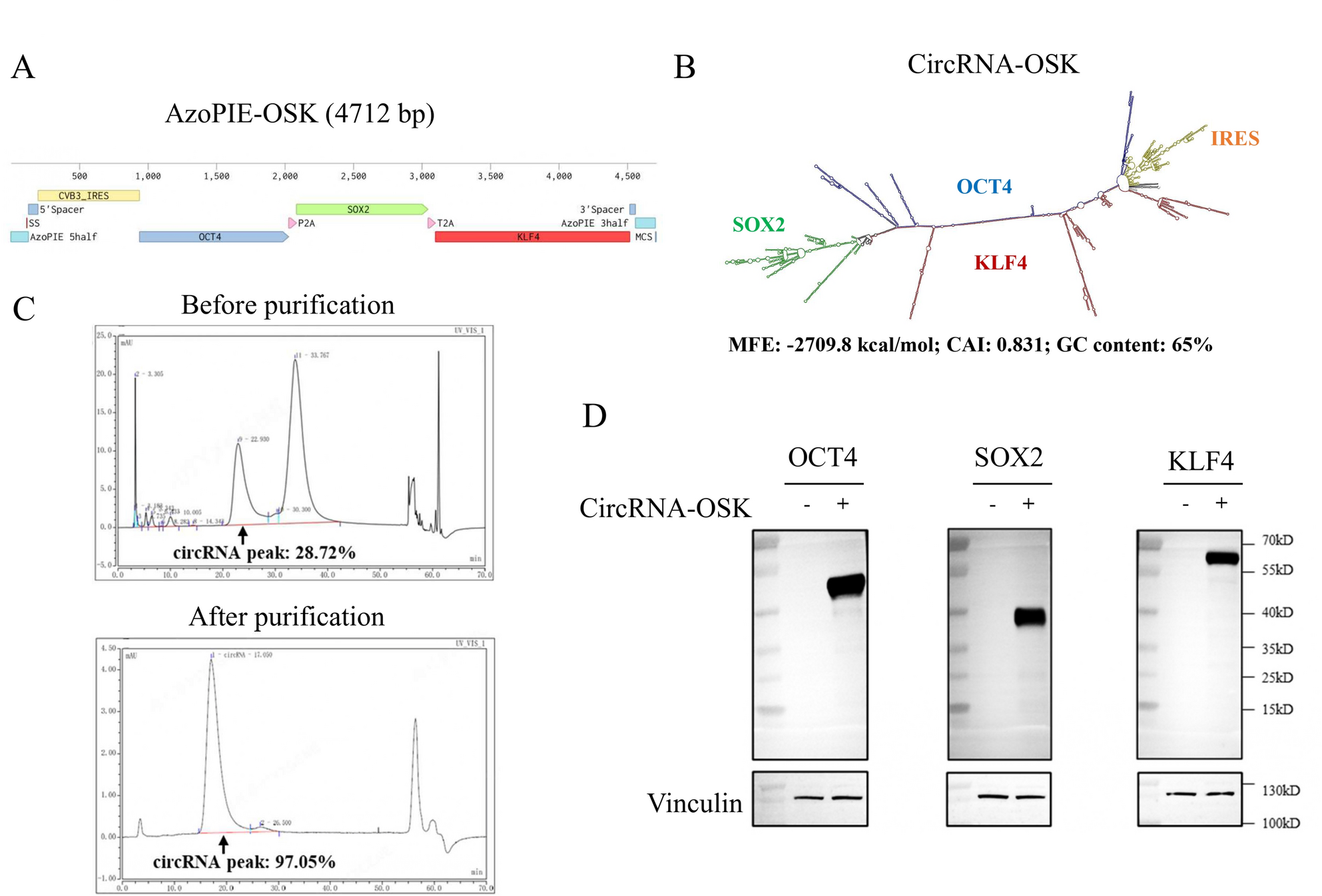
Researchers experimented on mesenchymal stem cells, a cell type used in cell therapies, that had entered senescence after repeated laboratory growth. Senescence is a state in which cells stop dividing. They used tiny fat-based particles to deliver circular RNA carrying instructions for three reprogramming proteins. This produced the proteins temporarily without genetically modifying the cells.
The cells showed lower activity of a senescence marker, lower levels of DNA damage markers and less release of inflammatory signals. Their ability to multiply, move and develop into three cell types returned to levels comparable to cells that had undergone fewer rounds of laboratory growth. Tests indicated that the cells retained their identity and the integrity of their DNA, without conversion into pluripotent stem cells—cells capable of developing into nearly any cell type.
Why it matters
Senescence can limit the potency and consistency of these stem cells when expanded for therapy. Partial reprogramming may offer a way to improve the quality of cell therapy products.
Caveats
These were experiments in cells grown in the lab, not animals or people. They do not establish the safety or benefits of using these cells in patients.
The paper
Third Affiliated Hospital of Guangzhou Medical University; National Institutes for Food and Drug Control
Stem Cell Research & Therapy, Jul 26, 2026, Open access