Skip to content
AgingResearch.News app

AgingResearch.NewsFree on Google Play

Open app
AgingResearch.News
  • HomeHome
  • SearchSearch
  • AskAsk
  • FollowingFollowing
  • SavedSaved
Join freeSign inSign inSign in
AgingResearch.NewsJoin free
  • Top
  • Latest
  • For you

Latest: Cells · Most significant · Open access

Filter

Clear filters

Evidence

  • All
  • Prevention & practice
  • Human trials
  • Human studies
  • Animals
  • Model organisms
  • Cells
  • In silico
  • Reviews

Status

  • All
  • Peer-reviewed
  • Preprints
  • All
  • Most significant
  • All
  • Open access
  • All
  • Prevention & practice
  • Human trials
  • Human studies
  • Animals
  • Model organisms
  • Cells
  • In silico
  • Reviews
  • All
  • Most significant
  • All
  • Open access
Status
  • All
  • Peer-reviewed
  • Preprints
FooterIn your assistantComparePrivacyTermsAboutStandardsContactRSSPricingFollow on X© 2026 AgingResearch.News
Sidebar

    Join AgingResearch.News

    Free: every story, saved papers, follows, the weekly email and 3 questions a day to Ask.

    Continue with email

    By continuing, you agree to our Terms and Privacy Policy.

    News

    See allSee all news
    Engineered gut bacteria increase bile acid deconjugation, improving aged mice’s metabolic healthResearchGEN +5Engineered gut bacteria increase bile acid deconjugation, improving aged mice’s metabolic healthLater-born generations reach old age with better memory and slower declineResearchMedical Xpress +1Later-born generations reach old age with better memory and slower declineCastration at 240 days extends median lifespan 32.9% in male UM-HET3 miceResearchFight Aging! +1Castration at several ages extends male lifespan and reveals age-dependent effects of testicular factors on survival.

    Trials

    See allSee all trials
    Modulation Effects of Baduanjin Exercise on Subjective Cognitive DeclineResults posted Nov 6, 2026, Massachusetts General HospitalPsilocybin Effects on Healthy Aging Biomarkers and Purpose in LifePhase 1Now recruiting Nov 17, 2026, Charles RaisonPhase I Trial of a Single Administration of aKLmRNA-Mediated Protein Replacement TherapyPhase 1Now recruiting Nov 12, 2026, Klothea Bio Inc

    Trending

    See allSee all trending stories
    SLEEPGeneOlder adults had weaker brain fluid flow waves during sleepBilobetinInterventionBilobetin eased infection-driven immune aging in miceMizagliflozinInterventionFirst trial results posted: Effect of Mizagliflozin Repeat Dosing on Adverse Events and Postprandial Glucose…LY3437943InterventionFirst trial results posted: A Study of Retatrutide (LY3437943) on Renal Function in Participants With Overweight or…Royal jellyInterventionRoyal jelly increased stem cell activity in aged miceImmune responseProcessIn the news: 9 stories this week. Immune signal keeps brown fat in a low-heat state in mice, and 1 more story this week

    Topics

    See allSee all topics
    Mechanisms386Interventions830Biomarkers544Populations822AI & data163Industry & policy36SupplementsPeptidesProtocols
    Footer
    • In your assistant
    • Compare
    • Privacy
    • Terms
    • About
    • Standards
    • Contact
    • RSS
    • Follow on X
    • © 2026 AgingResearch.News

    TodayTue, Nov 17Tuesday, November 171 paper

    Aging Cell·16 h

    Restoring protein activity reduced DNA damage in aged human cells

    After 72 hours, lab-grown human skin cells with increased activity of a gene-regulating protein showed more DNA repair gene activity and partly restored DNA-packaging…After 72 hours, lab-grown human skin cells with increased activity of a gene-regulating protein showed more DNA repair gene activity and partly restored DNA-packaging marks.
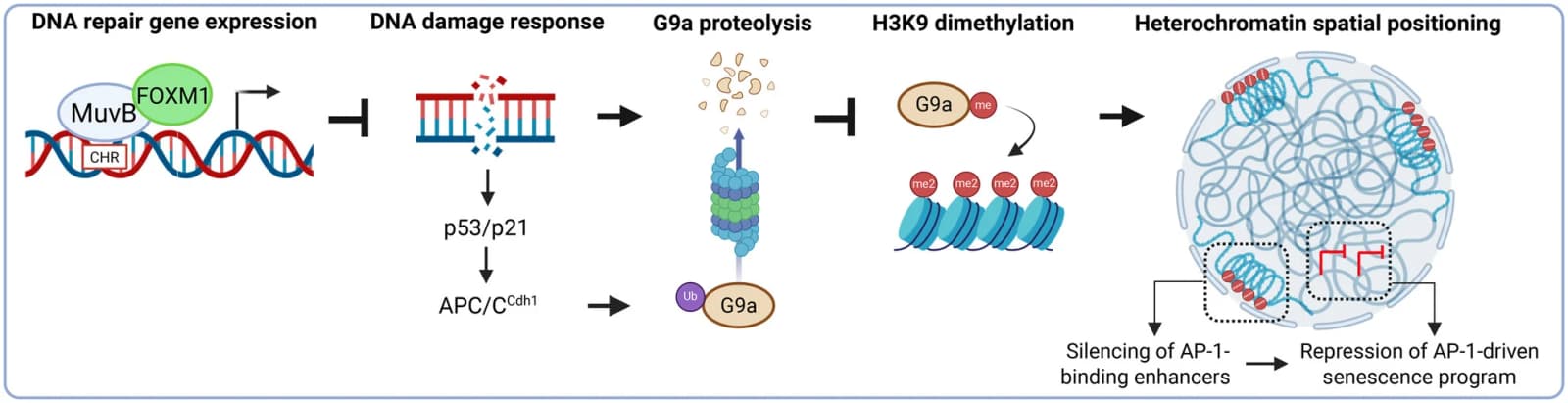
    Figure from Aging Cell
    Human cell studyInterventions
    Who was studiedAged human dermal fibroblasts, 72 h, against empty-vector control fibroblasts
    What changedDNA damage fell in aged human fibroblasts overexpressing FOXM1 compared with empty-vector controls
    The catchDNA damage measurements were collected and analyzed without blinding to experimental conditions
    Paper

    YesterdayMon, Nov 16Monday, November 161 paper

    Cells·Yesterday

    Cell-released particles reduce aging-linked signs in human cells

    Stressed human heart-vessel lining cells showed fewer markers of senescence, a state in which cells stop dividing, after 48 hours of particle exposure in laboratory…Stressed human heart-vessel lining cells showed fewer markers of senescence, a state in which cells stop dividing, after 48 hours of particle exposure in laboratory experiments.

    Figure from Cells
    Human cell studyInterventions
    Who was studiedOxidatively stressed human cardiac microvascular endothelial cells, 48 h
    What changedThe proportion of cells with aging-linked staining was lower with vesicles than without them in stressed human heart vessel cells
    The catchCo-isolated non-vesicular components could contribute to effects attributed to vesicles
    Paper

    Tue, Nov 33 papers

    Neuron·Nov 3

    Looser DNA packaging impairs energy supply in aged mouse neurons

    Experiments in aged mouse neurons linked oxidative stress to looser mitochondrial DNA packaging, fewer RNA copies from that DNA and impaired energy production.Experiments in aged mouse neurons linked oxidative stress to looser mitochondrial DNA packaging, fewer RNA copies from that DNA and impaired energy production.

    Figure from Neuron
    Animal cell studyMechanisms
    Who was studiedCultured neurons from aged mice, against aged control neurons
    What changedOxidation-resistant TFAM tightened DNA packaging and raised mitochondrial ATP levels in aged mouse neurons compared with controls
    The catchATP and DNA-packaging measurements were quantified without blinding
    Paper
    NPJ Aging·Nov 3

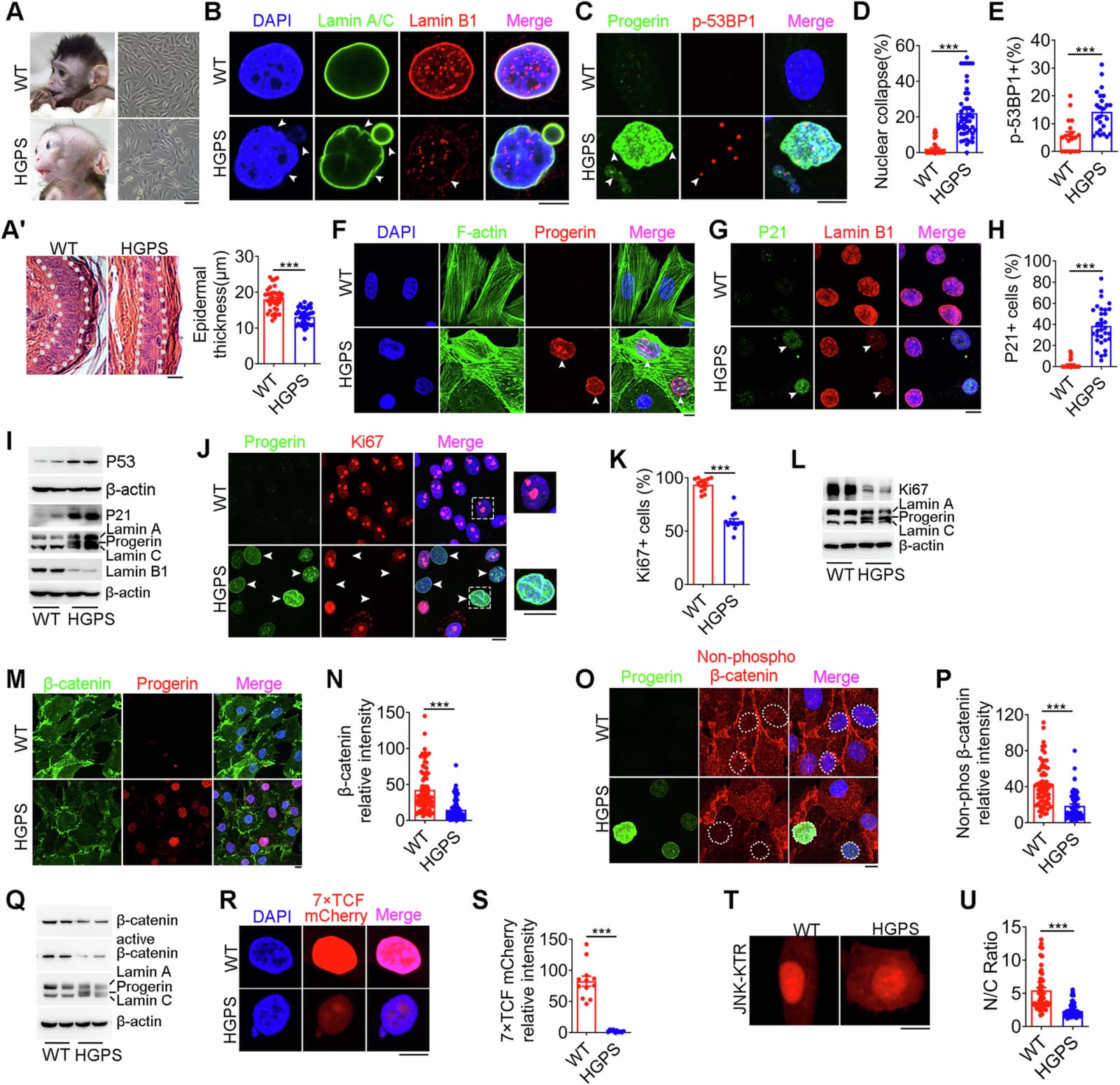
    Protein loss disrupts nuclear structure in primate cells

    Restoring the protein’s activity restored nuclear structure and the ability to divide in cells from aged non-human primates and animals modeling a premature-aging…Restoring the protein’s activity restored nuclear structure and the ability to divide in cells from aged non-human primates and animals modeling a premature-aging disorder.

    Figure from NPJ Aging
    Animal cell studyMechanisms
    Who was studiedPrimary fibroblasts from aged and progeria-model primates
    What changedCells developed nuclear abnormalities after β-catenin depletion
    The catchHealth and lifespan outcomes were not measured
    Paper
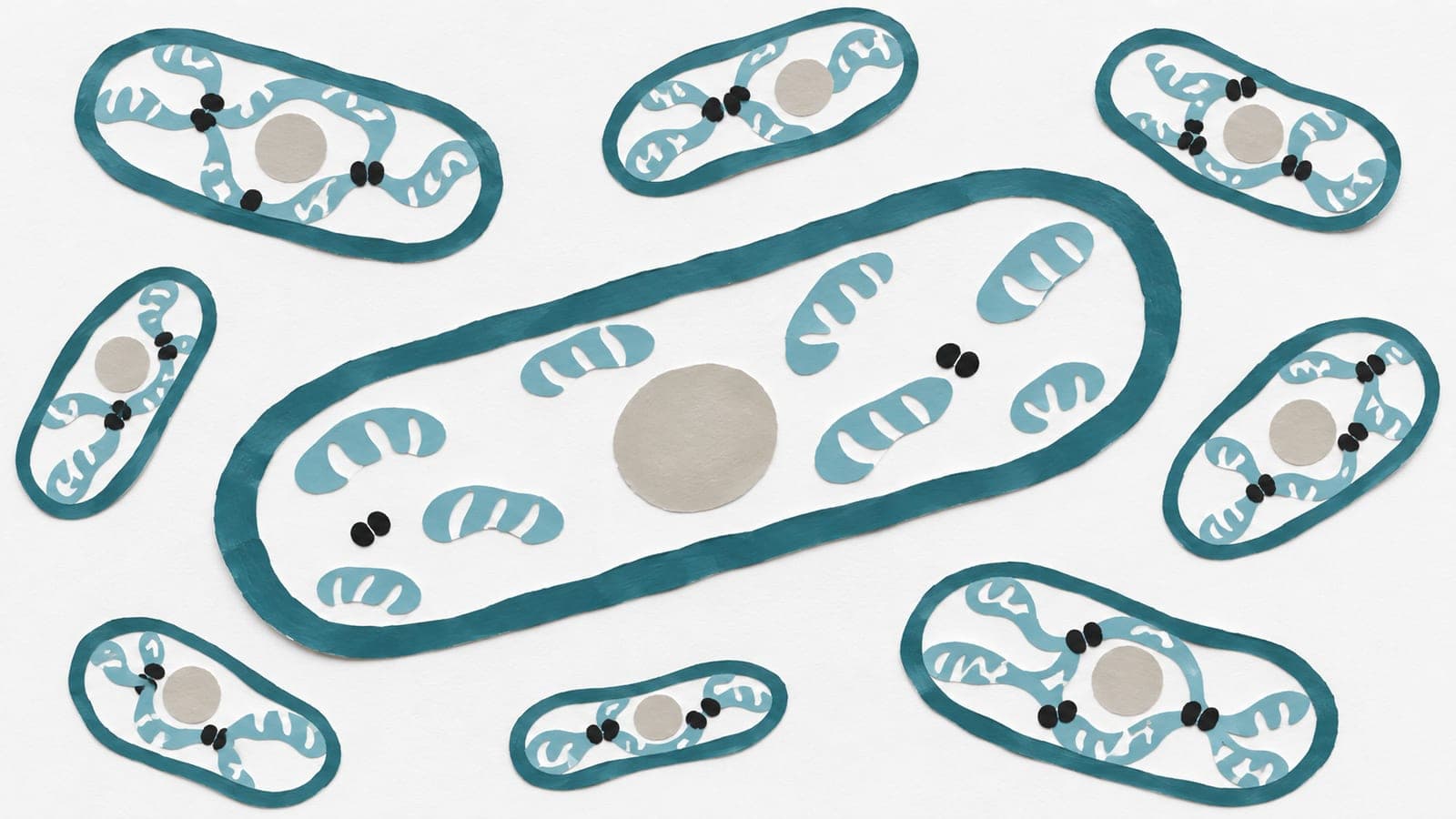
    Microbiology Spectrum·Nov 3

    Loss of Atp12 protein shortens lifespan in fission yeast

    Experiments in fission yeast showed that the protein stabilizes machinery that joins mitochondria, the cells’ energy-producing structures, together.Experiments in fission yeast showed that the protein stabilizes machinery that joins mitochondria, the cells’ energy-producing structures, together.

    A large fission yeast cell contains fragmented mitochondria, surrounded by smaller cells with connected mitochondrial networks and more protein clusters.
    Cell studyMechanisms
    Who was studiedFission yeast cells
    What changedDeleting the Atp12 gene shortened survival after yeast cells stopped dividing
    The catchLifespan was measured as survival after cells stopped dividing
    Paper

    Mon, Nov 21 paper

    Cell·Nov 2

    A fatty acid triggers death in cells that stopped dividing

    Laboratory experiments found that restoring one fatty acid caused senescent cells to die through an iron-dependent process called ferroptosis.Laboratory experiments found that restoring one fatty acid caused senescent cells to die through an iron-dependent process called ferroptosis.

    Figure from Cell
    Cell studyInterventions
    Who was studiedSenescent cells
    What changedAdding DGLA back caused senescent cells to die by ferroptosis
    The catchSenescence markers were measured in mice; senescent cell elimination was not measured
    Paper

    Fri, Oct 301 paper

    Nature Communications·Oct 30

    Two cleanup proteins help reset cell lifespan in yeast

    A laboratory test designed to assess many samples identified proteins involved in selective cell cleanup as factors in lifespan resetting during reproductive-cell…A laboratory test designed to assess many samples identified proteins involved in selective cell cleanup as factors in lifespan resetting during reproductive-cell formation.

    Replicative lifecycle and gametogenic rejuvenation in Saccharomyces cerevisiae.
    Cell studyMechanisms
    Who was studiedBudding yeast gametes, 72 h, against gametes from young double-mutant precursors
    What changedGametes lacking both proteins had shorter lifespans when derived from aged rather than young cells
    The catchCells nearing senescence could escape the traps, leaving their full lifespans unobserved
    Paper

    Fri, Oct 231 paper

    bioRxiv·Oct 23

    Tests back predicted gene links in aging human skin cells

    Experiments confirmed 53.8% of testable gene interactions predicted in human skin cells, a higher share than other methods or random predictions.Experiments confirmed 53.8% of testable gene interactions predicted in human skin cells, a higher share than other methods or random predictions.

    Inferring mechanistic interactions in the transcriptome.
    Preprint: human cell studySkin
    Who was studiedHuman dermal fibroblasts, Day 16 post transduction, against DeepSEM predictions
    What changedTests confirmed 53.8% of predicted gene links, versus 42.4% with the competing DeepSEM method
    The catchViral delivery and drug selection inflated validation; excluding affected genes reduced confirmation to 30%
    Paper

    Fri, Oct 161 paper

    PNAS·Oct 16

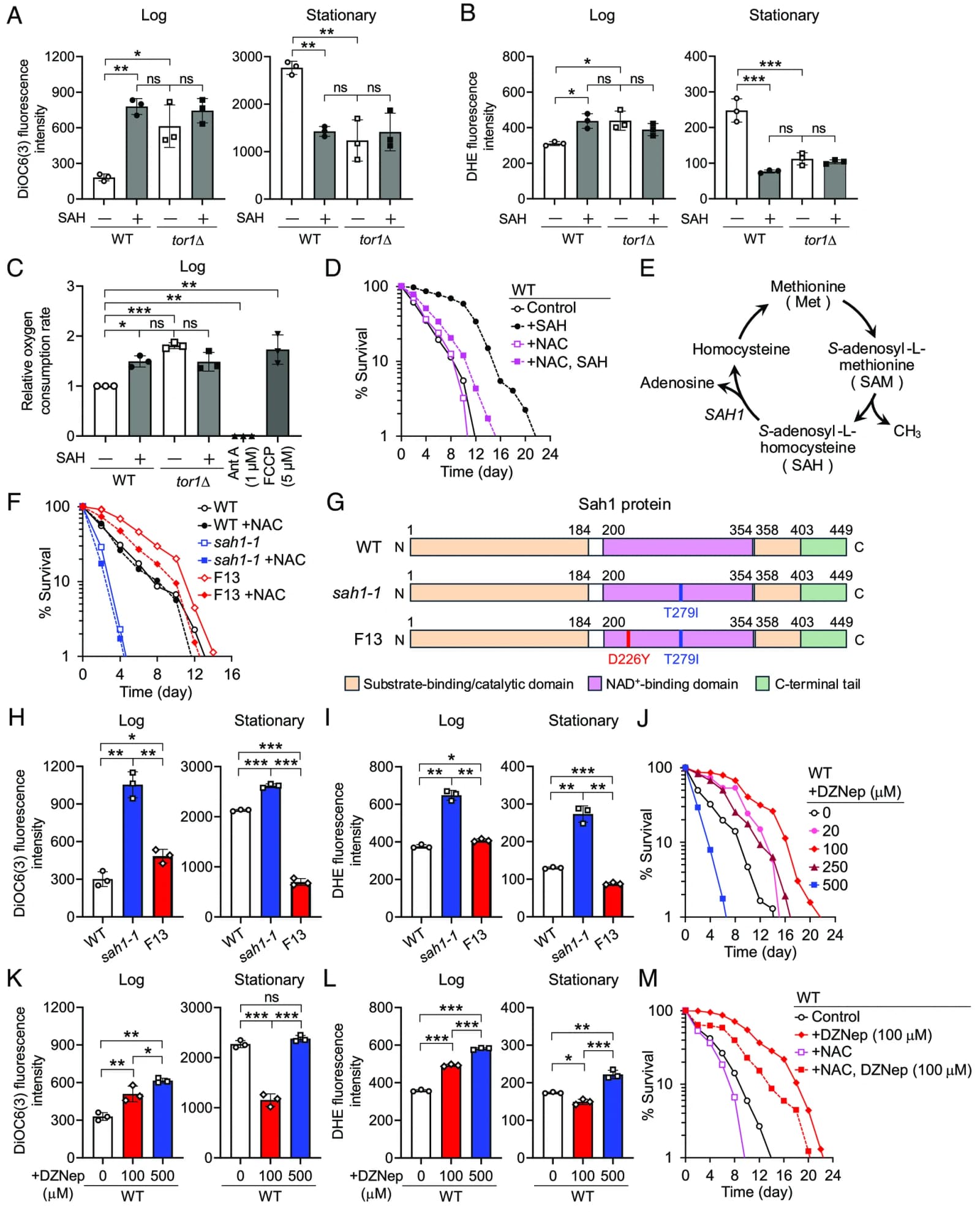
    Metabolic byproduct extended lifespan in yeast cells

    Experiments linked the effect to a brief burst of reactive oxygen molecules and a transporter protein called Ybt1.Experiments linked the effect to a brief burst of reactive oxygen molecules and a transporter protein called Ybt1. In experiments in yeast cells, the metabolic byproduct S-adenosyl-L-homocysteine (SAH) extended chronological…

    SAH supplementation or partial SAH hydrolase inhibition promotes hormesis and CLS extension.
    Cell studyMechanisms
    Who was studiedLaboratory-grown yeast cells
    What changedSAH extended survival in nondividing yeast cells
    The catchThe abstract does not report how much longer the yeast cells survived
    Paper

    Fri, Oct 91 paper

    Aging·Oct 9

    Tiny vesicles spread senescence in lab-grown human cells

    In lab-grown human fibroblasts, tiny vesicles from senescent cells prompted dividing cells to halt division and activate a DNA damage response.In lab-grown human fibroblasts, tiny vesicles from senescent cells prompted dividing cells to halt division and activate a DNA damage response.

    Figure from Aging
    Experiments in human cellsCellular senescence
    Paper

    Fri, Oct 21 paper

    bioRxiv·Oct 2

    ApoD drives cellular aging phenotypes through a nuclear mechanotransduction feedback loop

    In cultured fibroblasts and mice, the blood-borne protein apolipoprotein D raises the nuclear envelope protein SUN1, which in turn drives more ApoD: a loop that disrupts…In cultured fibroblasts and mice, the blood-borne protein apolipoprotein D raises the nuclear envelope protein SUN1, which in turn drives more ApoD: a loop that disrupts cell polarity and shifts gene expression.

    An inhibitor of cell polarity is released from aged HFs and is present in plasma from aged individuals.
    Preprint: experiments in human cellsMechanotransduction
    Paper

    Wed, Sep 161 paper

    Genetics·Sep 16

    Discovery of a small peptide that increases yeast lifespan by enhancing the function of APCCdh1 in nondividing quiescent cells

    Figure from Genetics
    Experiments in yeastInterventions
    Paper

    Tue, Sep 151 paper

    Cells·Sep 15

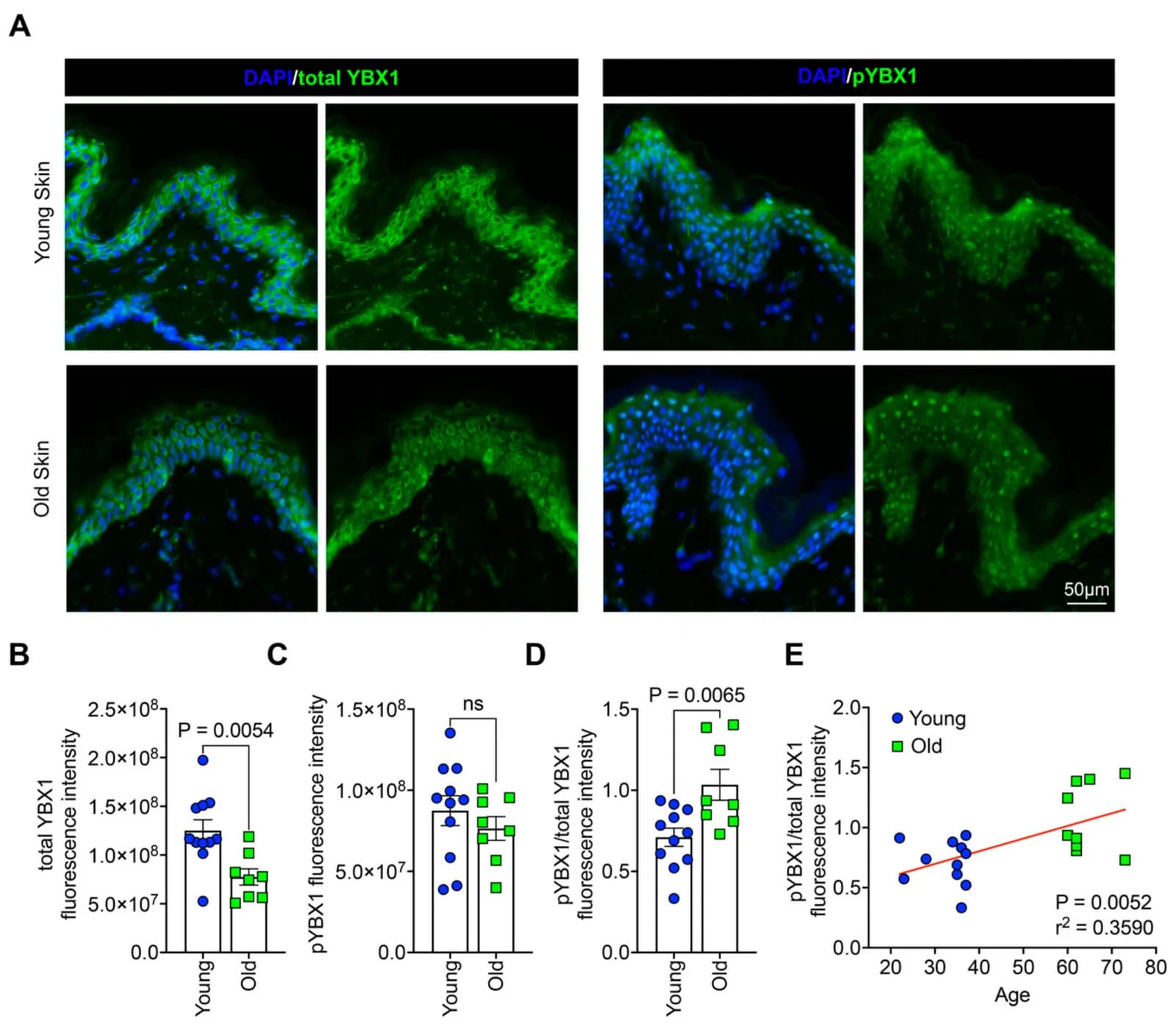
    Protein tagging linked to inflammatory signals in human skin cells

    Two compounds lowered inflammatory signals in lab-grown human skin cells; after 72 hours, fewer cells showed signs of senescence, a state that stops cell division.Two compounds lowered inflammatory signals in lab-grown human skin cells; after 72 hours, fewer cells showed signs of senescence, a state that stops cell division.

    The pYBX1/total YBX1 ratio is elevated in old human epidermis despite reduced total YBX1.
    Human cell studySkin
    Who was studiedPrimary and immortalized human keratinocytes, against DMSO-treated control cells
    What changedPI3K inhibitors lowered inflammatory chemokine secretion in human keratinocytes compared with vehicle-treated cells
    The catchInhibitors also affect growth and metabolism, complicating attribution to YBX1 phosphorylation
    Paper

    Wed, Sep 91 paper

    Research Square·Sep 9

    Loss of Natural IgM Recognition Capacity Links B-Cell Repertoire Aging to Defective Senescent-Cell Immunosurveillance

    Preprint: experiments in human cellsCellular senescence
    Paper

    Mon, Sep 71 paper

    Biogerontology·Sep 7

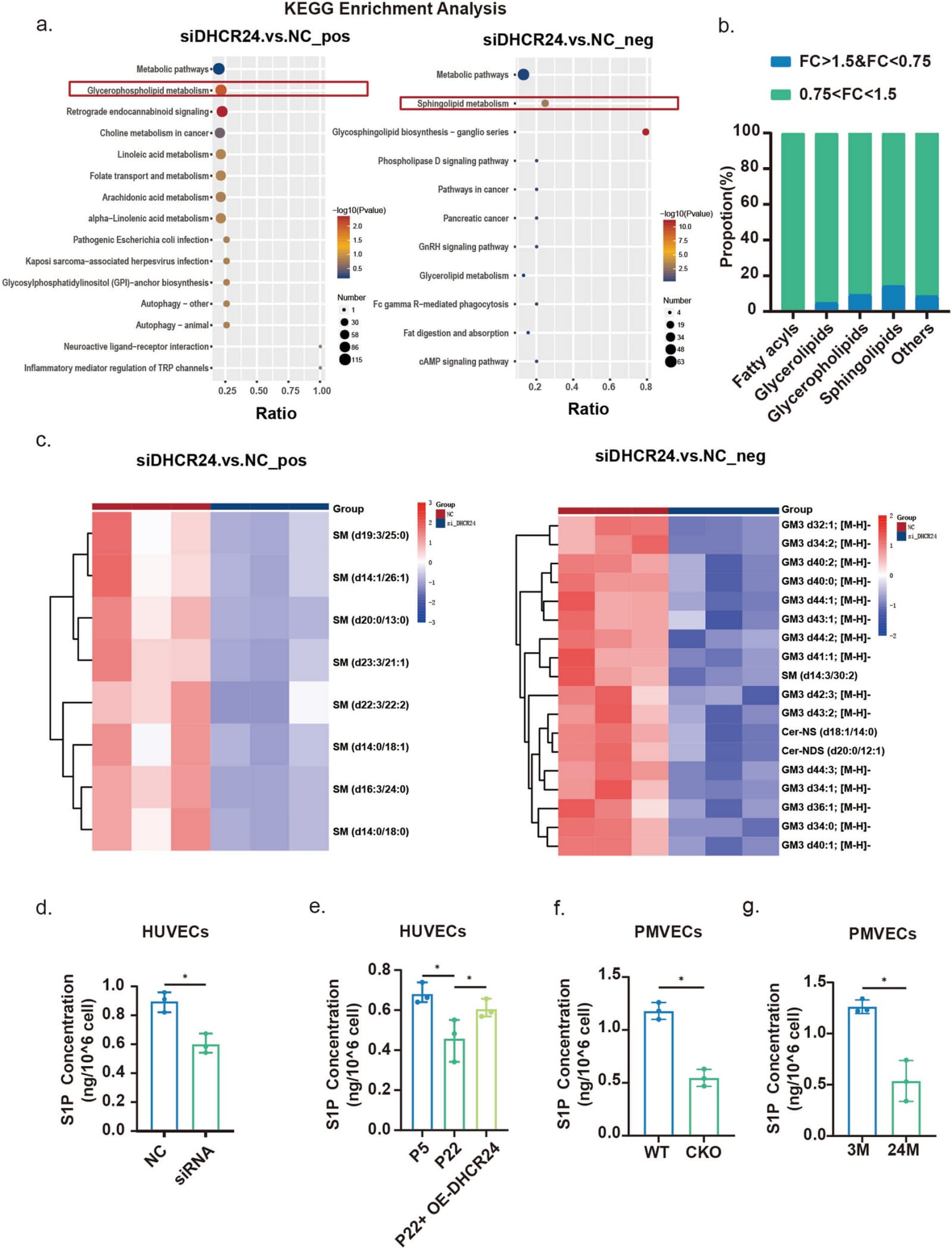
    DHCR24 regulates endothelial senescence through the SPHK2/SPNS2-S1P axis

    Figure from Biogerontology
    Experiments in human cellsCellular senescence
    Paper

    Thu, Aug 271 paper

    Nature·Aug 27

    Bat genomes suggest links between long life and virus defenses

    Researchers assembled genomes for eight Myotis bat species and linked the repeated evolution of long life to natural selection in cancer-related genes.Researchers assembled genomes for eight Myotis bat species and linked the repeated evolution of long life to natural selection in cancer-related genes.

    Near-complete reference assemblies reveal a varied structural variation landscape across nine Nearctic Myotis species.
    Experiments in cellsMechanisms
    Who was studiedMyotis bats
    What changedIn long-lived Myotis lucifugus, DNA-damage-response genes overlapped more than expected with DNA-virus-interacting genes
    The catchSuppressing active DNA transposons offers an alternative explanation for selection in DNA-virus-interacting genes
    Paper

    Thu, Aug 201 paper

    bioRxiv·Aug 20

    A longevity-associated ubiquitin E3 ligase UBE3C governs lamin B1 homeostasis through selective autophagy and delay senescence

    Ubiquitin E3 ligase UBE3C is highly associated with longevity and declines with age.
    Preprint: experiments in human cellsAutophagy
    Paper

    Sun, Aug 161 paper

    Autophagy·Aug 16

    Sequalae and reversal of age-dependent alterations in mitochondrial dynamics via autophagy enhancement in reprogrammed human neurons

    Experiments in human cellsMitochondrial fission and fusion
    Paper

    Thu, Aug 131 paper

    Aging Cell·Aug 13

    Ovarian Extracellular Matrix Mechanics Regulate Oocyte-Follicle Interactions During Female Reproductive Aging

    Age‐related ECM alterations are spatially regulated and correlate with ovarian tissue mechanics.
    Experiments in cellsExtracellular matrix
    Paper

    Fri, Aug 71 paper

    bioRxiv·Aug 7

    Attenuating LRRK2 activity ameliorates progerin-induced aging phenotypes in HGPS models and during physiological aging

    Preprint: experiments in human cellsLMNA
    Paper

    Thu, Aug 61 paper

    The EMBO Journal·Aug 6

    P-selectin delineates conserved functional heterogeneity in early hematopoietic stem cell aging in humans and mice

    Experiments in human cellsBlood and immune system
    Paper

    Mon, Jul 271 paper

    Advanced Science·Jul 27

    Gene activity clock tracks relative age across human tissues

    Trained on 17,212 healthy-donor samples, the model predicted relative age across tissues and several methods of measuring gene activity.Trained on 17,212 healthy-donor samples, the model predicted relative age across tissues and several methods of measuring gene activity. Researchers trained it to distinguish older from younger samples using pairs separated by at…

    Computational studyBiomarkers
    Who was studiedHealthy-donor gene-activity samples
    What changedPasta accurately predicted relative age across diverse human tissues and methods of measuring gene activity
    The catchThe clock scores gene-activity states, not lifespan or health
    Paper

    Sat, Jul 111 paper

    Cell Death & Disease·Jul 11

    Enzyme makes lab-grown human cells more prone to iron-dependent death

    Experiments in human fetal lung cells found that reducing a fat-processing enzyme limited membrane fat damage and chemically triggered death, including in cells that had…Experiments in human fetal lung cells found that reducing a fat-processing enzyme limited membrane fat damage and chemically triggered death, including in cells that had stopped dividing.

    Human cell studyMechanisms
    Who was studiedHuman fetal lung WI-38 fibroblasts, 24 hours, against cells without enzyme reduction
    What changedReducing acid ceramidase protected dividing and senescent human lung cells from chemically triggered death
    The catchCell death without a chemical trigger was not measured
    Paper

    Wed, Jul 81 paper

    GeroScience·Jul 8

    Long-lived mammals contain more phosphorylation sites in the SIRT6 C-terminus that enhance PARP1 interaction and resistance to oxidative stress

    Experiments in human cellsOxidative stress and ROS signaling
    Paper

    Fri, Jun 262 papers

    International Journal of Molecular Sciences·Jun 26

    Methyl caffeate binds a protein linked to human cell secretions

    In lab-grown human connective-tissue cells induced to stop dividing, reducing the protein also reduced release of two inflammatory signals.In lab-grown human connective-tissue cells induced to stop dividing, reducing the protein also reduced release of two inflammatory signals.

    Human cell studyMechanisms
    Who was studiedBJ human fibroblasts
    What changedLowering IQGAP1 reduced release of inflammatory signals, mimicking methyl caffeate’s effects
    The catchMethyl caffeate was given before senescence; effects of treatment after senescence were not measured
    Paper
    Cell Reports·Jun 26

    Protein loss shortened lifespan and destabilized DNA in yeast

    Experiments in budding yeast cells found that RNA–DNA structures accumulated in repeated ribosomal RNA genes when a protein involved in RNA production was lost.Experiments in budding yeast cells found that RNA–DNA structures accumulated in repeated ribosomal RNA genes when a protein involved in RNA production was lost.

    Cell studyMechanisms
    Who was studiedBudding yeast cells
    What changedLoss of Paf1 shortened lifespan in budding yeast cells
    The catchThe abstract omits the lifespan change's size and how lifespan was measured
    Paper

    Fri, Jun 121 paper

    Molecular Cell·Jun 12

    Human cell experiments found no universal senescence marker

    Experiments across 14 human cell types and more than 30 senescence models found shared metabolic and damage-response pathways despite differences in individual markers.Experiments across 14 human cell types and more than 30 senescence models found shared metabolic and damage-response pathways despite differences in individual markers.

    Human cell studyAI & data
    Who was studiedPrimary human cells, against proliferating control cells
    What changedNo RNA or protein marker changed consistently across 14 human cell types compared with proliferating controls
    The catchFixed sampling times can miss transient senescence markers
    Paper

    Mon, Jun 81 paper

    Molecular and Cellular Biology·Jun 8

    Characterization of the m⁶A Epitranscriptome in Fibroblast Senescence

    Experiments in human cellsCellular senescence
    Paper

    Sat, May 301 paper

    Molecular Cell·May 30

    Mitochondria help keep lysosomes acidic in human cells

    Experiments in lab-grown human cells found that restoring contact between energy-producing and recycling compartments reversed the loss of acidity inside lysosomes.Experiments in lab-grown human cells found that restoring contact between energy-producing and recycling compartments reversed the loss of acidity inside lysosomes.

    Human cell studyLysosome
    Who was studiedSenescent human fibroblasts, against senescent cells without an engineered linker
    What changedConnecting mitochondria and lysosomes with an engineered linker restored lysosome acidity in senescent human cells
    Paper

    Wed, May 271 paper

    Molecular Biology of the Cell·May 27

    Sphingolipid regulation by yeast Mdm1 supports adaptive remodeling of the methionine transporter Mup1

    Experiments in yeastMechanisms
    Paper

    Wed, May 201 paper

    Aging Cell·May 20

    Limiting an amino acid extended lifespan in budding yeast

    Gene-deletion experiments traced longer yeast lifespan to reduced chemical tagging of a protein and sustained cellular recycling.Gene-deletion experiments traced longer yeast lifespan to reduced chemical tagging of a protein and sustained cellular recycling. In experiments in budding yeast, researchers restricted methionine, an amino acid used to build…

    Cell studyInterventions
    Who was studiedBudding yeast cells
    What changedMethionine restriction increased yeast survival time and the number of times cells divided
    The catchLifespan effects were measured in laboratory yeast rather than yeast in natural environments
    Paper

    Wed, May 131 paper

    bioRxiv·May 13

    The Spatiotemporal Proteome Landscape of Aging: Structural determinants of age-sensitive proteome remodeling

    Preprint: experiments in yeastAI & data
    Paper

    Sat, Apr 252 papers

    Aging Cell·Apr 25

    Inferring Gene Regulatory Network Architecture Underlying Complex Traits: An Integrative Analysis of Mutant Lifespan and Gene Expression Profiles Identifies Master Regulators and Key Functional Modules for Yeast Aging

    Experiments in yeastMechanisms
    Paper
    Nature Cell Biology·Apr 25

    Electrophilic compound screening identifies GPX4-dependent ferroptosis as a senescence vulnerability

    Experiments in cellsFerroptosis
    Paper

    Sat, Apr 182 papers

    Molecular Cell·Apr 18

    FOXF1/2 establish a senescence-specific enhancer landscape to activate the pro-inflammatory senescence-associated secretory phenotype

    Experiments in human cellsSenescence-associated secretory phenotype (SASP)
    Paper
    Cell Reports·Apr 18

    Dose-dependent mitochondrial H₂O₂ signaling drives toxicity or stress adaptation and longevity in fission yeast

    Experiments in yeastOxidative stress and ROS signaling
    Paper

    Fri, Apr 171 paper

    Advanced Biotechnology·Apr 17

    EYA4 promotes cellular senescence by enhancing P21 transcription through interaction with SIX2

    Experiments in cellsCellular senescence
    Paper

    Mon, Apr 61 paper

    Journal of Cellular and Molecular Medicine·Apr 6

    OMICS Profiling Identifies Signatures of Senescence in Osteogenesis Imperfecta Osteoblasts Counteracted by 4-PBA

    Experiments in mouse cellsInterventions
    Paper

    Wed, Apr 11 paper

    PROGRESS IN BIOCHEMISTRY AND BIOPHYSICS·Apr 1

    Study on The Anti-aging Effects of Longevity-enriched Metabolite Dimethylglycine

    Experiments in human cellsInterventions
    Paper