Loss of Atp12 protein shortens lifespan in fission yeast
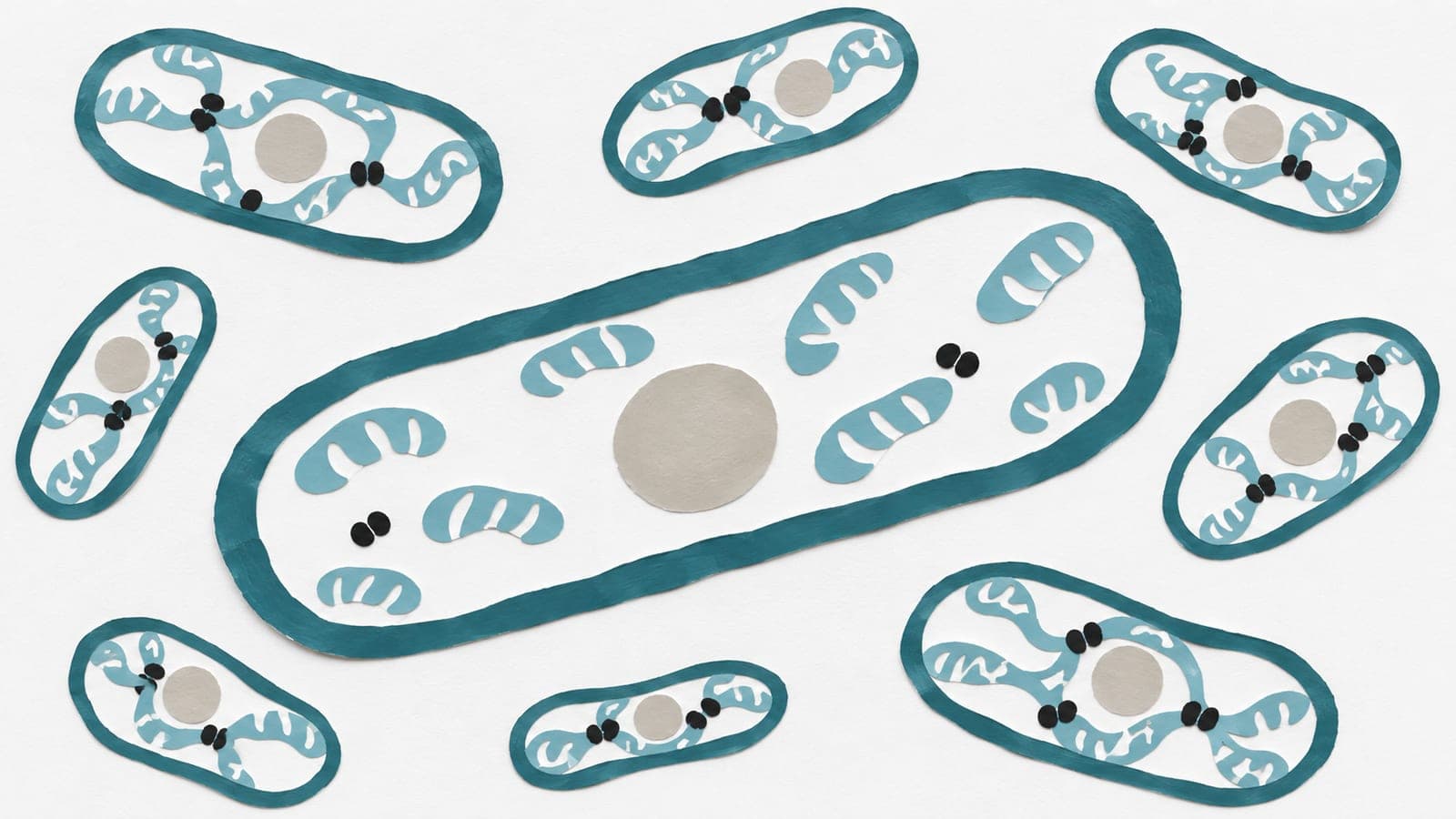
Experiments in fission yeast showed that the protein stabilizes machinery that joins mitochondria, the cells’ energy-producing structures, together.
The catch: Lifespan was measured as survival after cells stopped dividing
Edited by Boris Djordjevic · AgingResearch.News
In experiments with the fission yeast Schizosaccharomyces pombe, deleting the gene for the Atp12 protein markedly shortened chronological lifespan—the time cells survive after they stop dividing. Cells lacking Atp12 also developed severely fragmented mitochondria and defects in mitochondrial function. Atp12 normally helps assemble an energy-producing enzyme, but the experiments indicated that its effects went partly beyond that role.
The researchers identified Fzo1, a protein needed for mitochondria to fuse together, as a key link. Atp12 physically interacted with Fzo1 and stabilized its protein levels. Increasing Fzo1 production rescued mitochondrial fragmentation and functional decline in cells lacking Atp12. The authors concluded that insufficient Fzo1 largely accounted for these mitochondrial defects.
Why it matters
Mitochondrial dysfunction is a feature of cellular aging. The authors propose that coordination between mitochondrial production and changes in their shape helps regulate the aging process.
Caveats
These experiments tested aging in yeast cells, not animals or people. They do not establish whether the same mechanism influences human aging.
The paper
Hubei University of Medicine
Microbiology Spectrum, Nov 3, 2026, CC BY

Comments
Be the first to comment.