Methyl caffeate binds a protein linked to human cell secretions
In lab-grown human connective-tissue cells induced to stop dividing, reducing the protein also reduced release of two inflammatory signals.
Our read
Mechanisms- Studied:
- Experiments in BJ human fibroblasts
- What changed:
- Lowering IQGAP1 reduced release of inflammatory signals, mimicking methyl caffeate’s effects
- The catch:
- Methyl caffeate was given before senescence; effects of treatment after senescence were not measured
Editor of record: Boris Djordjevic · AgingResearch.News
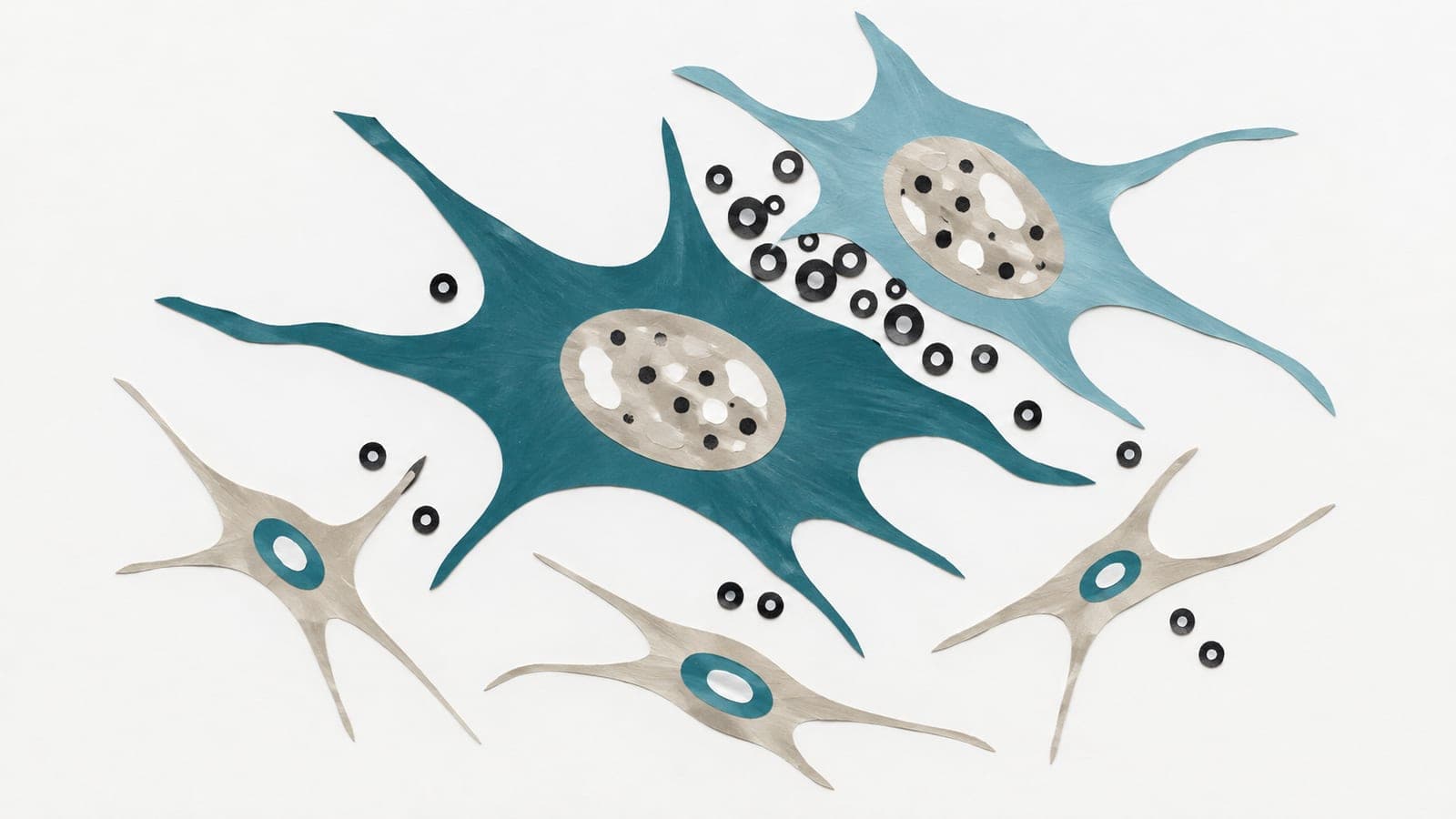
Experiments in BJ human fibroblasts, connective-tissue cells grown in the lab, identified IQGAP1, a protein that organizes cell signaling, as a binding partner for methyl caffeate. Researchers used beads coated with the compound to capture proteins from cell extracts.
They also gave cells methyl caffeate for 24 hours before using bleomycin to induce senescence, a state in which cells stop dividing. They measured secretions 144 hours after senescence induction. Methyl caffeate pretreatment reduced release of interleukin-6 and interleukin-8, two inflammatory signals. Lowering IQGAP1 levels also reduced release of both signals, mimicking methyl caffeate’s effects. The authors identified IQGAP1 as essential for inducing these senescence-associated secretions and as a target of methyl caffeate.
Why it matters
Secretions from senescent cells contribute to age-related disease. The authors suggest that targeting specific parts of IQGAP1 could help guide development of drugs that regulate these secretions.
Caveats
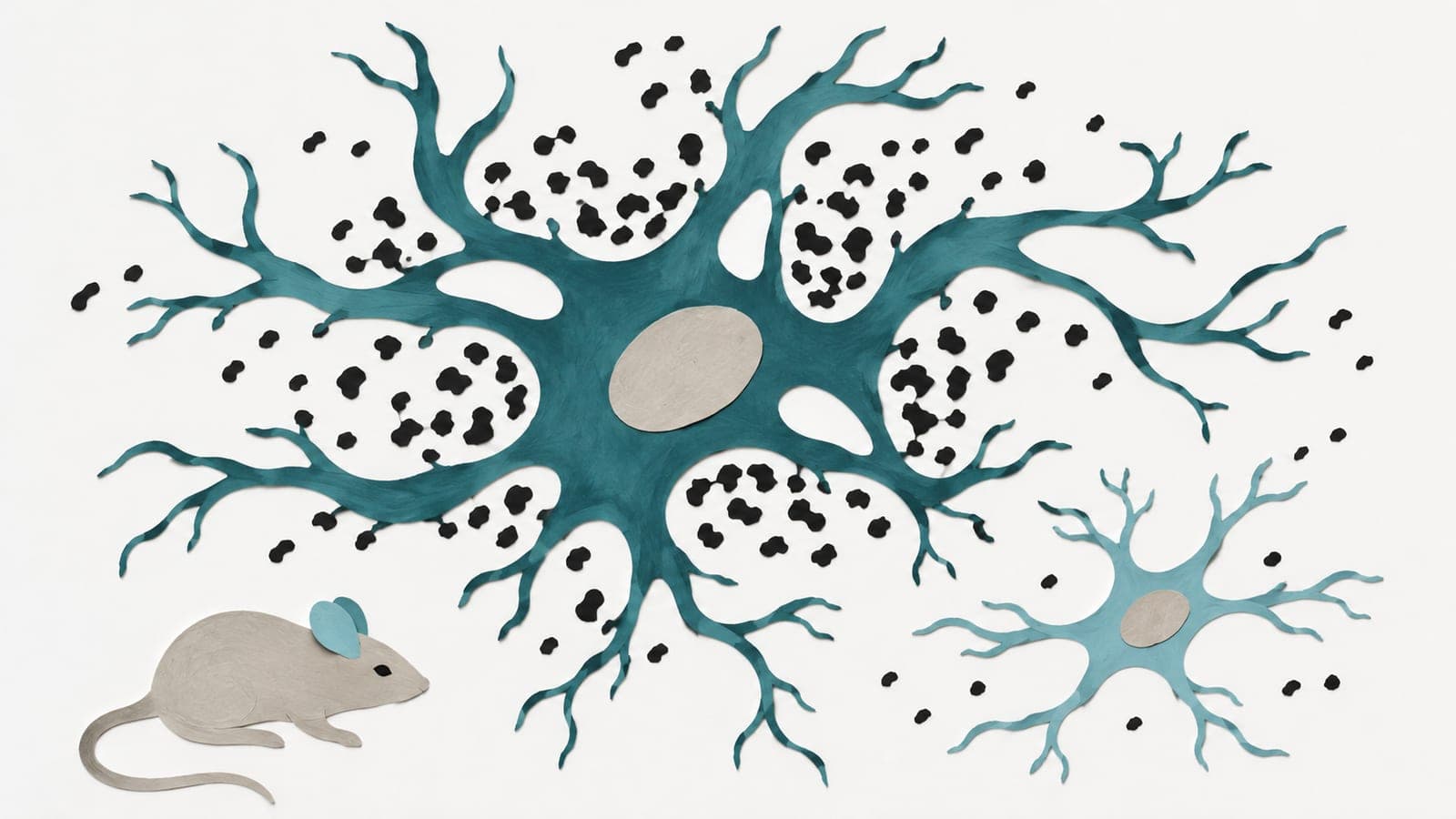
The experiments used one human cell line, not animals or people. Methyl caffeate was given before senescence was induced, so these results do not establish its effects when given to already-senescent cells.
The paper
Kyoto Prefectural University of Medicine
International Journal of Molecular Sciences, Jun 9, 2026, Open access
Comments
Be the first to comment.