ApoD drives cellular aging phenotypes through a nuclear mechanotransduction feedback loop
In cultured fibroblasts and mice, apolipoprotein D triggers SUN1 accumulation, reinforcing a signaling cycle that alters gene expression and cellular polarity.
bioRxiv
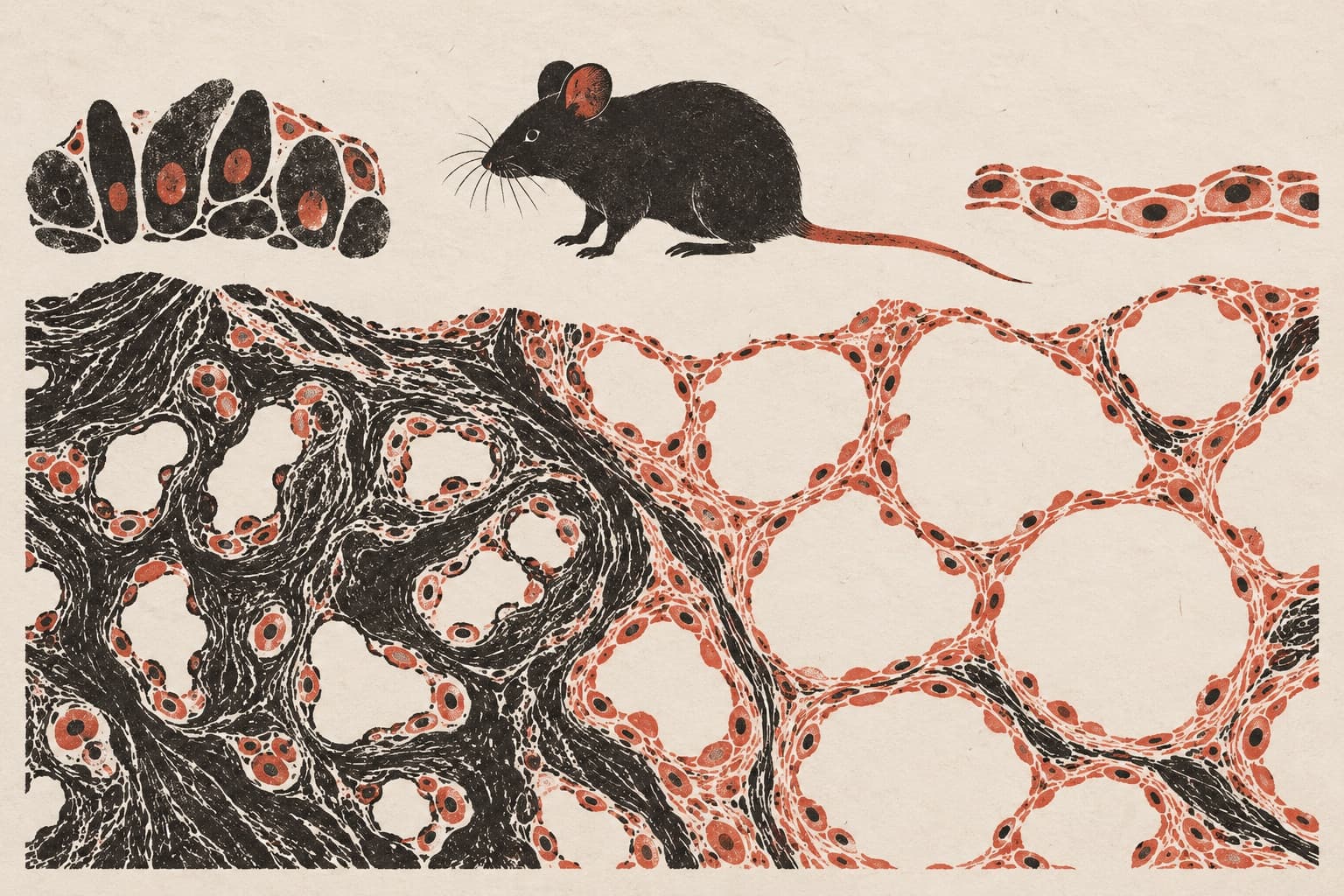
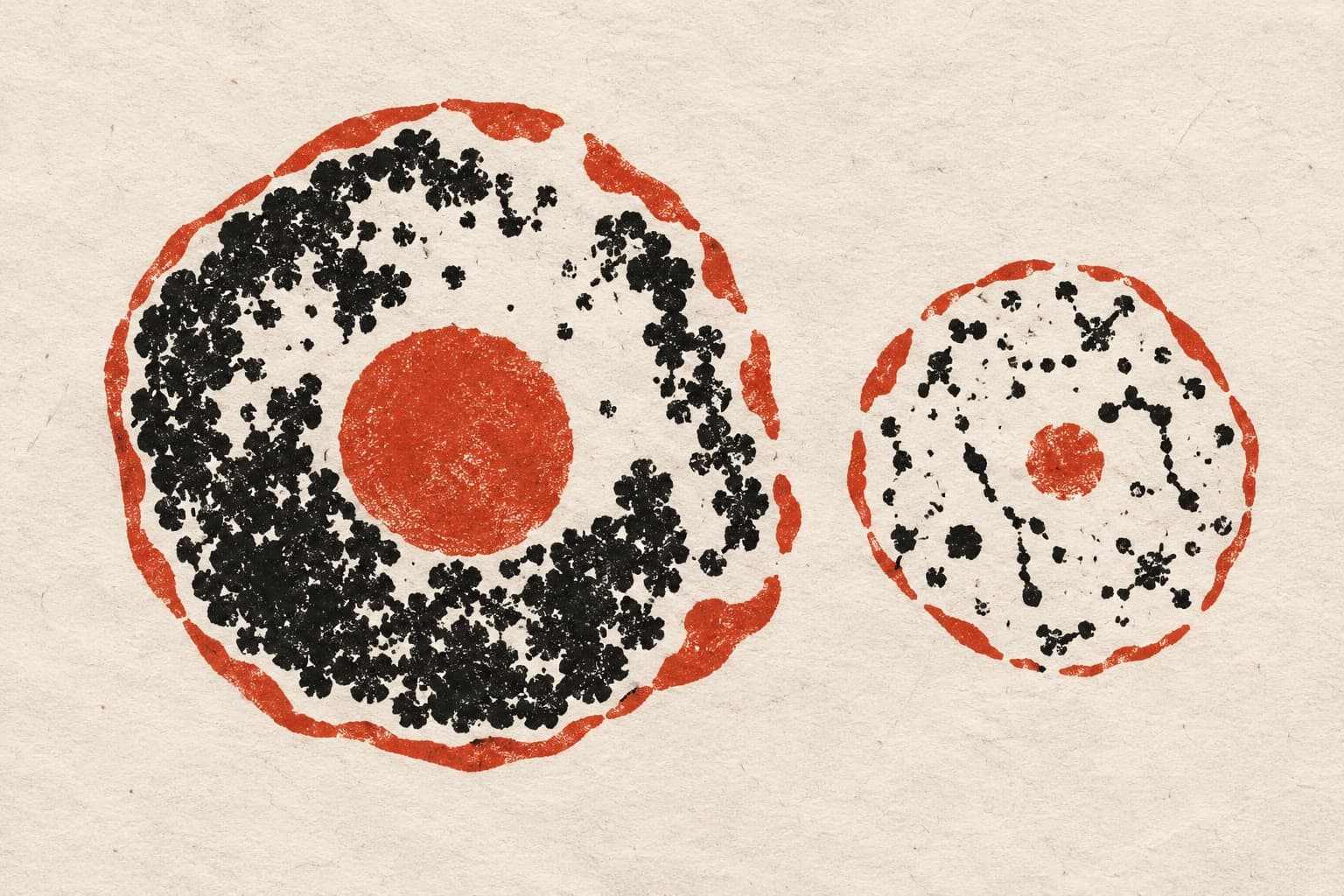
In cultured fibroblasts and mice, researchers examined how aging cells spread phenotypes to nearby cells, according to a new preprint. Using a cell culture model of parabiosis, the authors showed that aged fibroblasts secrete apolipoprotein D (ApoD). Exposing young fibroblasts to ApoD disrupted cell polarity by raising levels of the nuclear envelope protein SUN1. This increase enhanced the mechanical coupling of microtubules to the nucleus through the outer nuclear membrane protein nesprin-2. Elevated SUN1 also stimulated further ApoD secretion, creating a self-reinforcing feedback loop. In living mice, ApoD induced aging-related phenotypes in muscle tissue. Broader profiling demonstrated that this mechanotransduction pathway regulates hundreds of genes to promote aging-associated traits.
Why it matters
The findings define a direct mechanotransduction mechanism through which physical connections between the cytoskeleton and the nucleus regulate gene expression during aging.
Caveats
The study was published as a preprint and has not completed peer review, and key mechanistic findings were generated in cell culture before limited testing in mouse muscle.
The paper
A SUN1-ApoD feedback loop promotes cellular aging via microtubule-nuclear mechanotransduction
Show 6 more authors
Yue Ma, Yutao Li, Xinluan Wang, Richard Lynn Bennett, Jonathan D. Licht, Gregg G. Gundersen,University of Macau
bioRxiv · 10 Sep 2026 · Preprint, not peer-reviewed