Skip to content
AgingResearch.News app

AgingResearch.NewsFree on Google Play

Open app
AgingResearch.News
  • HomeHome
  • SearchSearch
  • AskAsk
  • FollowingFollowing
  • SavedSaved
Join freeSign inSign inSign in
AgingResearch.NewsJoin free
  • Top
  • Latest
  • For you

Latest: Human studies · Preprints · Most significant

Filter

Clear filters

Evidence

  • All
  • Prevention & practice
  • Human trials
  • Human studies
  • Animals
  • Model organisms
  • Cells
  • In silico
  • Reviews

Status

  • All
  • Peer-reviewed
  • Preprints
  • All
  • Most significant
  • All
  • Open access
  • All
  • Prevention & practice
  • Human trials
  • Human studies
  • Animals
  • Model organisms
  • Cells
  • In silico
  • Reviews
  • All
  • Most significant
  • All
  • Open access
Status
  • All
  • Peer-reviewed
  • Preprints
FooterIn your assistantComparePrivacyTermsAboutStandardsContactRSSPricingFollow on X© 2026 AgingResearch.News
Sidebar

    Join AgingResearch.News

    Free: every story, saved papers, follows, the weekly email and 3 questions a day to Ask.

    Continue with email

    By continuing, you agree to our Terms and Privacy Policy.

    News

    See allSee all news
    Engineered gut bacteria increase bile acid deconjugation, improving aged mice’s metabolic healthResearchGEN +5Engineered gut bacteria increase bile acid deconjugation, improving aged mice’s metabolic healthLater-born generations reach old age with better memory and slower declineResearchMedical Xpress +1Later-born generations reach old age with better memory and slower declineCastration at 240 days extends median lifespan 32.9% in male UM-HET3 miceResearchFight Aging! +1Castration at several ages extends male lifespan and reveals age-dependent effects of testicular factors on survival.

    Trials

    See allSee all trials
    Modulation Effects of Baduanjin Exercise on Subjective Cognitive DeclineResults posted Nov 6, 2026, Massachusetts General HospitalPsilocybin Effects on Healthy Aging Biomarkers and Purpose in LifePhase 1Now recruiting Nov 17, 2026, Charles RaisonPhase I Trial of a Single Administration of aKLmRNA-Mediated Protein Replacement TherapyPhase 1Now recruiting Nov 12, 2026, Klothea Bio Inc

    Trending

    See allSee all trending stories
    SLEEPGeneOlder adults had weaker brain fluid flow waves during sleepBilobetinInterventionBilobetin eased infection-driven immune aging in miceMizagliflozinInterventionFirst trial results posted: Effect of Mizagliflozin Repeat Dosing on Adverse Events and Postprandial Glucose…LY3437943InterventionFirst trial results posted: A Study of Retatrutide (LY3437943) on Renal Function in Participants With Overweight or…Royal jellyInterventionRoyal jelly increased stem cell activity in aged miceImmune responseProcessIn the news: 9 stories this week. Immune signal keeps brown fat in a low-heat state in mice, and 1 more story this week

    Topics

    See allSee all topics
    Mechanisms386Interventions832Biomarkers544Populations822AI & data163Industry & policy36SupplementsPeptidesProtocols
    Footer
    • In your assistant
    • Compare
    • Privacy
    • Terms
    • About
    • Standards
    • Contact
    • RSS
    • Follow on X
    • © 2026 AgingResearch.News

    TodayTue, Nov 17Tuesday, November 171 paper

    Preprints.org·19 h

    Reversal of Heart Age in Adults with Obesity After Initiation of Semaglutide Detected by Serial Electrocardiography

    Preprint: cohort study in peopleObesity
    Paper

    Sat, Nov 141 paper

    Research Square·Nov 14

    Blood protein scores linked to future age-related disease

    In 44,526 UK Biobank participants, 10-year disease incidence differed up to 20-fold between people of the same age with different scores.In 44,526 UK Biobank participants, 10-year disease incidence differed up to 20-fold between people of the same age with different scores. Blood protein measurements from 44,526 UK Biobank participants formed the basis of an…
    Blood cells and folded proteins sit beside kidney cross-sections, one dark blue-green with orderly tissue and one gray with disrupted tissue.
    Preprint: cohort · 44,526 peopleBiomarkers
    Who was studied44,526 UK Biobank participants
    What changed10-year disease incidence differed up to 20-fold between same-age people with different blood protein scores
    The catchDisease developing before diagnosis could raise protein scores, rather than protein changes preceding disease
    Paper

    Thu, Nov 121 paper

    Preprints.org·Nov 12

    Semaglutide linked to lower heart age estimates in adults with obesity

    After 12 months, estimated heart age relative to actual age fell 0.73 years with semaglutide, versus no significant change after weight-loss surgery.After 12 months, estimated heart age relative to actual age fell 0.73 years with semaglutide, versus no significant change after weight-loss surgery.

    Heart cross-sections have smaller and larger gray patches, with broader figures and a molecular strand beside one and slimmer figures beside the other.
    Preprint: cohort studyObesity
    Who was studiedAdults with obesity, 12 months, against patients undergoing weight-loss surgery
    What changedEstimated heart age relative to actual age fell 1.28 years more with semaglutide than after weight-loss surgery at 12 months
    The catchHeart age was an estimate from electrical recordings
    Paper

    Tue, Nov 101 paper

    Research Square·Nov 10

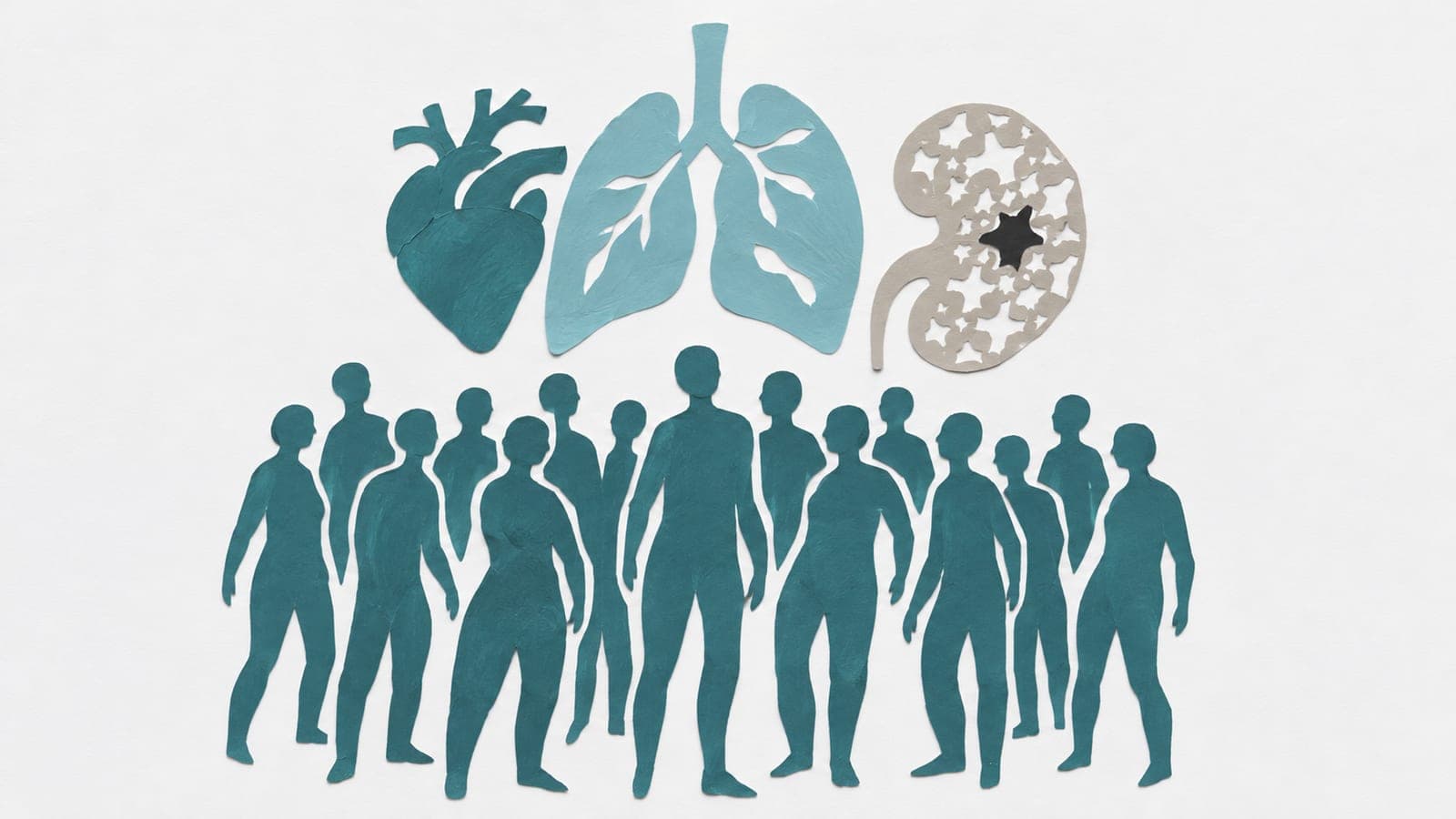
    Uneven organ aging linked to higher death risk in UK cohort

    Higher imbalance was linked to greater mortality risk, with a relative-risk measure called a hazard ratio of 1.11 per standard-deviation increase.Higher imbalance was linked to greater mortality risk, with a relative-risk measure called a hazard ratio of 1.11 per standard-deviation increase.

    A group of upright, faceless people stands beneath a whole heart, lungs with scattered gaps, and a gray kidney riddled with holes.
    Preprint: cohort · 221,599 peopleBiomarkers
    Who was studied221,599 UK Biobank participants
    What changedDeath risk was higher with more uneven organ aging (hazard ratio of 1.11 per standard-deviation increase)
    The catchExisting health differences could contribute to both uneven organ aging and later death
    Paper

    Thu, Nov 52 papers

    Research Square·Nov 5

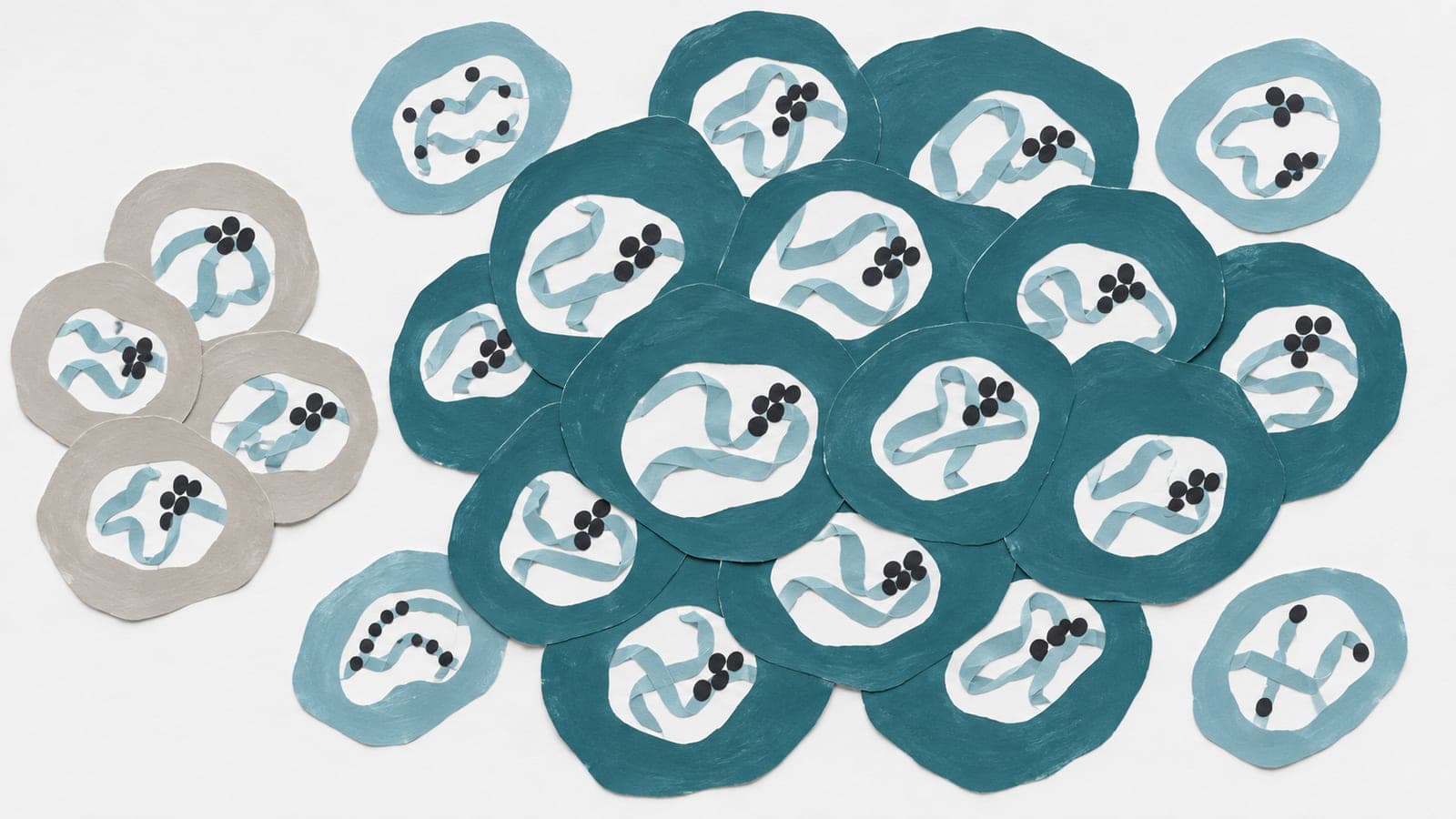
    Human blood retains DNA-marking patterns formed before birth

    Each blood cell carried about 300,000 acquired DNA-marking changes before birth, including more than 3,000 in large segments that remained stable for decades.Each blood cell carried about 300,000 acquired DNA-marking changes before birth, including more than 3,000 in large segments that remained stable for decades.

    Blood-forming cells share clustered marks on chromatin fibers in a small gray group and a larger dark blue-green group, with differently marked cells nearby.
    Preprint: cross-sectional · 13 peopleMechanisms
    Who was studied13 individuals with healthy or malignant blood formation
    What changedEach blood cell retained >3000 prenatal DNA-marking changes in large segments stable for decades
    The catchOnly 13 individuals supplied the blood-forming cells
    Paper
    medRxiv·Nov 5

    Physiological Waveform Features Based Aging Clocks Associate with Cardiovascular Disease

    Preprint: cross-sectional study of 17,327 peopleCardiovascular disease
    Paper

    Tue, Nov 33 papers

    bioRxiv·Nov 3

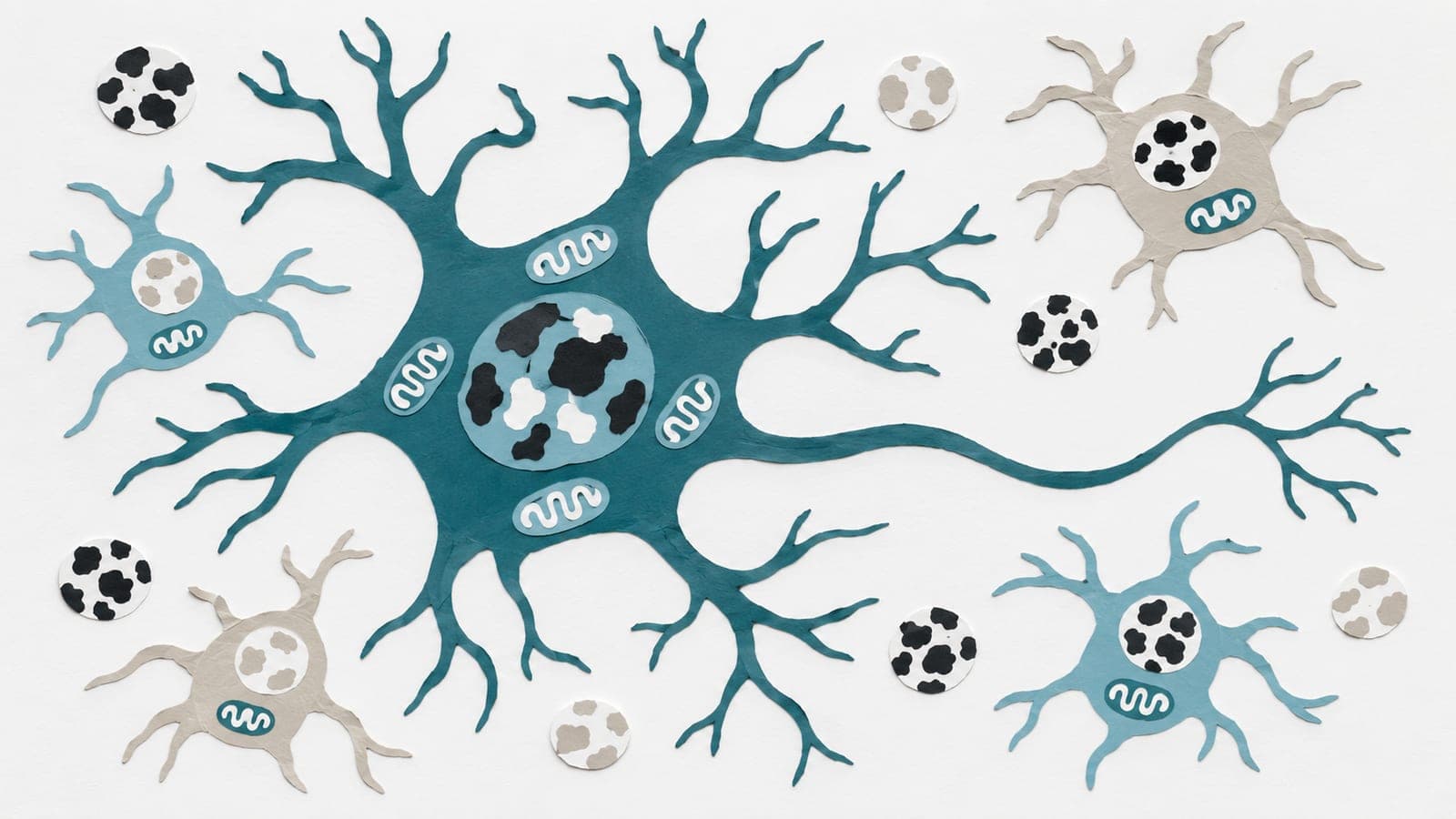
    Aging in a human brain region shares gene patterns with disorders

    An observational analysis of caudate tissue from 178 human donors found age-related gene activity changes that appeared earlier in donors with alcohol use disorder.An observational analysis of caudate tissue from 178 human donors found age-related gene activity changes that appeared earlier in donors with alcohol use disorder.

    A branching neuron with folded mitochondria sits among smaller glial cells and scattered nuclei containing dense dark or sparse gray patches.
    Preprint: cross-sectional · 178 peopleAI & data
    Who was studied178 human brain tissue donors
    What changedAging-related gene activity patterns overlapped with brain disorders in energy production and fatty acid processing, with overlap varying by disorder
    The catchDifferences associated with alcohol use disorder could mimic earlier aging across donors
    Paper
    bioRxiv·Nov 3

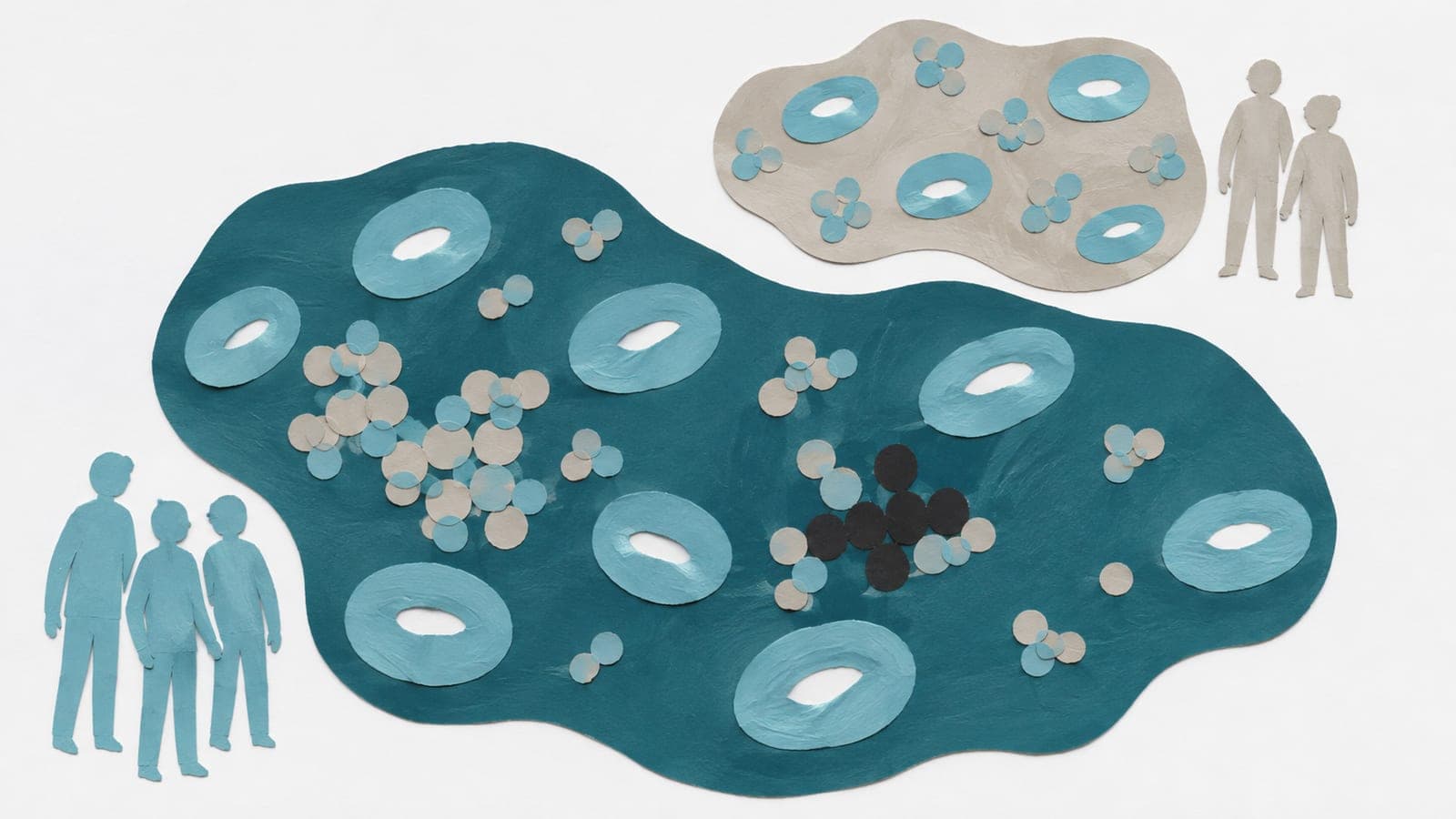
    Combined biological imbalances linked to disease and death

    An observational study of 9,992 older adults linked imbalances across multiple biological systems to a higher risk of developing disease and dying.An observational study of 9,992 older adults linked imbalances across multiple biological systems to a higher risk of developing disease and dying.

    Blood samples beside small groups of people show uneven molecular clusters in dark blue-green and a more evenly distributed mixture in gray.
    Preprint: cohort · 9,992 peopleBiomarkers
    Who was studied9,992 older adults
    What changedRisks of disease and death were higher with imbalances across multiple biological systems
    The catchThe findings are limited to older adults in a Canadian cohort
    Paper
    bioRxiv·Nov 3

    Measures of aging in cell structures linked to disease risk

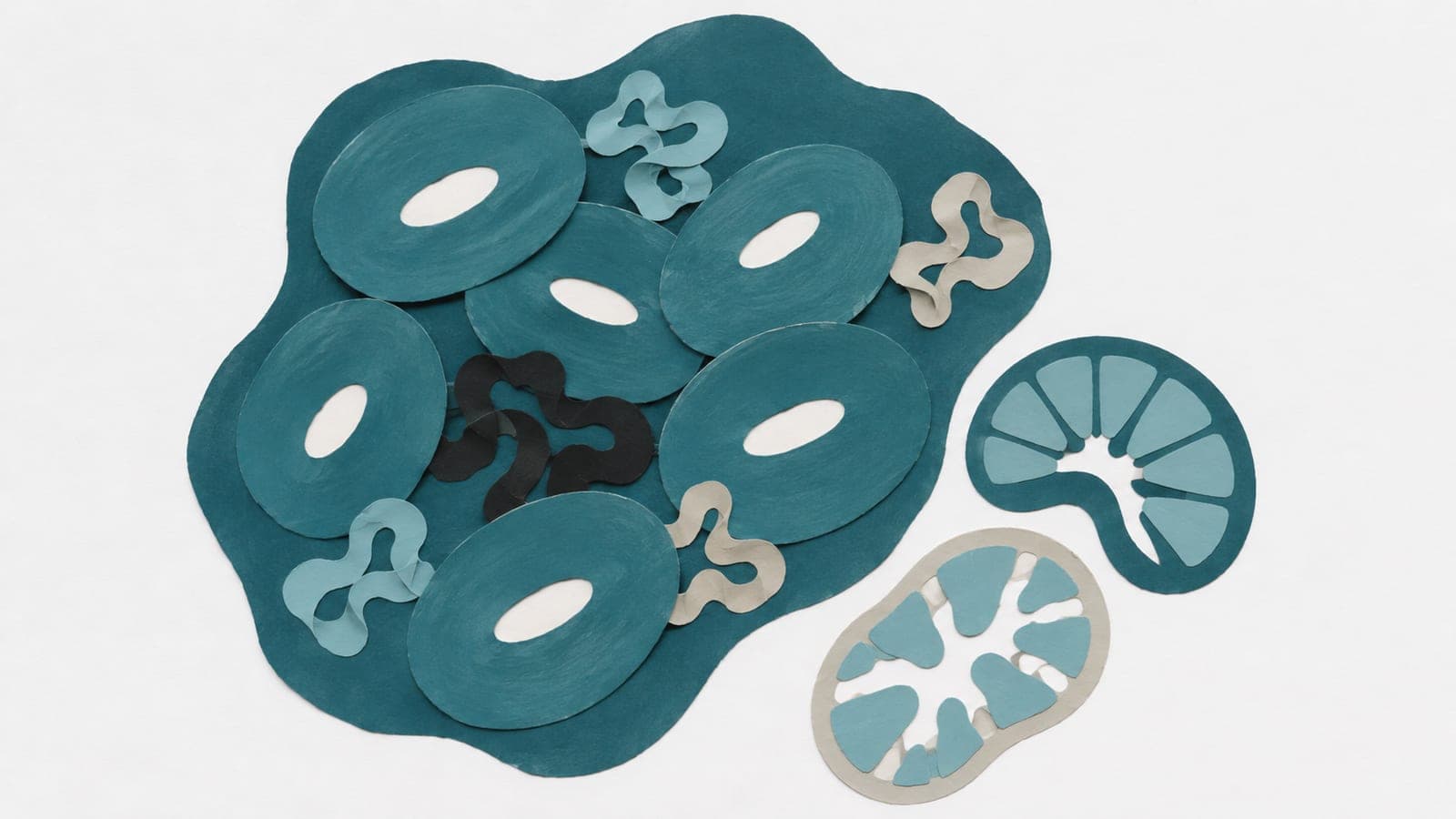
    Among 61,931 people, four or more prematurely aged compartments were linked to up to 22-fold higher kidney disease risk and up to 8-fold higher mortality risk.Among 61,931 people, four or more prematurely aged compartments were linked to up to 22-fold higher kidney disease risk and up to 8-fold higher mortality risk.

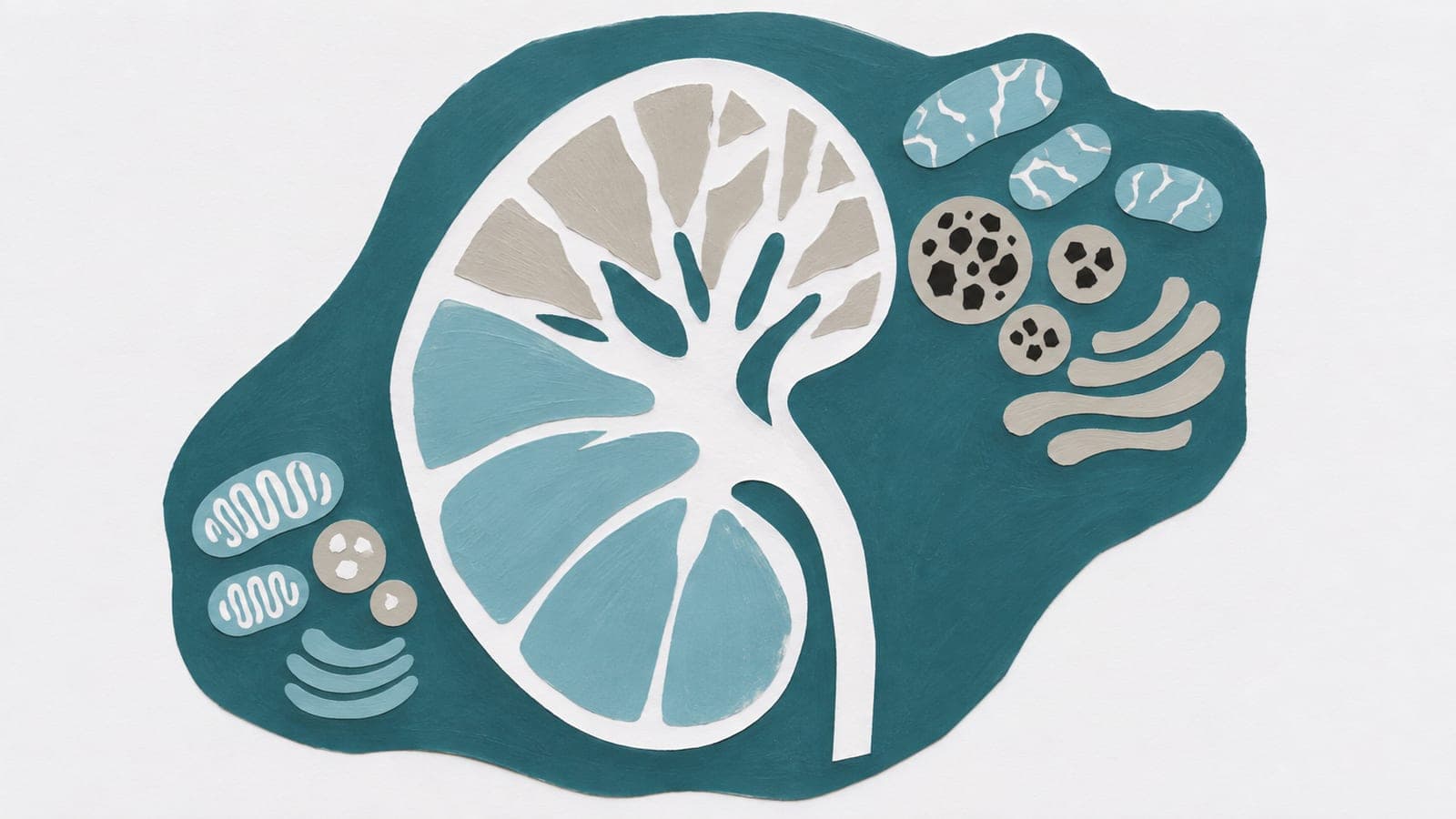
    Kidney cross-section with intact and fragmented tissue beside mitochondria with dense or broken folds, sparse or crowded lysosomes, and curved membrane stacks.
    Preprint: cohort study of 61,931 peopleBiomarkers
    Who was studied61,931 people across the human lifespan
    What changedKidney disease risk was up to 22-fold higher among people with four or more prematurely aged compartments
    The catchFluid proteins served as proxies for organelle aging rather than direct measurements inside cells
    Paper

    Wed, Oct 283 papers

    medRxiv·Oct 28

    Electronic frailty index linked to death risk in older adults

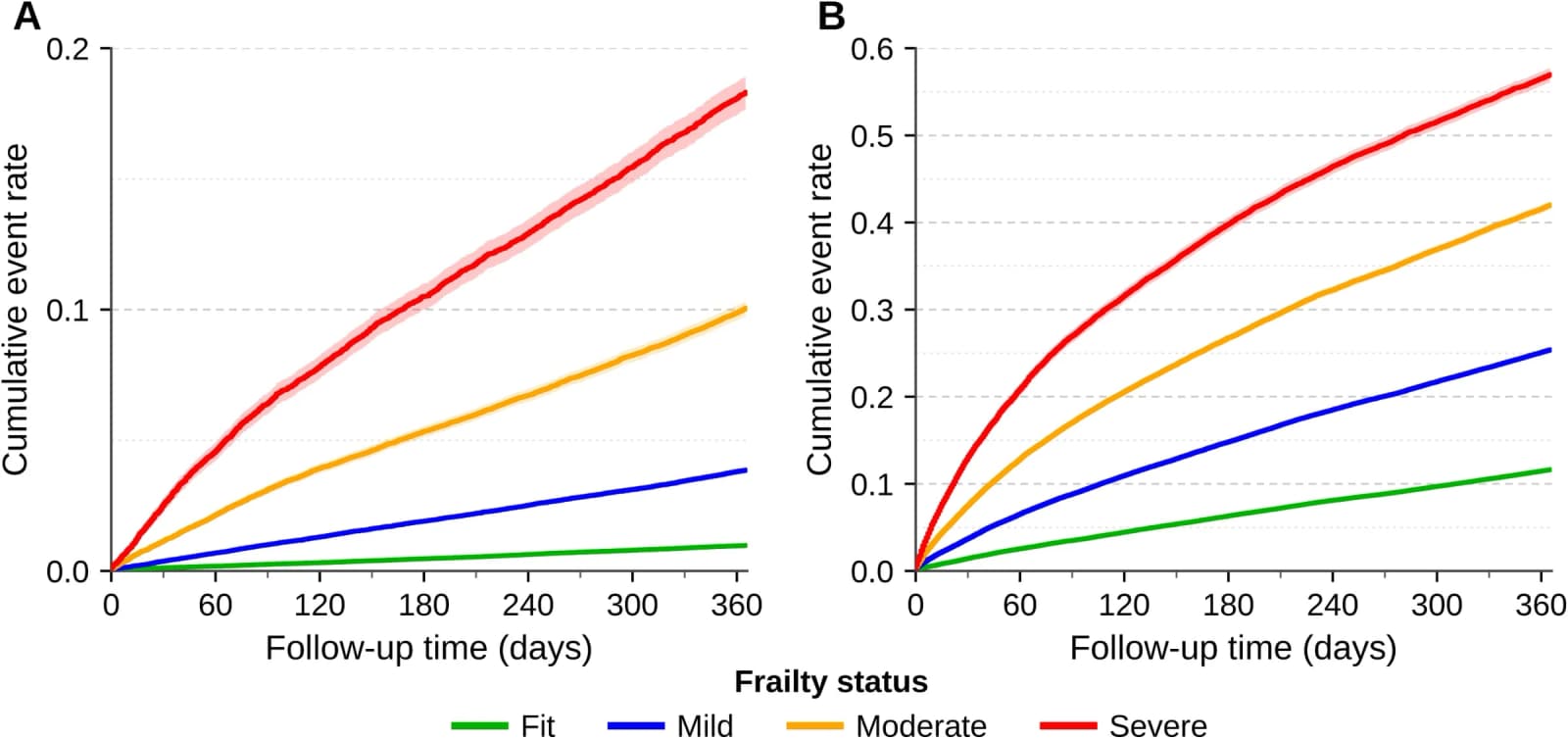
    One-year mortality was 18.7% in severely frail patients compared with 0.9% in fit individuals in an Israeli health maintenance organization.One-year mortality was 18.7% in severely frail patients compared with 0.9% in fit individuals in an Israeli health maintenance organization.

    One-year cumulative incidence by CeFI category in the validation cohort (n=320,729; index date: January 1, 2018).
    Preprint: cohort · 641,748 peopleBiomarkers
    Who was studied641,748 members aged 65 years and older, one year, against fit individuals
    What changedOne-year mortality was higher in severely frail patients than fit individuals: 18.7% against 0.9%
    The catchFollow-up for mortality was limited to one-year
    Paper
    medRxiv·Oct 28

    Five risk factors linked to cognitive scores, not decline

    An observational study followed 1,396 generally healthy adults aged 36–108 for an average of 5.0 years, separating cognitive performance from subsequent decline.An observational study followed 1,396 generally healthy adults aged 36–108 for an average of 5.0 years, separating cognitive performance from subsequent decline.

    Cognitive aging across the adult lifespan in the AABC cohort.
    Preprint: cohort · 1,396 peoplePopulations
    Who was studied1,396 generally healthy adults, mean follow-up 5.0 years
    What changedFive modifiable factors were associated with cognitive performance, but none with rate of decline
    The catchMean follow-up was 5.0 years, too short to detect cognitive decline
    Paper
    bioRxiv·Oct 28

    Immune signals linked to physical frailty in people

    Blood analyses in two aging cohorts of 22 and 33 people linked physical frailty to immune signals involved in cell movement and inflammation.Blood analyses in two aging cohorts of 22 and 33 people linked physical frailty to immune signals involved in cell movement and inflammation.

    Study design and derivation of age-adjusted TUG residuals.
    Preprint: cohort · 55 peopleImmune response
    Who was studied55 community-dwelling adults, three years
    What changedHigher levels of IFNγ–CXCR3 immune signals in blood were linked to greater physical frailty
    The catchOnly 55 people contributed to the frailty association
    Paper

    Tue, Oct 271 paper

    Research Square·Oct 27

    Questionnaire frailty score linked to later disability

    Over four to five years, disability risk ranged from 4.6% in the lowest frailty group to 19.8% in the highest in the US cohort.Over four to five years, disability risk ranged from 4.6% in the lowest frailty group to 19.8% in the highest in the US cohort. An observational analysis pooled four studies of 19,324 adults aged 50 or older who initially had no…

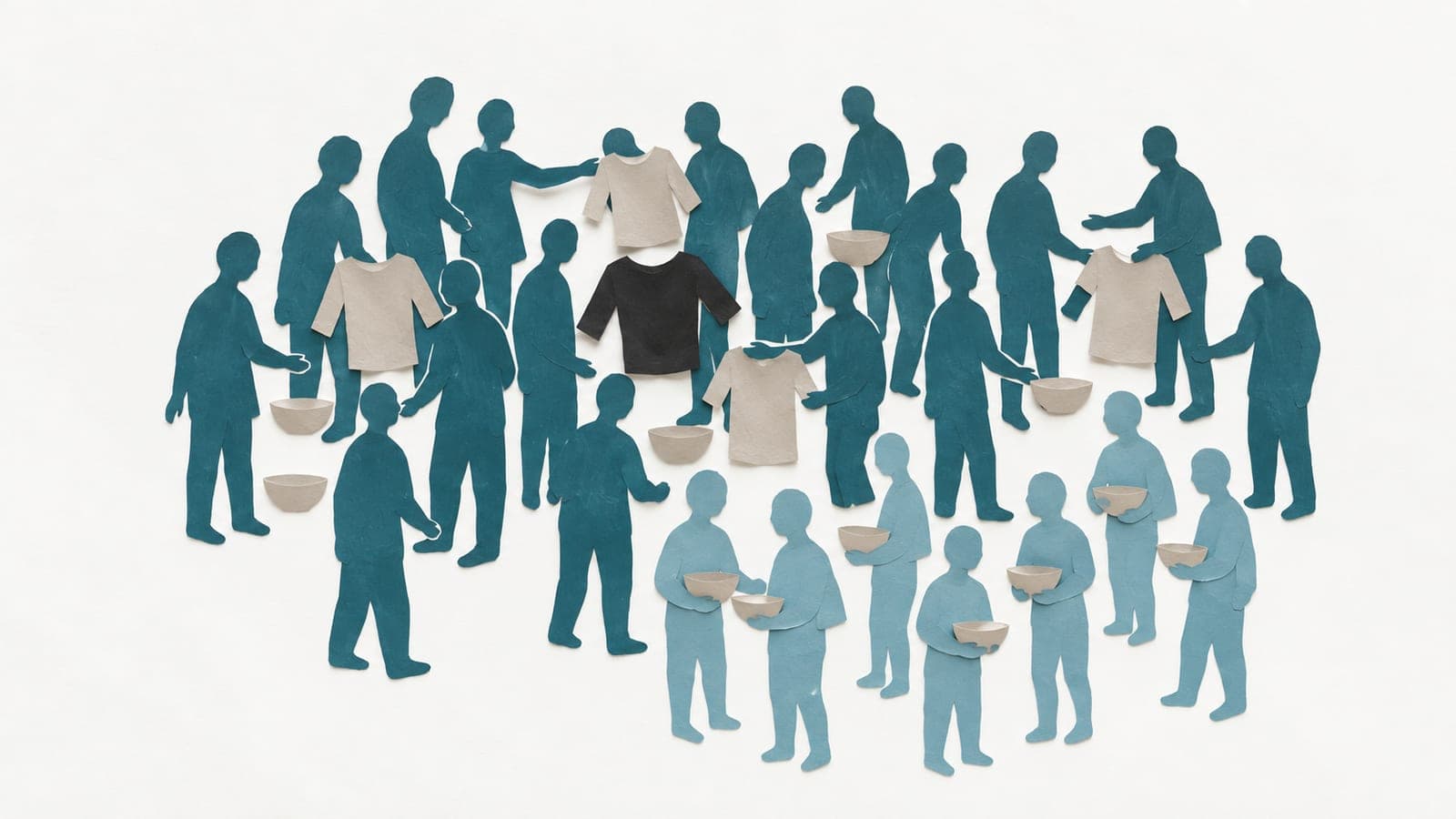
    Faceless people in dark blue-green stand among empty shirts and unheld bowls, beside a smaller group in light blue holding bowls.
    Preprint: cohort · 19,324 peopleDisability
    Who was studied19,324 initially non-disabled adults aged ≥50 years, 4–5 years
    What changedNew daily-activity limitations were more likely with higher questionnaire frailty scores (adjusted odds ratio 1.70)
    The catchFrailty scores are not comparable across different questionnaires
    Paper

    Sat, Oct 242 papers

    bioRxiv·Oct 24

    Blood proteins offer a selective view of human tissue aging

    Levels of 50 muscle proteins and 17 ovarian proteins correlated with their levels in blood plasma in an observational study of adults aged 20–87.Levels of 50 muscle proteins and 17 ovarian proteins correlated with their levels in blood plasma in an observational study of adults aged 20–87.

    Study overview. Schematic of the study design in 178 adults aging cohort (20–87 years), in which 5,415 proteins were quantified across plasma (N = 169), muscle tissue (N = 57), and ovary tissue (N =…
    Preprint: cross-sectional studyBiomarkers
    Who was studiedAdults with matched blood and tissue samples
    What changedBlood levels tracked tissue levels for fewer than 1% of measured proteins in muscle or ovary
    The catchThe assay sparsely samples intracellular proteins, limiting its view of tissue aging
    Paper
    bioRxiv·Oct 24

    Age-linked gene activity varies in a human memory region

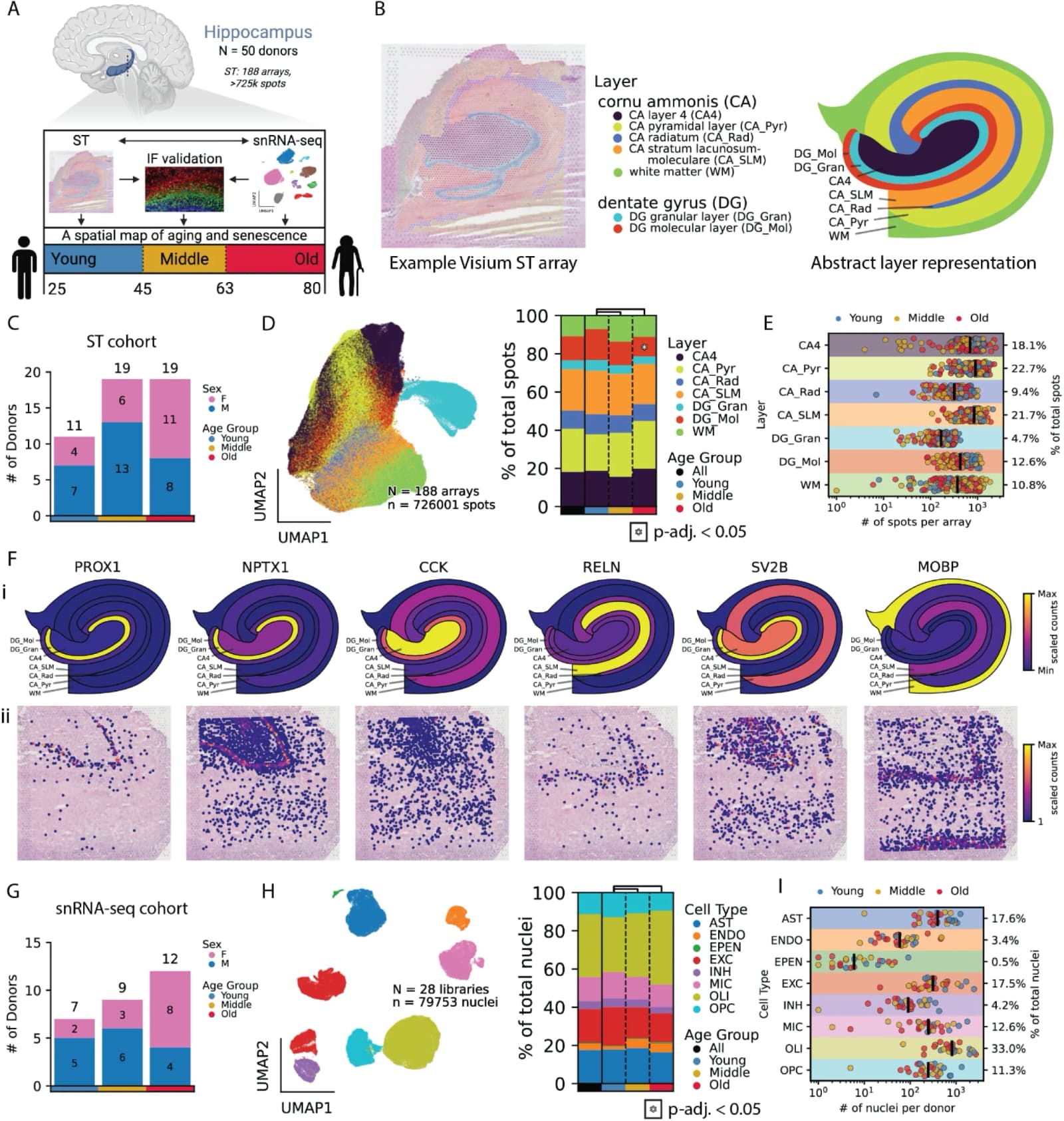
    An observational study of human hippocampi collected after death found age-related gene activity patterns that differed by cell type, location and sex.An observational study of human hippocampi collected after death found age-related gene activity patterns that differed by cell type, location and sex.

    A multi-omic atlas of the aging human hippocampus.
    Preprint: cross-sectional · 49 peopleMechanisms
    Who was studied49 adult postmortem hippocampus donors, against young donors
    What changedHippocampal gene activity differed between older and younger donors, with patterns varying by sex, cell type, and anatomical layer
    The catchNucleus extraction undersampled vascular cells, limiting comparisons of their age-related gene activity
    Paper

    Fri, Oct 231 paper

    Research Square·Oct 23

    Menopause and accelerated decline in the physical component of intrinsic capacity in Chinese women: a longitudinal cohort study

    Flow of participants through the study.
    Preprint: cohort study of 4,944 peopleMenopause
    Paper

    Thu, Oct 221 paper

    Research Square·Oct 22

    Frailty links to distinct muscle and protein changes by sex

    In 208 older adults, frailty was linked to muscle and bone loss in females, while males showed lower leg strength and altered muscle protein breakdown.In 208 older adults, frailty was linked to muscle and bone loss in females, while males showed lower leg strength and altered muscle protein breakdown.

    Group differences in muscle health and exercise capacity in the whole group, males, and females; peak leg torque extension (a), 6MWT distance (d), and lean soft tissue (g) in whole group, and peak…
    Preprint: cross-sectional · 208 peopleMuscle
    Who was studied208 older adults
    What changedProtein breakdown and muscle mass were lower in frail females, while leg muscle strength was lower in frail males
    The catchLower protein intake and age track with protein breakdown and may confound the results
    Paper

    Wed, Oct 211 paper

    Research Square·Oct 21

    Hearing age gap linked to higher mortality in adults

    Among 13,331 US adults, each additional year of hearing age gap was associated with higher mortality, with an adjusted hazard ratio of 1.024.Among 13,331 US adults, each additional year of hearing age gap was associated with higher mortality, with an adjusted hazard ratio of 1.024.

    Ear cutaways beside strong and faint sound waves, with white gaps in a dark blue-green group of people and an intact gray group.
    Preprint: cohort · 13,331 peopleBiomarkers
    Who was studied13,331 US adults
    What changedDeath from any cause was higher with each additional year of hearing age gap (hazard ratio 1.024)
    The catchThe mortality association weakened after accounting for average hearing thresholds in the external cohort
    Paper

    Tue, Oct 201 paper

    arXiv·Oct 20

    Brain networks changed their relative balance as adults aged

    One brain network shifted upward relative to nine others by 5–8% per five years, during rest and three tasks.One brain network shifted upward relative to nine others by 5–8% per five years, during rest and three tasks. An observational study followed 852 adults aged 36–89 at baseline using repeated functional magnetic resonance imaging…

    A brain seen from above has dark front and rear patches, beside a smaller brain with lighter patches and a group of upright faceless people.
    Preprint: cohort · 852 peopleMechanisms
    Who was studied852 adults, median 5.5 years, against the other nine networks
    What changedThe frontoparietal network’s relative connectivity rose by 5-8% per 5 years compared with other networks
    The catchHead motion and scan quality could not be included as covariates
    Paper

    Mon, Oct 191 paper

    medRxiv·Oct 19

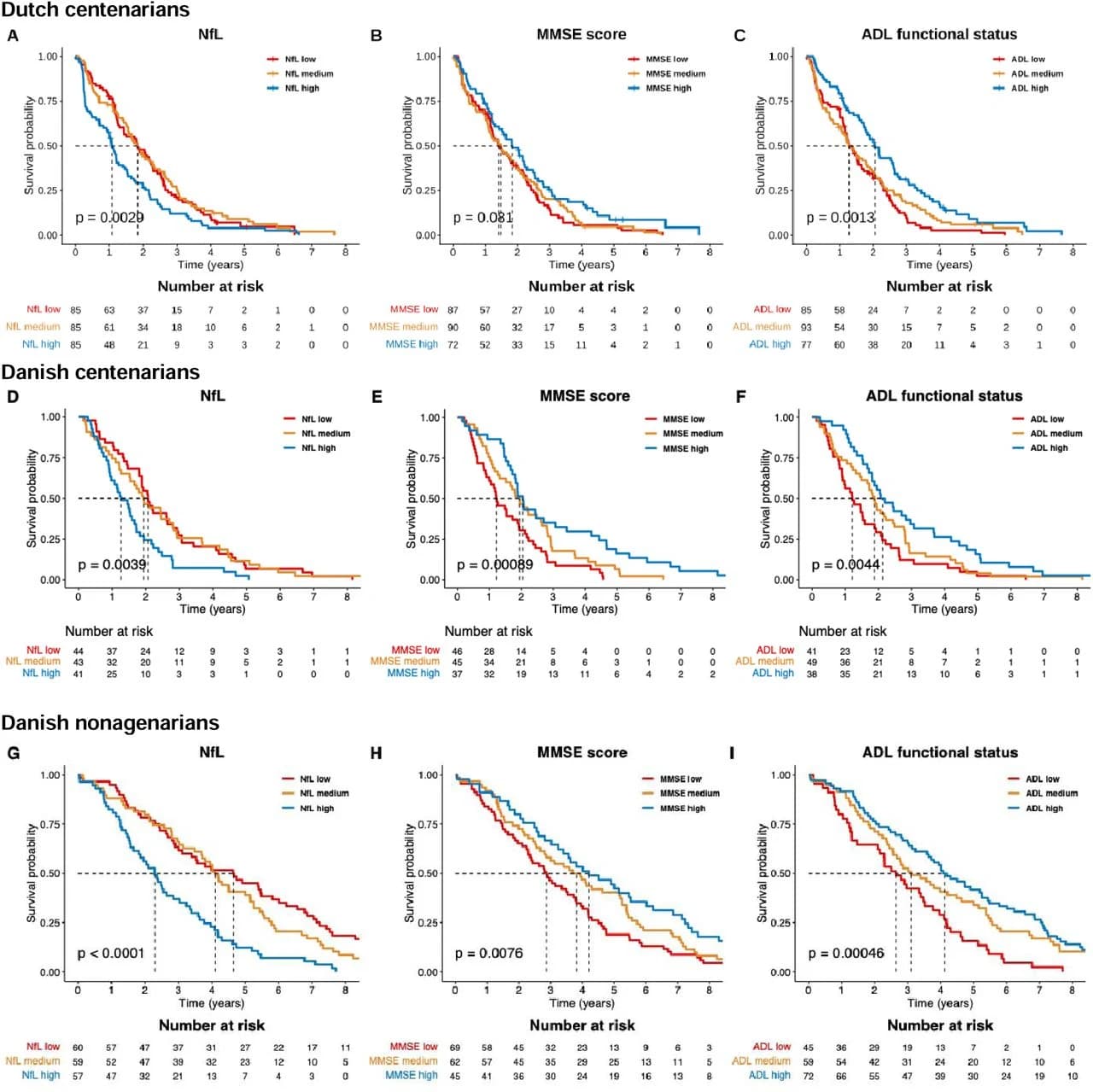
    Nerve-cell injury marker linked to death risk at ages 92–107

    Higher marker levels were linked to higher mortality, with reported hazard ratios (relative death-rate measures) of 1.21 to 1.38 across three cohorts.Higher marker levels were linked to higher mortality, with reported hazard ratios (relative death-rate measures) of 1.21 to 1.38 across three cohorts.

    Kaplan-Meier survival curves for plasma NfL, MMSE score, and ADL functioning.
    Preprint: cohort · 559 peopleBiomarkers
    Who was studied559 Dutch and Danish adults aged 92-107, up to 16 years
    What changedDeath from any cause was more likely with higher blood NfL levels across cohorts (hazard ratios 1.21-1.38)
    The catchKidney impairment, inflammation, and hidden vascular disease could influence biomarker levels and confound the association
    Paper

    Fri, Oct 161 paper

    Research Square·Oct 16

    Small RNA linked to death in younger people with COVID-19

    In patients under 55, higher levels of a gene-regulating RNA were associated with death, with a reported odds ratio of 6.00.In patients under 55, higher levels of a gene-regulating RNA were associated with death, with a reported odds ratio of 6.00. In COVID-19 patients under 55, an observational analysis linked higher levels of miR-21-5p, a small RNA…

    Lungs with intact air sacs beside damaged, thickened sacs, more RNA strands clustered by the damaged side, and a kidney cross-section above.
    Preprint: cohort study in peopleMechanisms
    Who was studiedCOVID-19 patients under 55
    What changedHigher miR-21-5p levels were linked to death in COVID-19 patients under 55 (odds ratio 6.00)
    The catchAbsolute risks of death were not reported
    Paper

    Thu, Oct 152 papers

    medRxiv·Oct 15

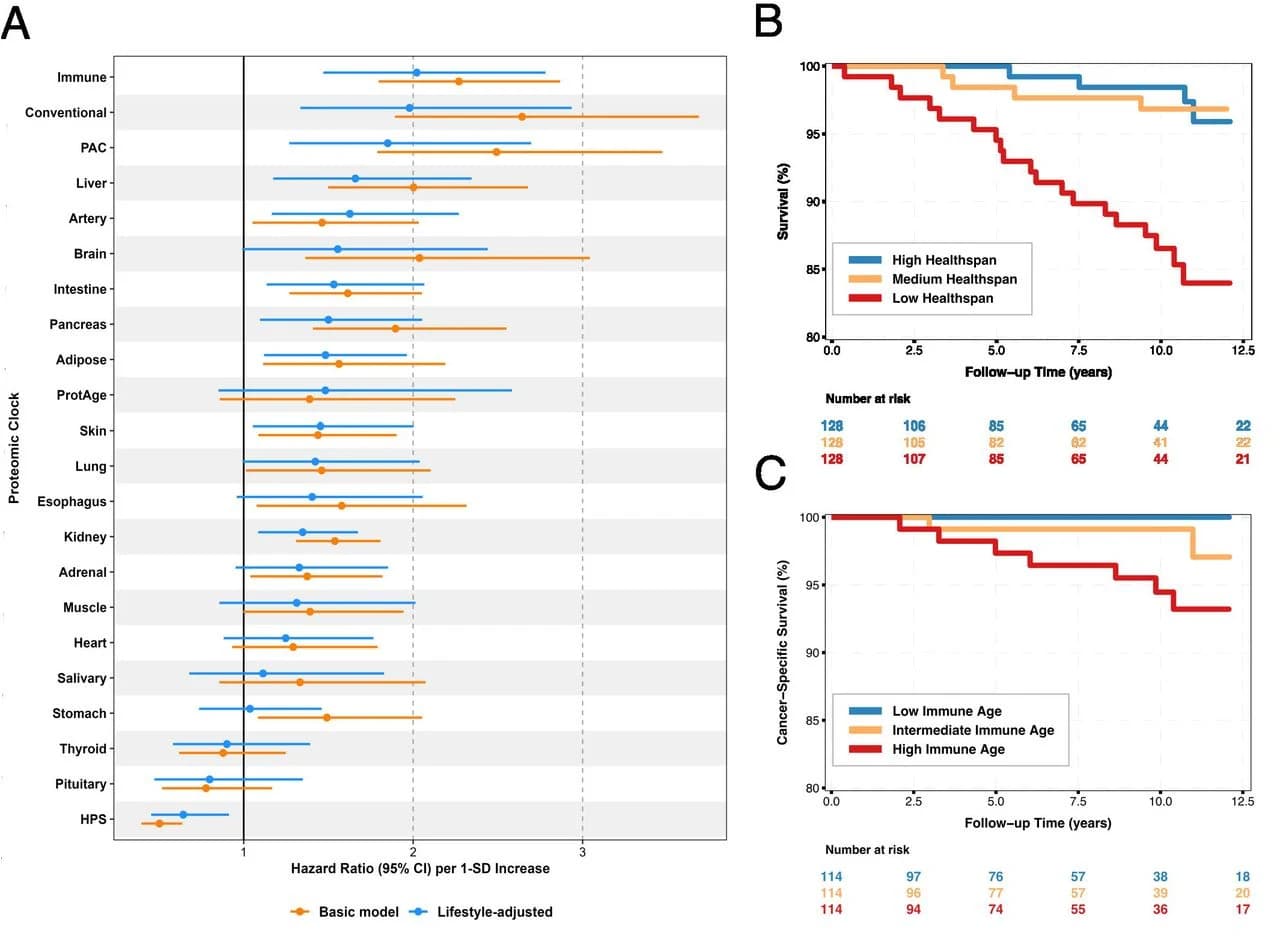
    Protein-based aging clocks linked to death risk in Finnish twins

    Fifteen protein-based aging clocks were linked to death from any cause; 11 remained associated after lifestyle adjustment in 401 Finnish twins.Fifteen protein-based aging clocks were linked to death from any cause; 11 remained associated after lifestyle adjustment in 401 Finnish twins.

    Systemic and organ-specific proteomic aging clocks in relation to survival outcomes.
    Preprint: cohort · 401 peopleBiomarkers
    Who was studied401 Finnish twins, mean of 10.6 years
    What changedAll-cause mortality risk was higher, approximately doubling per one standard deviation increase in several proteomic aging clock estimates
    The catchOnly 28 deaths occurred across the cohort of 401 participants
    Paper
    medRxiv·Oct 15

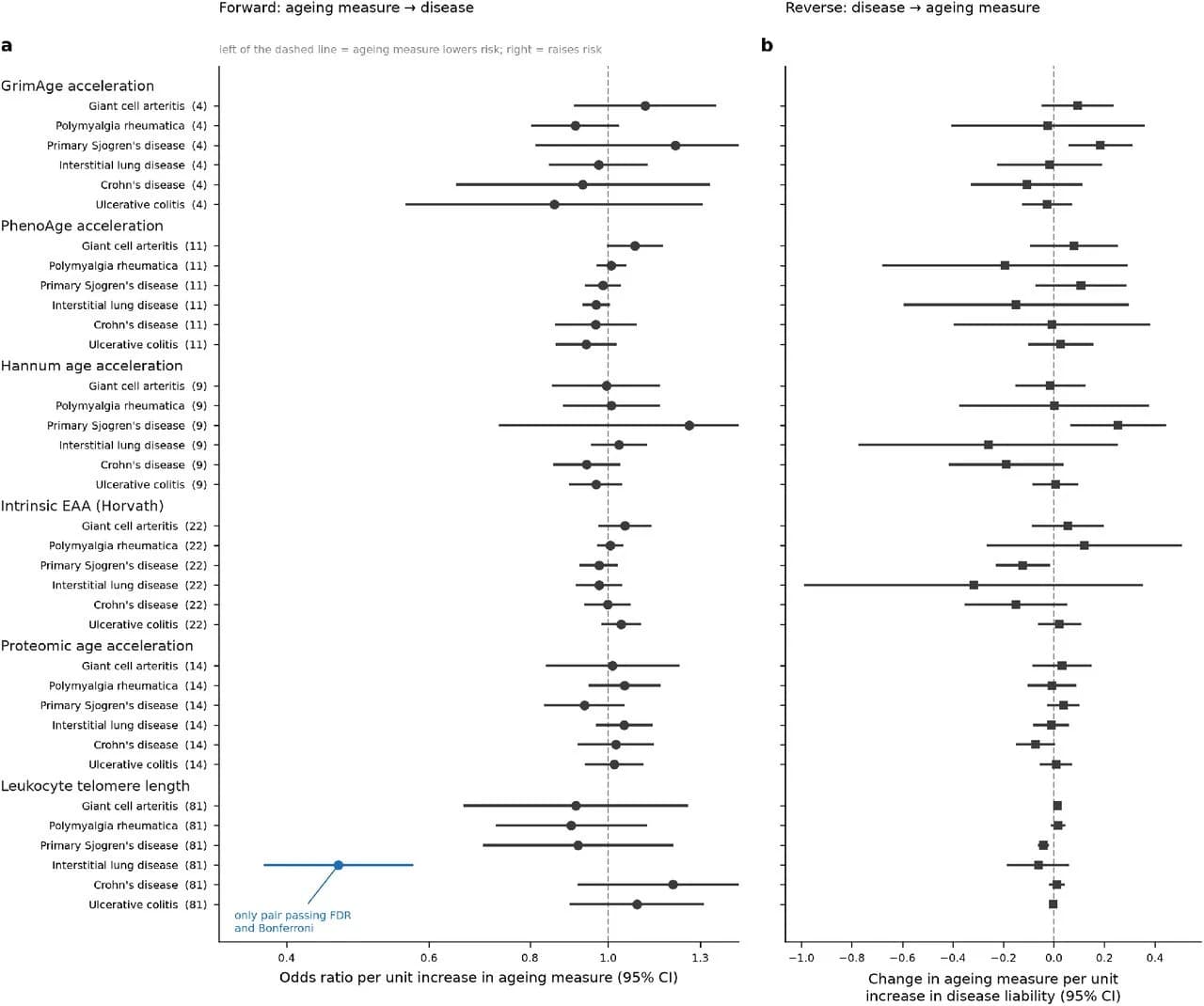
    Longer telomeres linked to lower lung disease risk
    Longer telomeres were linked to lower odds of interstitial lung disease, with an odds ratio of 0.59 per standard-deviation increase in length.Longer telomeres were linked to lower odds of interstitial lung disease, with an odds ratio of 0.59 per standard-deviation increase in length.

    Bidirectional Mendelian randomisation across 36 exposure–outcome pairs.
    Preprint: Mendelian randomizationTelomerase and telomere maintenance
    Who was studiedUK Biobank and FinnGen participants
    What changedInterstitial lung disease risk was lower with longer telomeres: odds ratio 0.59 per standard deviation
    The catchLung disease could shorten telomeres; reverse-direction analyses lacked precision to exclude this
    Paper

    Mon, Oct 121 paper

    Research Square·Oct 12

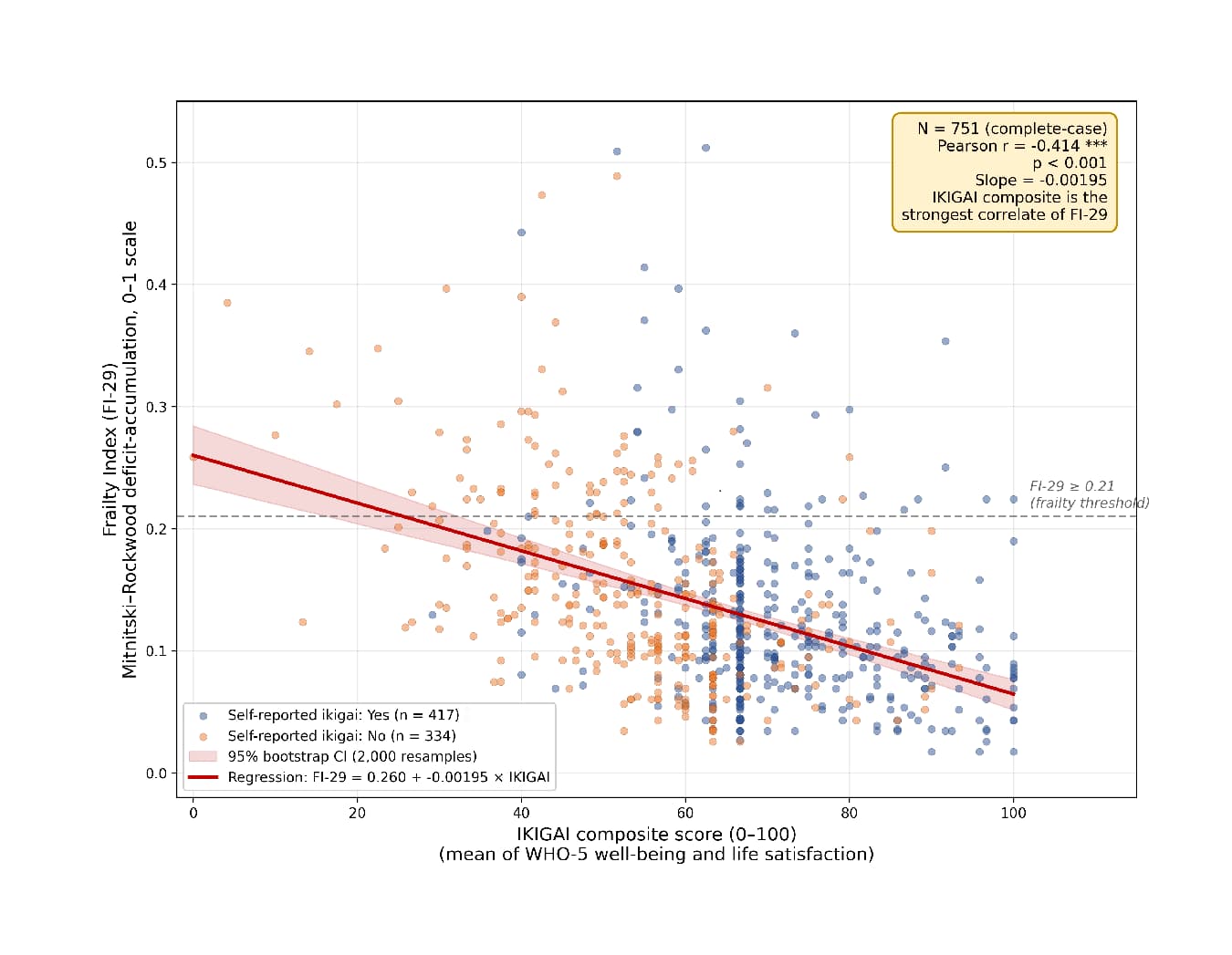
    Social ties and well-being linked to frailty in older adults

    In 751 older Japanese adults, well-being and life satisfaction accounted for 95.3% of the modeled indirect link between social ties and frailty.In 751 older Japanese adults, well-being and life satisfaction accounted for 95.3% of the modeled indirect link between social ties and frailty.

    Cross-sectional association between the IKIGAI composite and the Frailty Index (FI-29).
    Preprint: cross-sectional study of 751 peoplePopulations
    Paper

    Fri, Oct 91 paper

    Research Square·Oct 9

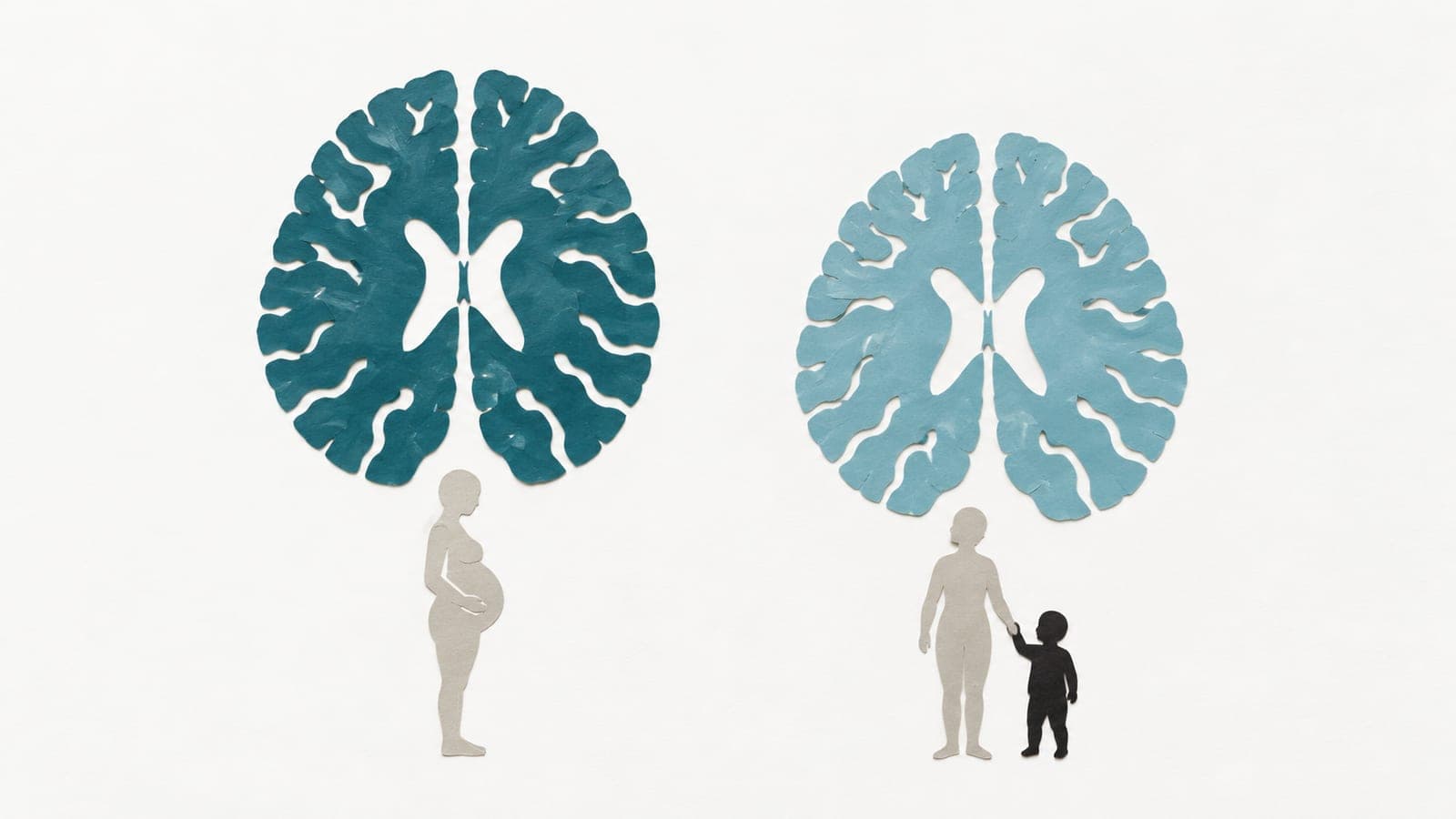
    Estimated brain-age gap rises by three years in pregnancy

    Brain-age gap estimates rose by about three years during pregnancy and fell below pre-conception levels by 16 months postpartum in a longitudinal study.Brain-age gap estimates rose by about three years during pregnancy and fell below pre-conception levels by 16 months postpartum in a longitudinal study.

    Brain cross-sections appear dark blue-green above a pregnant woman and pale blue above a woman holding a toddler’s hand.
    Preprint: cohort study of 340 peoplePopulations
    Paper

    Tue, Oct 62 papers

    bioRxiv·Oct 6

    Blood protein clock tracks shifts in health risks over time

    In an observational study of 4,100 people, accelerated blood protein aging tracked worsening kidney function, blood lipid imbalances, and a higher risk of death.In an observational study of 4,100 people, accelerated blood protein aging tracked worsening kidney function, blood lipid imbalances, and a higher risk of death.

    Overview. a KORA proteomics cohort: timepoints S4 and the two follow-up time points F4 and FF4 and their numbers of samples.
    Preprint: cohort study of 4,100 peopleBiomarkers
    Paper
    Research Square·Oct 6

    Low back pain, disability, and biological aging: routinely measurable clinical clocks versus epigenetic clocks (NHANES)

    Forest plot of adjusted odds ratios per SD (95% CI) for low back pain across the full clock panel, highlighting the same-name pair (clinical PhenoAge vs DNAm-PhenoAge); reference line at OR=1.
    Preprint: cross-sectional study of 2,532 peopleLow back pain
    Paper

    Mon, Oct 52 papers

    bioRxiv·Oct 5

    Dopamine clearance–cognition link varies by age and structure

    In 3,650 adults, elevated modeled dopamine clearance was linked to poorer cognition only with marked structural degradation and within sliding age windows centered…In 3,650 adults, elevated modeled dopamine clearance was linked to poorer cognition only with marked structural degradation and within sliding age windows centered between 56 and 76 years.

    Multimodal empirical observations across five aging cohorts.
    Preprint: cohort study of 3,650 peopleMechanisms
    Paper
    medRxiv·Oct 5

    Multimorbidity units link to steeper disease incidence with age

    In 502,355 UK Biobank participants, diagnoses tied to more functional disease units showed steeper rises in incidence with age (Spearman rho = 0.50).In 502,355 UK Biobank participants, diagnoses tied to more functional disease units showed steeper rises in incidence with age (Spearman rho = 0.50).
    Functional units (FUs) provide an independent measure of multimorbidity breadth for testing variation in age-dependent disease incidence.
    Preprint: cohort study of 502,355 peopleMechanisms
    Paper

    Fri, Oct 29 papers

    The Journals of Gerontology, Series A·Oct 2

    DNA methylation variability provides a distinct epigenetic marker of human aging heterogeneity

    Combining methylation variance with mean methylation levels improved predictions of all-cause mortality across two independent human cohorts.Combining methylation variance with mean methylation levels improved predictions of all-cause mortality across two independent human cohorts.

    Differential methylation analysis results.
    Cohort study of 1,445 peopleBiomarkers
    Paper
    bioRxiv·Oct 2

    Transitional senescent monocytes drive age-related inflammation in humans

    Researchers identified a transient senescent-like monocyte state governed by the transcription factor AP-1 that primes cells toward inflammatory and sepsis-associated…Researchers identified a transient senescent-like monocyte state governed by the transcription factor AP-1 that primes cells toward inflammatory and sepsis-associated states.

    Increased SA-βGal activity in monocytes of older humans.
    Preprint: cohort study in peopleCellular senescence
    Paper
    Research Square·Oct 2

    Compartment-resolved brain aging reveals distinct vascular and neurodegenerative pathways

    Separating white and gray matter brain age highlights early cardiometabolic risks and divergent links to amyloid and tau pathology.Separating white and gray matter brain age highlights early cardiometabolic risks and divergent links to amyloid and tau pathology. In a preprint analyzing 26,446 UK Biobank and 992 ADNI human participants, researchers developed a…

    Multimodal regional brain age prediction framework for gray and white matter aging.
    Preprint: cohort study of 26,446 peopleBiomarkers
    Paper
    bioRxiv·Oct 2

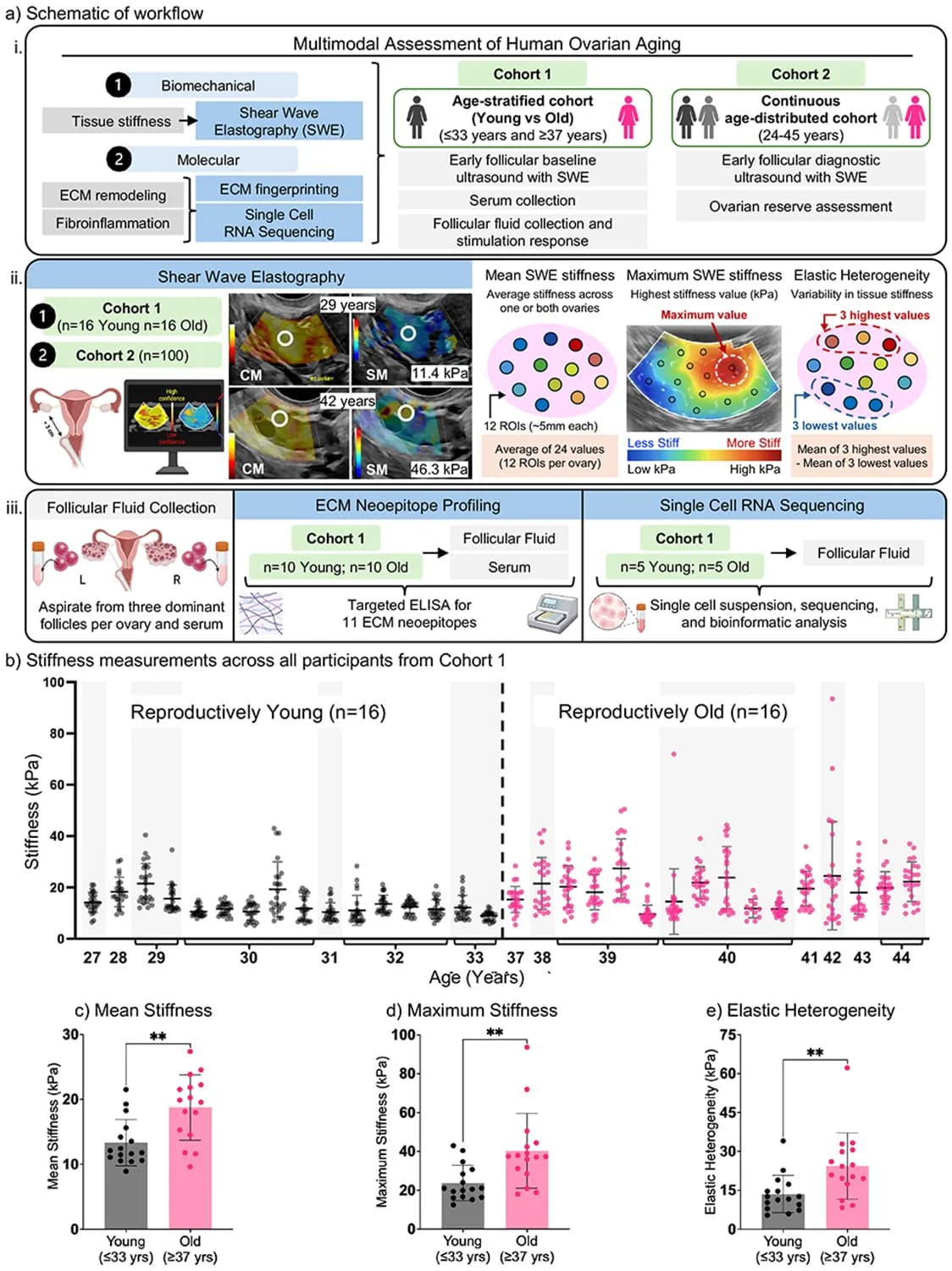
    Ovarian stiffness increases with age and tracks with declining egg yield

    Researchers combined imaging, matrix profiling, and single-cell sequencing to show how ovarian fibrosis develops in women over time.Researchers combined imaging, matrix profiling, and single-cell sequencing to show how ovarian fibrosis develops in women over time. In a preprint study of human female participants, researchers used multimodal profiling to…

    Human ovarian stiffness increases with reproductive age.
    Preprint: cohort study of 100 peopleBiomarkers
    Paper
    medRxiv·Oct 2

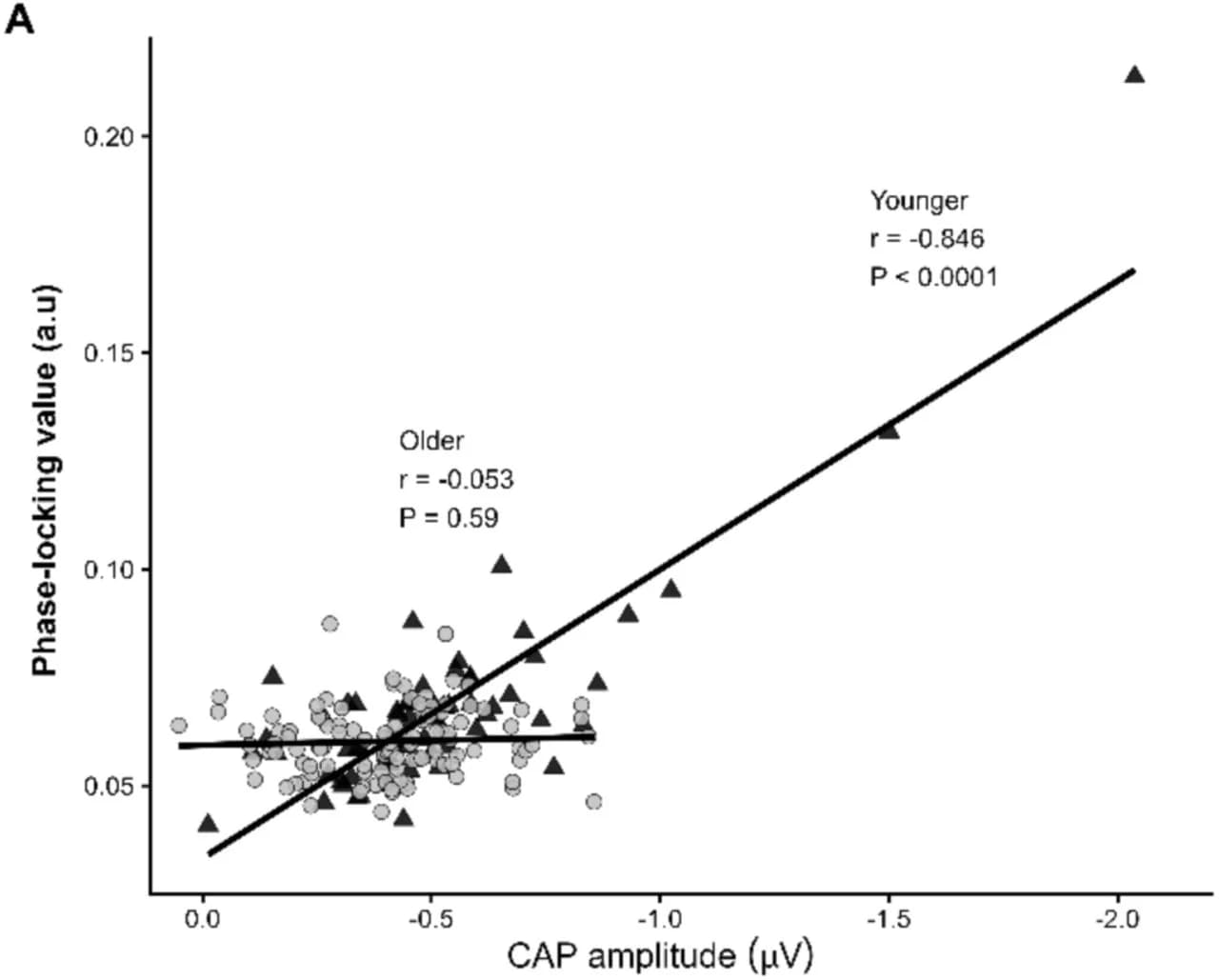
    Auditory nerve myelin degeneration defines a subtype of age-related hearing loss

    Researchers linked poor auditory nerve synchrony and myelin degradation to amplified communication difficulties in older humans, beyond standard hearing thresholds.Researchers linked poor auditory nerve synchrony and myelin degradation to amplified communication difficulties in older humans, beyond standard hearing thresholds.

    Aging modifies the association between auditory nerve response amplitude and neural synchrony.
    Preprint: cohort study in peopleAge-related hearing loss
    Paper
    bioRxiv·Oct 2

    Human neurons accumulate far more mutations over lifespan than shorter-lived mammals

    Cortical neurons gain mutations at similar yearly rates across six species, leaving aged humans with uniquely high mutational burdens and transcriptomic dysregulation.Cortical neurons gain mutations at similar yearly rates across six species, leaving aged humans with uniquely high mutational burdens and transcriptomic dysregulation.

    Distinct cerebral cortical neuronal subtypes display subtle yet specific differences in their mutational landscape.
    Preprint: study in peopleMechanisms
    Paper
    Research Square·Oct 2

    Multimodal profiling establishes ovarian fibrosis as a measurable and targetable hallmark of human reproductive aging

    Human ovarian stiffness increases with reproductive age.
    Preprint: cohort study of 100 peopleBiomarkers
    Paper
    medRxiv·Oct 2

    DNA methylation proxies of senescence markers track human disease and mortality

    The new blood-based tools estimate senescence gene activity to predict incident diseases, all-cause mortality, and clinical treatment responses.The new blood-based tools estimate senescence gene activity to predict incident diseases, all-cause mortality, and clinical treatment responses.

    Study Overview. A. Paired DNAm and qPCR expression data were obtained from the Mayo Clinic Cohort Study of Oophorectomy and Aging-2 (MOA-2) cohort (n=454)43.
    Preprint: cohort study of 18,859 peopleBiomarkers
    Paper
    medRxiv·Oct 2

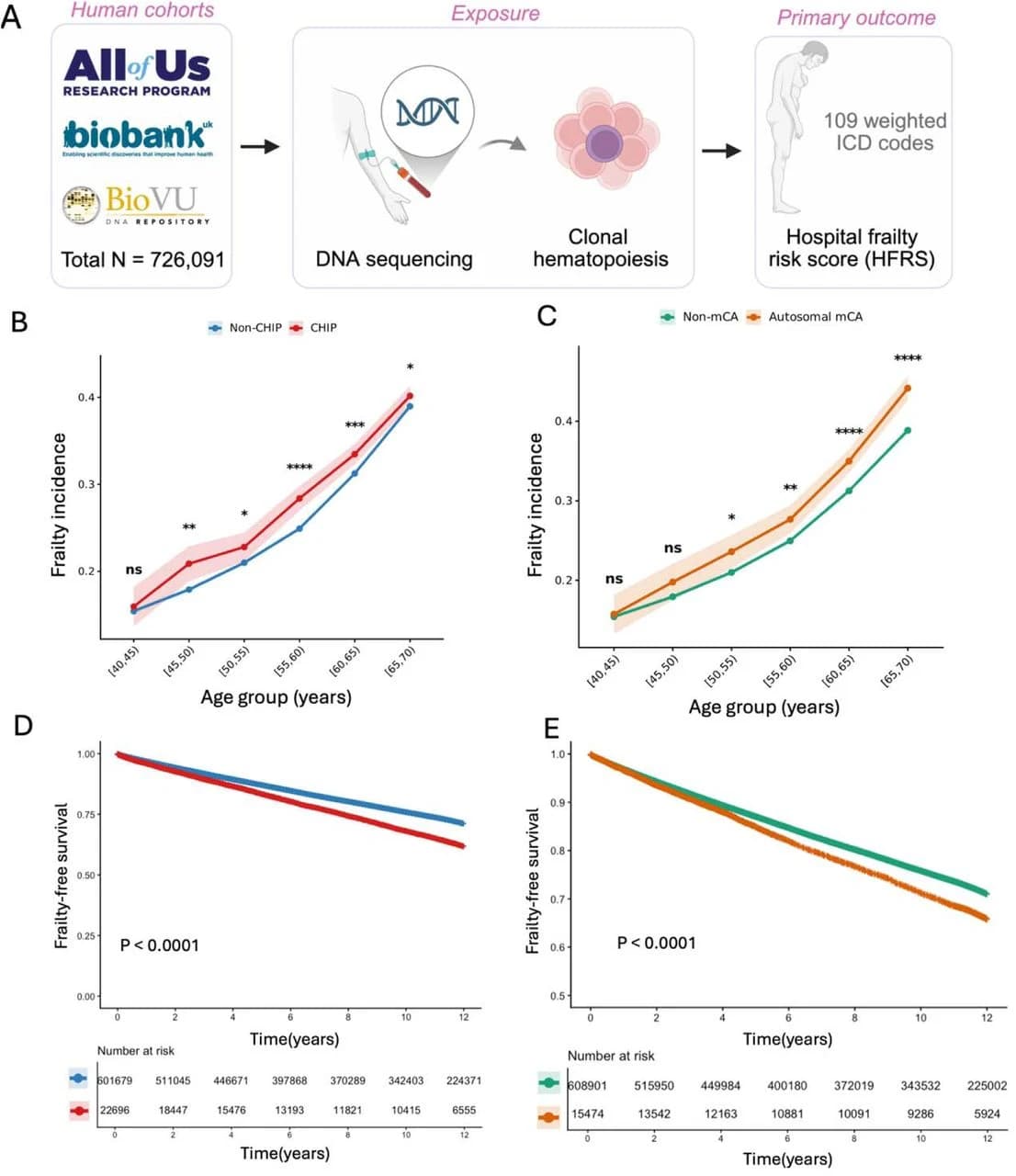
    Clonal hematopoiesis is linked to frailty in human cohorts

    An analysis of 730,088 participants across four cohorts found clonal hematopoiesis was strongly associated with incident frailty and faster functional decline.An analysis of 730,088 participants across four cohorts found clonal hematopoiesis was strongly associated with incident frailty and faster functional decline.

    Age-specific frailty incidence and frailty-free survival according to clonal hematopoiesis status.
    Preprint: cohort study of 730,088 peopleBlood and immune system
    Paper

    Thu, Oct 1

    bioRxiv·Oct 1

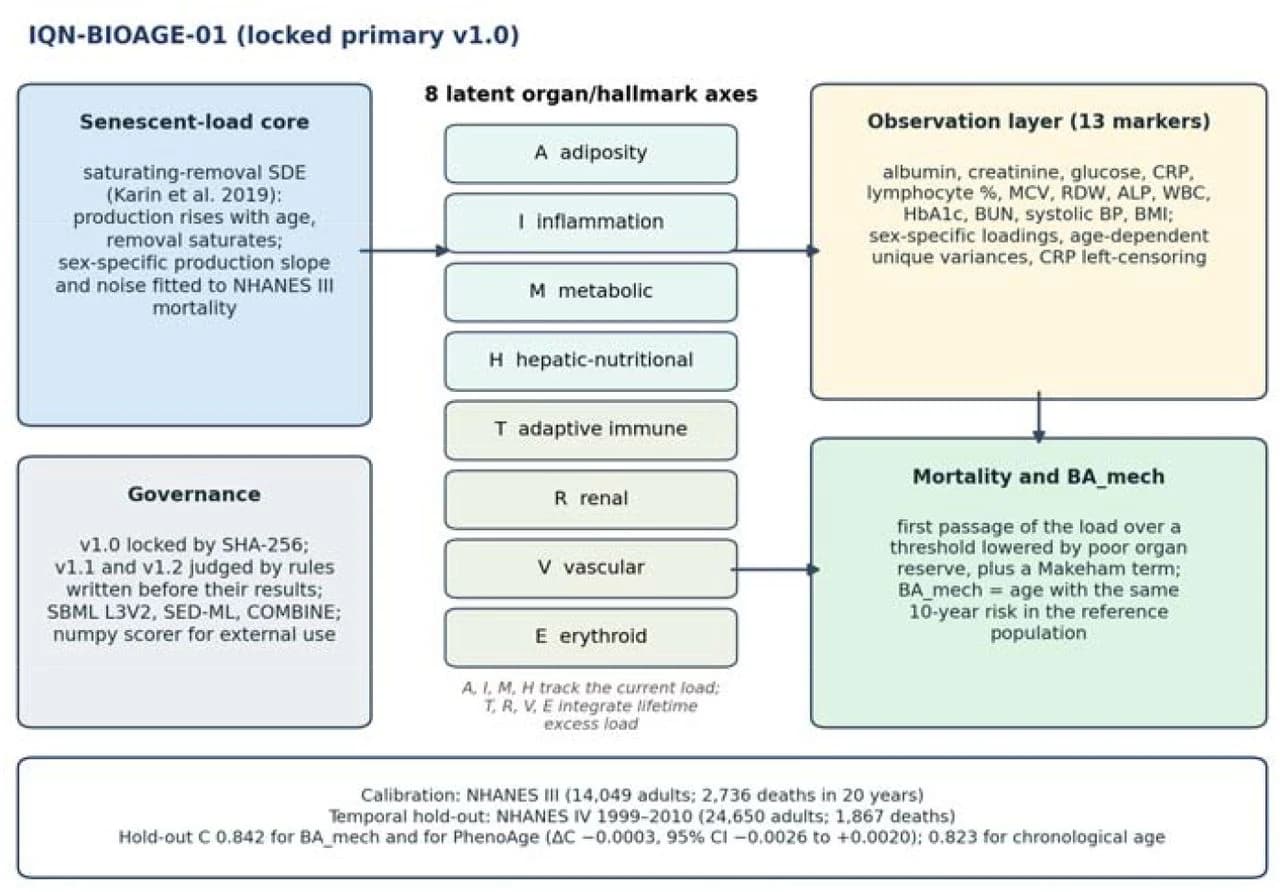
    Mechanistic biological age clock matches PhenoAge in predicting human mortality

    The systems pharmacology model splits biological age into organ axes, revealing that pharmacological drops in inflammation may not translate to expected risk reductions.The systems pharmacology model splits biological age into organ axes, revealing that pharmacological drops in inflammation may not translate to expected risk reductions.

    Structure of IQN-BIOAGE-01.
    Preprint: cohort study of 24,650 peoplePhenoAge
    Paper
    medRxiv·Oct 1

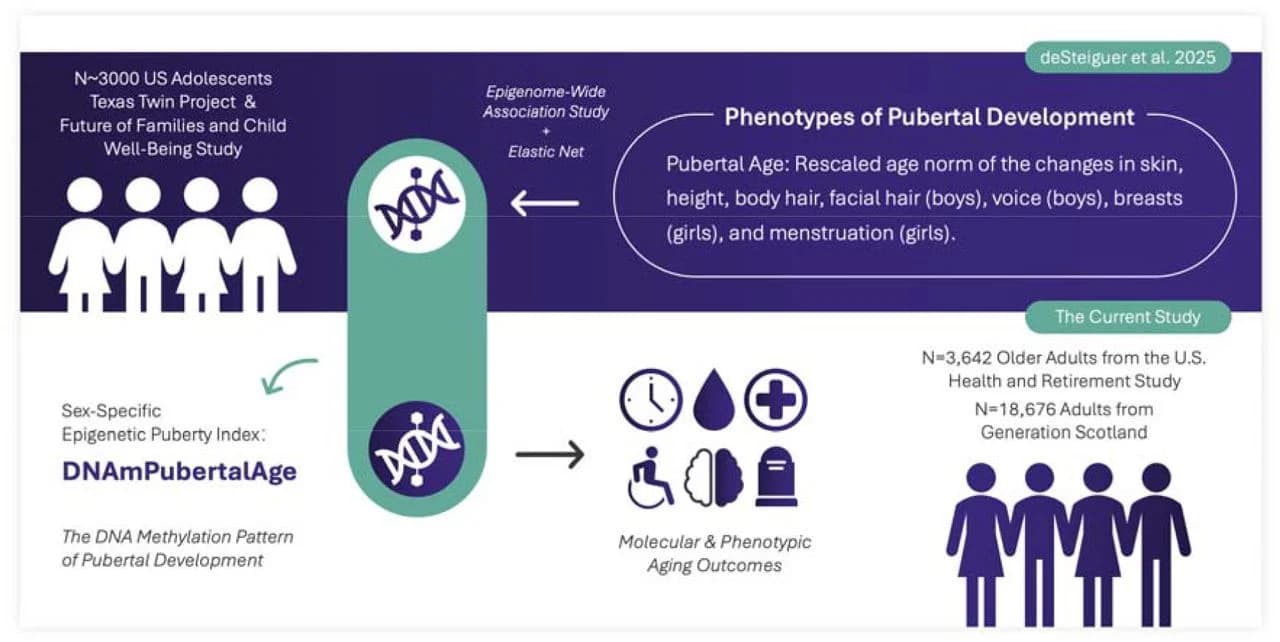
    Epigenetic puberty index tracks biological aging and adult health risks

    A DNA-methylation measure of pubertal development correlates with established epigenetic clocks and predicts mortality and disease in two large adult cohorts.A DNA-methylation measure of pubertal development correlates with established epigenetic clocks and predicts mortality and disease in two large adult cohorts.

    Graphical abstract of the study design.
    Preprint: cohort study of 18,676 peopleBiomarkers
    Paper