Longer telomeres linked to lower lung disease risk
Longer telomeres were linked to lower odds of interstitial lung disease, with an odds ratio of 0.59 per standard-deviation increase in length.

Researchers used human genetic data from FinnGen to test six aging measures against six diseases involving the immune system. They used Mendelian randomisation, which examines associations using inherited genetic differences.
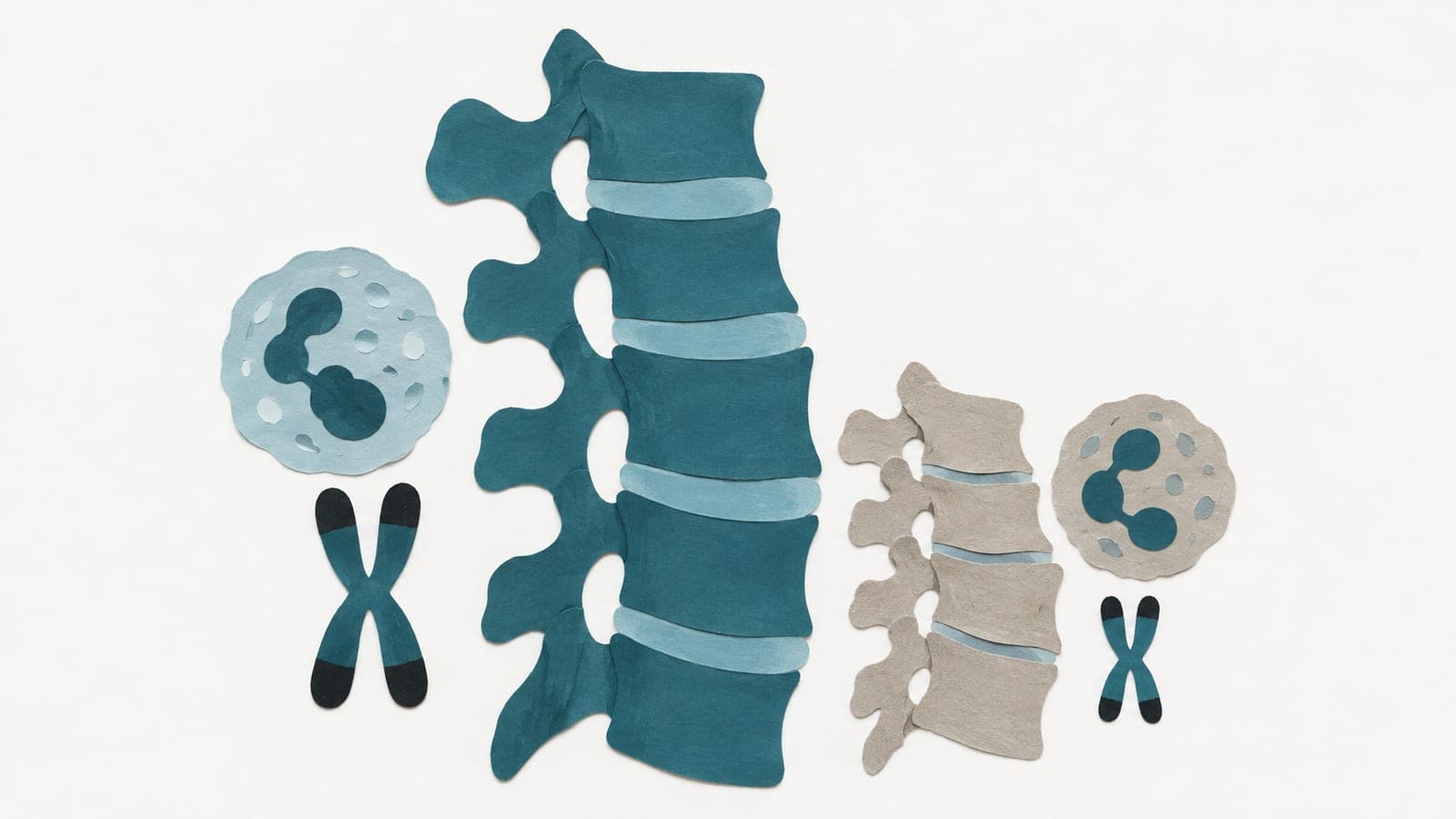
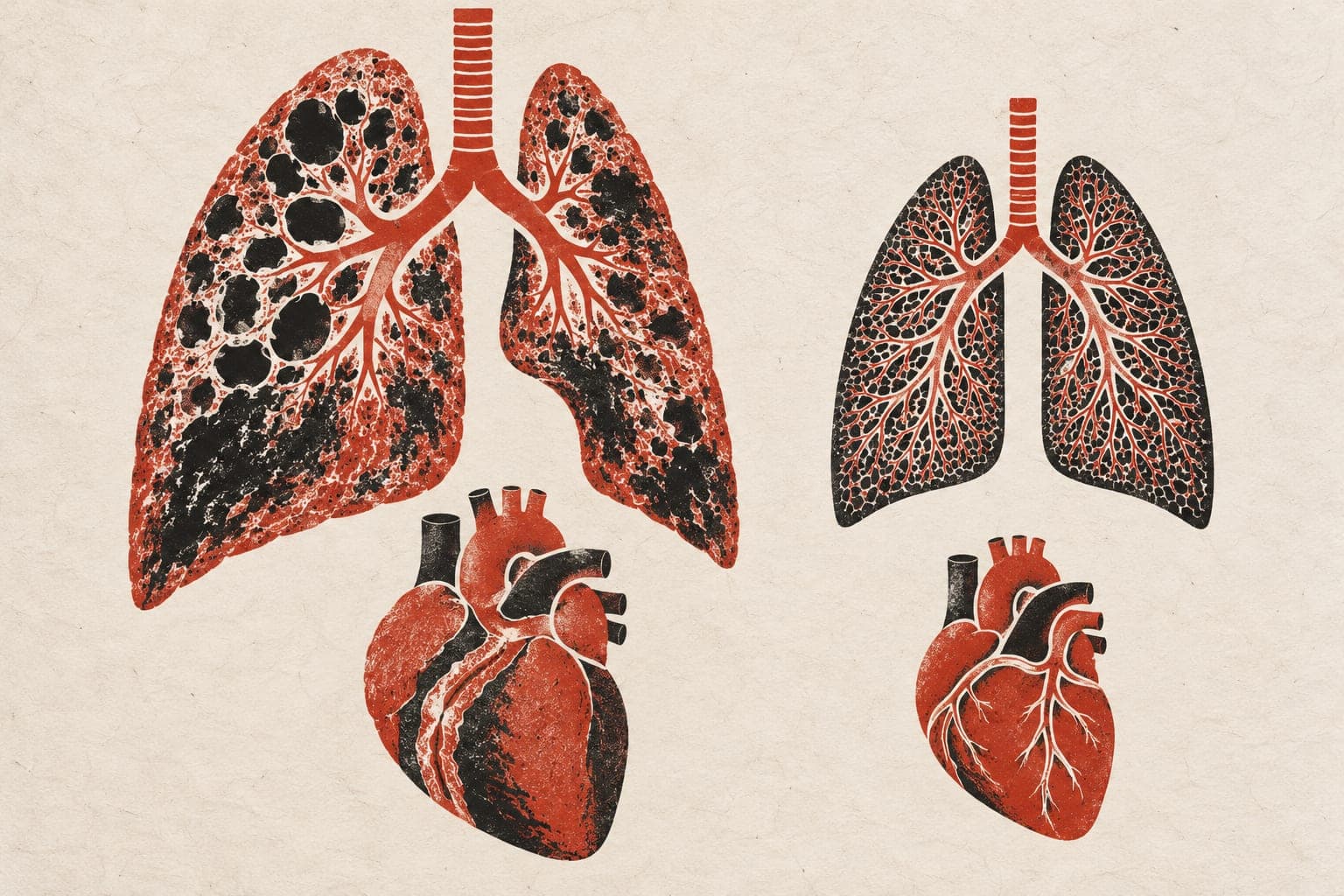
Longer telomeres, the protective ends of chromosomes, were linked to lower odds of interstitial lung disease, a group of lung conditions. The odds ratio was 0.59 per standard deviation, a measure of variation in length; a ratio below one indicates lower odds. The association persisted after excluding genetic regions involved in telomere maintenance or lung fibrosis. It also appeared in independent case-control datasets containing 5,159 European and 1,210 East Asian cases of idiopathic pulmonary fibrosis, a lung-scarring disease. Four aging measures based on chemical marks on DNA and one protein-based measure showed no associations with the diseases tested.
Why it matters
Comparing telomere length with DNA- and protein-based aging measures helps address which aspects of biological aging are linked to lung disease.
Caveats
This genetic analysis did not test an intervention, and the negative findings ruled out only large effects. The work is a preprint and has not been peer-reviewed.
The paper
European Research Infrastructure for biobanking and biomolecular resources - BBMRI-ERIC
medRxiv, 15 Oct 2026, Open access, CC BY, Preprint, not peer-reviewed