Small RNA linked to death in younger people with COVID-19
In patients under 55, higher levels of a gene-regulating RNA were associated with death, with a reported odds ratio of 6.00.
Limit: Absolute death risks are not reported, limiting interpretation of the relative odds
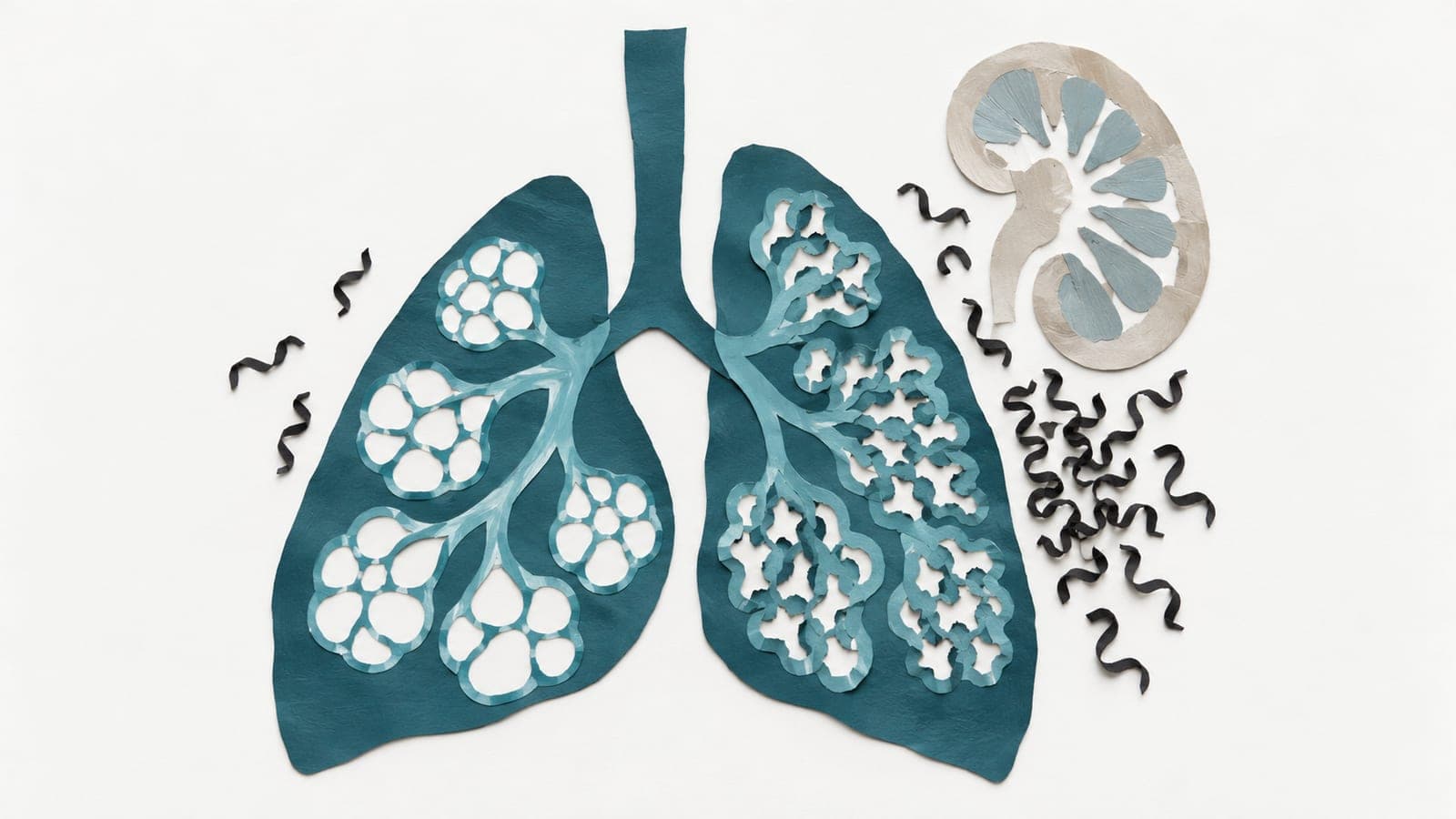
In COVID-19 patients under 55, an observational analysis linked higher levels of miR-21-5p, a small RNA that regulates gene activity, to severe illness and death. The Research Square preprint combined molecular data analysis with computer modelling. Higher levels correlated with lung and kidney injury. The reported odds ratios were 5.63 for mechanical ventilation and 6.00 for death; these describe relative odds, not absolute risks. The RNA was also linked to whole-blood gene activity patterns associated with age and mortality.
In a separate age comparison, people aged 100–111 had low levels of this RNA, matching adults aged 18–50. In computer simulations, blocking this RNA or a related signalling pathway restored cellular energy signalling and the modelled capacity for tissue renewal.
Why it matters
Cellular energy regulation and the capacity to renew tissue are relevant to aging. The proposed network offers a hypothesis for how severe viral infection might disrupt those processes.
Caveats
The patient findings were observational, while the proposed benefits of blocking the pathway came from simulations, not a clinical trial. The preprint has not been peer-reviewed; its abstract gives no sample size or absolute risks, and the reported COVID-19 links concern patients under 55.
The paper
genomediscovery.org
Research Square, 14 Oct 2026, Open access, Preprint, not peer-reviewed