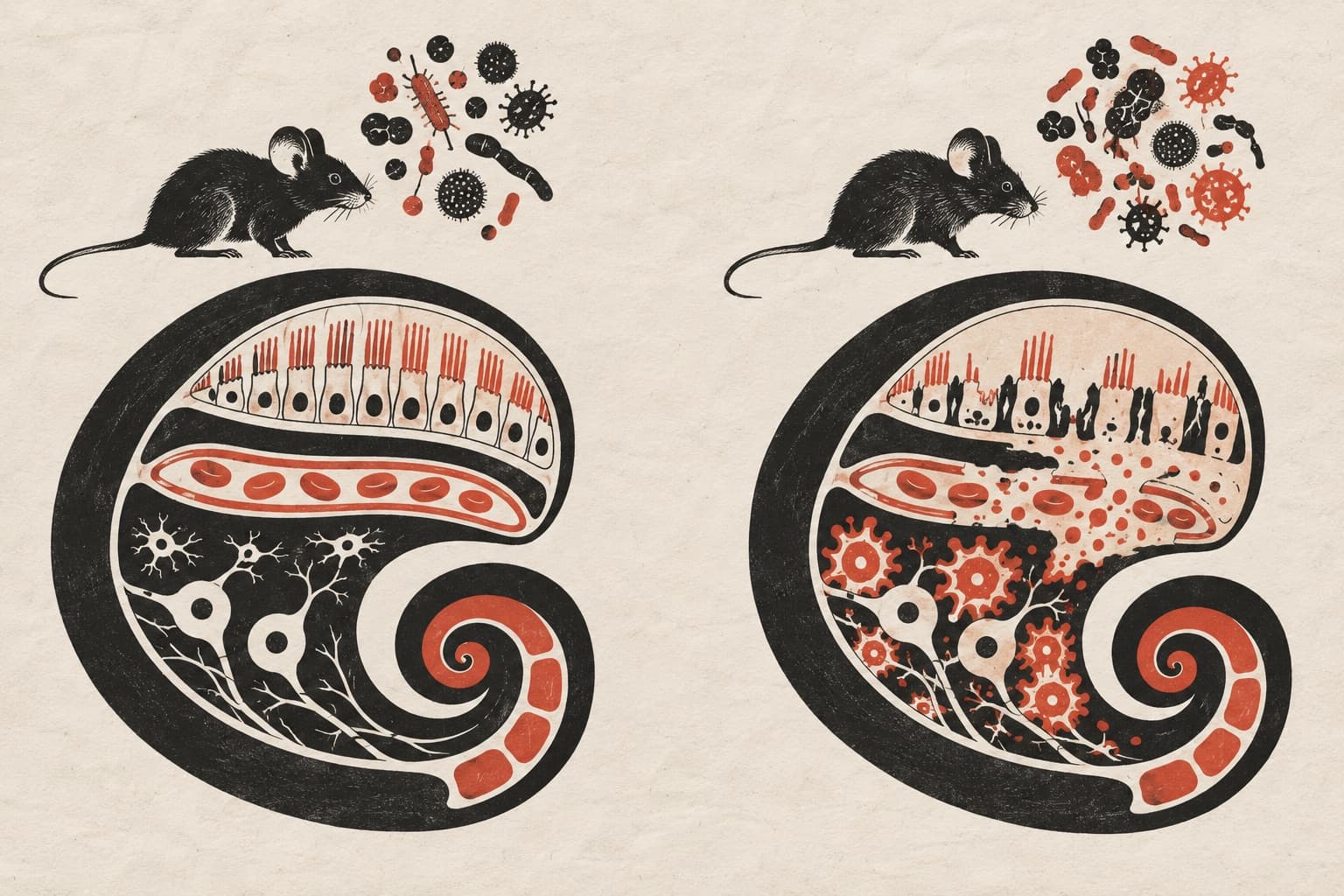
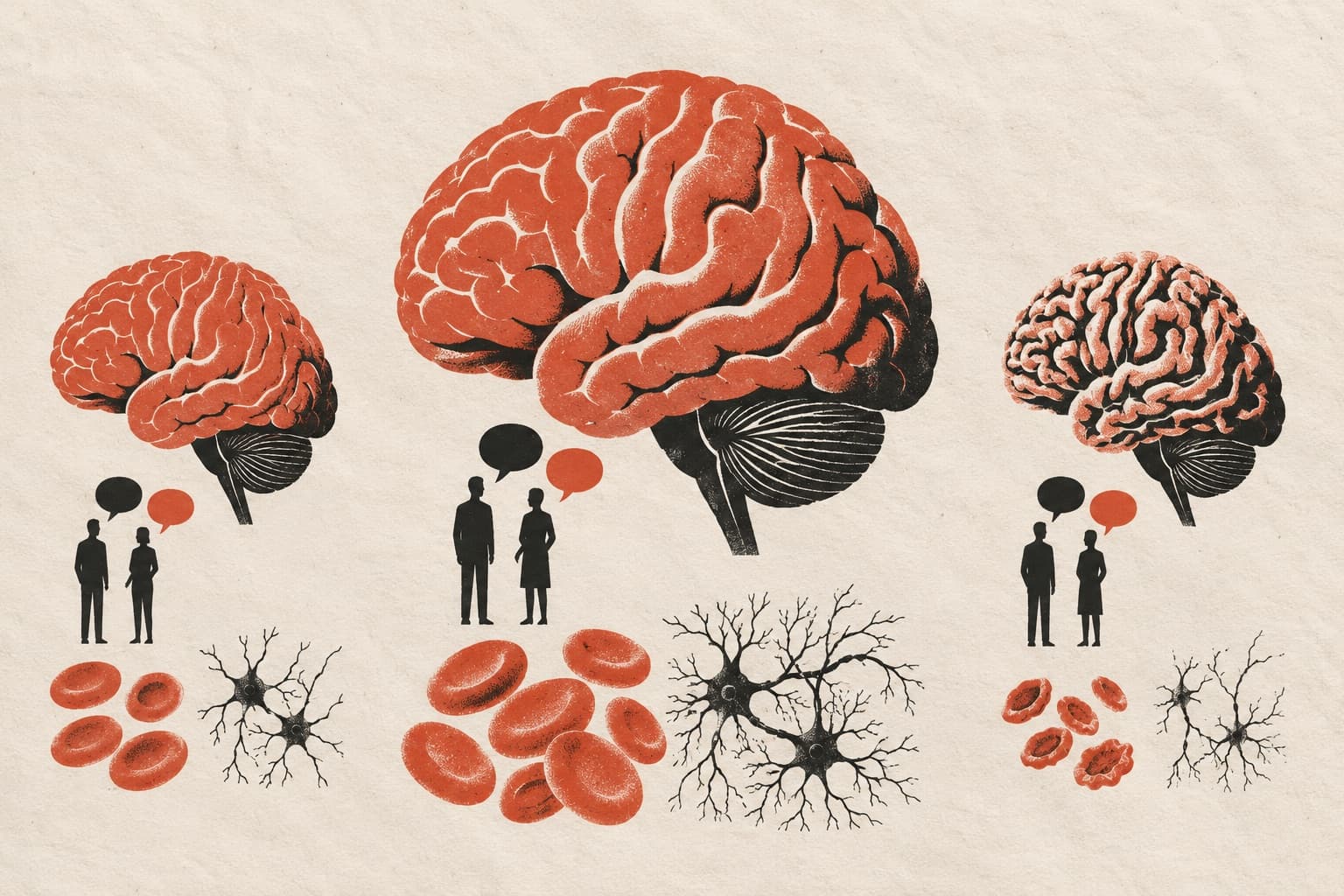
Auditory nerve myelin degeneration defines a subtype of age-related hearing loss
Researchers linked poor auditory nerve synchrony and myelin degradation to amplified communication difficulties in older humans, beyond standard hearing thresholds.
medRxiv
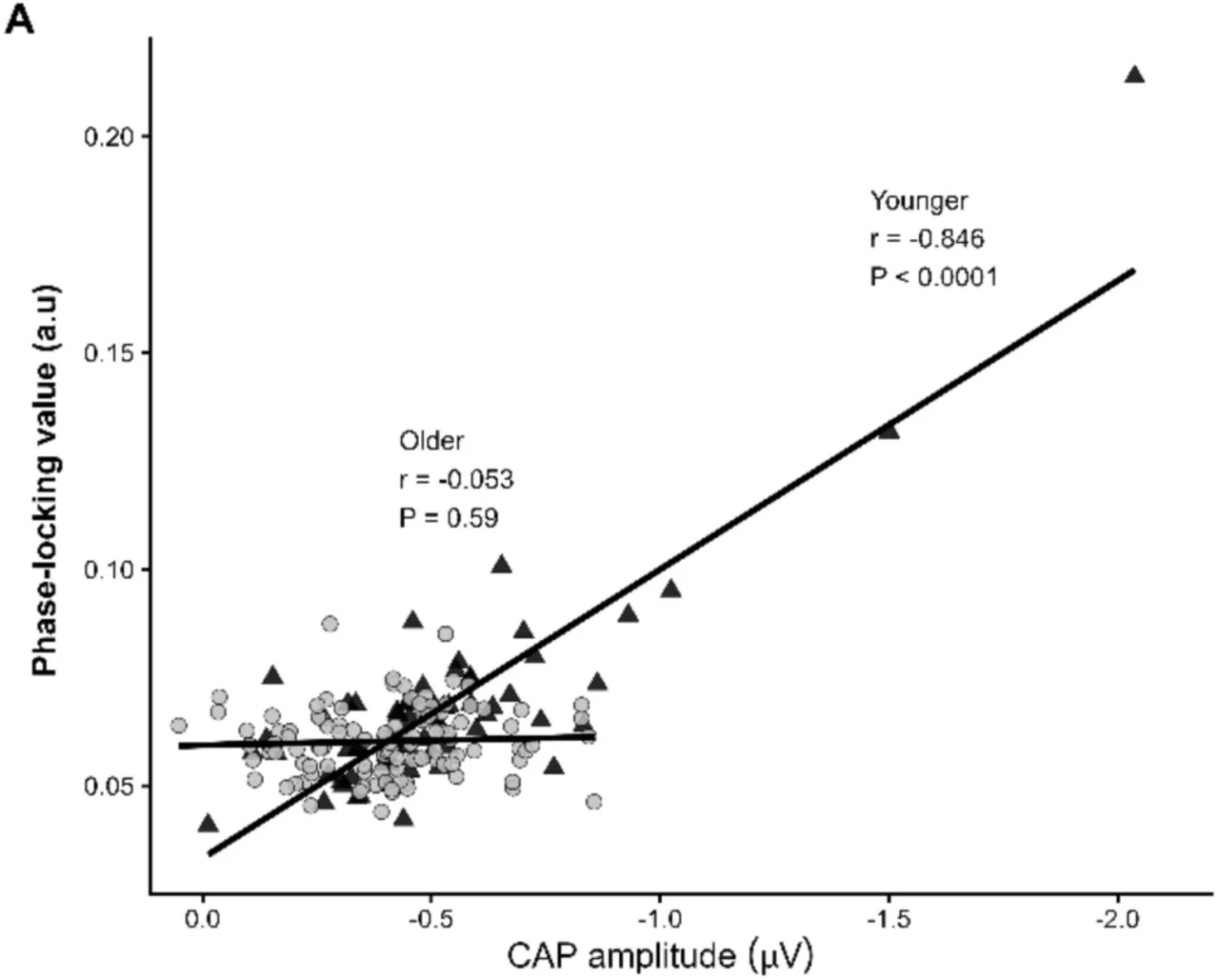
In a human study detailed in a preprint, researchers investigated how auditory nerve changes affect hearing in older adults. They modeled the relationship between auditory nerve response amplitude and neural synchrony in younger adults to quantify deviations in older adults. Unsupervised clustering identified two distinct auditory nerve phenotypes: one with expected neural synchrony and another with poorer-than-expected synchrony relative to response amplitude, independent of age and audiometric thresholds. Diffusion MRI in living participants and postmortem human temporal bones revealed that the poorer synchrony phenotype showed reduced fractional anisotropy and increased radial diffusivity, aligning with histological evidence of myelin loss. Furthermore, older adults with poorer-than-expected neural synchrony reported greater functional communication difficulties for their degree of hearing loss.
Why it matters
These findings establish auditory nerve myelin degeneration as a distinct mechanism of sensory aging. The physiological phenotyping approach also provides a noninvasive biomarker framework for detecting neural aging phenotypes in living people.
Caveats
The study is a preprint that has not yet completed peer review. The findings rely on observational associations, and the abstract does not report participant sample sizes or longitudinal tracking of myelin loss.
- Machine learning
- Age-related hearing loss
- Auditory nerve response amplitude and neural synchrony
- Fractional anisotropy
- Radial and mean diffusivity
- Humans
The paper
Auditory nerve phenotypes reveal a myelin-associated subtype of age-related hearing loss
Medical University of South Carolina
medRxiv · 13 Sep 2026 · Preprint, not peer-reviewed