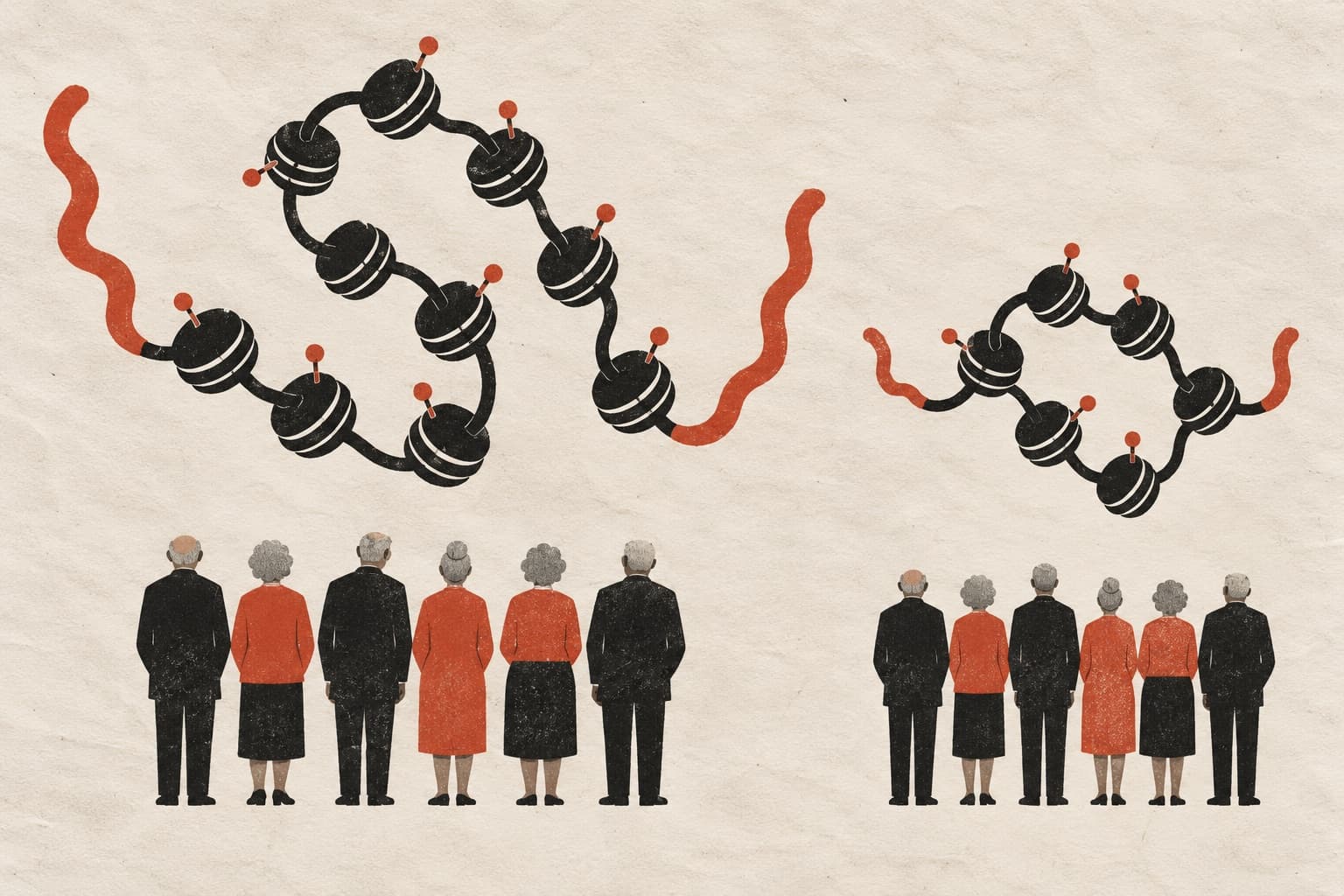
Estimated brain-age gap rises by three years in pregnancy
Brain-age gap estimates rose by about three years during pregnancy and fell below pre-conception levels by 16 months postpartum in a longitudinal study.
Research Square
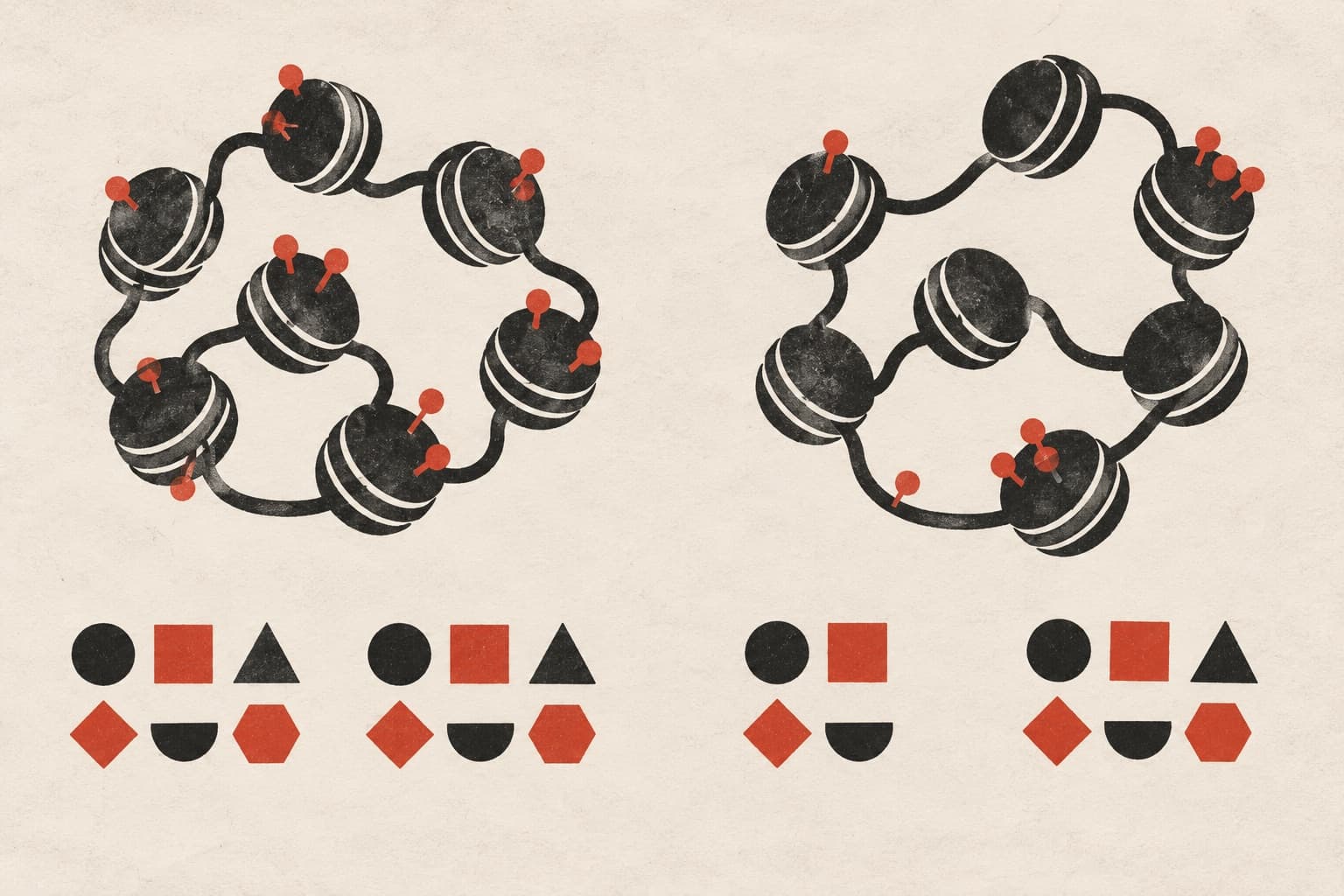
In an observational preprint study, researchers analysed brain scans from up to 340 women from before pregnancy through 16 months postpartum, alongside three women scanned up to 27 times. They used anatomical imaging to calculate the gap between predicted brain age and chronological age, comparing the mothers with non-gestational mothers and women who had not given birth. Brain-age gap estimates rose by about three years during pregnancy. This gap then narrowed after birth, falling below pre-conception levels by 16 months postpartum. Neither comparison group showed these shifts. In one closely tracked participant, chemical marks on DNA that track aging, known as epigenetic clocks, mirrored the brain-aging trajectory.
Why it matters
The findings support the idea that pregnancy involves a temporary, multi-system aging-like process followed by a postpartum rebound. Tracking how maternal tissues recover could help researchers understand how bodies naturally respond to major physiological stress and whether biological age measures can reverse over time.
Caveats
The study is an observational preprint that has not yet been peer-reviewed, and biological age was estimated with predictive computational models rather than direct biological measurements. In addition, the link between brain changes and epigenetic clocks was examined in only one participant.
The paper
Pregnancy induces transient brain and epigenetic aging followed by postpartum rejuvenation
Show 13 more authors
María Paternina-Die, Noelia García Acebes, Hannah Grotzinger, Cristina Ballesteros, Gonzalo López-Montoya, Camila Servin-Barthet, Clara Pretus, Laura Pritschet, Manuel Desco, Elizabeth R. Chrastil, Hung Phan, Kieran J. O’Donnell, Emily Jacobs,Hospital General Universitario Gregorio Marañón · Universitat Autònoma de Barcelona
Research Square · 13 Aug 2026 · Preprint, not peer-reviewed