Transitional senescent monocytes drive age-related inflammation in humans
Researchers identified a transient senescent-like monocyte state governed by the transcription factor AP-1 that primes cells toward inflammatory and sepsis-associated states.
bioRxiv
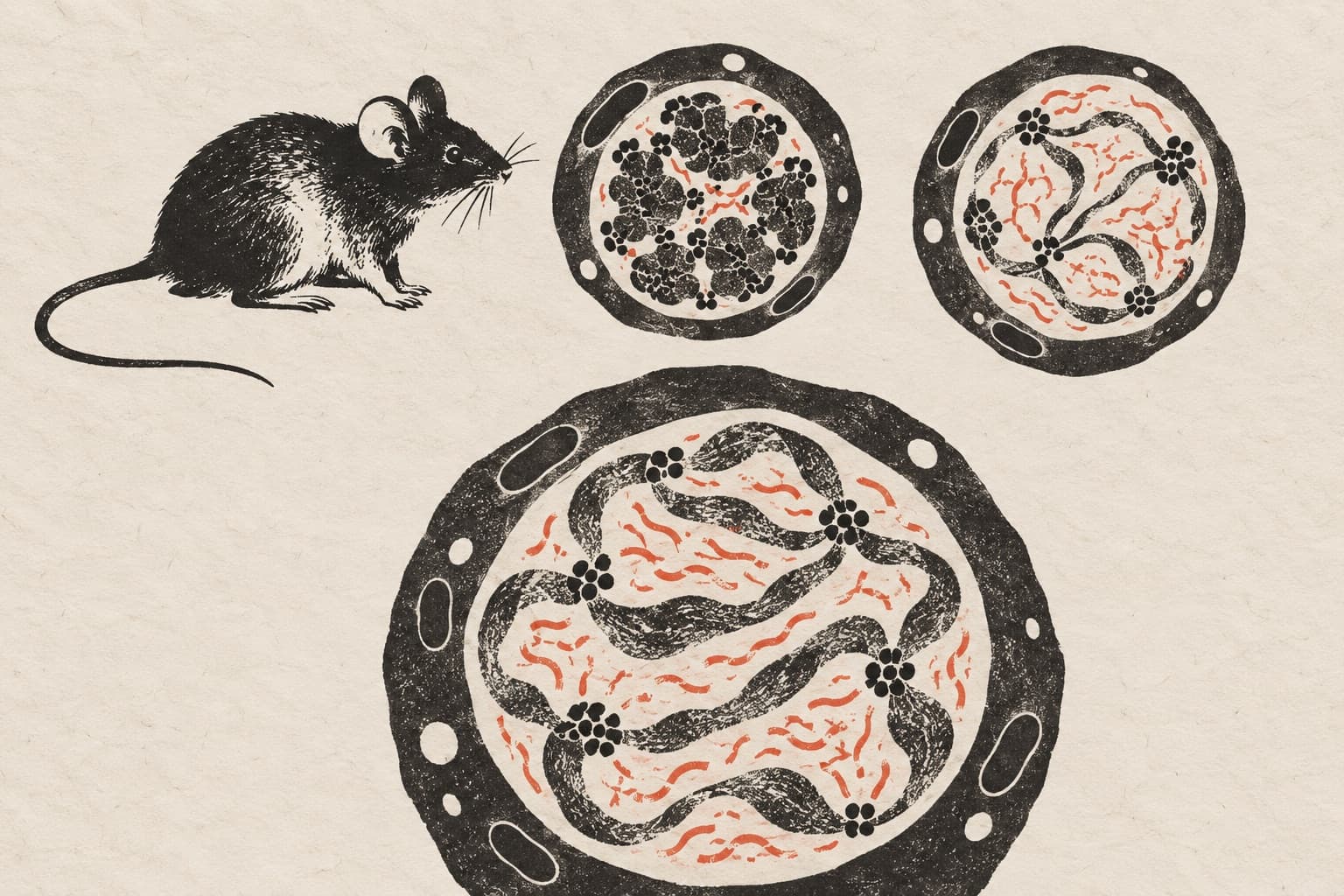
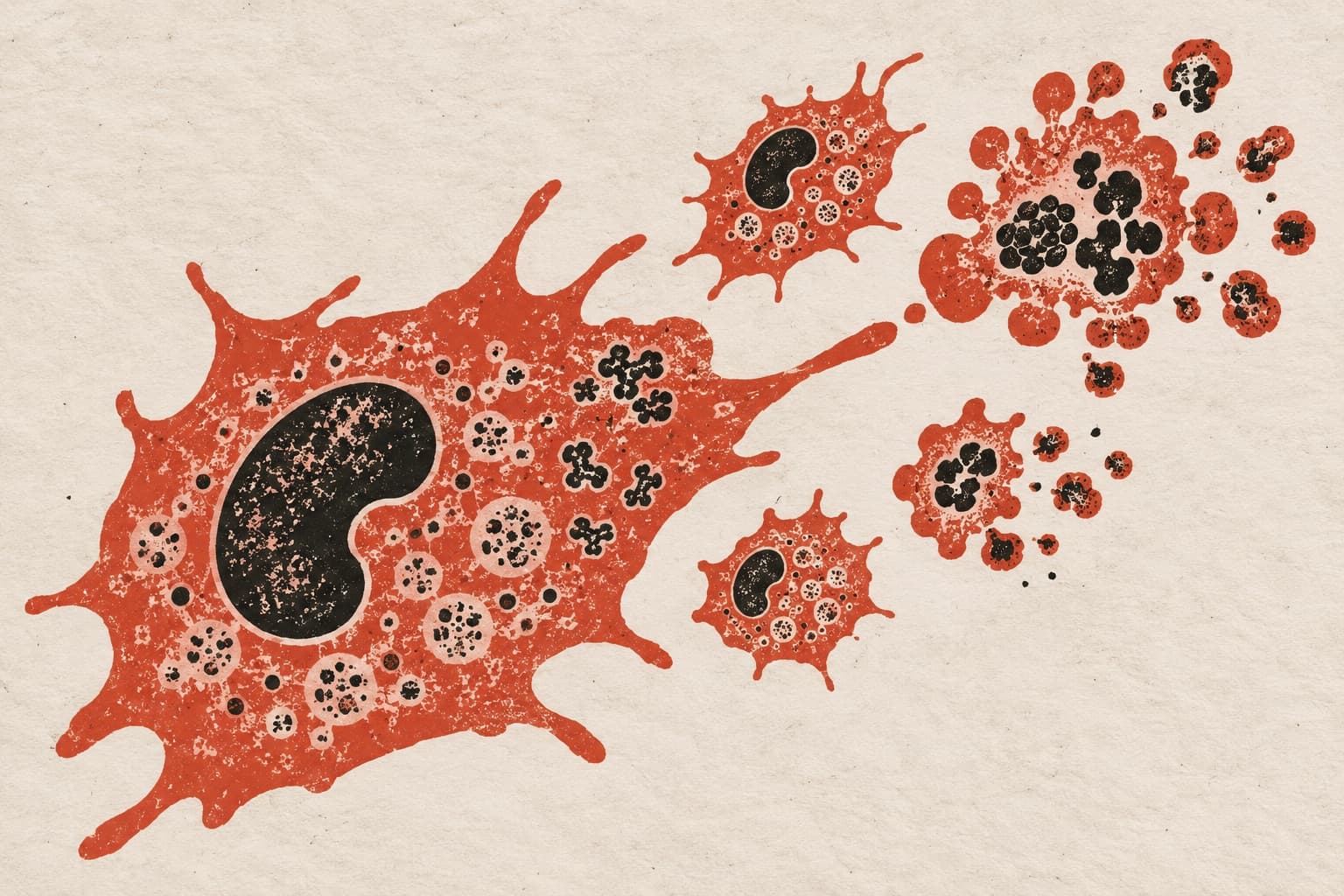
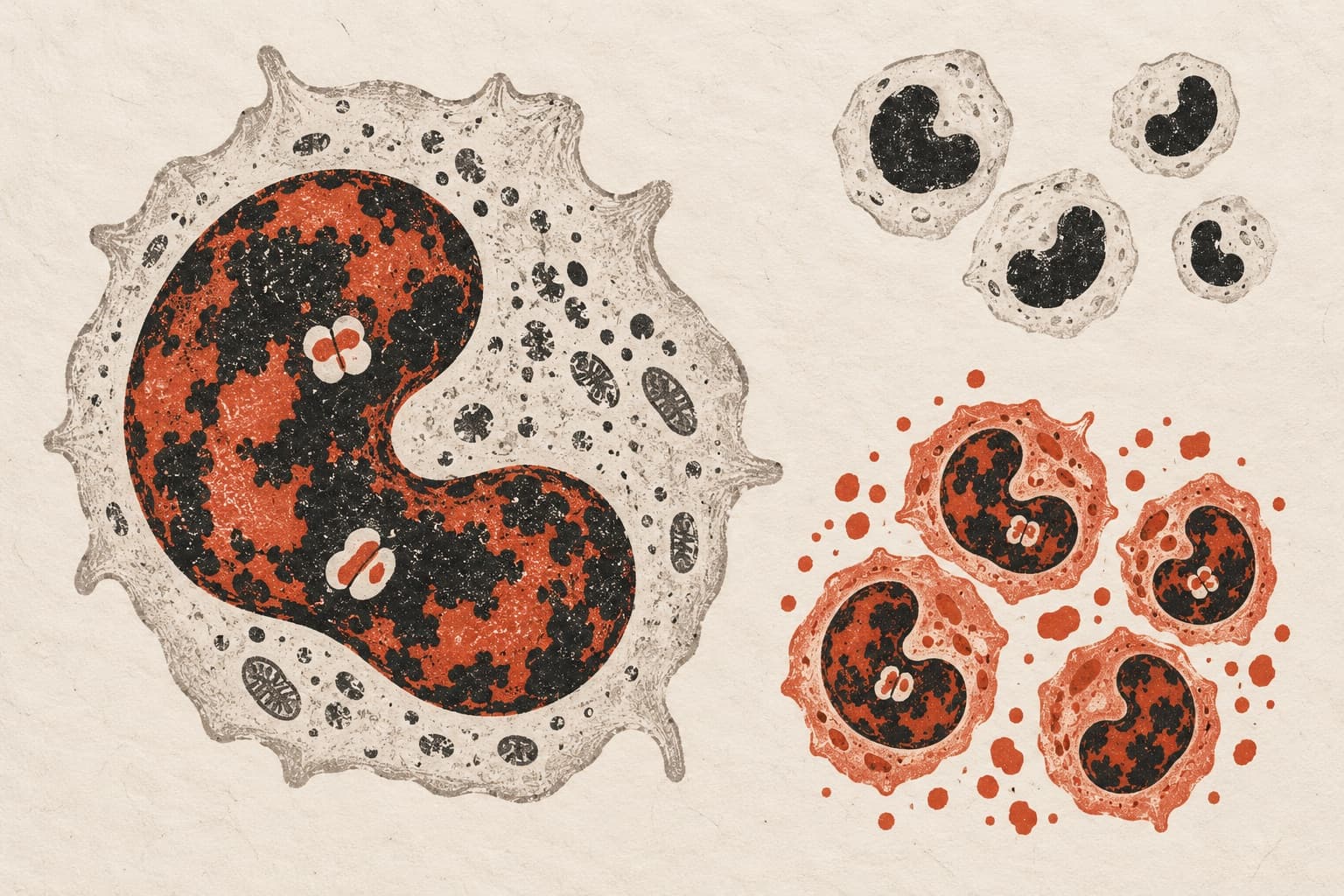
In aging humans, dysfunctional monocyte states contribute to systemic inflammation, but the underlying regulatory networks have remained unclear. In a new preprint, researchers used bulk and single-cell multidimensional integrative profiling to track monocyte state transitions during human aging. They found that a transient senescent-like population arising from classical CD14++CD16- monocytes drives the accumulation of an inflammatory monocyte state. This transition is orchestrated by the transcription factor AP-1, which acts on a pre-established chromatin landscape to rewire the cellular gene regulatory network. This process activates both senescence- and age-associated inflammatory transcriptional programs. Additionally, integrating these findings with clinical transcriptomic datasets revealed that aged and senescent-like monocytes are transcriptionally primed toward sepsis-associated states.
Why it matters
Identifying how transitional senescent states foster age-related inflammation reveals key regulatory mechanisms behind immune aging. It also points to AP-1 as a specific target for modulating systemic inflammation in older adults.
Caveats
This work is a preprint that has not yet undergone peer review. The conclusions are derived from observational profiling and transcriptomic dataset integration without reported interventional testing.
The paper
A transitional senescence program drives inflammatory monocyte state expansion in aging humans
Rutgers, The State University of New Jersey
bioRxiv · 13 Sep 2026 · Preprint, not peer-reviewed