Skip to content
AgingResearch.News app

AgingResearch.NewsFree on Google Play

Open app
AgingResearch.News
  • HomeHome
  • SearchSearch
  • AskAsk
  • FollowingFollowing
  • SavedSaved
Join freeSign inSign inSign in
AgingResearch.NewsJoin free
  • Top
  • Latest
  • For you

Latest: Cells · Peer-reviewed

Filter

Clear filters

Evidence

  • All
  • Prevention & practice
  • Human trials
  • Human studies
  • Animals
  • Model organisms
  • Cells
  • In silico
  • Reviews

Status

  • All
  • Peer-reviewed
  • Preprints
  • All
  • Most significant
  • All
  • Open access
  • All
  • Prevention & practice
  • Human trials
  • Human studies
  • Animals
  • Model organisms
  • Cells
  • In silico
  • Reviews
  • All
  • Most significant
  • All
  • Open access
Status
  • All
  • Peer-reviewed
  • Preprints
FooterIn your assistantComparePrivacyTermsAboutStandardsContactRSSPricingFollow on X© 2026 AgingResearch.News
Sidebar

    Join AgingResearch.News

    Free: every story, saved papers, follows, the weekly email and 3 questions a day to Ask.

    Continue with email

    By continuing, you agree to our Terms and Privacy Policy.

    News

    See allSee all news
    Engineered gut bacteria increase bile acid deconjugation, improving aged mice’s metabolic healthResearchGEN +5Engineered gut bacteria increase bile acid deconjugation, improving aged mice’s metabolic healthLater-born generations reach old age with better memory and slower declineResearchMedical Xpress +1Later-born generations reach old age with better memory and slower declineCastration at 240 days extends median lifespan 32.9% in male UM-HET3 miceResearchFight Aging! +1Castration at several ages extends male lifespan and reveals age-dependent effects of testicular factors on survival.

    Trials

    See allSee all trials
    Modulation Effects of Baduanjin Exercise on Subjective Cognitive DeclineResults posted Nov 6, 2026, Massachusetts General HospitalPsilocybin Effects on Healthy Aging Biomarkers and Purpose in LifePhase 1Now recruiting Nov 17, 2026, Charles RaisonPhase I Trial of a Single Administration of aKLmRNA-Mediated Protein Replacement TherapyPhase 1Now recruiting Nov 12, 2026, Klothea Bio Inc

    Trending

    See allSee all trending stories
    SLEEPGeneOlder adults had weaker brain fluid flow waves during sleepBilobetinInterventionBilobetin eased infection-driven immune aging in miceMizagliflozinInterventionFirst trial results posted: Effect of Mizagliflozin Repeat Dosing on Adverse Events and Postprandial Glucose…LY3437943InterventionFirst trial results posted: A Study of Retatrutide (LY3437943) on Renal Function in Participants With Overweight or…Royal jellyInterventionRoyal jelly increased stem cell activity in aged miceImmune responseProcessIn the news: 8 stories this week. Immune signal keeps brown fat in a low-heat state in mice, and 1 more story this week

    Topics

    See allSee all topics
    Mechanisms386Interventions830Biomarkers544Populations823AI & data163Industry & policy36SupplementsPeptidesProtocols
    Footer
    • In your assistant
    • Compare
    • Privacy
    • Terms
    • About
    • Standards
    • Contact
    • RSS
    • Follow on X
    • © 2026 AgingResearch.News

    TodayTue, Nov 17Tuesday, November 176 papers

    NPJ Aging·3 h

    Brain cell models reveal a feedback loop in inflammation

    Experiments in brain cell models connected inflammation-promoting signals with a pathway that helps immune cells remove dying nerve cells.Experiments in brain cell models connected inflammation-promoting signals with a pathway that helps immune cells remove dying nerve cells. Activating a pathway involving angiotensin II, a signaling molecule, reduced production of…

    Figure from NPJ Aging
    Cell studyInflammation
    Who was studiedBrain cell models and brain tissue
    What changedAngiotensin signaling lowered MFG-E8 production and dying-cell clearance; MFG-E8 lowered angiotensin receptor production and inflammatory signaling
    The catchThe experiments did not measure whether targeting the loop treats age-related brain inflammation
    Paper
    Biomedicines·9 h

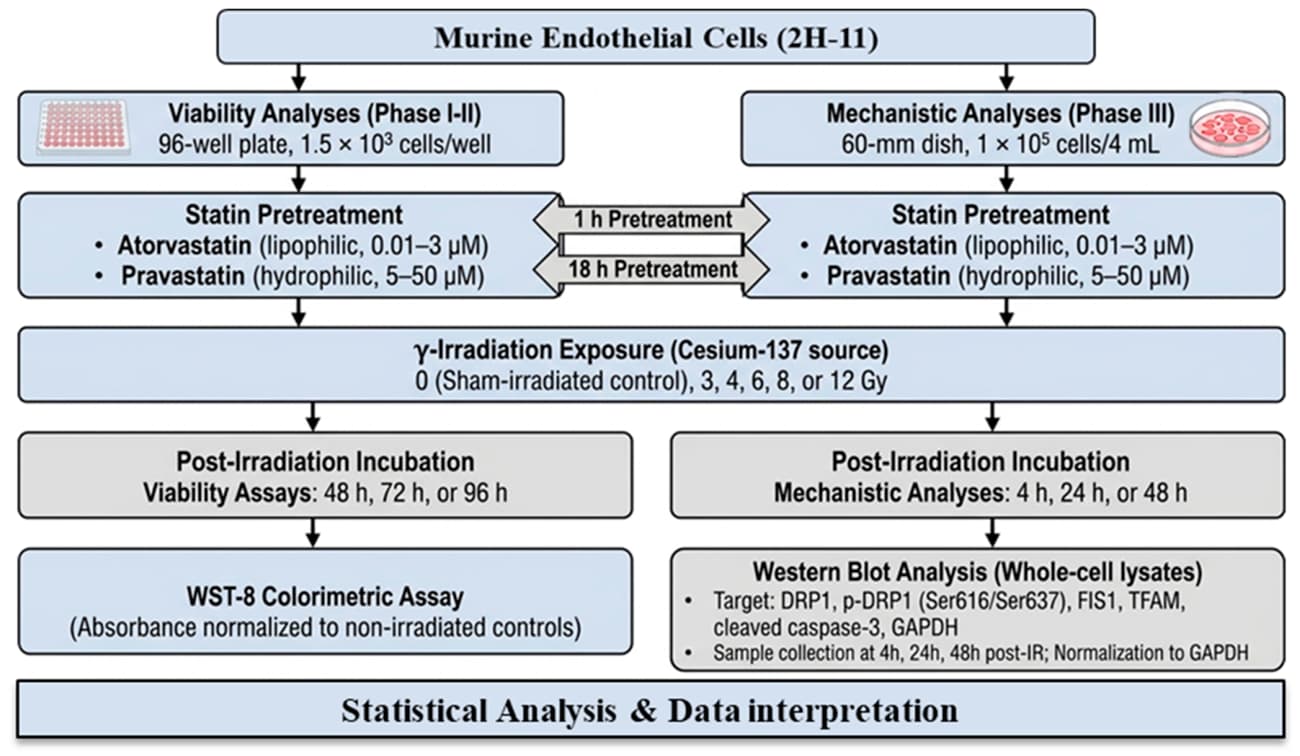
    Comparative Effects of Atorvastatin and Pravastatin on Endothelial Viability and DRP1-Associated Signaling Following Irradiation

    Figure from Biomedicines
    Experiments in mouse cellsAtorvastatin
    Paper
    Journal of Biological Engineering·10 h

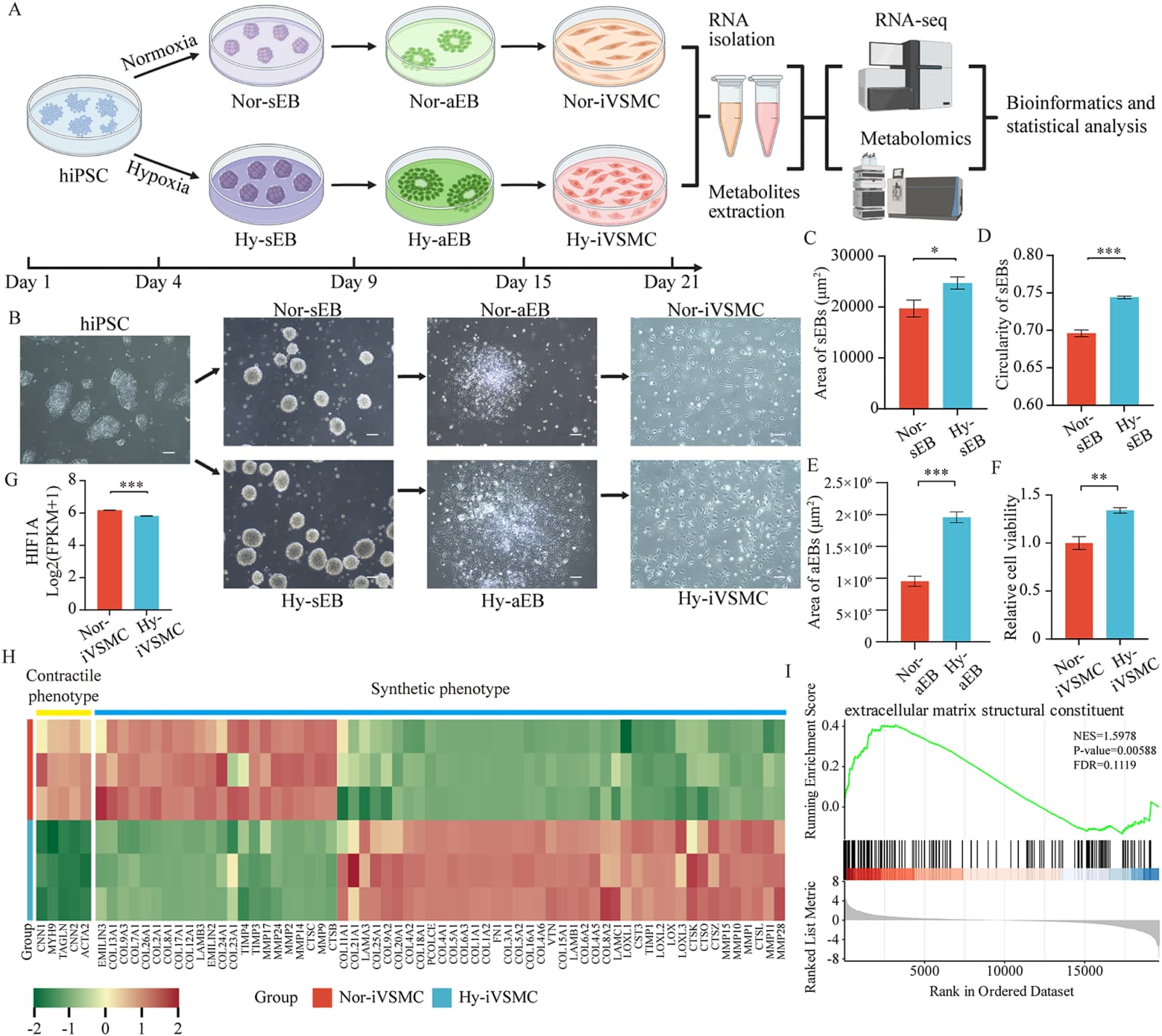
    PPARα mediates hypoxia-induced metabolic reprogramming to confer a redox-balanced synthetic phenotype in hiPSC-VSMCs for cell sheet-based vascular grafts

    Physiological hypoxia enhances the proliferative and synthetic potential of iVSMCs.
    Experiments in human cellsInterventions
    Paper
    Nature Communications·10 h

    Partially functional hypomorphic missense variants in BRCA2 are reduced penetrance pathogenic variants

    Homology-directed repair (HDR) scores of BRCA2 missense variants.
    Experiments in cellsMechanisms
    Paper
    BMC Molecular and Cell Biology·11 h

    Pharmacological telomerase activation by AGS compounds attenuates senescence-associated stress in human dermal fibroblasts

    Figure from BMC Molecular and Cell Biology
    Experiments in human cellsInterventions
    Paper
    Aging Cell·15 h

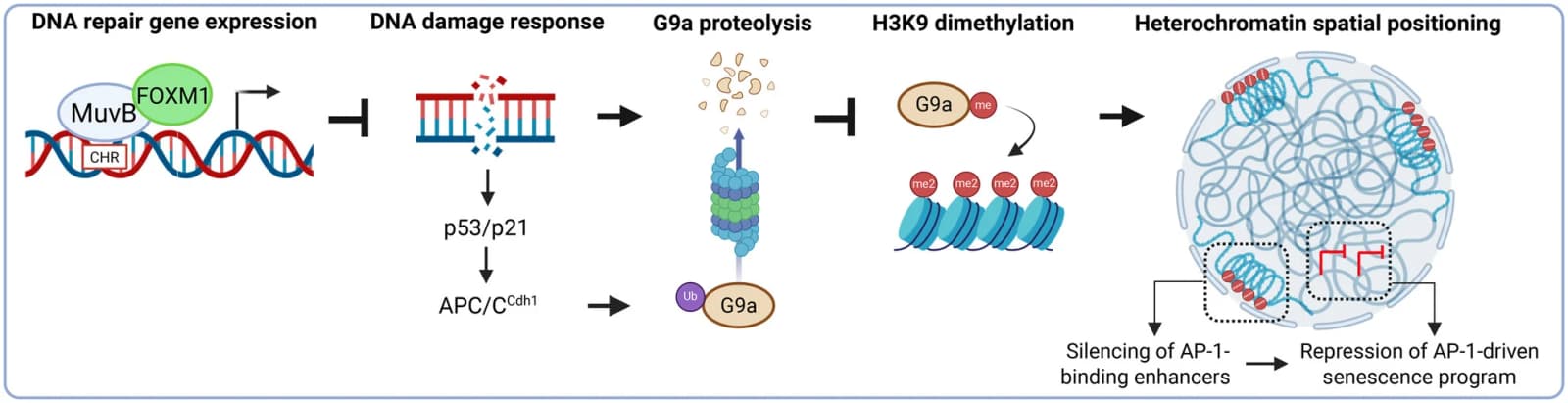
    Restoring protein activity reduced DNA damage in aged human cells

    After 72 hours, lab-grown human skin cells with increased activity of a gene-regulating protein showed more DNA repair gene activity and partly restored DNA-packaging…After 72 hours, lab-grown human skin cells with increased activity of a gene-regulating protein showed more DNA repair gene activity and partly restored DNA-packaging marks.

    Figure from Aging Cell
    Human cell studyInterventions
    Who was studiedAged human dermal fibroblasts, 72 h, against empty-vector control fibroblasts
    What changedDNA damage fell in aged human fibroblasts overexpressing FOXM1 compared with empty-vector controls
    The catchDNA damage measurements were collected and analyzed without blinding to experimental conditions
    Paper

    YesterdayMon, Nov 16Monday, November 167 papers

    Trends in Biotechnology·Yesterday

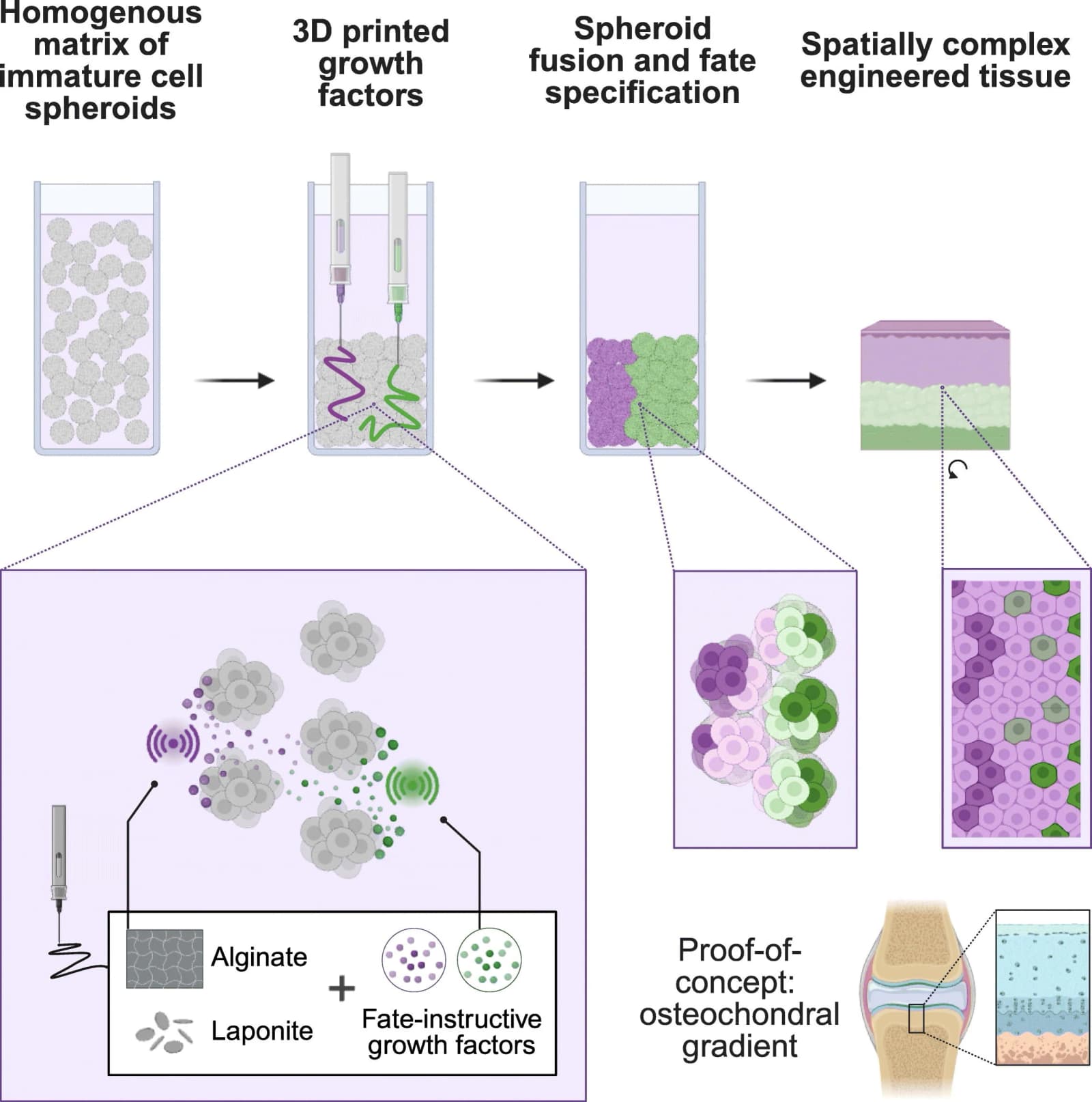
    Growth factor printing into fusing cell spheroids to engineer spatially complex tissues

    Figure from Trends in Biotechnology
    Experiments in cellsInterventions
    Paper
    Cells·Yesterday

    Cell-released particles reduce aging-linked signs in human cells

    Stressed human heart-vessel lining cells showed fewer markers of senescence, a state in which cells stop dividing, after 48 hours of particle exposure in laboratory…Stressed human heart-vessel lining cells showed fewer markers of senescence, a state in which cells stop dividing, after 48 hours of particle exposure in laboratory experiments.

    Figure from Cells
    Human cell studyInterventions
    Who was studiedOxidatively stressed human cardiac microvascular endothelial cells, 48 h
    What changedThe proportion of cells with aging-linked staining was lower with vesicles than without them in stressed human heart vessel cells
    The catchCo-isolated non-vesicular components could contribute to effects attributed to vesicles
    Paper
    Animal Reproduction·Yesterday

    Acquisition of in vitro pluripotency in camelids: isolation, characterization, and reprogramming feasibility of adult Lama glama fibroblasts

    Experiments in cellsInterventions
    Paper
    International Journal of Molecular Sciences·Yesterday

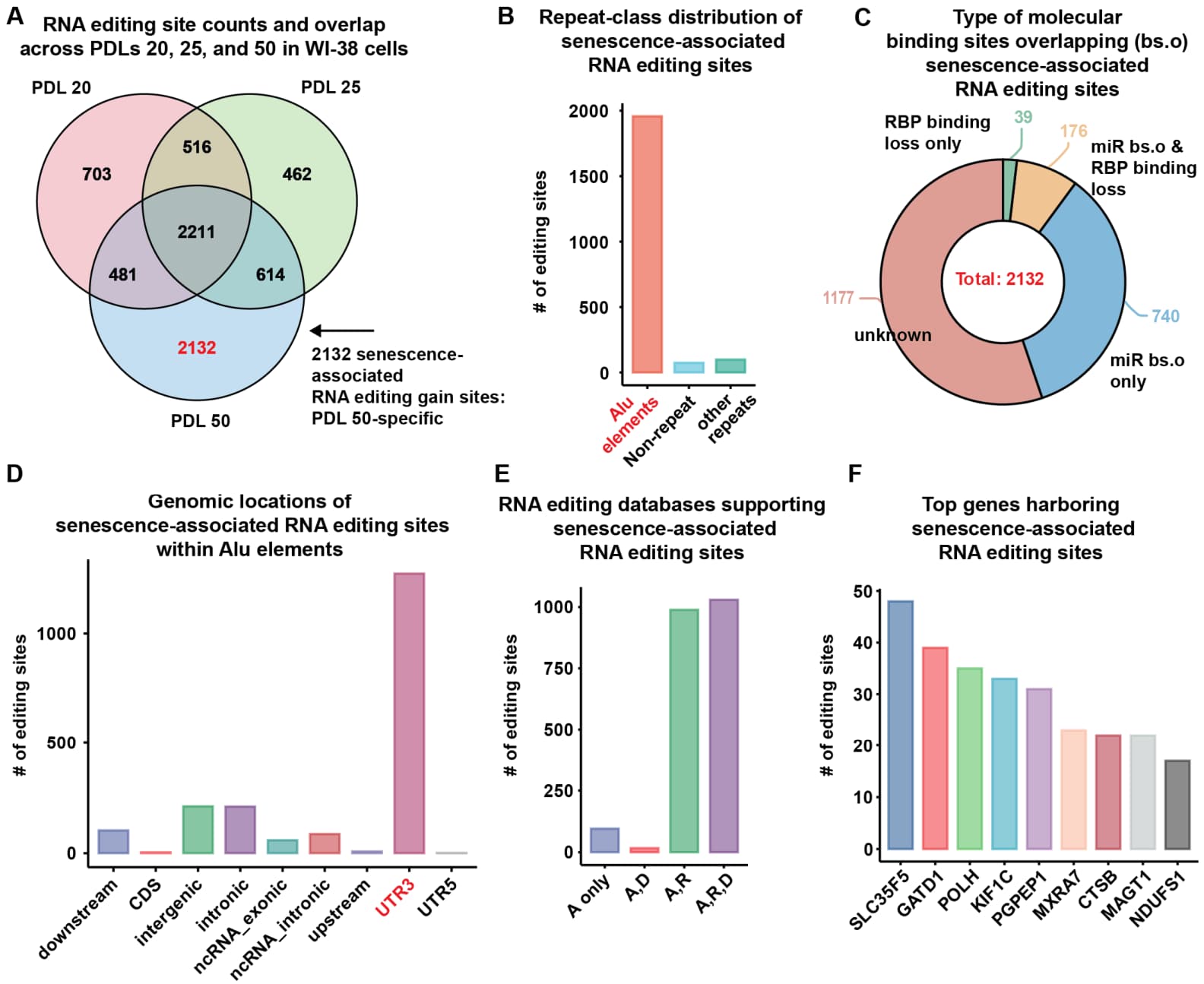
    Identification of Senescence-Associated RNA Editing as a Potential Biomarker for Senescence and Aging

    Figure from International Journal of Molecular Sciences
    Experiments in human cellsBiomarkers
    Paper
    Clinical, Cosmetic and Investigational Dermatology·Yesterday

    Temporal Dynamics of hTERT and Tumor Suppressor Gene Expression During Replicative Senescence in Human Dermal Fibroblasts: A High-Resolution Longitudinal Study

    Morphological profiles and phenotypic transitions of primary HDFs during serial passaging.
    Experiments in human cellsCellular senescence
    Paper
    Frontiers in Aging·Yesterday

    Serotonin receptor loss may leave retinal cells prone to stress

    Experiments in retinal pigment epithelium cells linked reduced receptor activity to defects resembling those seen in age-related macular degeneration.Experiments in retinal pigment epithelium cells linked reduced receptor activity to defects resembling those seen in age-related macular degeneration.

    Retinal pigment cells form a tightly sealed layer beside enlarged cells with broken junctions, wide gaps, and accumulated fatty droplets and waste.
    Accepted, not yet published: human cell studyEye
    Who was studiedRetinal pigment epithelium cells
    What changedRetinal pigment cells lacking the receptor or exposed to receptor-blocking drugs developed weaker barriers and problems processing cellular waste
    The catchExperiments measured cellular defects, not vision preservation or prevention of age-related macular degeneration
    Paper
    Genome Biology·Yesterday

    Older donors’ cultured human brain cells had less accessible DNA

    A study of human brain-support cells grown in the lab linked older donor age to localized buildup of unusual DNA folds.A study of human brain-support cells grown in the lab linked older donor age to localized buildup of unusual DNA folds. Human astrocytes—cells that support nerve cells—came from surgically removed brain tissue from donors spanning…

    Figure from Genome Biology
    Cross-sectional studyMechanisms
    Who was studiedHuman astrocytes
    What changedDNA accessibility declined with donor age in cultured human astrocytes
    The catchChanges in DNA accessibility as the same cells aged were not measured
    Paper

    Sun, Nov 153 papers

    Biochemical and Biophysical Research Communications·Nov 15

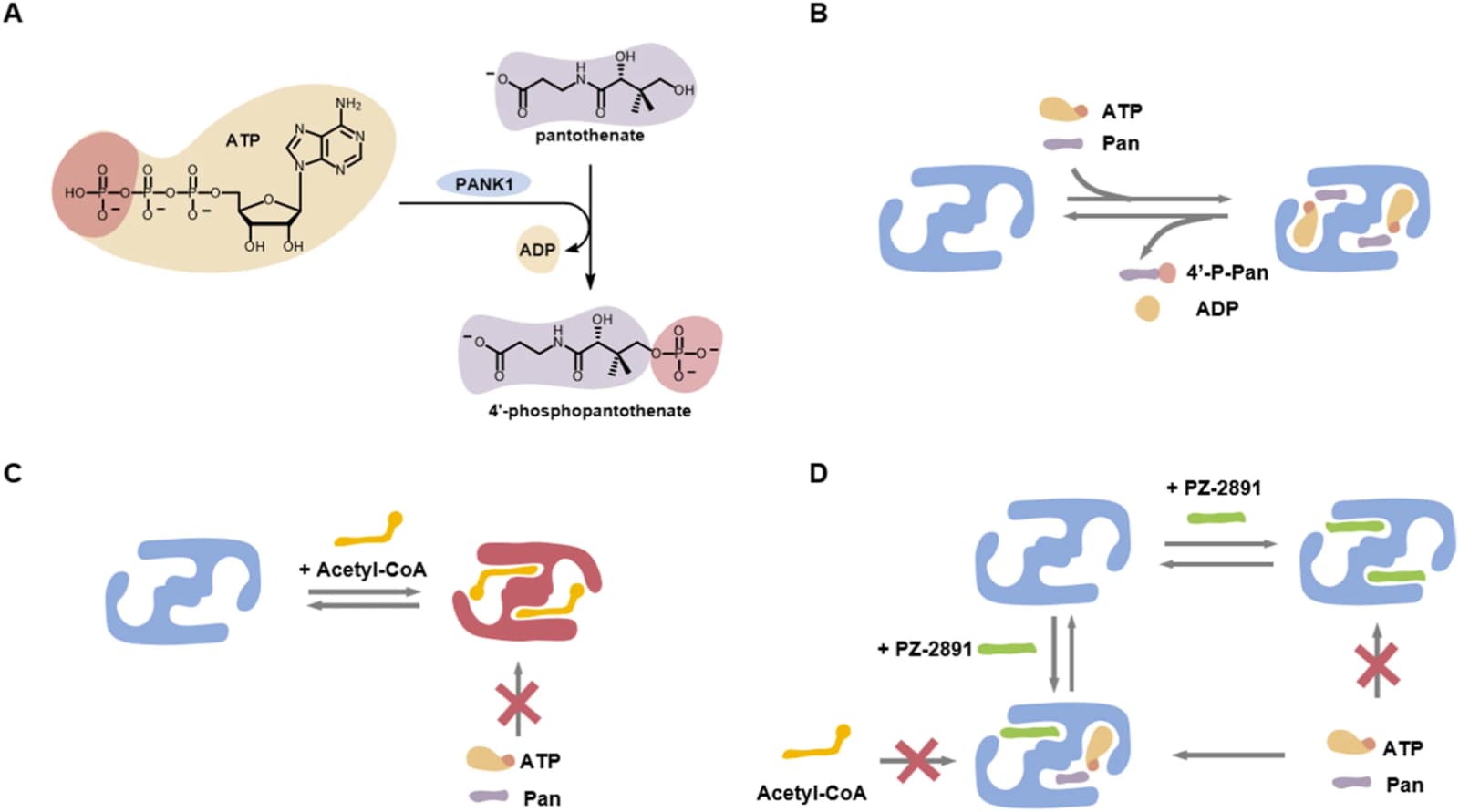
    Biochemical reassessment of the activation of PANK1 by SGLT2 inhibitors

    Figure from Biochemical and Biophysical Research Communications
    Experiments in human cellsMechanisms
    Paper
    Molecular Biology Reports·Nov 15

    Aryl hydrocarbon receptor cytoplasmic retention by p27^Kip1 in senescent astrocytes

    Figure from Molecular Biology Reports
    Experiments in human cellsCellular senescence
    Paper
    Journal of Japanese Society for Magnesium Research·Nov 15

    Age-related dysregulation of magnesium metabolism and food-based prevention

    Experiments in human cellsMagnesium
    Paper

    Sat, Nov 143 papers

    Molecular Metabolism·Nov 14

    Lab-grown human muscle models mimic key exercise responses

    Muscle models grown from human donor cells showed gene activity responses to electrical stimulation that overlapped with responses in those donors’ muscles after…Muscle models grown from human donor cells showed gene activity responses to electrical stimulation that overlapped with responses in those donors’ muscles after exercise. Insulin is a hormone that helps control blood sugar.

    Figure from Molecular Metabolism
    Human cell studyExercise
    Who was studiedHuman skeletal muscle organoids from donor myoblasts, 2h
    What changedExercise-responsive gene activity rose in electrically stimulated versus unstimulated muscle organoids, paralleling donors’ muscle responses to exercise
    The catchElectrical stimulation substitutes for exercise, without blood flow, hormonal dynamics, or immune interactions
    Paper
    International Immunopharmacology·Nov 14

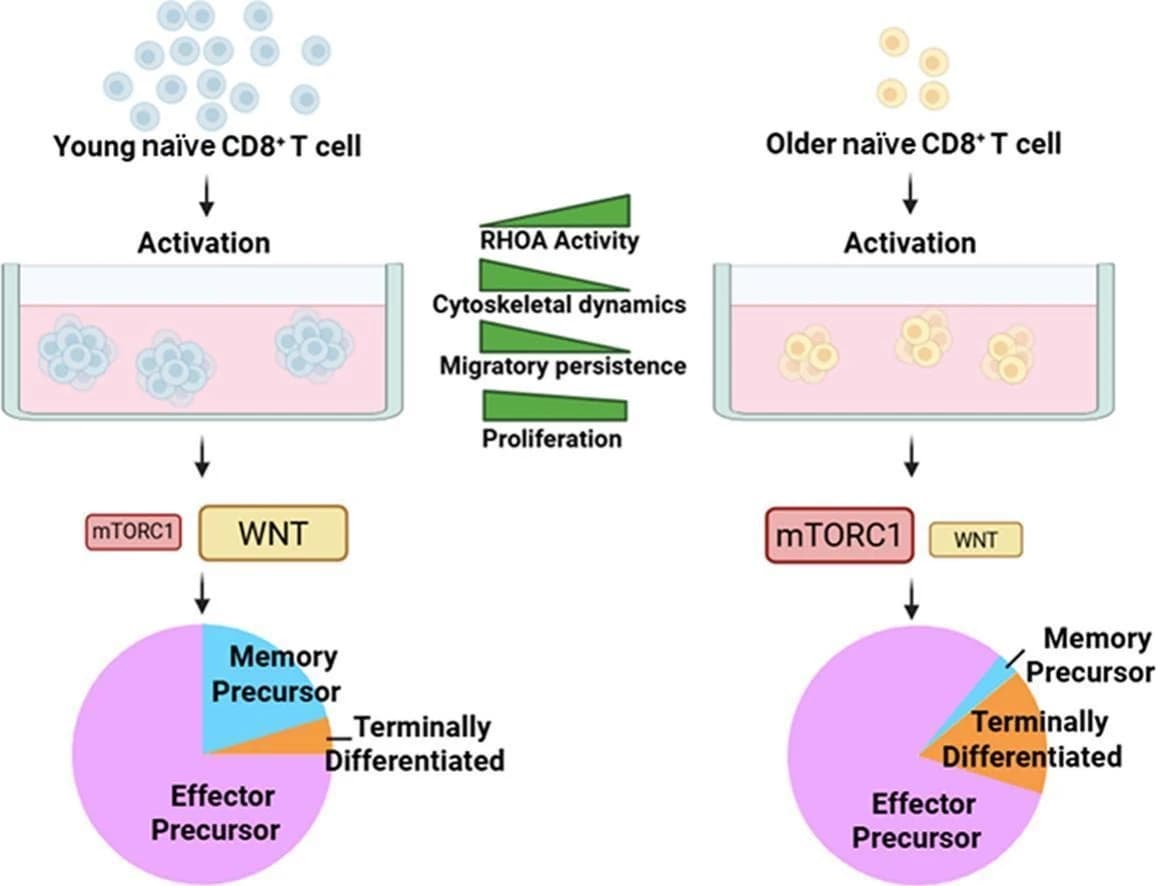
    RHOA–ROCK hyperactivation is associated with impaired migratory persistence and an effector-associated phenotype in aged CD8+ T cells

    Figure from International Immunopharmacology
    Experiments in human cellsSenescence-associated secretory phenotype (SASP)
    Paper
    Journal of Zhejiang University Science B·Nov 14

    Tmem59 deficiency alters the aging-related transcriptional landscape and neuronal differentiation trajectory in globose basal cells and olfactory sensory neurons

    Experiments in cellsStem cell differentiation
    Paper

    Fri, Nov 1313 papers

    Methods in Molecular Biology·Nov 13

    An Integrated Pipeline for Quantifying Survival, Cell Morphology, and Nuclear Integrity During Chronological Aging of Fission Yeast

    Experiments in yeastBiomarkers
    Paper
    European Journal of Pharmacology·Nov 13

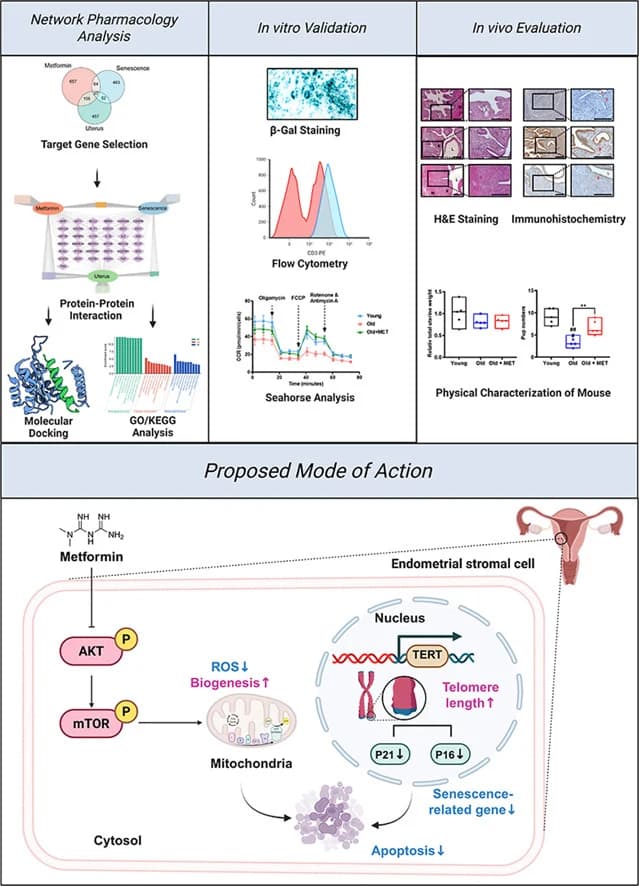
    Functional contribution of TERT to mitigation of endometrial stromal cell senescence by metformin through modulation of the AKT/mTOR axis

    Figure from European Journal of Pharmacology
    Experiments in human cellsMetformin
    Paper
    Journal of the American Society of Nephrology·Nov 13

    Kidney-risk variants linked to depleted calcium stores in cells

    In cell experiments, kidney-risk protein variants entered an internal membrane more readily than the comparison variant, while rapamycin reduced protein levels and cell…In cell experiments, kidney-risk protein variants entered an internal membrane more readily than the comparison variant, while rapamycin reduced protein levels and cell harm.

    Endoplasmic reticulum membranes show dense proteins with sparse calcium beside fewer proteins with abundant calcium and a vesicle containing fragments.
    Cell studyKidney
    Who was studiedAPOL1-producing cells and genetically modified flies, against cells producing APOL1-G0
    What changedCells producing kidney-risk APOL1 variants had greater calcium depletion than cells producing APOL1-G0
    The catchProtein misfolding was proposed as the mechanism, without direct measurements reported
    Paper
    International Journal of Molecular Sciences·Nov 13

    Fatty acid altered DNA marks in human fat-derived stem cells

    A measure of chemical tagging on nuclear DNA fell from 29.87% in untreated cells to 26.84% after exposure to a saturated fatty acid.A measure of chemical tagging on nuclear DNA fell from 29.87% in untreated cells to 26.84% after exposure to a saturated fatty acid. Human adipose-derived mesenchymal stem cells, stem cells from healthy fat tissue, were exposed to…

    Stem cells with contrasting nuclear tags and abundant versus sparse mitochondria, with fatty-acid chains beside the larger cell.
    Human cell studyMechanisms
    Who was studiedHuman adipose-derived mesenchymal stem cells, 24 h, against untreated stem cells
    What changedDNA methylation was lower in palmitate-treated stem cells: 26.84% against 29.87% in untreated cells
    The catchSequencing compared palmitate plus BSA with untreated medium, without a BSA-only control
    Paper
    Cell Genomics·Nov 13

    Two proteins reshape DNA marks similarly in mouse cells

    Mouse embryonic stem cells reprogrammed with either of two gene-control proteins developed similar cancer-like marking patterns, despite activating different sets of…Mouse embryonic stem cells reprogrammed with either of two gene-control proteins developed similar cancer-like marking patterns, despite activating different sets of genes.

    Figure from Cell Genomics
    Animal cell studyMechanisms
    Who was studiedMouse embryonic stem cells, against CDX2-reprogrammed mouse embryonic stem cells
    What changedGATA6-reprogrammed mouse cells developed DNA methylation patterns similar to those in CDX2-reprogrammed cells
    The catchThe experiment tracked cell-identity changes rather than DNA methylation changes during aging
    Paper
    ILIVER·Nov 13

    The SASP-associated long noncoding RNA NEAT1 modulates the tumor immune microenvironment in hepatocellular carcinoma

    Gene set enrichment analysis (GSEA) of senescence-related genes.
    Experiments in human cellsSenescence-associated secretory phenotype (SASP)
    Paper
    NPJ Aging·Nov 13

    Aging reprograms the functional, epigenetic, and metabolic landscape of macrophages

    Figure from NPJ Aging
    Experiments in cellsLipid and ceramide metabolism
    Paper
    Scientific Reports·Nov 13

    A regulatory node in the transcriptional network underlying multiple senescence subtypes in WI-38 human fibroblasts

    Figure from Scientific Reports
    Experiments in human cellsCell cycle regulation
    Paper
    npj Aging·Nov 13

    Blood protein pattern predicts energy capacity in human cells

    A 25-protein signature predicted how serum from 88 healthy adults aged 22 to 92 affected the energy-making capacity of human skin cells.A 25-protein signature predicted how serum from 88 healthy adults aged 22 to 92 affected the energy-making capacity of human skin cells. Of these participants, 42% were female.

    Maximal respiration, but not basal respiration, negatively correlates with the chronological age of the serum donor.
    Human cell studyBiomarkers
    Who was studied88 human dermal fibroblasts exposed to donor serum, 24 h
    What changedHigher MitoAge protein scores tracked higher energy capacity in serum-treated human fibroblasts
    The catchOnly 88 serum donors supported a prediction model containing 25 proteins
    Paper
    Journal of Translational Medicine·Nov 13

    Metformin promotes placental adaptation to hypoxic stress through mitochondrial and translational pathways

    Quantitative proteomics volcano plot of metformin vs vehicle treated normoxic trophoblasts.
    Experiments in human cellsMetformin
    Paper
    International Immunopharmacology·Nov 13

    Formononetin attenuates senescence-associated changes in models of gastric precancerous lesions: CALML4 as a candidate molecule

    Figure from International Immunopharmacology
    Experiments in human cellsInterventions
    Paper
    Journal of Hazardous Materials Advances·Nov 13

    Perfluorobutyric acid induces premature senescence in human lung fibroblasts with altered RNA m¹A regulators and proteomic remodeling

    Figure from Journal of Hazardous Materials Advances
    Experiments in human cellsCell cycle regulation
    Paper
    Journal of Tissue Engineering·Nov 13

    A scaffold-free rotary culture system enables scalable production of functionally convergent perinatal MSC spheroids with enhanced pro-regenerative potency

    RCCS culture enables rapid formation of high-quality MSCsp within 2 days.
    Experiments in cellsInterventions
    Paper

    Thu, Nov 123 papers

    Cytotherapy·Nov 12

    A Genetically Engineered, Monoclonal, and Inducible Mesenchymal Stem Cell Platform with Controlled Proliferation and In Vivo Traceability

    Figure from Cytotherapy
    Experiments in human cellsInterventions
    Paper
    European Journal of Histochemistry·Nov 12

    Role of Drp1 in cigarette smoke extract-induced C2C12 myoblast senescence and mitochondrial dysfunction

    Experiments in mouse cellsCellular senescence
    Paper
    The Journal of Medical Investigation·Nov 12

    Indican, a major component of Indigo leaves, induces AhR-dependent DNA damage stronger than its metabolite indoxyl sulfate in endothelial cells

    Experiments in cellsDNA damage response
    Paper

    Wed, Nov 11

    In Vitro Cellular & Developmental Biology Animal·Nov 11

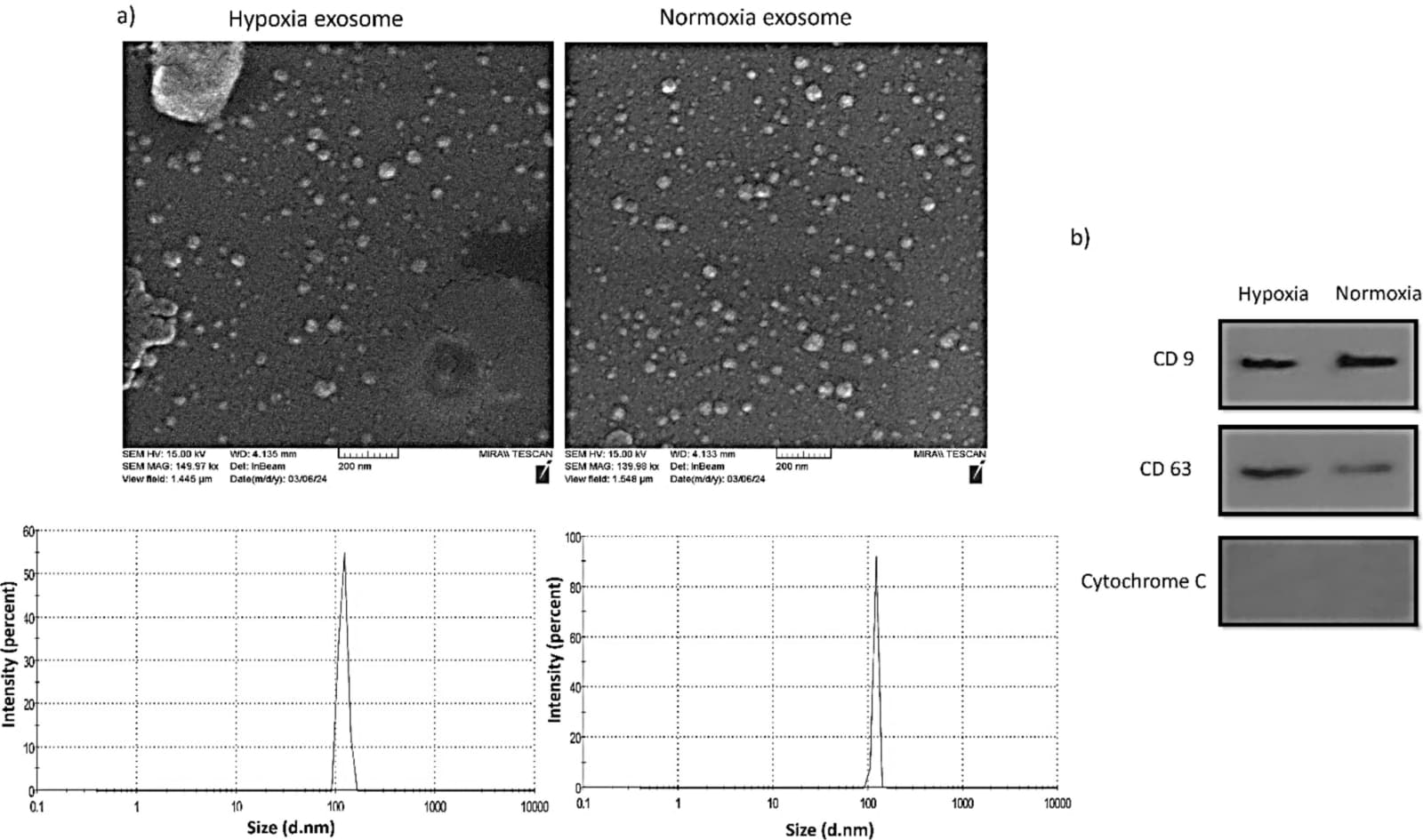
    Hypoxia preconditioning improves the anti-senescence potency of umbilical cord mesenchymal stem cell–derived exosomes

    Figure from In Vitro Cellular & Developmental Biology Animal
    Experiments in cellsInterventions
    Paper
    Cell Reports Methods·Nov 11

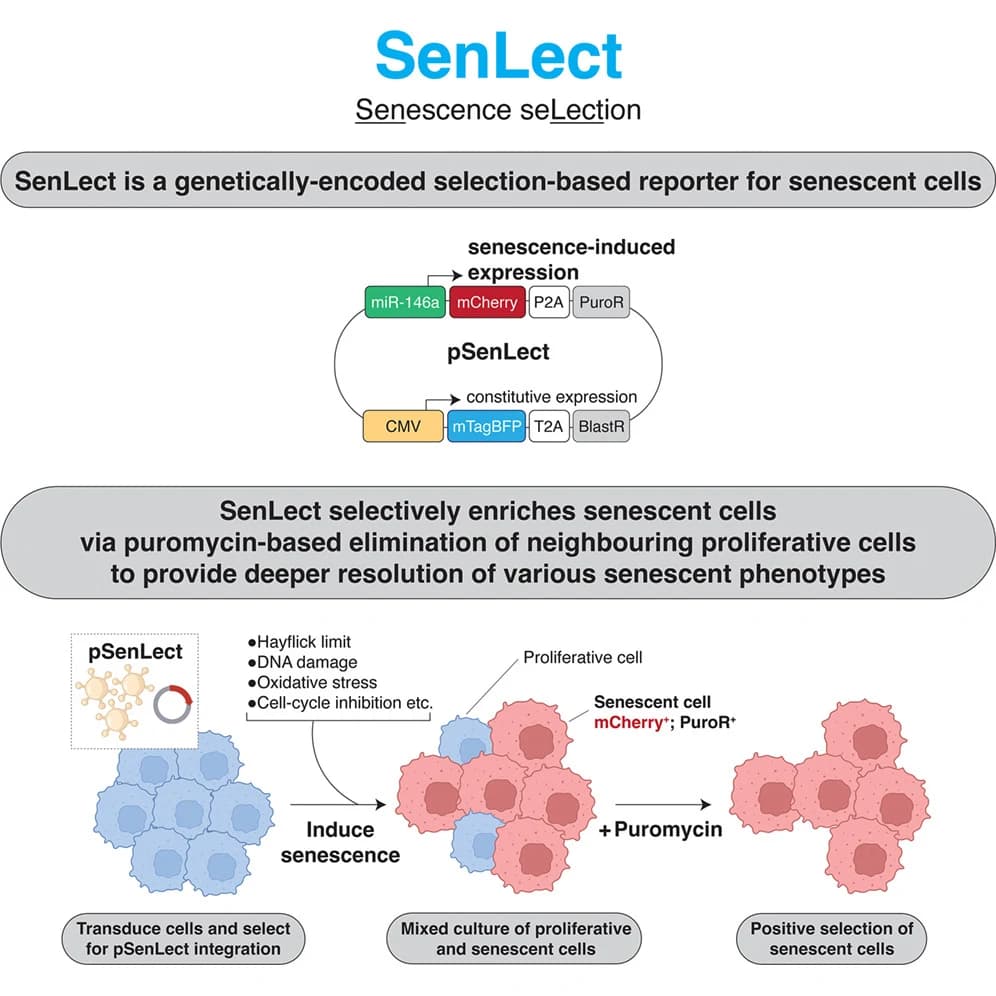
    Tool enriches senescent cells in lab-grown cultures

    In cell-culture experiments, SenLect labeled senescent cells and enriched them by selectively eliminating neighboring cells that were still dividing.In cell-culture experiments, SenLect labeled senescent cells and enriched them by selectively eliminating neighboring cells that were still dividing. Senescence is a state in which cells stop dividing.

    Figure from Cell Reports Methods
    Animal cell studyCellular senescence
    Who was studiedSenescent cells in lab-grown cultures
    What changedSenLect increased the proportion of senescent cells in cultures by eliminating neighboring dividing cells
    The catchEnrichment was measured only in cultured cells, not in living tissue
    Paper
    Stem Cells and Development·Nov 11

    Serial Passaging Drives Inflammatory–Metabolic Reprogramming and Replicative Senescence in Human Umbilical Cord Mesenchymal Stem Cells

    Experiments in human cellsOxidative phosphorylation
    Paper
    Journal of Translational Medicine·Nov 11

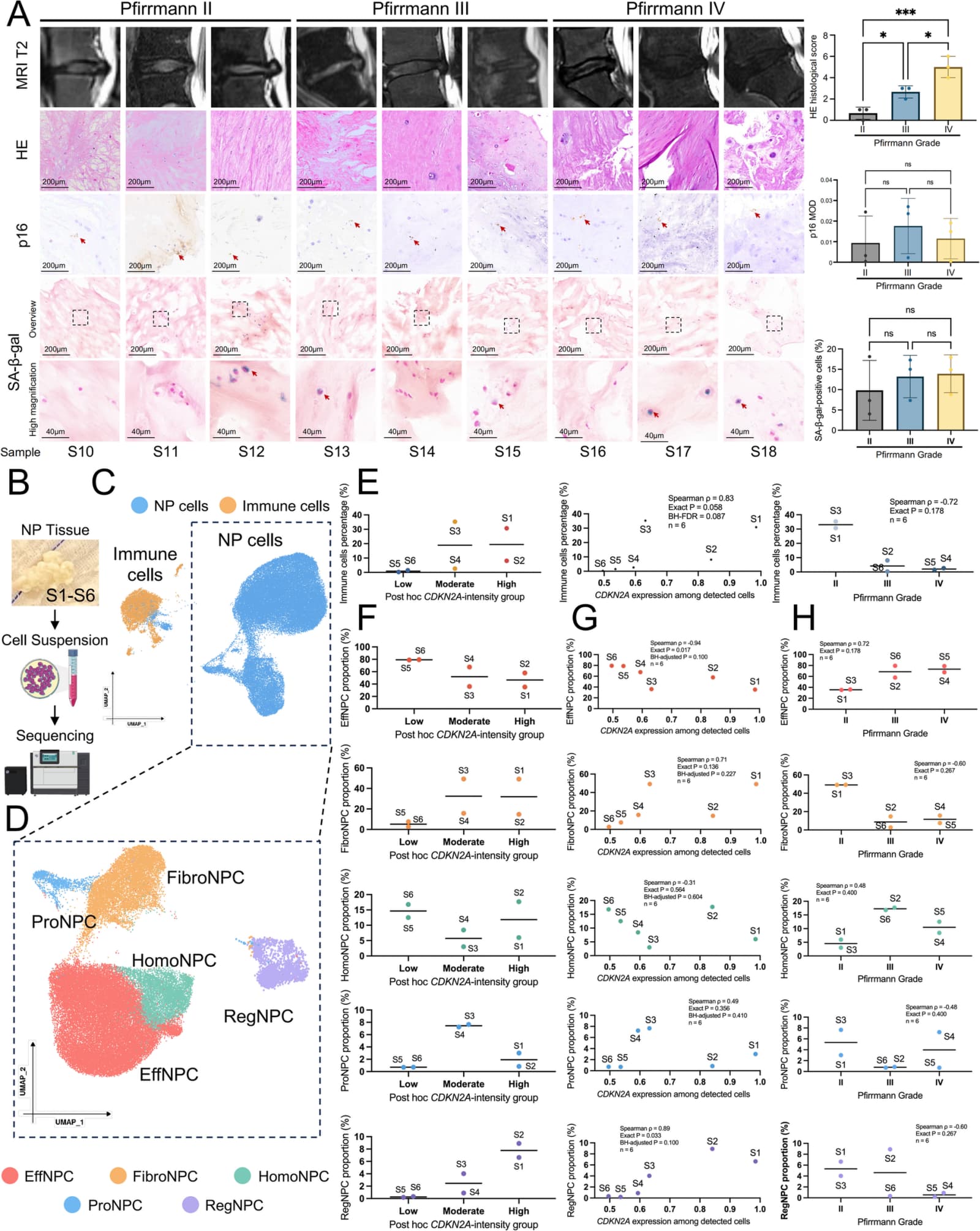
    CDKN2A-associated senescence-like and degeneration-related changes in human nucleus pulposus cells and culture-associated alterations: a single-cell RNA sequencing study

    Figure from Journal of Translational Medicine
    Experiments in human cellsCellular senescence
    Paper
    Nature Aging·Nov 11

    Age-related fat changes hinder human natural killer cells

    Experiments in human natural killer cells linked age-related fat buildup to altered cell mechanics and weaker killing of target cells.Experiments in human natural killer cells linked age-related fat buildup to altered cell mechanics and weaker killing of target cells. Their membranes were more fluid, and the supporting layer beneath the membrane was less stiff.

    Aged human NK cells exhibit lipid droplet accumulation, decreased cellular stiffness and impaired cytotoxicity.
    Human cell studyMechanisms
    Who was studiedHuman natural killer cells
    What changedHuman natural killer cells accumulated fat with aging and killed target cells less effectively
    The catchTarget-cell killing in lab-grown cells is a proxy for immune surveillance
    Paper