Kidney-risk variants linked to depleted calcium stores in cells
In cell experiments, kidney-risk protein variants entered an internal membrane more readily than the comparison variant, while rapamycin reduced protein levels and cell harm.
Our read
Mechanisms- Studied:
- Experiments in APOL1-producing cells and genetically modified flies, against cells producing APOL1-G0
- What changed:
- Cells producing kidney-risk APOL1 variants had greater calcium depletion than cells producing APOL1-G0
- The catch:
- Protein misfolding was proposed as the mechanism, without direct measurements reported
- In the record:
- One of 1,157 papers on rapamycin on record: 163 with results in people, 479 in animals.
Editor of record: Boris Djordjevic · AgingResearch.News
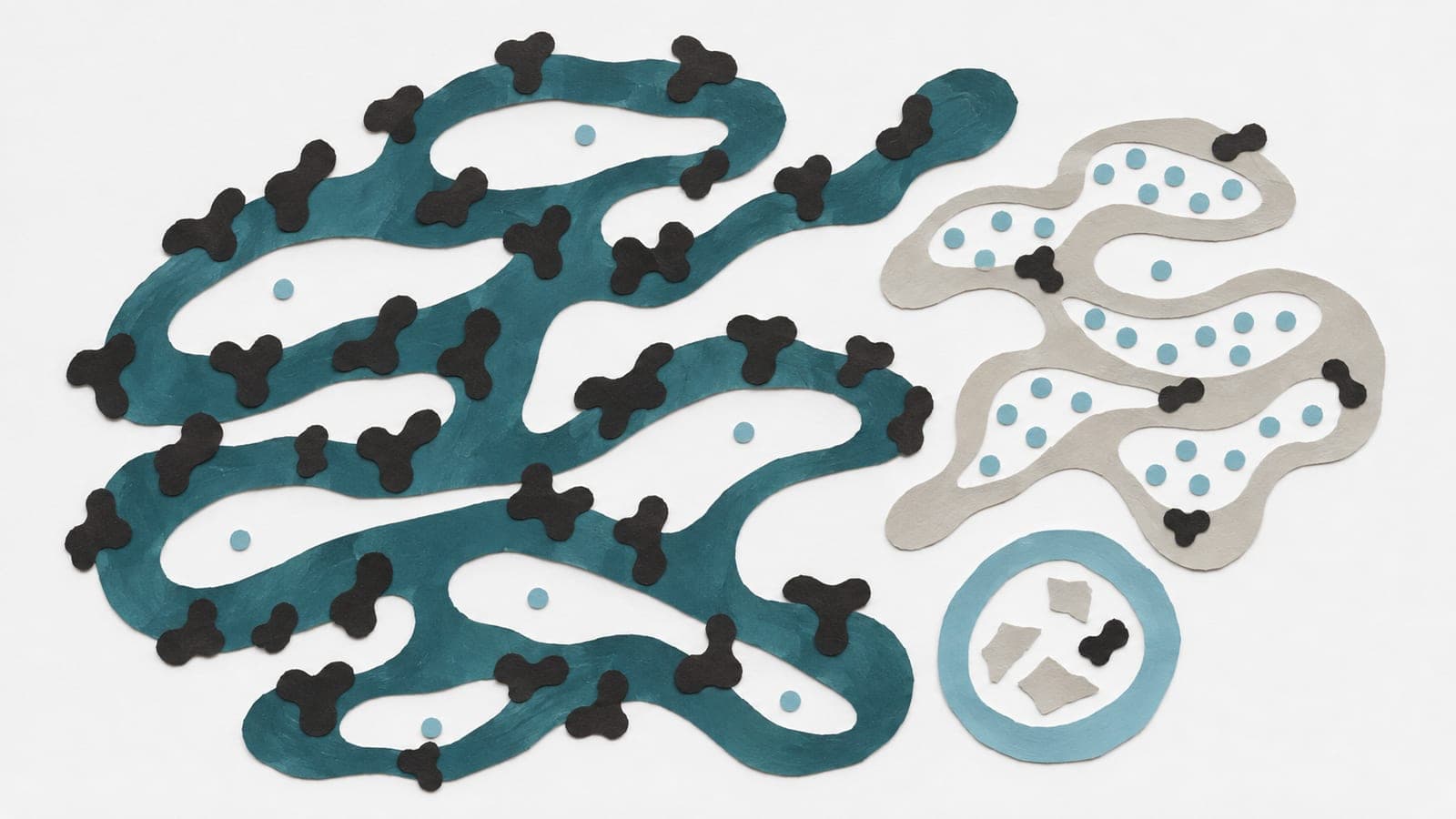
Cells grown in the lab producing variants of APOL1, a protein linked to kidney disease, were studied in experiments tracking its entry into membranes. The kidney-risk variants G1 and G2 entered the membrane of the endoplasmic reticulum, a cell structure that stores calcium, more than the G0 variant did. This came with greater calcium depletion there.
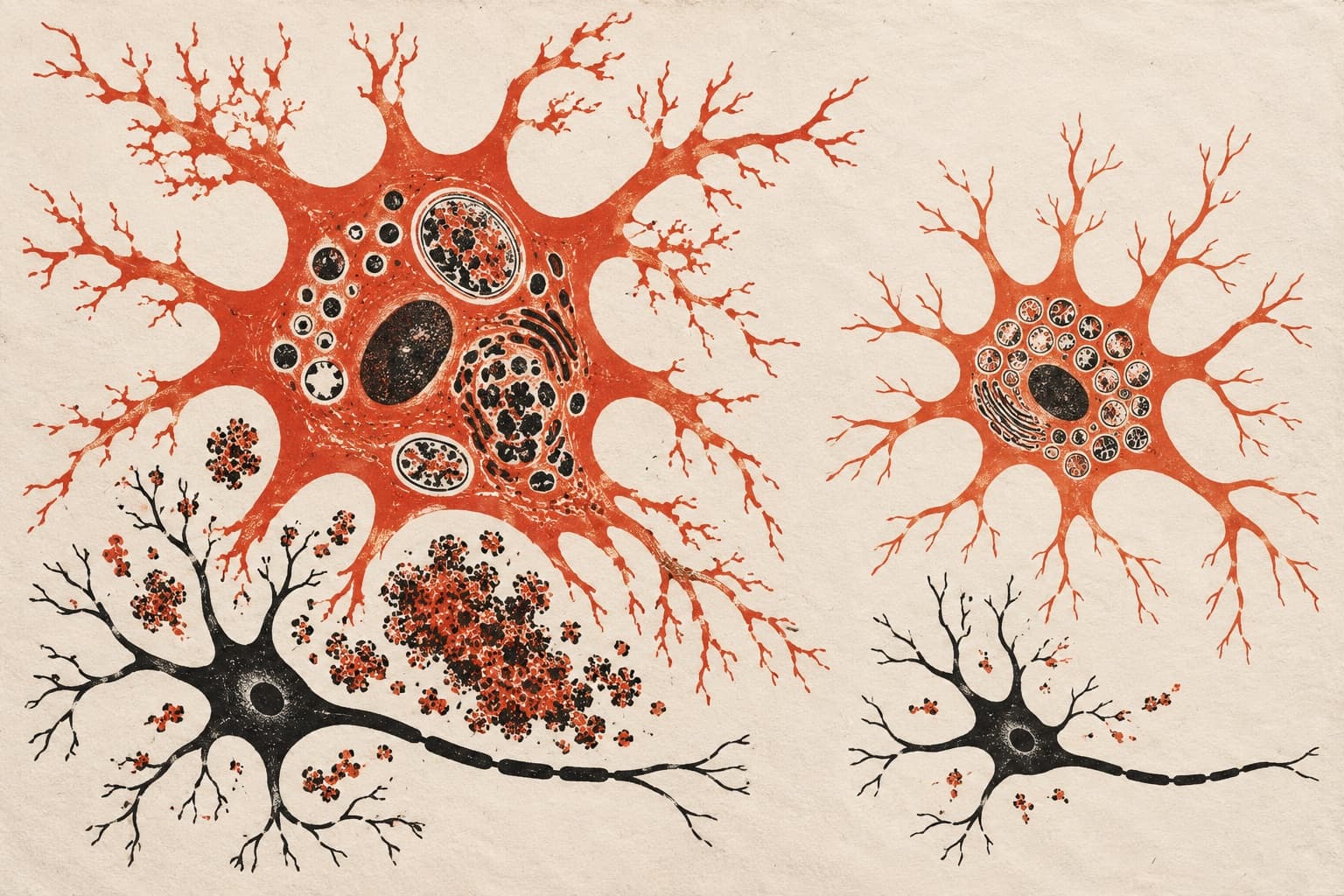
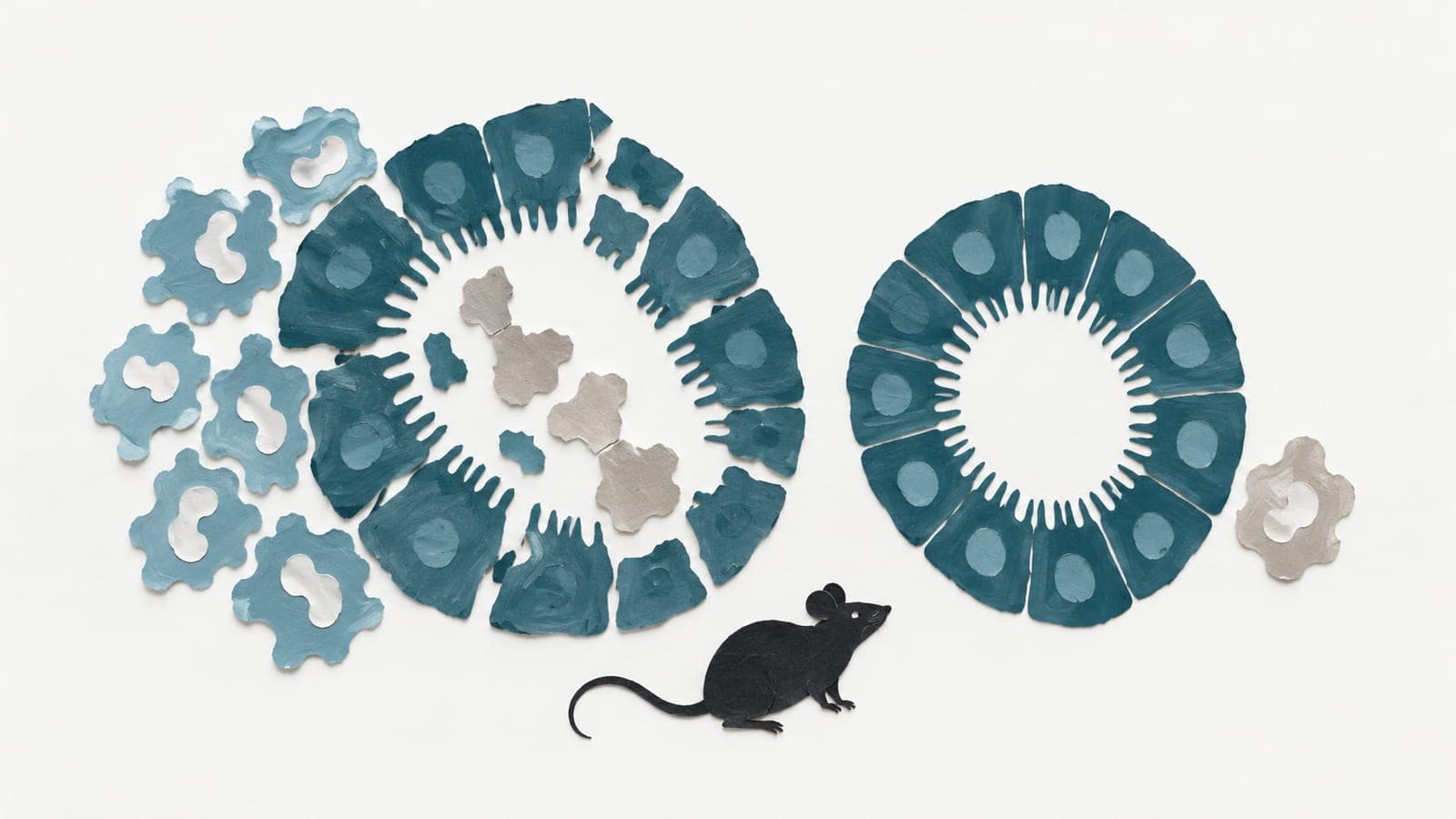
The authors proposed that abnormal protein folding exposed regions that favored membrane insertion. Blocking autophagy, a cellular waste-disposal process, caused APOL1 to accumulate. Rapamycin lowered APOL1 levels and improved cell survival. In genetically modified flies producing human APOL1, rapamycin also reduced enlargement and filtration problems in nephrocytes, cells that filter waste. The authors identified membrane insertion, calcium depletion and disposal through autophagy as linked features of the risk variants’ toxicity.
Why it matters
Kidney function matters for healthy aging. The work raises the question of whether helping cells dispose of harmful proteins could limit damage associated with inherited kidney-disease risk.
Caveats
Experiments in lab-grown cells and genetically modified flies do not show whether rapamycin would protect kidney function in people carrying APOL1 risk variants.
The paper
University of Maryland School of Medicine
Journal of the American Society of Nephrology, Nov 13, 2026

Comments
Be the first to comment.