Serotonin receptor loss may leave retinal cells prone to stress
Experiments in retinal pigment epithelium cells linked reduced receptor activity to defects resembling those seen in age-related macular degeneration.
Paper by Thomas Edward Galbato, Maria Dulfary Sanchez-Pino, Diana M Battaglia et al.
Our read
Mechanisms- Studied:
- Accepted, not yet published: experiments in human cells
Editor of record: Boris Djordjevic · AgingResearch.News
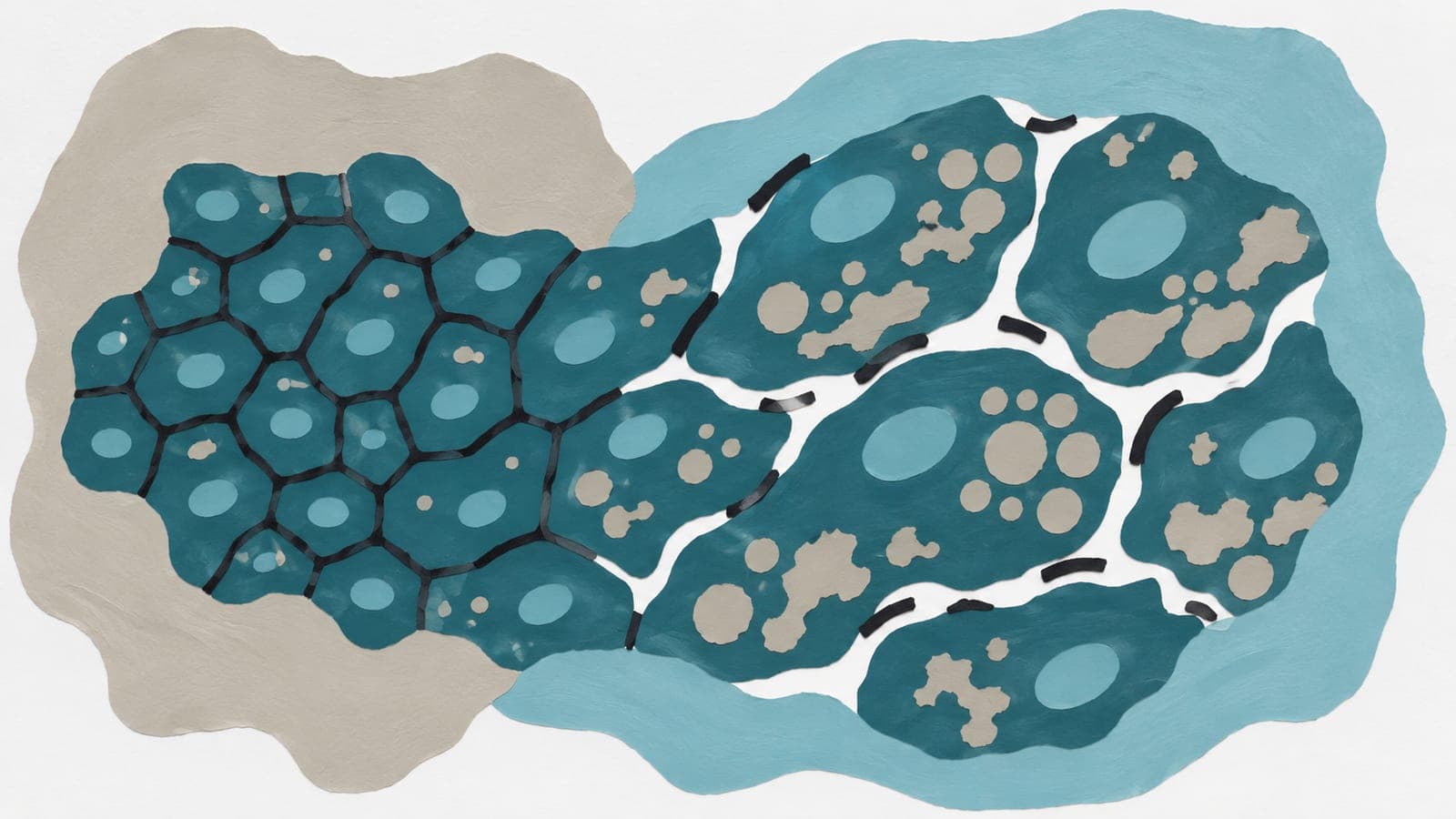
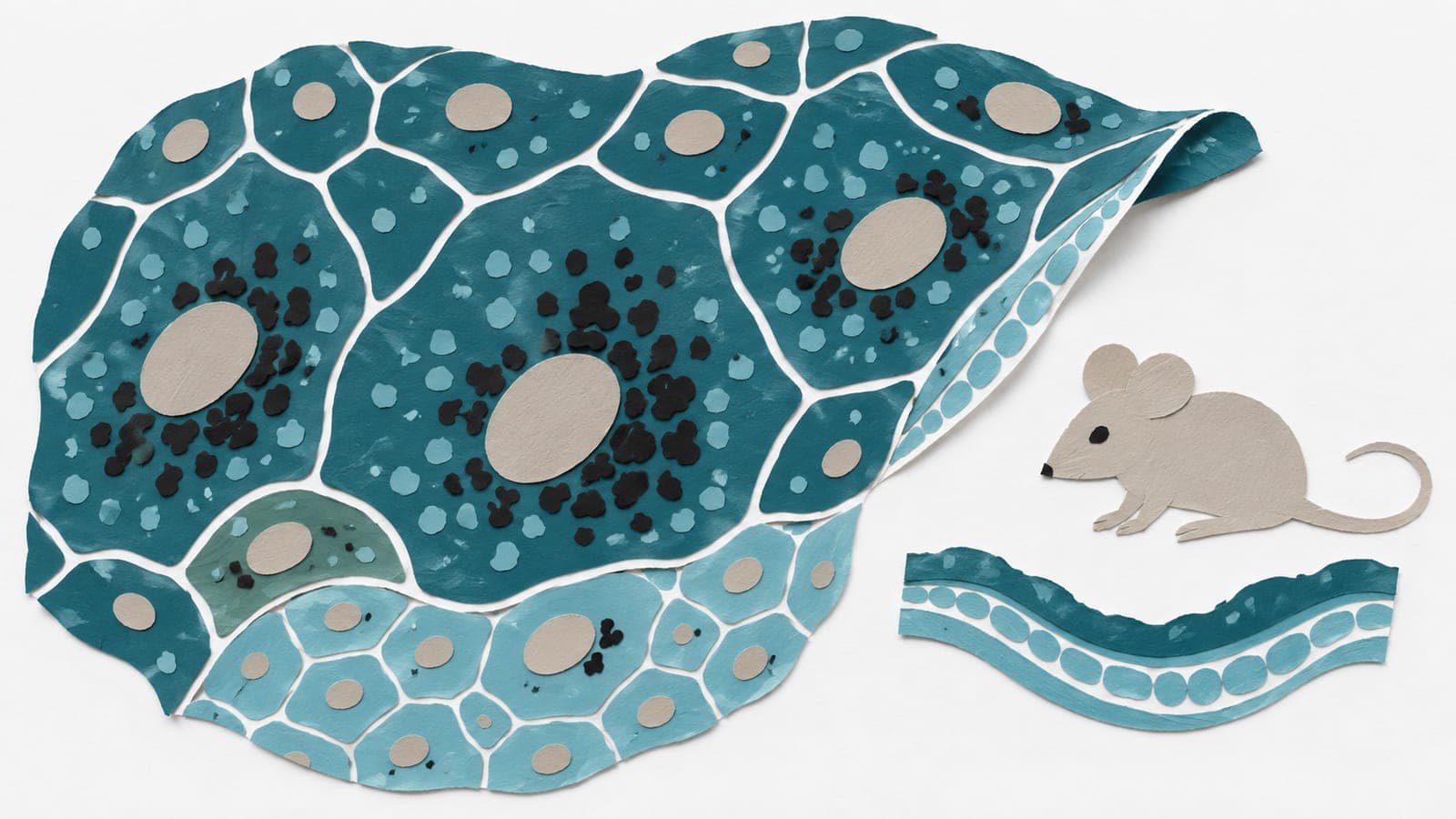
Human retinal pigment epithelium, a cell layer that supports the retina, showed lower levels of the serotonin 2A receptor with age. This protein responds to serotonin, a chemical messenger. In experiments, retinal pigment epithelium cells deficient in the receptor, or exposed to drugs that blocked it, developed weaker barriers and problems processing cellular waste. They also accumulated fatty substances and showed weakened antioxidant defenses and senescence, a state in which cells stop dividing.
Activating the receptor reduced the depletion of proteins that seal gaps between cells, oxidative stress—an imbalance between reactive molecules and antioxidant defenses—and senescence under high-sugar and fat-related stress. The authors suggested that age-related loss of the receptor may make these cells more vulnerable to metabolic stress.
Why it matters
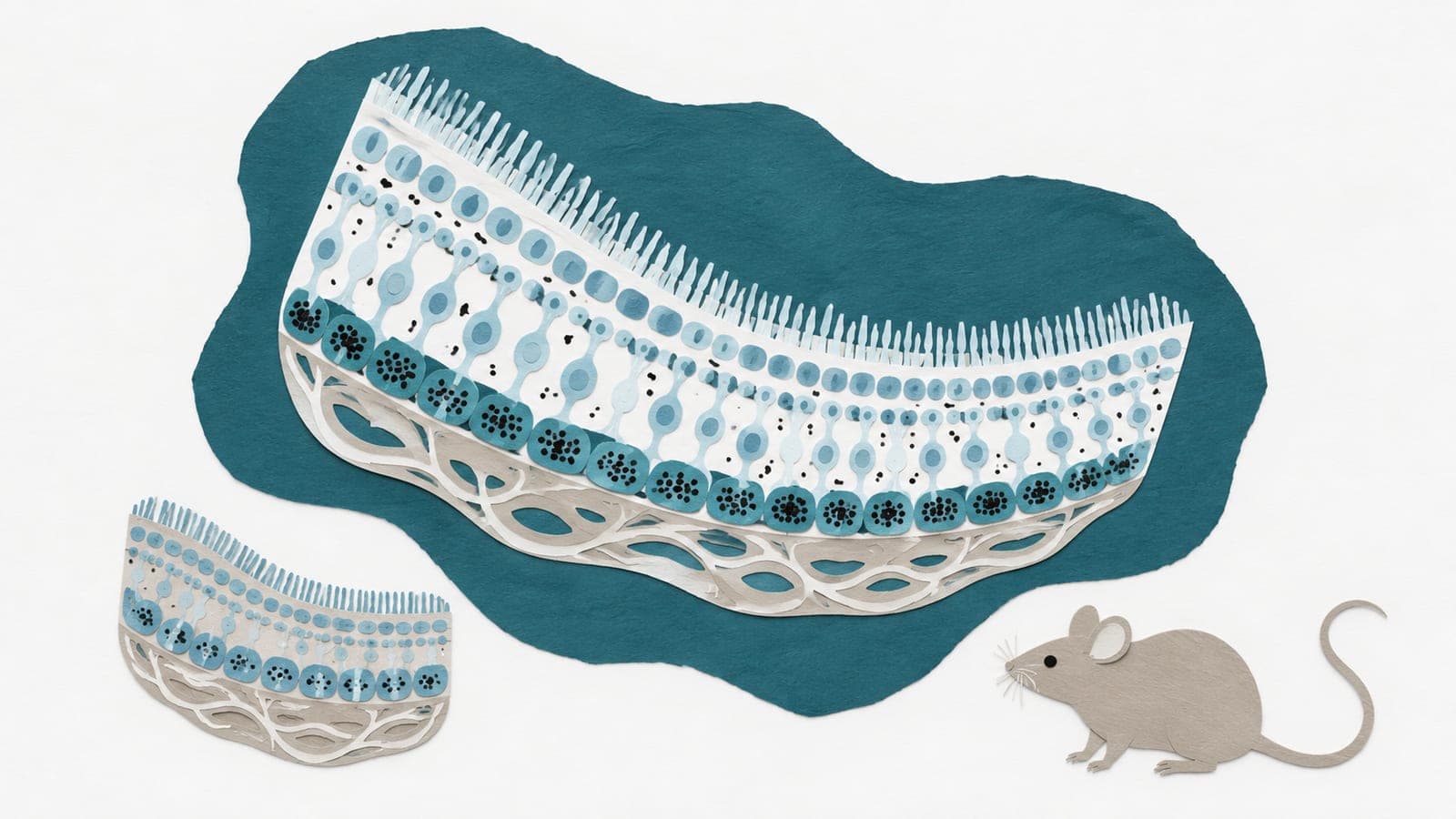
Age-related macular degeneration threatens sight as the retina’s supporting cells become dysfunctional. The authors suggest that activating this receptor may offer a strategy to protect those cells.
Caveats
Experiments in cells cannot show whether activating this receptor would preserve vision or prevent age-related macular degeneration in people.
Where the evidence stands
HTR2A
- 3 independent labs in 2 countries
- 165 trials, 69 with no results posted
- Funders: Coordenação de Aperfeiçoamento de Pessoal de Nível Superior and 5 more
- 95 of 165 trials sponsored by developers of drugs aimed at it
Cellular senescence
- 868 independent labs in 75 countries
- 522 findings against
- 52 trials, 15 with no results posted
- Funders: National Natural Science Foundation of China and others
- 698 of 9,991 findings with company ties
- 50 of 52 trials sponsored by developers of drugs aimed at it
The paper
Thomas Edward Galbato, Maria Dulfary Sanchez-Pino, Diana M Battaglia et al.
Frontiers in Aging, Nov 16, 2026, CC BY, Accepted, not yet published
Comments
Be the first to comment.