Skip to content
AgingResearch.News app

AgingResearch.NewsFree on Google Play

Open app
AgingResearch.News
  • HomeHome
  • SearchSearch
  • AskAsk
  • FollowingFollowing
  • SavedSaved
Join freeSign inSign inSign in
AgingResearch.NewsJoin free
  • Top
  • Latest
  • For you

Latest: Animals · Preprints · Open access

Filter

Clear filters

Evidence

  • All
  • Prevention & practice
  • Human trials
  • Human studies
  • Animals
  • Model organisms
  • Cells
  • In silico
  • Reviews

Status

  • All
  • Peer-reviewed
  • Preprints
  • All
  • Most significant
  • All
  • Open access
  • All
  • Prevention & practice
  • Human trials
  • Human studies
  • Animals
  • Model organisms
  • Cells
  • In silico
  • Reviews
  • All
  • Most significant
  • All
  • Open access
Status
  • All
  • Peer-reviewed
  • Preprints
FooterIn your assistantComparePrivacyTermsAboutStandardsContactRSSPricingFollow on X© 2026 AgingResearch.News
Sidebar

    Join AgingResearch.News

    Free: every story, saved papers, follows, the weekly email and 3 questions a day to Ask.

    Continue with email

    By continuing, you agree to our Terms and Privacy Policy.

    News

    See allSee all news
    Engineered gut bacteria increase bile acid deconjugation, improving aged mice’s metabolic healthResearchGEN +5Engineered gut bacteria increase bile acid deconjugation, improving aged mice’s metabolic healthLater-born generations reach old age with better memory and slower declineResearchMedical Xpress +1Later-born generations reach old age with better memory and slower declineCastration at 240 days extends median lifespan 32.9% in male UM-HET3 miceResearchFight Aging! +1Castration at several ages extends male lifespan and reveals age-dependent effects of testicular factors on survival.

    Trials

    See allSee all trials
    Modulation Effects of Baduanjin Exercise on Subjective Cognitive DeclineResults posted Nov 6, 2026, Massachusetts General HospitalPsilocybin Effects on Healthy Aging Biomarkers and Purpose in LifePhase 1Now recruiting Nov 17, 2026, Charles RaisonPhase I Trial of a Single Administration of aKLmRNA-Mediated Protein Replacement TherapyPhase 1Now recruiting Nov 12, 2026, Klothea Bio Inc

    Trending

    See allSee all trending stories
    SLEEPGeneOlder adults had weaker brain fluid flow waves during sleepBilobetinInterventionBilobetin eased infection-driven immune aging in miceMizagliflozinInterventionFirst trial results posted: Effect of Mizagliflozin Repeat Dosing on Adverse Events and Postprandial Glucose…LY3437943InterventionFirst trial results posted: A Study of Retatrutide (LY3437943) on Renal Function in Participants With Overweight or…Royal jellyInterventionRoyal jelly increased stem cell activity in aged miceImmune responseProcessIn the news: 9 stories this week. Immune signal keeps brown fat in a low-heat state in mice, and 1 more story this week

    Topics

    See allSee all topics
    Mechanisms386Interventions832Biomarkers544Populations822AI & data163Industry & policy36SupplementsPeptidesProtocols
    Footer
    • In your assistant
    • Compare
    • Privacy
    • Terms
    • About
    • Standards
    • Contact
    • RSS
    • Follow on X
    • © 2026 AgingResearch.News

    TodayTue, Nov 17Tuesday, November 177 papers

    bioRxiv·5 h

    Gene deletion eased osteoarthritis but hindered bone growth in mice

    Cartilage-specific gene deletion reduced obesity-associated disease in male and female mice but disrupted bone growth when done early after birth.Cartilage-specific gene deletion reduced obesity-associated disease in male and female mice but disrupted bone growth when done early after birth.
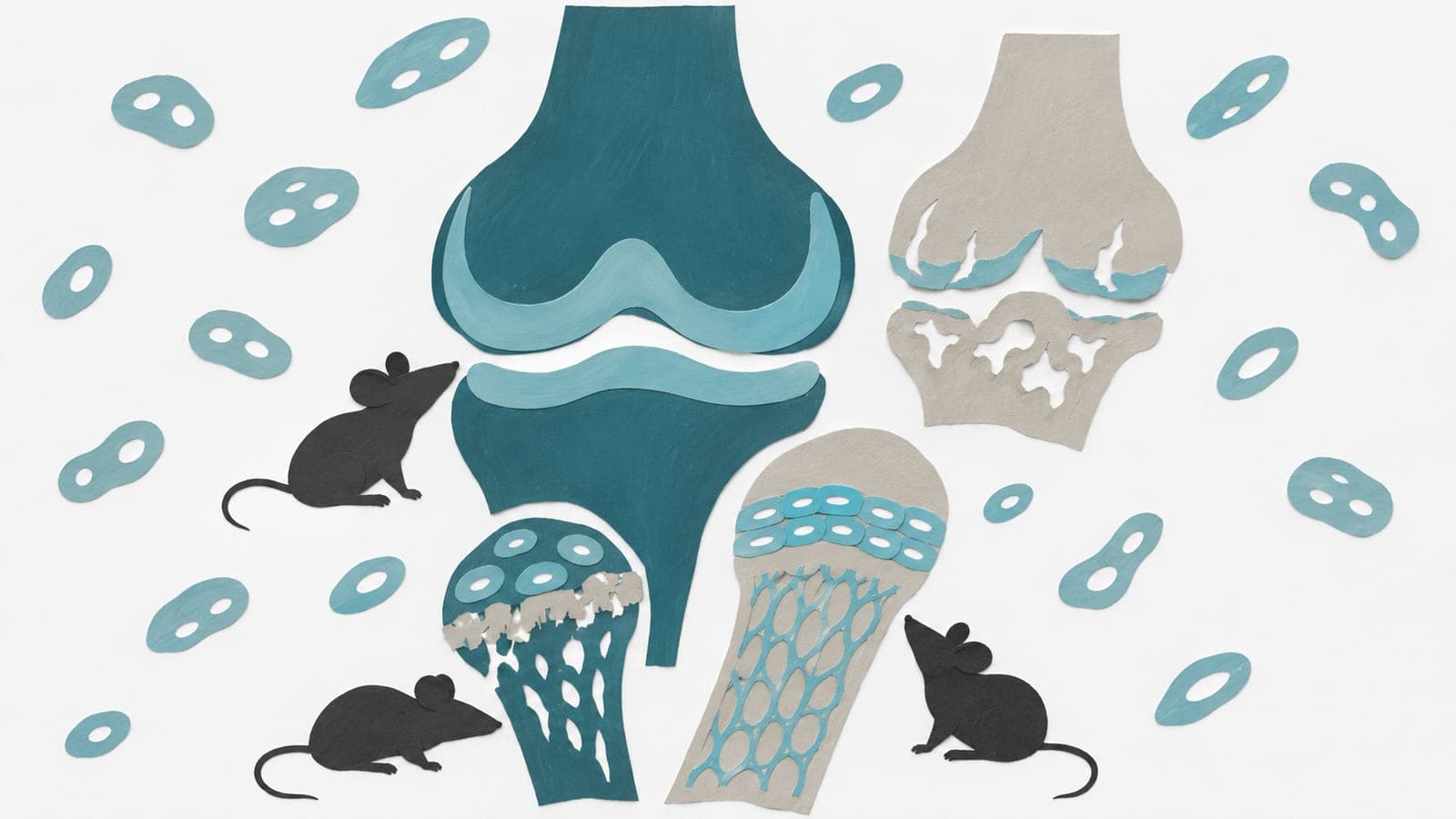
    Knee joints with smooth versus eroded cartilage sit among mice and scattered cells, above shorter disrupted bone and longer bone with orderly growth tissue.
    Preprint: mouse studyBones and joints
    Who was studiedMale and female mice
    What changedCartilage-specific gene deletion reduced cartilage damage and pain-related sensitivity in mice with obesity-associated osteoarthritis
    The catchPain benefit rests on pain-related sensitivity, a proxy for experienced pain
    Paper
    bioRxiv·6 h

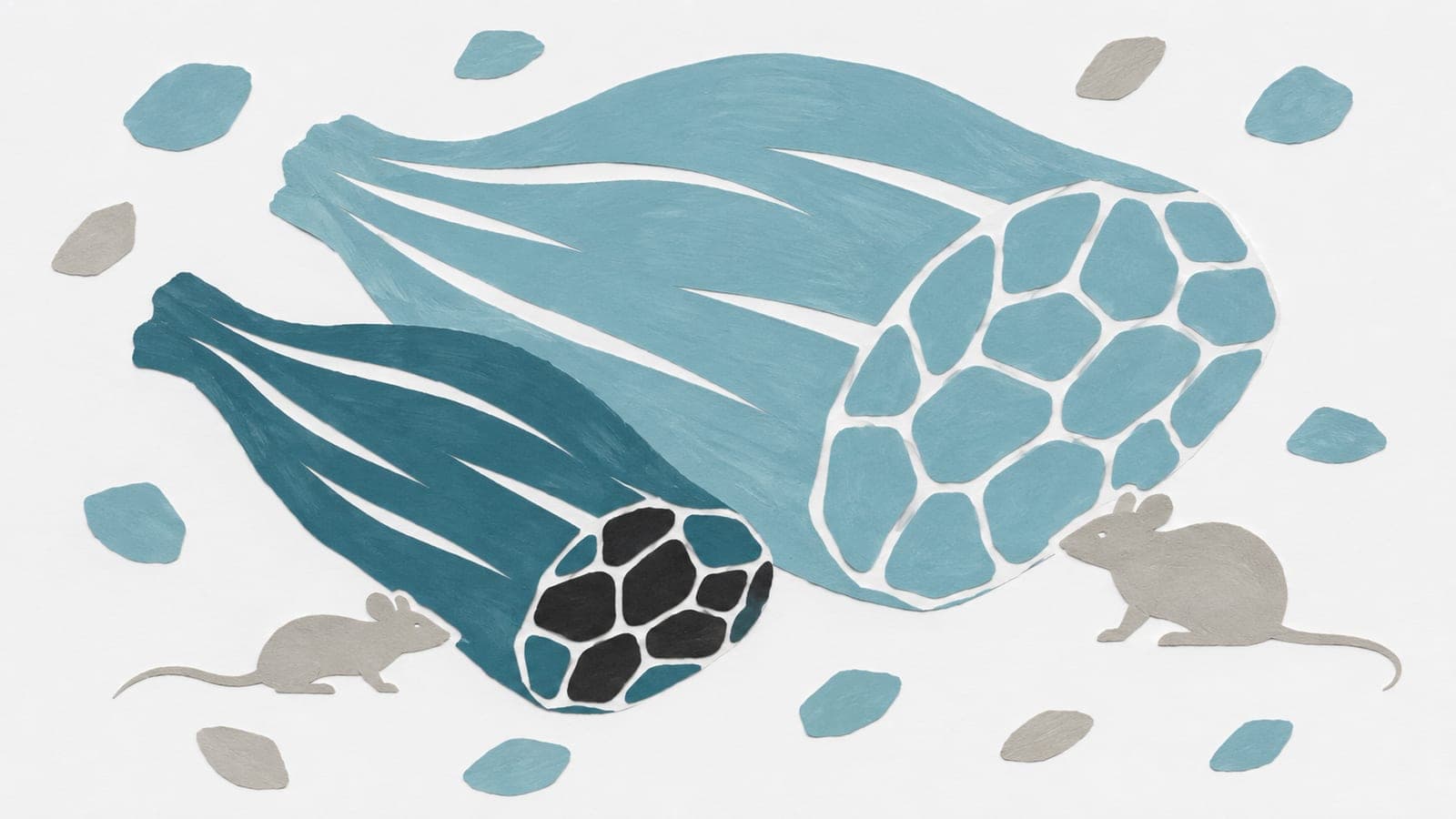
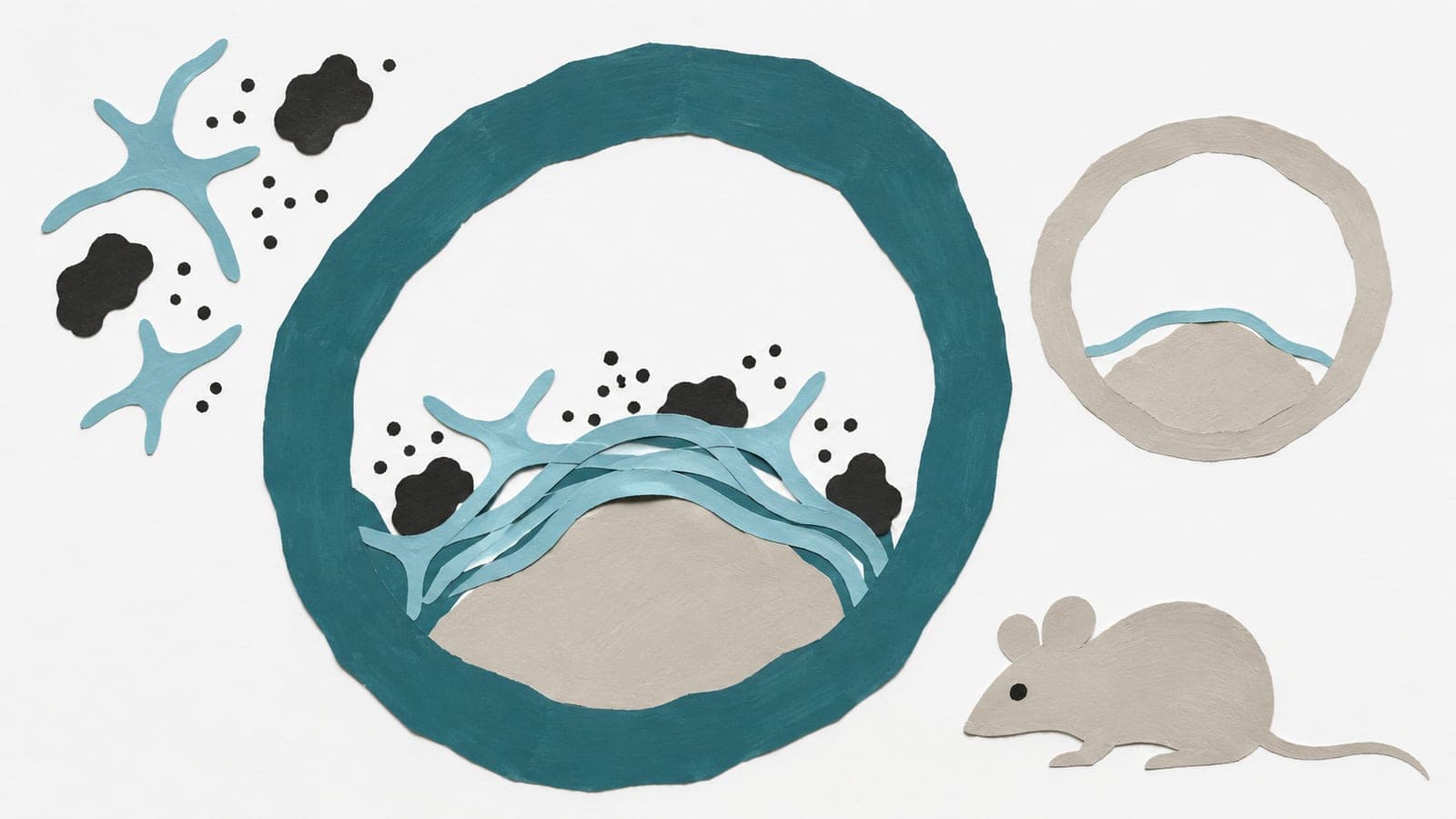
    Alzheimer's model mice fare worse in strength tests at middle age

    An experiment in male mice found poorer strength-test performance in middle-aged Alzheimer's model mice than controls, despite preserved muscle size and general motor…An experiment in male mice found poorer strength-test performance in middle-aged Alzheimer's model mice than controls, despite preserved muscle size and general motor performance.

    Skeletal muscles with disrupted and orderly fibers sit beside spinal cord sections with and without deposits, accompanied by a laboratory mouse.
    Preprint: mouse studyMechanisms
    Who was studiedAdult and middle-aged male mice, against age-matched wild-type mice
    What changedMiddle-aged Alzheimer's model mice performed worse on strength tests than age-matched wild-type mice
    The catchThe experiment did not separate muscle and spinal cord contributions to poorer strength-test performance
    Paper
    bioRxiv·6 h

    Gut nerve cells develop signs of cellular aging in mice

    At 24 months, approximately 25–30% of mouse gut nerve cells carried a marker of senescence, a state in which cells stop dividing.At 24 months, approximately 25–30% of mouse gut nerve cells carried a marker of senescence, a state in which cells stop dividing. Mice aged 2, 13–15 and 22–24 months were studied in experiments on nerve cells from the jejunum…

    Gut nerve cells spread across intestinal tissue, with sparse enlarged cells bearing dark clusters beside dense smaller cells and a laboratory mouse.
    Preprint: mouse studyGut and microbiome
    Who was studiedMice of different ages, against young mice
    What changedWith age, gut neurons developed aging signs: approximately 25-30% expressed the senescence marker p21 at 24 months
    The catchThe age-group comparisons did not assess whether senescence-like changes caused digestive problems
    Paper
    bioRxiv·7 h

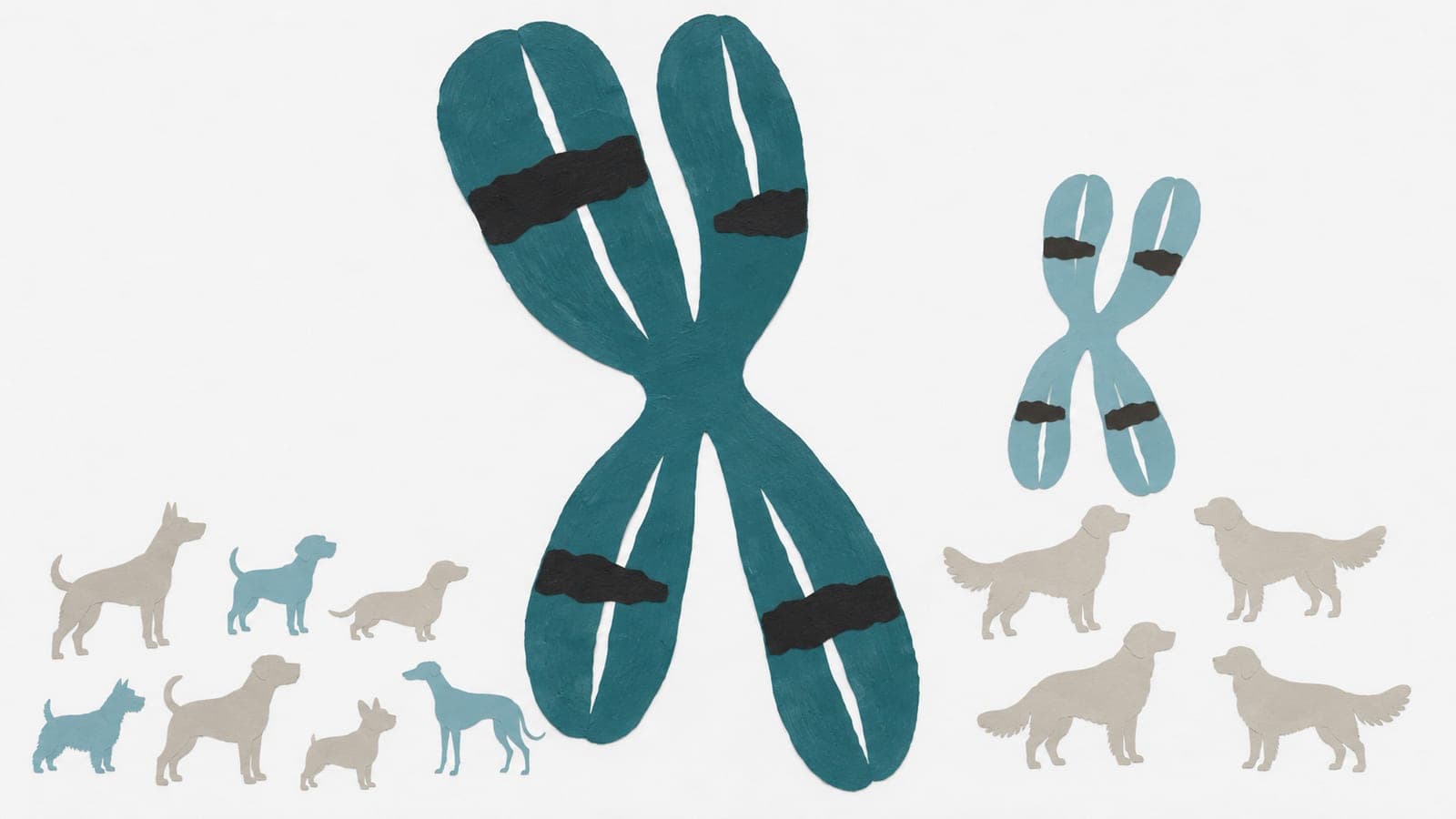
    DNA differences linked to dog lifespan beyond breed size

    Three genetic regions linked to age at death in 540 dogs from 27 breeds also showed associations in 3,024 Golden Retrievers.Three genetic regions linked to age at death in 540 dogs from 27 breeds also showed associations in 3,024 Golden Retrievers. A group of 540 dogs from 27 breeds, with 20 dogs per breed, formed the discovery cohort for genome-wide…

    Chromosomes with matching dark bands rise above dogs of varied sizes on the left and a group of similarly sized retrievers on the right.
    Preprint: genetic association studyPopulations
    Who was studied540 dogs from multiple breeds
    What changedThree DNA regions were linked to dogs' age at death beyond breed-average weight, with associations replicated in Golden Retrievers
    The catchNearby DNA variants inherited together could account for the lifespan associations
    Paper
    bioRxiv·10 h

    Long-term low-intensity vibration attenuates age-associated adipogenic bias and enhances osteogenic potential in mesenchymal stem cells

    Preprint: experiments in miceInterventions
    Paper
    bioRxiv·10 h

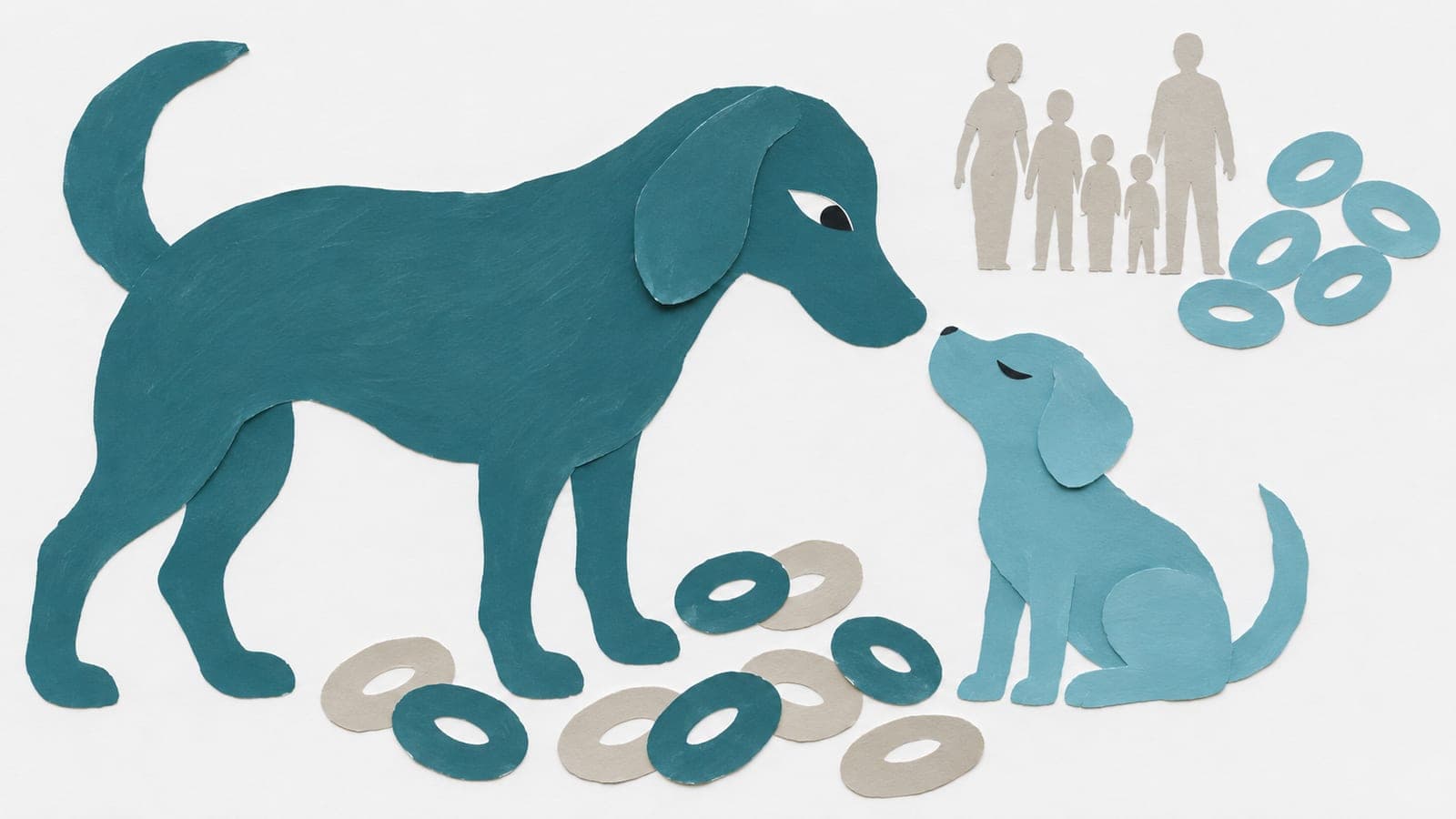
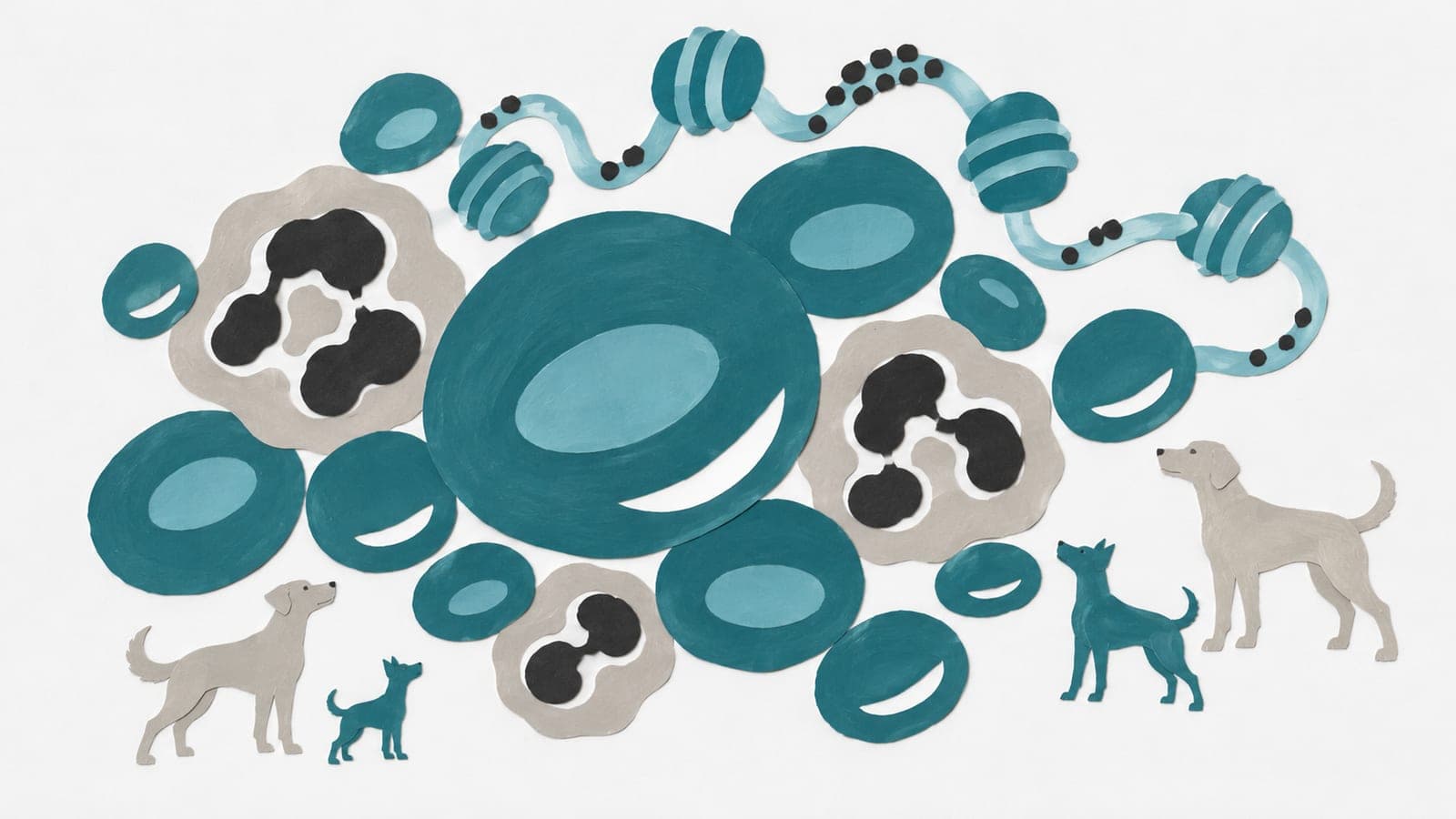
    Dogs’ human-equivalent ages vary by life stage and body system

    An analysis of 11,365 observations across humans, 11 species in the dog family and 171 dog groups found different timelines for biological processes.An analysis of 11,365 observations across humans, 11 species in the dog family and 171 dog groups found different timelines for biological processes.

    An adult dog with an open eye faces a smaller puppy with a closed eye, beside clusters of blood cells and small human figures of different heights.
    Preprint: experiments in animalsBiomarkers
    Who was studiedHumans and canids, against humans
    What changedDogs’ human-equivalent ages varied by life stage and body system, with faster development after birth than humans
    The catchThe comparisons did not identify mechanisms setting biological timelines
    Paper
    bioRxiv·13 h

    Aging linked to blood and brain changes in chimpanzees

    A cross-sectional study of 154 chimpanzees aged 12–57 found age-related blood and brain patterns resembling those seen in humans.A cross-sectional study of 154 chimpanzees aged 12–57 found age-related blood and brain patterns resembling those seen in humans. The researchers measured six Alzheimer’s-related markers in blood samples from 154 animals and used…

    Chimpanzee brain sections show thinner and fuller outer layers beside a chimpanzee and blood plasma samples with dense and sparse protein markers.
    Preprint: cross-sectional studyMechanisms
    Who was studied154 chimpanzees
    What changedOlder chimpanzees had higher Alzheimer’s-related blood markers, thinner cortices, and lower gray matter volume
    The catchWithin-animal changes in blood markers and brain structure were not measured
    Paper

    YesterdayMon, Nov 16Monday, November 165 papers

    bioRxiv·Yesterday

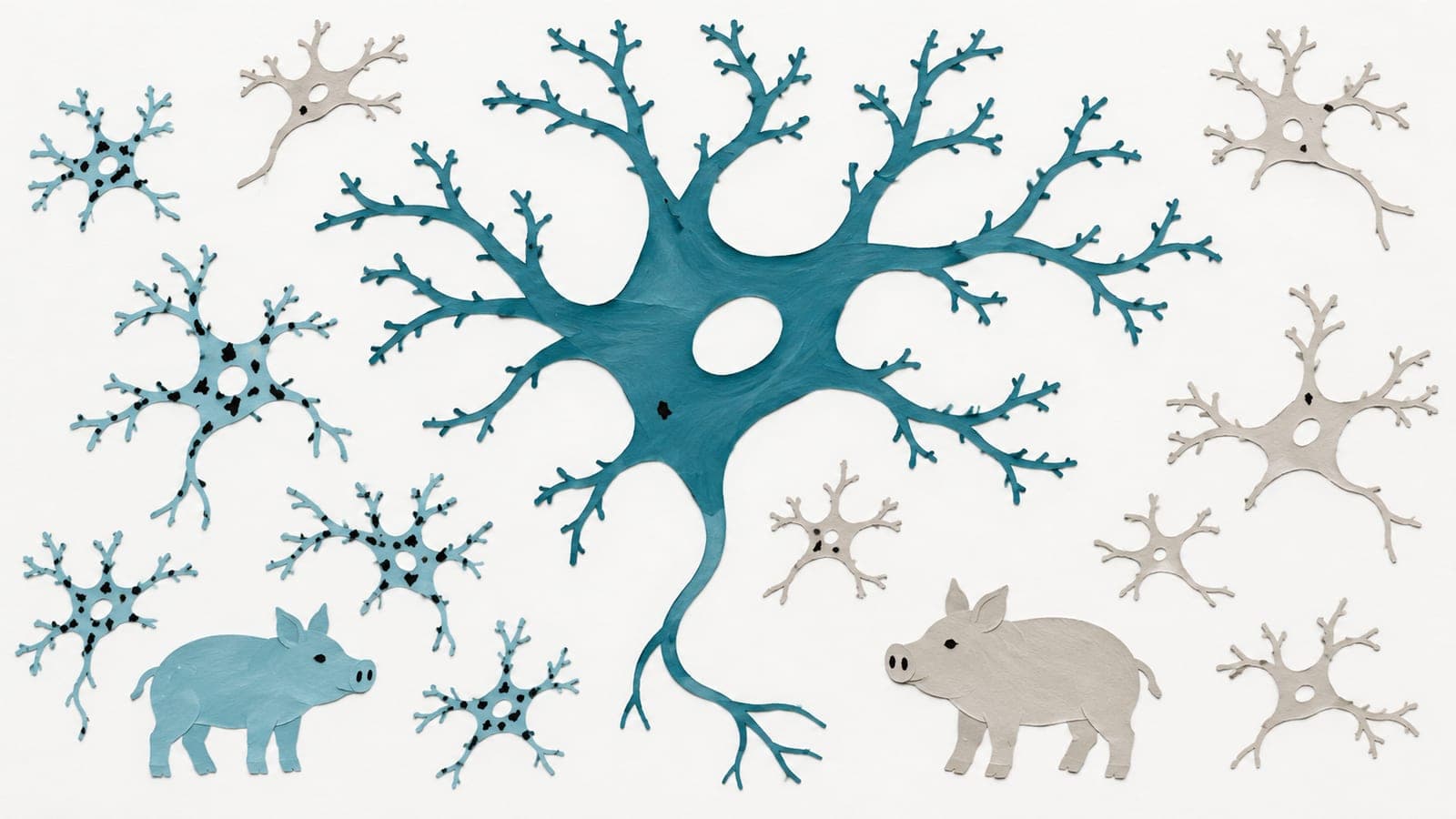
    Older minipigs modeling Huntington’s show more gene activity changes

    Gene activity differed from unmodified minipigs for seven genes at age 4 and 3,324 at age 8. Genetically modified minipigs modeling Huntington’s disease were compared…Gene activity differed from unmodified minipigs for seven genes at age 4 and 3,324 at age 8. Genetically modified minipigs modeling Huntington’s disease were compared with unmodified minipigs at ages 4 and 8 in an animal…

    A large branching neuron with sparse dark markers sits among smaller neurons with dense or sparse markers, with two minipigs below.
    Preprint: animal studyMechanisms
    Who was studiedTransgenic and wild-type minipigs, against minipigs aged 4 years
    What changedGene activity differences from wild-type minipigs increased from seven genes at 4 years to 3,324 at 8 years
    The catchThe model lacks somatic repeat expansion, a major driver of Huntington’s progression
    Paper
    bioRxiv·Yesterday

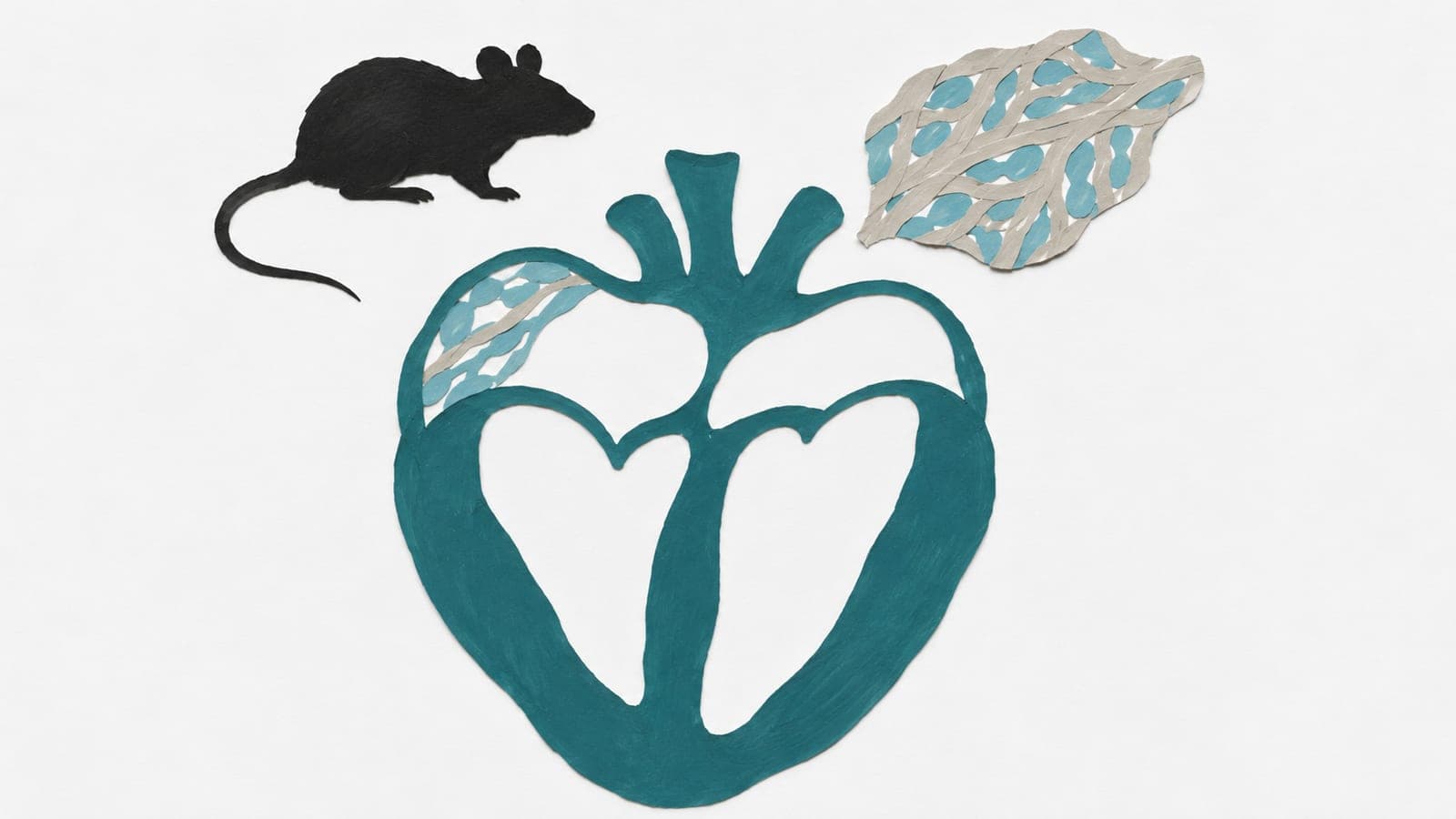
    Drug improved the heart’s natural pacemaker function in rats

    At the acute endpoint, efsubaglutide alfa raised heart rate to 372.76 beats per minute versus 312.64 in rats with pacemaker dysfunction without the drug.At the acute endpoint, efsubaglutide alfa raised heart rate to 372.76 beats per minute versus 312.64 in rats with pacemaker dysfunction without the drug.

    Heart cross-section with sparse fibers in its pacemaker tissue, beside a densely scarred tissue fragment and a laboratory rat.
    Preprint: rat studyInterventions
    Who was studiedRats with chemically induced pacemaker dysfunction
    What changedHeart rate rose to 372.76 beats per minute with efsubaglutide alfa versus 312.64 without the drug
    The catchPacemaker function after stopping treatment is not reported
    Paper
    bioRxiv·Yesterday

    Nicotinamide Riboside Attenuates inflammation in a mouse model of psoriasis

    Preprint: experiments in miceNicotinamide riboside
    Paper
    bioRxiv·Yesterday

    Loss of nuclear support proteins harms mouse hearts and arteries

    Median survival was 14.6% lower in artery-disease-prone mice lacking the proteins in blood-vessel-lining cells than in comparison mice.Median survival was 14.6% lower in artery-disease-prone mice lacking the proteins in blood-vessel-lining cells than in comparison mice. Mice genetically prone to fatty buildup in arteries underwent a gene-deletion experiment…

    An artery narrowed by fatty deposits and lined with irregular cell nuclei sits beside a clearer vessel, a scarred heart, and a small mouse.
    Preprint: mouse studyMechanisms
    Who was studiedArtery-disease-prone mice lacking endothelial lamin A/C, against comparison mice
    What changedMedian survival was 14.6% lower in mice lacking the proteins in blood-vessel-lining cells than in comparison mice
    The catchEffects of preserving lamin A/C during natural aging were not measured
    Paper
    bioRxiv·Yesterday

    Biological systems showed linked aging patterns in dogs

    A longitudinal analysis of 965 companion dogs found age dominated variation across measurements of microbes, DNA markings, blood chemicals and the immune system.A longitudinal analysis of 965 companion dogs found age dominated variation across measurements of microbes, DNA markings, blood chemicals and the immune system.

    Blood cells and immune cells sit beside dogs of different sizes, beneath a chromatin fiber with dense and sparse clusters of chemical marks.
    Preprint: cohort studyAI & data
    Who was studied965 companion dogs
    What changedBiological measurements were interconnected, and age dominated their variation
    The catchThe analysis measured cross-system links, not causal effects of one biological system on another
    Paper

    Sat, Nov 144 papers

    Research Square·Nov 14

    Direct Effects of Glucagon-Like Peptide-1 Receptor Ligands on Myocardial Function in Isolated Hearts from Streptozotocin-Induced Diabetic Rats

    Preprint: experiments in animalsInterventions
    Paper
    Research Square·Nov 14

    Cellular contractility-guided osteovascular organoids coordinate metabolic reprogramming and lactate shuttling

    Preprint: experiments in ratsInterventions
    Paper
    Research Square·Nov 14

    The Effects of Zinc Supplementation Combined with Metformin on Liver Lipid Metabolism in Mice with Type 2 Diabetes

    Preprint: experiments in miceZinc
    Paper
    bioRxiv·Nov 14

    Mechanical unloading and exercise volume differentially modulate the gut microbiome and intestinal gene expression in mice

    Preprint: experiments in miceExercise
    Paper

    Fri, Nov 135 papers

    bioRxiv·Nov 13

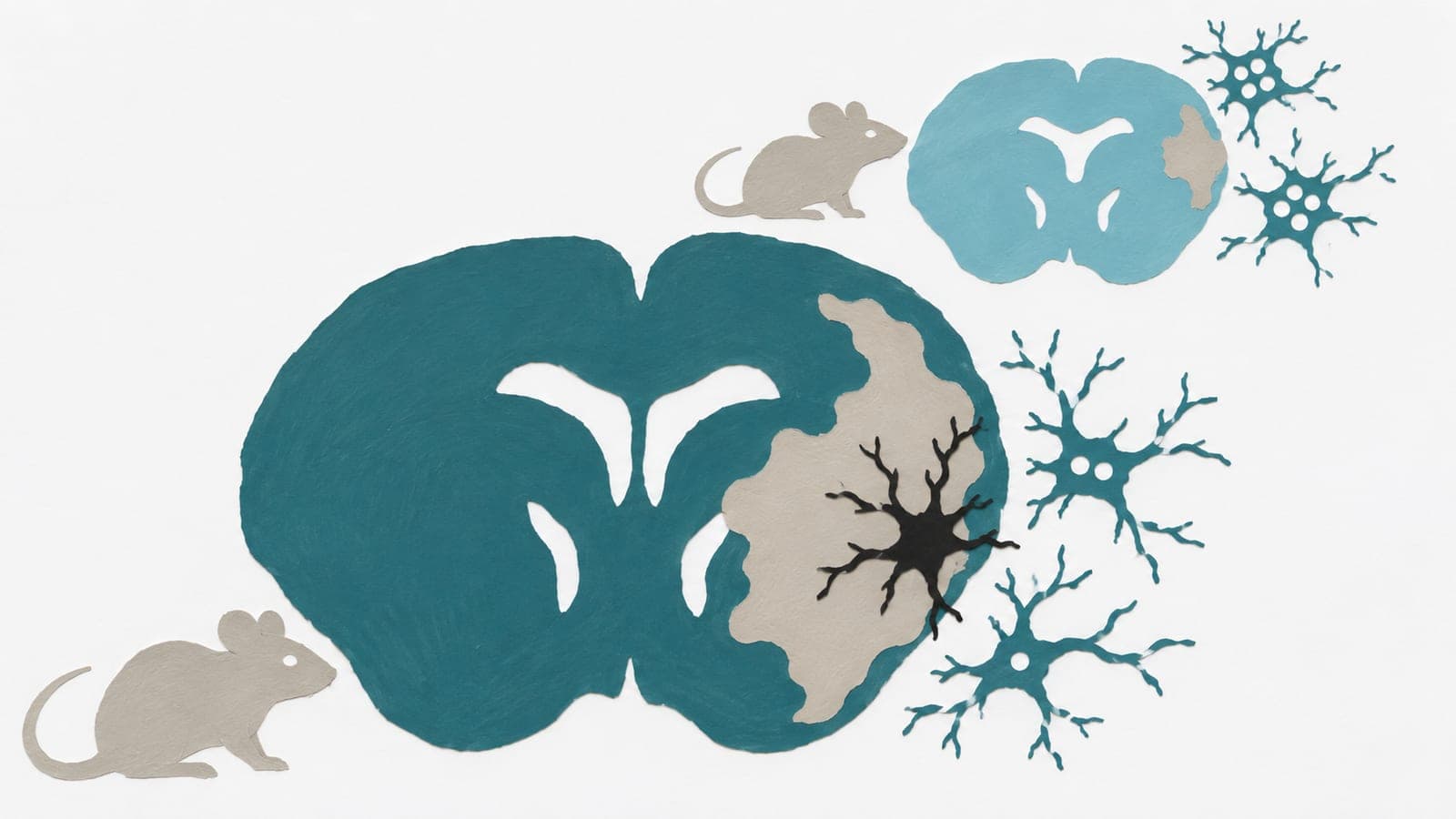
    Deleting two genes worsened stroke injury in male mice

    At 48 hours, males lacking the genes in brain immune cells had 2.2-fold larger areas of stroke damage than control males.At 48 hours, males lacking the genes in brain immune cells had 2.2-fold larger areas of stroke damage than control males. Fifteen-month-old mice underwent an animal experiment modeling stroke caused by blocked blood flow.

    Mouse brain sections show larger and smaller gray areas of stroke damage, beside laboratory mice and branching immune cells with sparse or numerous openings.
    Preprint: mouse studyMechanisms
    Who was studiedOlder male and female mice, 48 hours, against control males
    What changedAt 48 hours, males with the gene deletions had 2.2-fold larger areas of stroke damage than control males
    The catchGenes were deleted before stroke; effects of blocking signaling afterward were not measured
    Paper
    bioRxiv·Nov 13

    Bile acid reduced bone loss in mice with ovaries removed

    In a 45-day experiment, deoxycholic acid improved bone structure in mice whose ovaries had been removed to model bone loss after menopause.In a 45-day experiment, deoxycholic acid improved bone structure in mice whose ovaries had been removed to model bone loss after menopause.

    A sturdy dark blue-green bone cross-section with dense struts and small cells sits beside a fragile gray bone with broken struts and a small mouse.
    Preprint: mouse studyBone loss
    Who was studiedMice with ovaries removed, 45 days
    What changedDeoxycholic acid improved inner and outer bone structure in mice with ovaries removed
    The catchTreatment lasted only 45 days, leaving longer-term bone effects unmeasured
    Paper
    bioRxiv·Nov 13

    Brain activity shifts with age in vulnerable mouse circuits

    Brain recordings in young and old mice revealed disrupted activity patterns in vulnerable regions across two models of brain degeneration.Brain recordings in young and old mice revealed disrupted activity patterns in vulnerable regions across two models of brain degeneration. Young and old APP/PS1 mice, a model with widespread amyloid plaques, and control mice…

    Hippocampal tissue with unevenly clustered dark marks sits between two mice, beside smaller tissue sections with evenly spaced marks.
    Preprint: mouse studyMechanisms
    Who was studiedYoung and old disease-model and control mice, against control mice
    What changedBrain activity became more disrupted with age in vulnerable circuits of disease-model mice compared with controls
    The catchCriticality measures track network activity rather than directly measuring a circuit's information-processing capacity
    Paper
    bioRxiv·Nov 13

    Semaglutide may reduce muscle mass in older female mice

    Thigh muscle mass was 14.2% lower in older female mice given the higher semaglutide dose than in controls.Thigh muscle mass was 14.2% lower in older female mice given the higher semaglutide dose than in controls. Male and female C57BL/6J mice received semaglutide or control injections in an animal experiment after eating a high-fat…

    Thigh muscles with exposed fibers sit beside laboratory mice, a smaller dark blue-green muscle contrasting with a fuller pale muscle.
    Preprint: mouse studySemaglutide
    Who was studiedAged male and female mice, 3 weeks, against female controls
    What changedThigh muscle mass was 14.2% lower in older female mice given the higher semaglutide dose than in controls
    The catchTreatment lasted only 3 weeks, with no longer-term muscle measurements
    Paper
    bioRxiv·Nov 13

    The Xist locus on the X chromosome of males regulates cognition and metabolism despite minimal expression

    Preprint: experiments in miceMechanisms
    Paper

    Thu, Nov 1210 papers

    bioRxiv·Nov 12

    Estrogen loss reduced acetaminophen liver injury in mice

    Female mice given acetaminophen six months after ovary removal showed altered liver fats and sustained activity of a stress-defense protein.Female mice given acetaminophen six months after ovary removal showed altered liver fats and sustained activity of a stress-defense protein.

    Liver cells with large fat droplets remain intact beside damaged cells with smaller droplets, with a mouse beneath each tissue region.
    Preprint: mouse studyMechanisms
    Who was studiedFemale C57BL/6JOlaHsd mice, six months, against sham-operated mice
    What changedMice with long-term estrogen loss were less susceptible to acetaminophen liver injury than sham-operated mice
    The catchOnly overdose challenges were used, at 360 or 600 mg/kg acetaminophen
    Paper
    bioRxiv·Nov 12

    Reversible expression of a cartilage 'master regulator' during axolotl limb development and regeneration

    Preprint: experiments in axolotlsBones and joints
    Paper
    bioRxiv·Nov 12

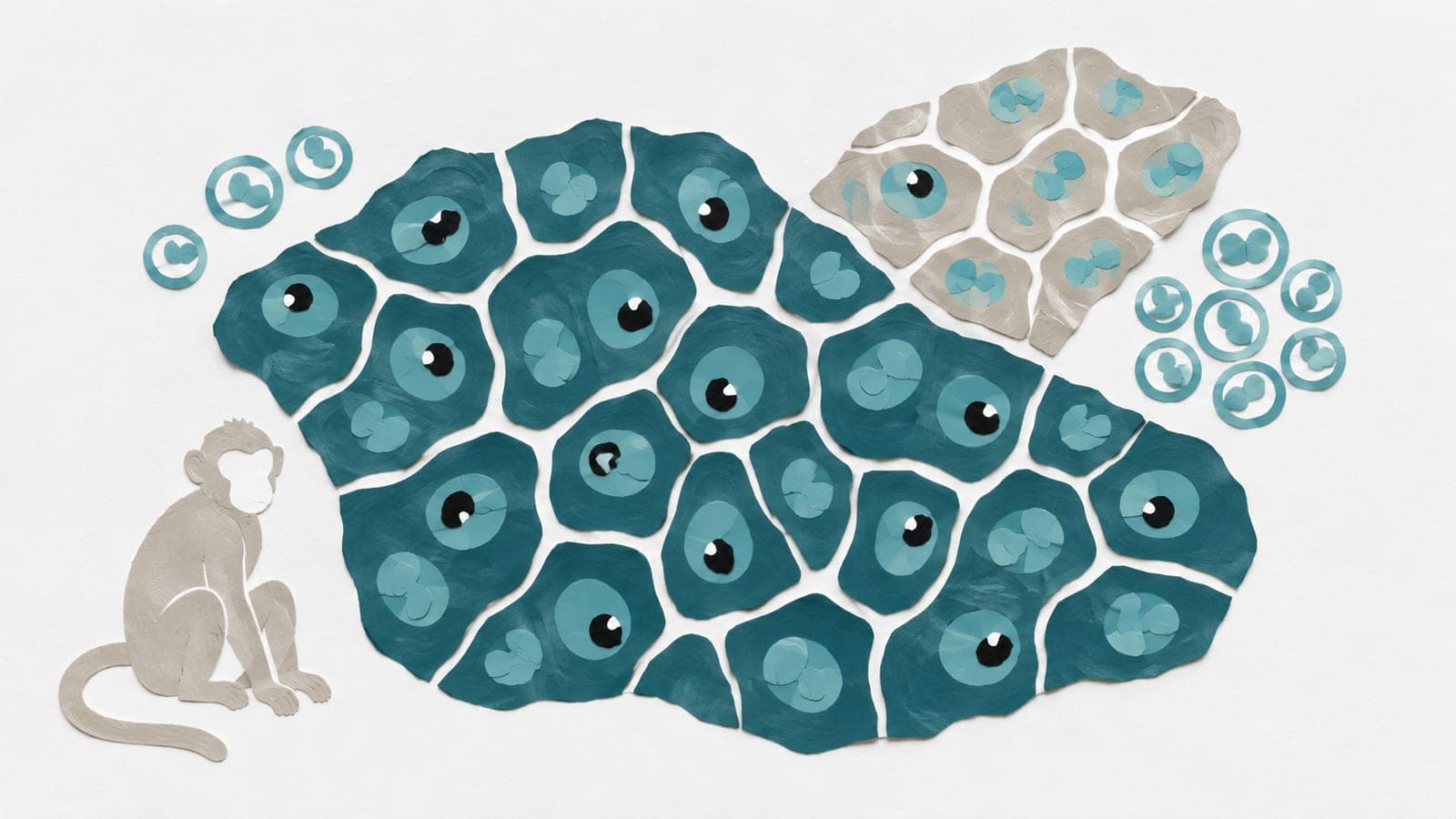
    Gene editor achieved more editing at lower doses in primate liver

    The animal experiment targeted two sites in nonhuman primate liver, with comparisons drawn from preclinical data on Cas9-based therapies.The animal experiment targeted two sites in nonhuman primate liver, with comparisons drawn from preclinical data on Cas9-based therapies. Nonhuman primates received instructions for making the X-Editor, an engineered CRISPR tool…

    Liver cells show many edits in dark blue-green tissue and fewer in gray tissue, with fewer fat particles beside the more edited cells and a monkey nearby.
    Preprint: animal studyInterventions
    Who was studiedNonhuman primates, against Cas9-based therapies in preclinical studies
    What changedEditing in primate liver was higher at lower doses with X-Editor than with Cas9-based therapies in separate preclinical data
    The catchThe comparison used separate preclinical Cas9 data rather than a head-to-head experiment
    Paper
    bioRxiv·Nov 12

    Bioinspired living nerve conduit with coupled physiological signals enables functional recovery of peripheral nerve

    Preprint: experiments in rodentsInterventions
    Paper
    bioRxiv·Nov 12

    Spatially patterned mitochondrial remodeling and metabolic changes during Muller glia-dependent retinal regeneration in zebrafish

    Preprint: experiments in zebrafishOxidative phosphorylation
    Paper
    bioRxiv·Nov 12

    Blood-cell mutations had opposite effects on breast tumors in mice

    As mice aged, mutations in the Dnmt3a gene prevented breast cancer progression, while mutations in the Tet2 gene drove it.As mice aged, mutations in the Dnmt3a gene prevented breast cancer progression, while mutations in the Tet2 gene drove it. The experiments modeled clonal hematopoiesis, the expansion of groups of blood cells carrying acquired…

    Breast tissue contains a dense tumor and a fragmented tumor surrounded by more immune cells, with small laboratory mice nearby.
    Preprint: mouse studyMechanisms
    Who was studiedMice with engineered blood-cell mutations
    What changedIn aging mice, Dnmt3a-mutant blood cells prevented breast cancer progression, while Tet2-mutant blood cells drove it
    The catchProgression of naturally arising breast tumors was not measured; tumors were implanted
    Paper
    bioRxiv·Nov 12

    Towards Understanding the Microenvironmental Control of Reindeer Antler Regeneration

    Preprint: experiments in animalsMechanisms
    Paper
    Research Square·Nov 12

    Differential Impact of Ovariectomy on Immune and Antioxidant Defenses in Wild- type and triple transgenic Alzheimer´s disease (3xTg-AD) mice: Protective role of voluntary exercise

    Effects of ovariectomy on innate spleen and thymus immune functions from 3xTg-AD and non-transgenic animals.
    Preprint: experiments in miceBlood and immune system
    Paper
    Research Square·Nov 12

    Effects of low-dose sildenafil on survival and age-associated phenotypes in the African turquoise killifish

    Preprint: experiments in killifishInterventions
    Paper
    Research Square·Nov 12

    Prenatal Stress Is Associated With a Sex-Specific Camkii Modulation in Aged Mouse Prefrontal Cortex

    Preprint: experiments in miceMechanisms
    Paper

    Wed, Nov 116 papers

    Research Square·Nov 11

    Diffusion Kurtosis Imaging Evaluates the Neuroprotective Effects of Low-Intensity Treadmill Exercise in a 6-OHDA-Induced Rat Model of Parkinson’s Disease

    Representative α-synuclein immunohistochemical images of the substantia nigra in the (A) Control, (B) Sham, (C) PD, and (D) Exercise groups.
    Preprint: experiments in 40 ratsInterventions
    Paper
    bioRxiv·Nov 11

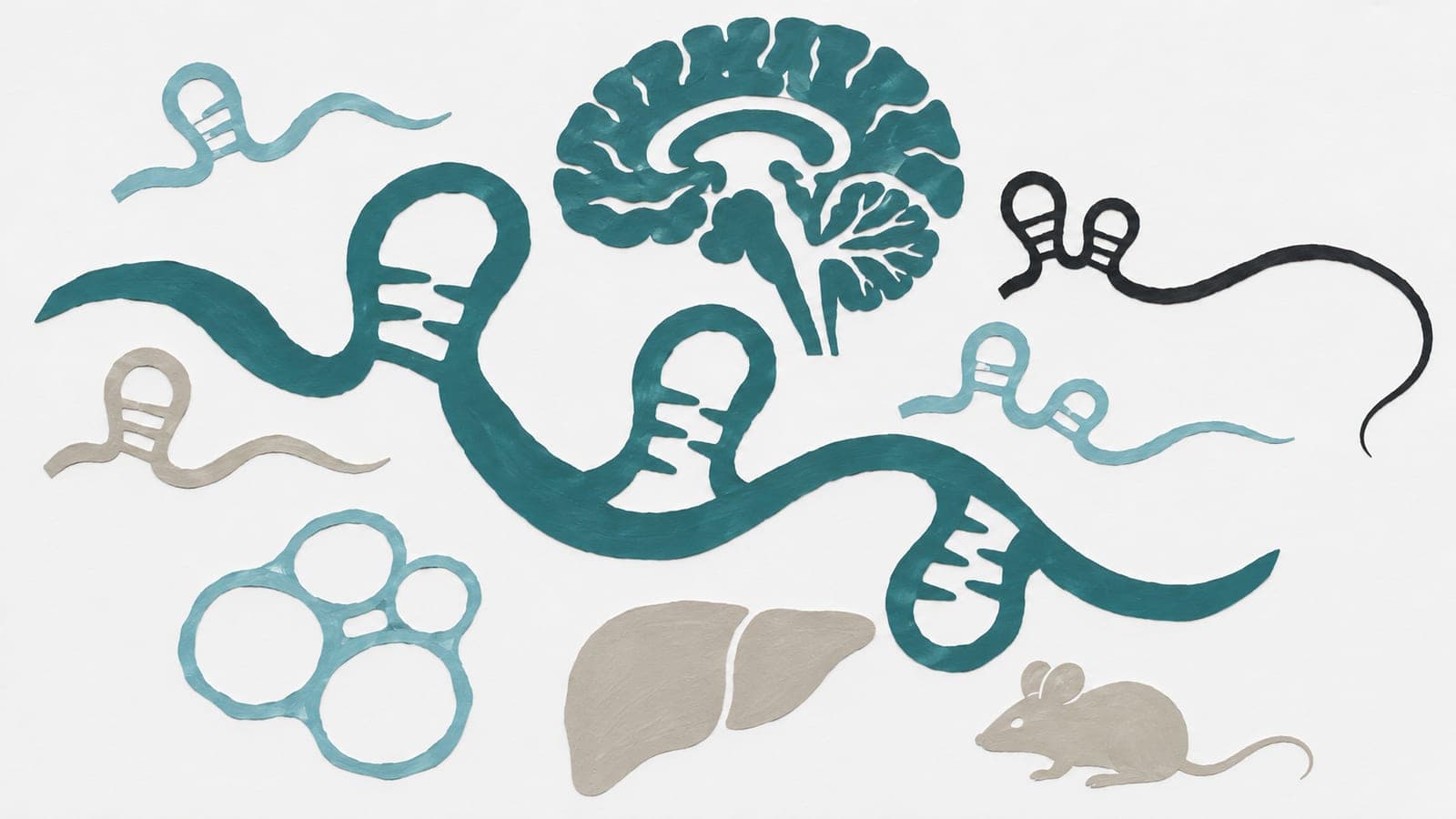
    Age-linked RNA shifts in mice mostly point to gene regulation

    Across mouse tissues, 36.5–42.6% of switches altered the predicted protein-coding sequence, while 11–18% involved RNA versions encoding an identical protein.Across mouse tissues, 36.5–42.6% of switches altered the predicted protein-coding sequence, while 11–18% involved RNA versions encoding an identical protein.

    RNA strands with looped folds and differing tail lengths sit beside a brain section, round fat cells, a lobed liver, and a laboratory mouse.
    Preprint: mouse studyAI & data
    Who was studiedNaturally aging mice and Ercc1 knockout mice
    What changedAcross mouse tissues, 36.5-42.6% of age-linked RNA switches altered the predicted protein-coding sequence
    The catchRNA features and computer predictions do not directly measure effects on tissue function
    Paper
    bioRxiv·Nov 11

    Dopamine availability peaked in adulthood in primates and rodents

    Lifespan measurements in primates and rodents also found age-dependent differences in how two signaling chemicals regulated dopamine release.Lifespan measurements in primates and rodents also found age-dependent differences in how two signaling chemicals regulated dopamine release.

    Branching nerve fibers have dense dopamine specks near an adult macaque and sparse specks near younger and older macaques, with nerve cells around them.
    Preprint: animal studyMechanisms
    Who was studiedPrimates and rodents
    What changedDopamine release capacity in primates and rodents peaked in adulthood
    The catchDopamine availability outside the striatum was not measured
    Paper
    bioRxiv·Nov 11

    Cell-to-cell signals help build artery plaque caps in mice

    In mice carrying a blood-cell mutation, activating an immune-cell protein promoted plaque cap formation through signals between immune cells and connective-tissue cells.In mice carrying a blood-cell mutation, activating an immune-cell protein promoted plaque cap formation through signals between immune cells and connective-tissue cells.

    Artery cross-sections show thick and thin fibrous caps over plaques, with branching connective-tissue cells, dark immune cells, signaling dots, and a mouse.
    Preprint: mouse studyMechanisms
    Who was studiedMice with low-level Jak2V617F clonal hematopoiesis
    What changedDeleting the signal receptor in fibroblast-enriched support cells abolished the plaque cap increase from TREM2 activation
    The catchPlaque structure was measured rather than health benefit
    Paper
    bioRxiv·Nov 11

    Heavier male mice had larger lifespan gains from interventions

    For weight-lowering interventions, median lifespan gains over controls rose from 6.2% in the lightest quarter of males to 20.2% in the heaviest.For weight-lowering interventions, median lifespan gains over controls rose from 6.2% in the lightest quarter of males to 20.2% in the heaviest.

    A broad-bodied mouse sits among many dark blue-green mice, fewer heavy gray mice, and equally sized groups of slender mice above.
    Preprint: mouse study · 33,780 miceInterventions
    Who was studied33,780 mice allowed to eat freely, against male mice in lightest weight quartile
    What changedWith weight-lowering interventions, male mice's median lifespan gains over controls rose from 6.2% in the lightest quarter to 20.2% in the heaviest
    The catchPoor control health could inflate apparent lifespan benefits in heavier mice
    Paper
    bioRxiv·Nov 11

    Peptide Sequence Determines the Efficacy of Single-Dose AAV-Vectorized GLP-1R Agonists in Diet-Induced Obese Mice

    Preprint: experiments in miceInterventions
    Paper

    Tue, Nov 101 paper

    Research Square·Nov 10

    Compact gene editor enables efficient DNA editing in mice

    Viral delivery of the editor in mice reduced a cholesterol-regulating protein by about 82% and LDL cholesterol by about 47%.Viral delivery of the editor in mice reduced a cholesterol-regulating protein by about 82% and LDL cholesterol by about 47%. Mouse zygotes—fertilized eggs at the one-cell stage—and mice were used in experiments testing PIVOT, a…

    Mouse livers beside a laboratory mouse, with sparse protein and cholesterol particles around the dark blue-green liver and dense particles around the gray…
    Preprint: mouse studyInterventions
    Who was studiedMice and mouse zygotes
    What changedCirculating PCSK9 fell by about 82% after virus-based delivery of the editor in mice
    The catchCirculating PCSK9 reduction is a proxy for DNA-editing efficiency
    Paper

    Mon, Nov 9

    bioRxiv·Nov 9

    Gene variants shape antioxidant defenses in aging mouse brains

    Experiments in mice carrying human ApoE4 found lower antioxidant protein levels in youth and accumulating products of fat oxidation with age.Experiments in mice carrying human ApoE4 found lower antioxidant protein levels in youth and accumulating products of fat oxidation with age.

    Mouse brain sections with branching cells and sparse proteins, one filled with dark oxidized fat fragments and one without, beside a small mouse.
    Preprint: mouse studyMechanisms
    Who was studiedMice carrying human versions of APOE
    What changedYoung humanized ApoE4 mice had lower antioxidant protein abundance before detectable oxidative damage
    The catchAntioxidant defenses were measured; brain degeneration was not measured
    Paper
    bioRxiv·Nov 9

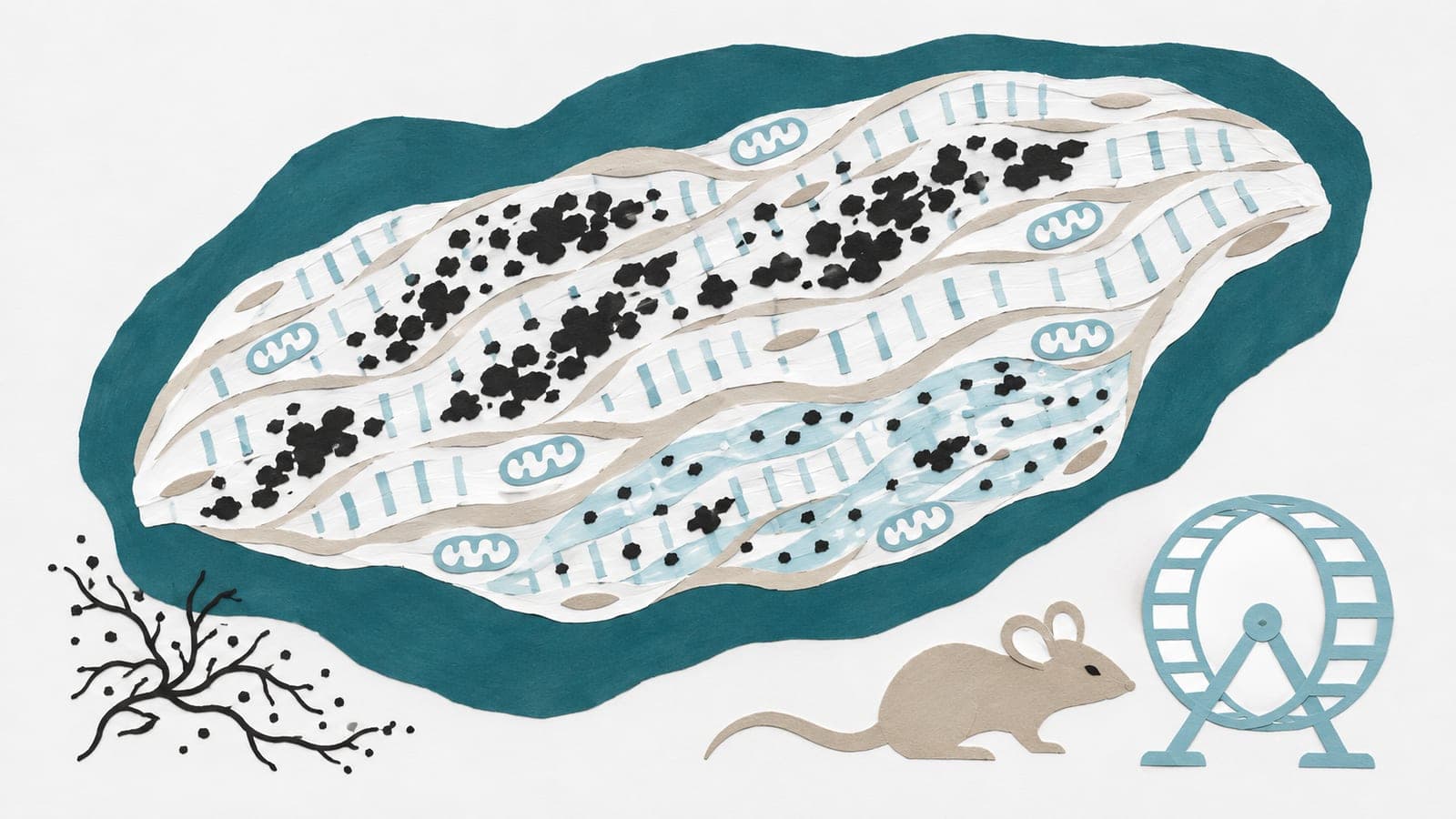
    Aged skeletal muscle shows shifts in protein solubility

    In skeletal muscle, exercise and the drug rapamycin partly reversed age-related shifts in protein solubility, which were greater in females.In skeletal muscle, exercise and the drug rapamycin partly reversed age-related shifts in protein solubility, which were greater in females.

    Skeletal muscle fibers contain clustered and dispersed proteins, with mitochondria between them and a mouse, exercise wheel, and branching bacteria nearby.
    Preprint: experiments in animalsMuscle
    Who was studiedSkeletal muscle samples of unspecified species
    What changedAging shifted lower-abundance muscle proteins between soluble and insoluble forms, with greater changes in females
    The catchProtein solubility changes do not directly measure muscle function
    Paper