Aging linked to blood and brain changes in chimpanzees
A cross-sectional study of 154 chimpanzees aged 12–57 found age-related blood and brain patterns resembling those seen in humans.

Our read
Mechanisms- Studied:
- Preprint: cross-sectional study of 154 chimpanzees
- What changed:
- Older chimpanzees had higher Alzheimer’s-related blood markers, thinner cortices, and lower gray matter volume
- The catch:
- Within-animal changes in blood markers and brain structure were not measured
- In the record:
- One of 371 papers on amyloid-beta 42 on record: 84 with results in people, 21 in animals.
Editor of record: Boris Djordjevic · AgingResearch.News
Chimpanzees (Pan troglodytes) aged 12–57 were studied in a cross-sectional analysis of blood markers and brain structure. The researchers measured six Alzheimer’s-related markers in blood samples from 154 animals and used magnetic resonance imaging to assess brain structure.
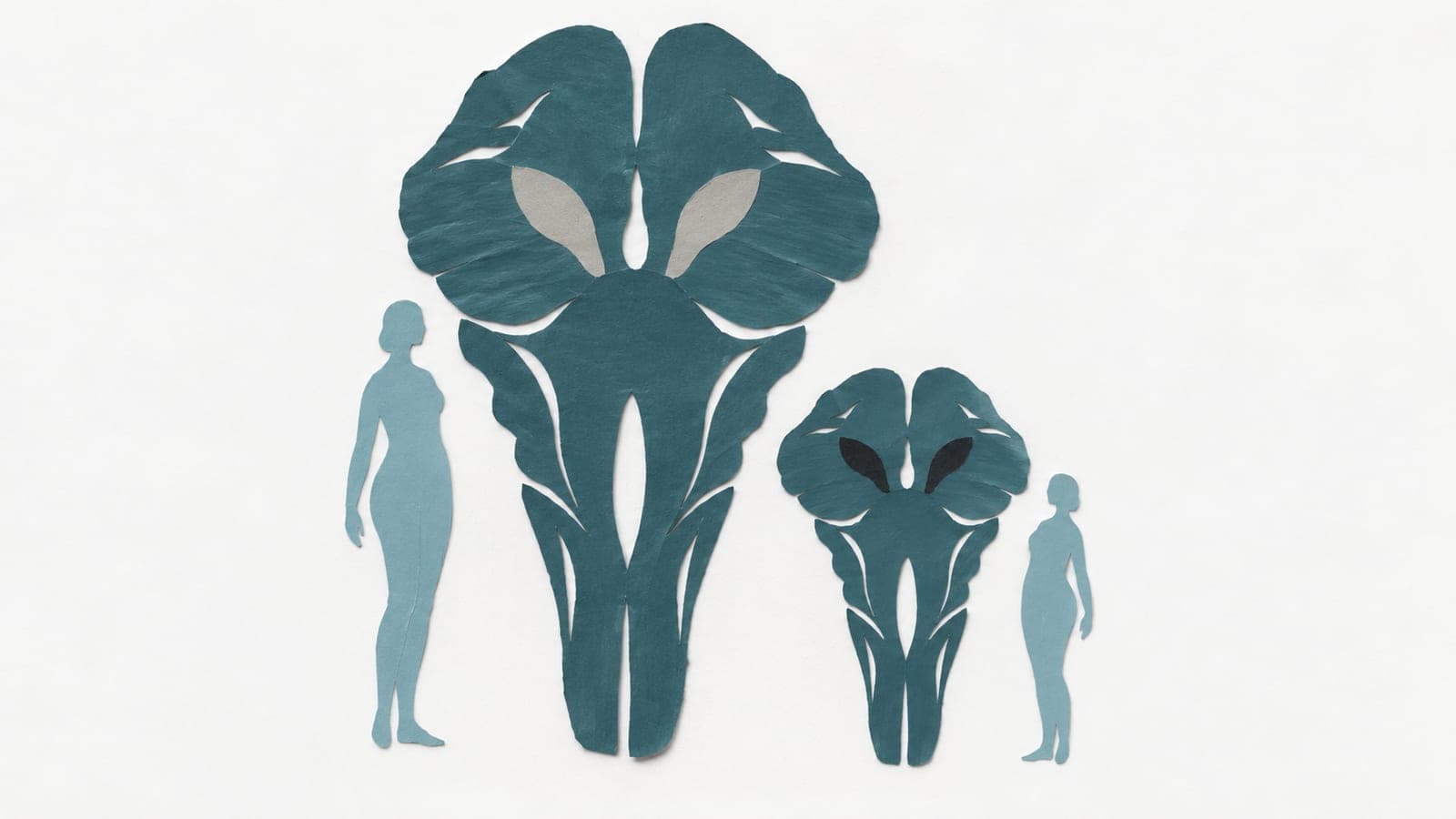
Older chimpanzees had higher levels of all six blood markers linked to Alzheimer’s disease and related dementias. They also had a thinner cortex, the brain’s outer layer, and lower gray matter volume. Gray matter is brain tissue rich in nerve-cell bodies. The authors reported that these age-related patterns resembled those seen in humans.
Why it matters
Age is a major risk factor for Alzheimer’s disease and related dementias. The authors view chimpanzees as a bridge between rodent models and humans for studying aging and these conditions.
Caveats
The cross-sectional measurements compared chimpanzees of different ages rather than tracking changes within individual animals. The findings are from a preprint that has not been peer-reviewed.
- Alzheimer's disease
- Alzheimer's disease-related dementias
- Amyloid-beta 40
- Amyloid-beta 42
- Amyloid-beta 42/40 ratio
- P. troglodytes
The paper
Kent State University
bioRxiv, Nov 17, 2026, Open access, Preprint, not yet peer-reviewed
Comments
Be the first to comment.