Age-linked RNA shifts in mice mostly point to gene regulation
Across mouse tissues, 36.5–42.6% of switches altered the predicted protein-coding sequence, while 11–18% involved RNA versions encoding an identical protein.

Our read
AI & data- Studied:
- Preprint: experiments in naturally aging mice and Ercc1 knockout mice
- What changed:
- Across mouse tissues, 36.5-42.6% of age-linked RNA switches altered the predicted protein-coding sequence
- The catch:
- RNA features and computer predictions do not directly measure effects on tissue function
- In the record:
- One of 25 papers on IGHM on record: none yet with results in people, 3 in animals.
Editor of record: Boris Djordjevic · AgingResearch.News
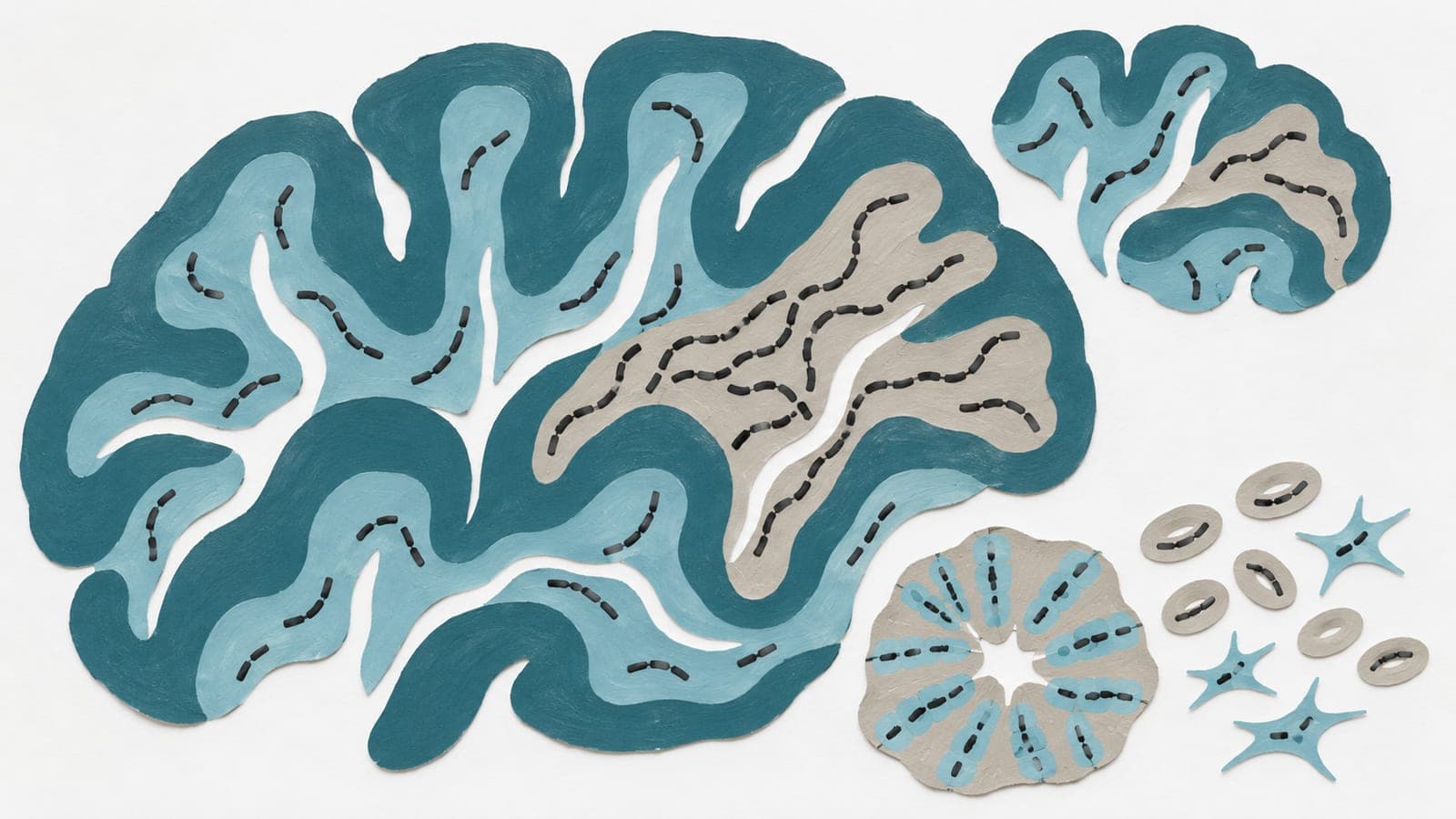
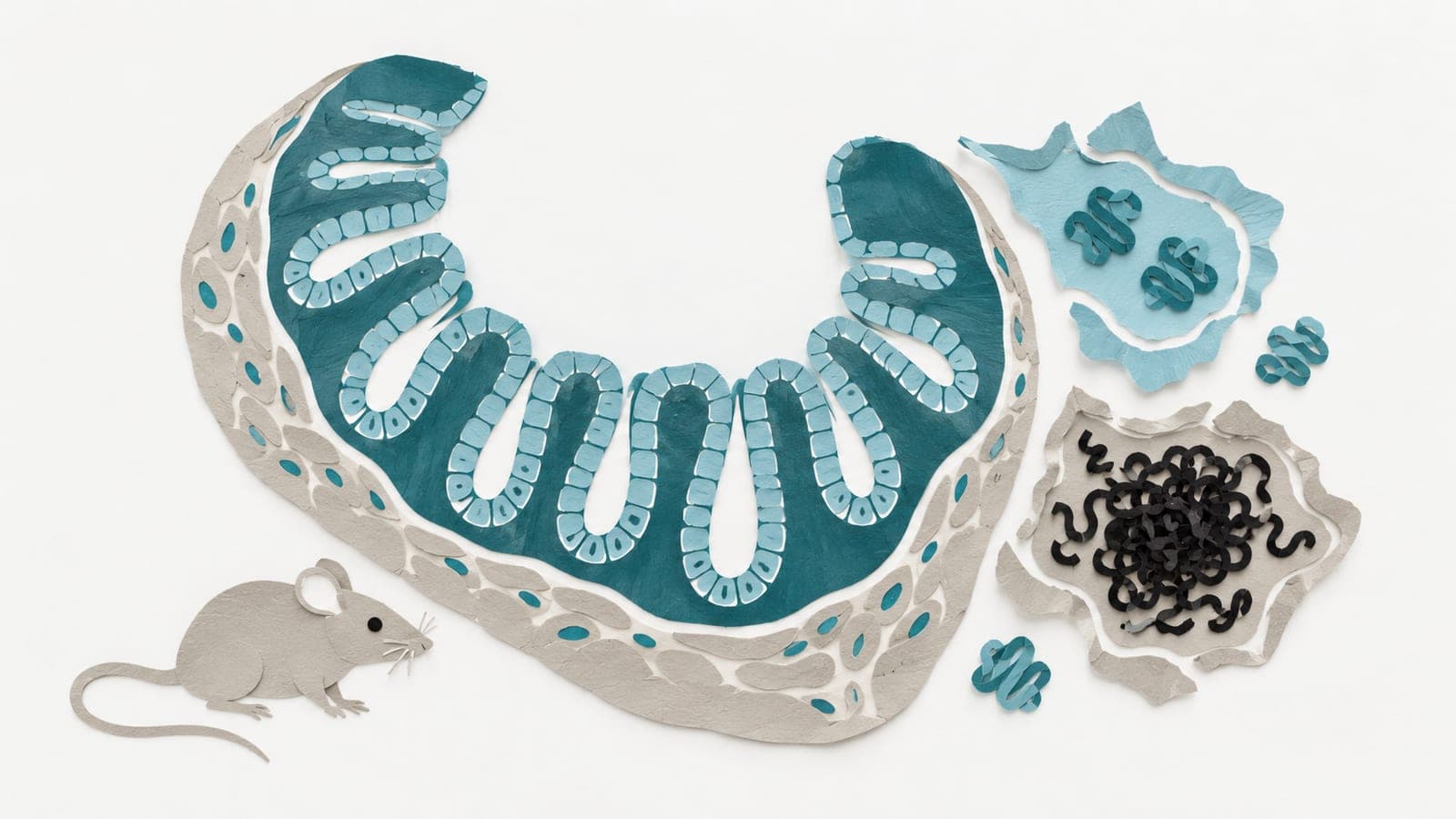
Mouse brain, liver and fat tissue were examined in an animal study of age-associated changes in RNA, the molecules made when genes are read. The researchers analyzed shifts in the use of different RNA versions produced from the same gene during natural aging and in mice with a gene disabled.
Across tissues, 36.5–42.6% of switches altered the predicted protein-coding sequence. Noncoding alternatives were involved in 31.2–36.5%, while 11–18% involved versions encoding an identical protein. RNA tended toward longer noncoding tail regions in the brain and shorter ones in fat tissue. The authors interpreted the switches as predominantly regulatory, with consequences for protein structure restricted to tissue-specific events.
Why it matters
Age-linked changes in how cells process RNA may offer biomarkers of aging.
Caveats
RNA features and computer predictions cannot by themselves establish how the switches affected tissue function. The findings are from mice, and the preprint has not been peer-reviewed.
Where the evidence stands
ERCC1
- 12 independent labs in 7 countries
- 5 findings against
- Funders: National Institute on Aging and others
- 5 of 47 findings with company ties
RNA splicing
- 43 independent labs in 13 countries
- 1 finding against
- Funders: National Institutes of Health and others
- 3 of 54 findings with company ties
The paper
University of Minnesota
bioRxiv, Nov 11, 2026, Open access, Preprint, not yet peer-reviewed

Comments
Be the first to comment.