Dogs’ human-equivalent ages vary by life stage and body system
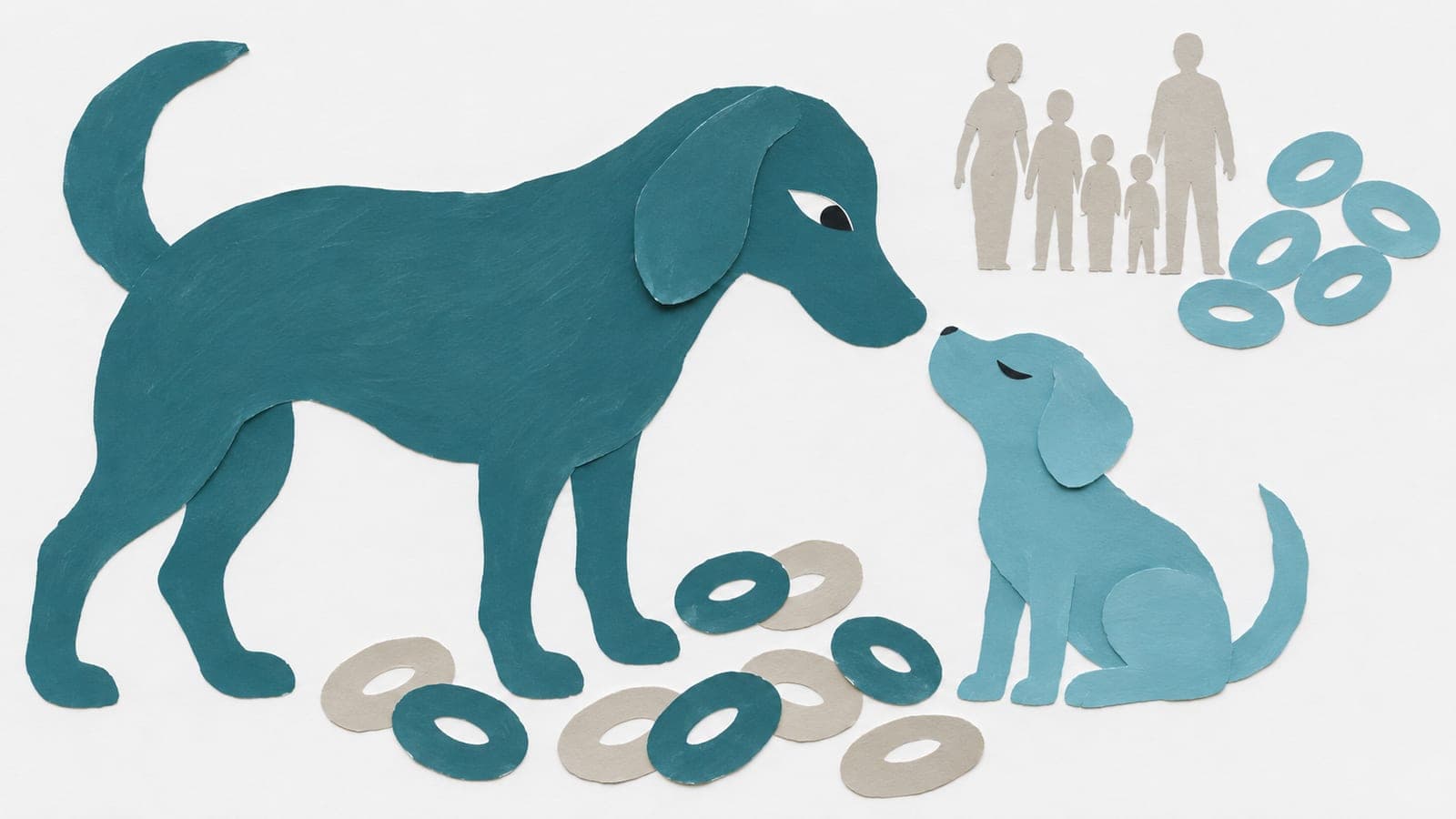
An analysis of 11,365 observations across humans, 11 species in the dog family and 171 dog groups found different timelines for biological processes.
Our read
Biomarkers- Studied:
- Preprint: study of humans and canids, against humans
- What changed:
- Dogs’ human-equivalent ages varied by life stage and body system, with faster development after birth than humans
- The catch:
- The comparisons did not identify mechanisms setting biological timelines
Editor of record: Boris Djordjevic · AgingResearch.News
Humans, 11 species in the dog family and 171 dog groups were compared in an analysis that aligned ages using 11,365 observations. The preprint used behavioral milestones, such as eye opening, alongside age-related blood chemistry changes, disease occurrence and reproductive traits.
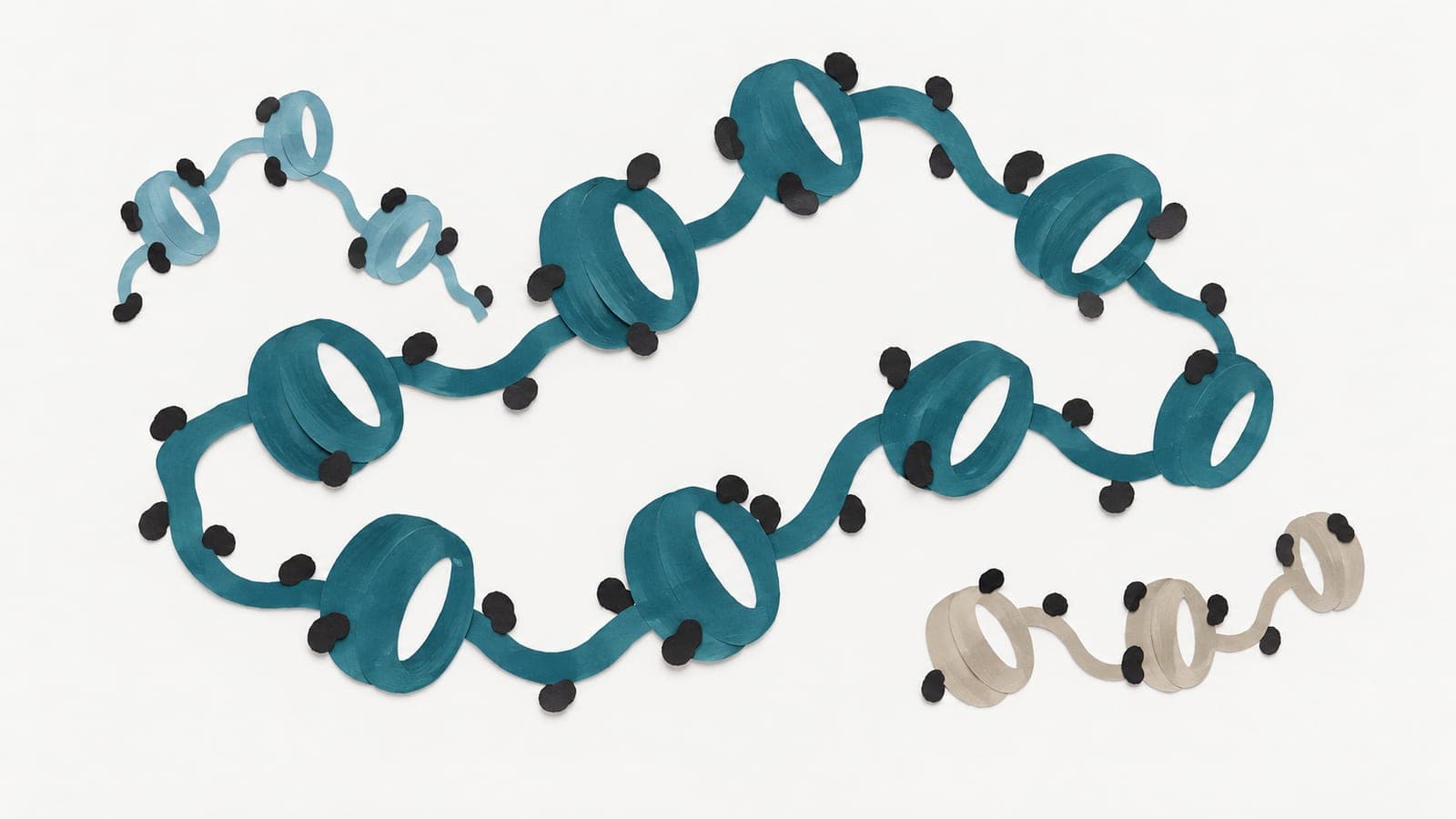
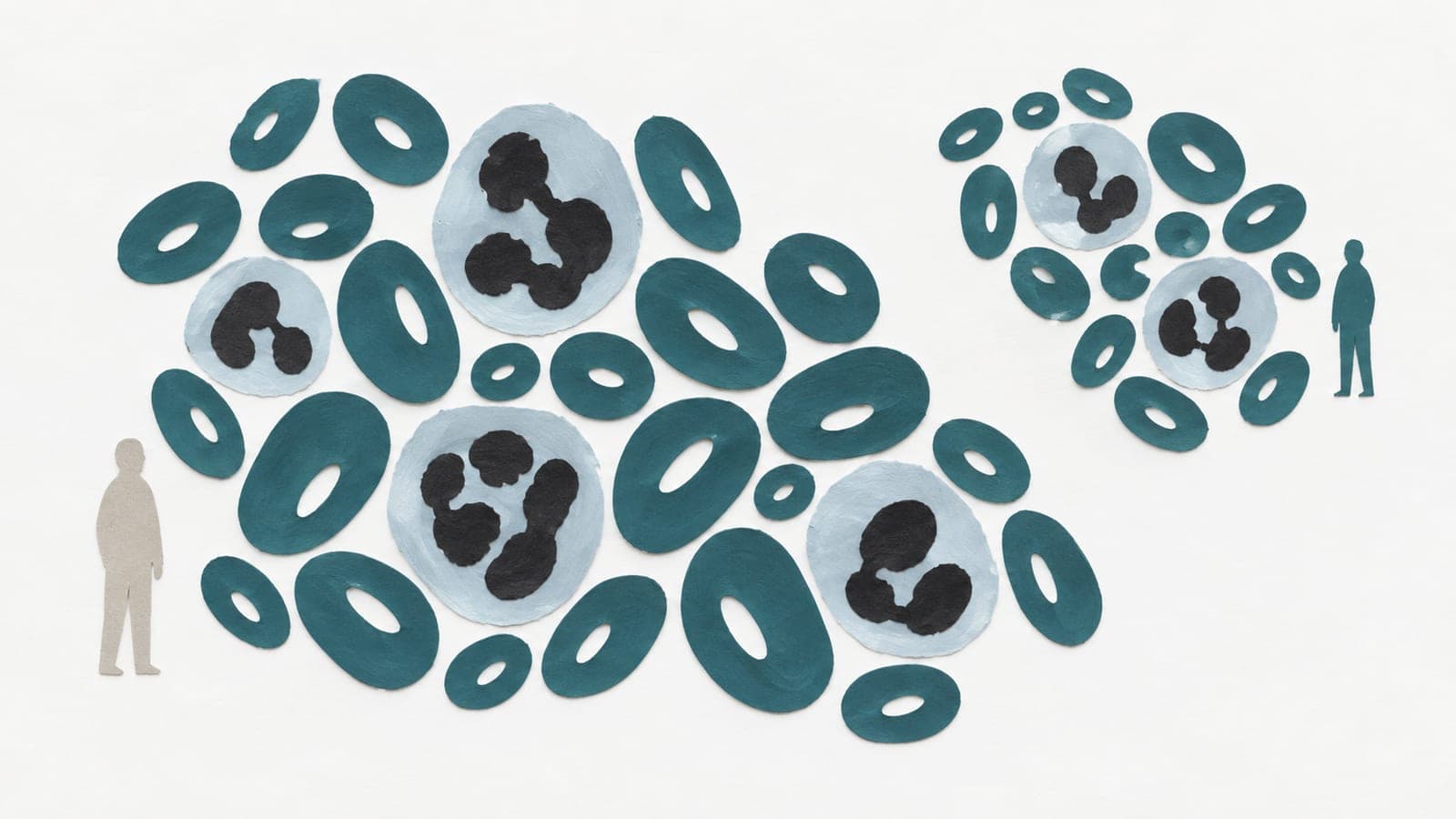
Dogs progressed through development after birth relatively faster than humans. The pace of development and aging varied across life stages and body systems. Many biological processes varied relatively independently, both across and within species in the dog family. Models that allowed body systems to follow different timelines across dog breeds outperformed models that assumed breeds differed only in their overall pace of development and aging. The authors concluded that a single multiplier, or a few traits, oversimplified dogs’ human-equivalent ages.
Why it matters
Comparing age-related disease across species raises the question of how to match ages meaningfully. The findings favor comparing the relevant biological process rather than relying on a universal age multiplier.
Caveats
The comparisons mapped differences in biological timing; they did not identify the mechanisms setting those timelines. The preprint has not been peer-reviewed.
The paper
Auburn University
bioRxiv, Nov 17, 2026, Open access, CC BY-NC, Preprint, not yet peer-reviewed

Comments
Be the first to comment.