Gene editor achieved more editing at lower doses in primate liver
The animal experiment targeted two sites in nonhuman primate liver, with comparisons drawn from preclinical data on Cas9-based therapies.

Our read
Interventions- Studied:
- Preprint: experiments in nonhuman primates, against Cas9-based therapies in preclinical studies
- What changed:
- Editing in primate liver was higher at lower doses with X-Editor than with Cas9-based therapies in separate preclinical data
- The catch:
- The comparison used separate preclinical Cas9 data rather than a head-to-head experiment
Editor of record: Boris Djordjevic · AgingResearch.News
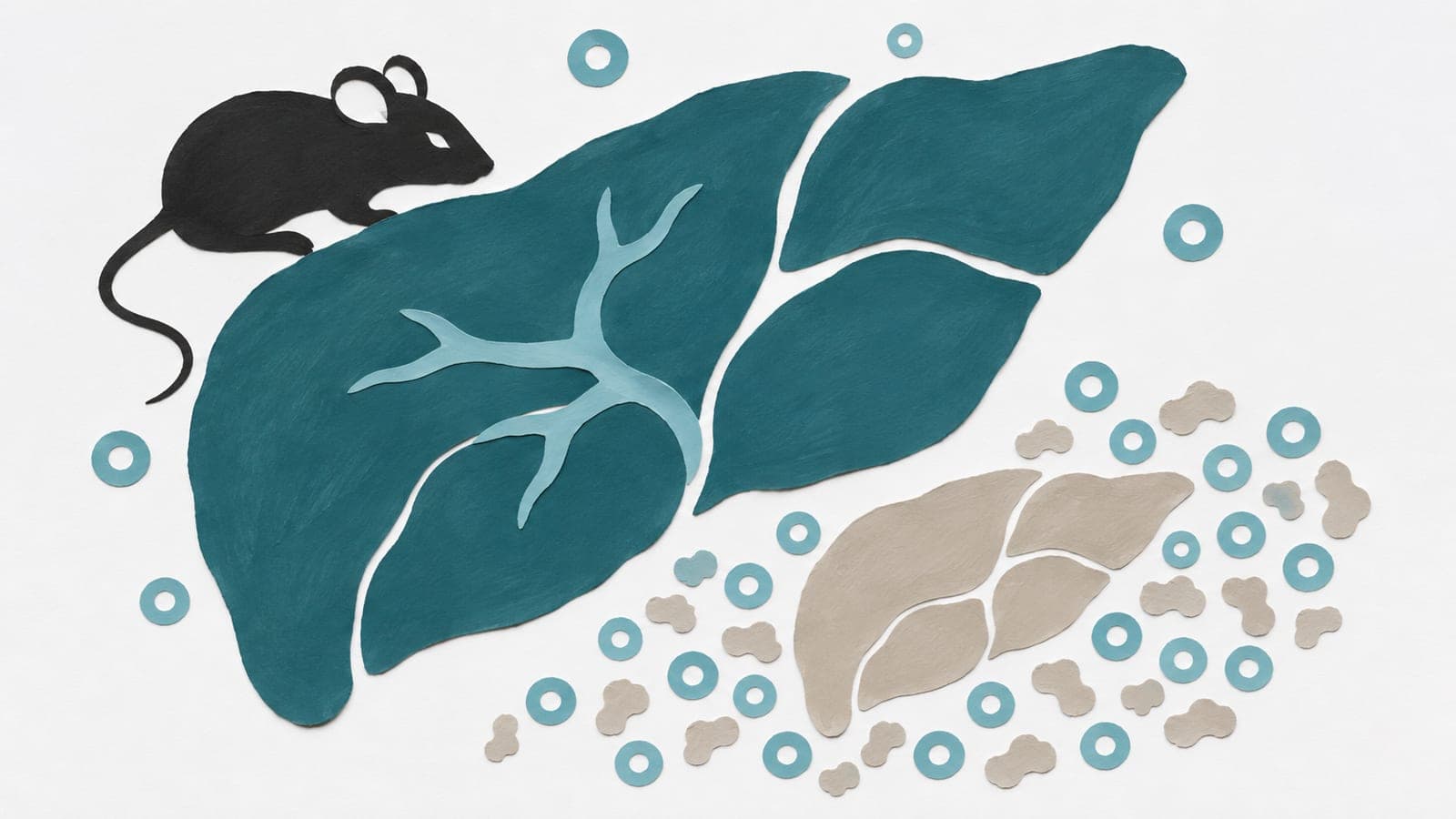
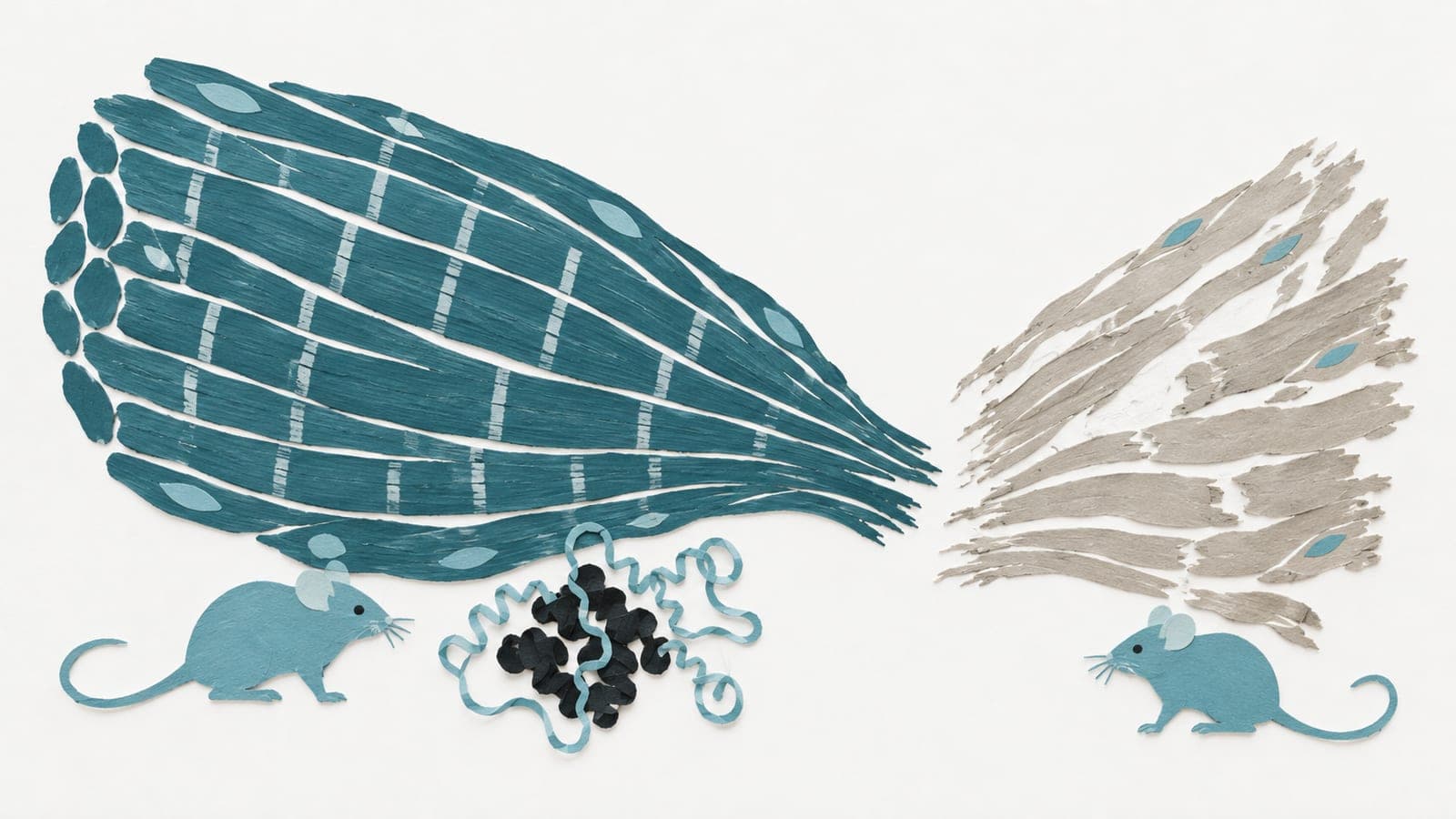
Nonhuman primates received instructions for making the X-Editor, an engineered CRISPR tool for cutting DNA, in an animal experiment. Tiny fat-based particles carried these instructions and guide RNAs, which direct editing to chosen DNA sequences, to the liver.
The researchers developed the editor by repeatedly modifying a DNA-cutting protein and its guide RNA. At two targets in primate liver, it achieved greater editing at lower doses than comparable preclinical data from Cas9-based therapies now in clinical testing. Separately, tests in primary human liver cells detected no editing at unintended DNA sites for either guide. Those tests used doses tenfold above the effective concentration for editing the intended site.
Why it matters
Genetic medicines need efficient editing while limiting unintended DNA changes. The authors propose that this compact editor could support medicines requiring lower doses and reduced risk of unintended editing.
Caveats
The results in nonhuman primate liver do not establish how the editor would perform in people. The work is a preprint and has not been peer-reviewed.
The paper
Comprehensive engineering of the CasX-Editor to generate a therapeutically optimized genome editor
Scribe Therapeutics
bioRxiv, Nov 12, 2026, Open access, CC BY-NC, Preprint, not yet peer-reviewed

Comments
Be the first to comment.