Gene variants shape antioxidant defenses in aging mouse brains
Experiments in mice carrying human ApoE4 found lower antioxidant protein levels in youth and accumulating products of fat oxidation with age.
Our read
Mechanisms- Studied:
- Preprint: experiments in mice
Editor of record: Boris Djordjevic · AgingResearch.News
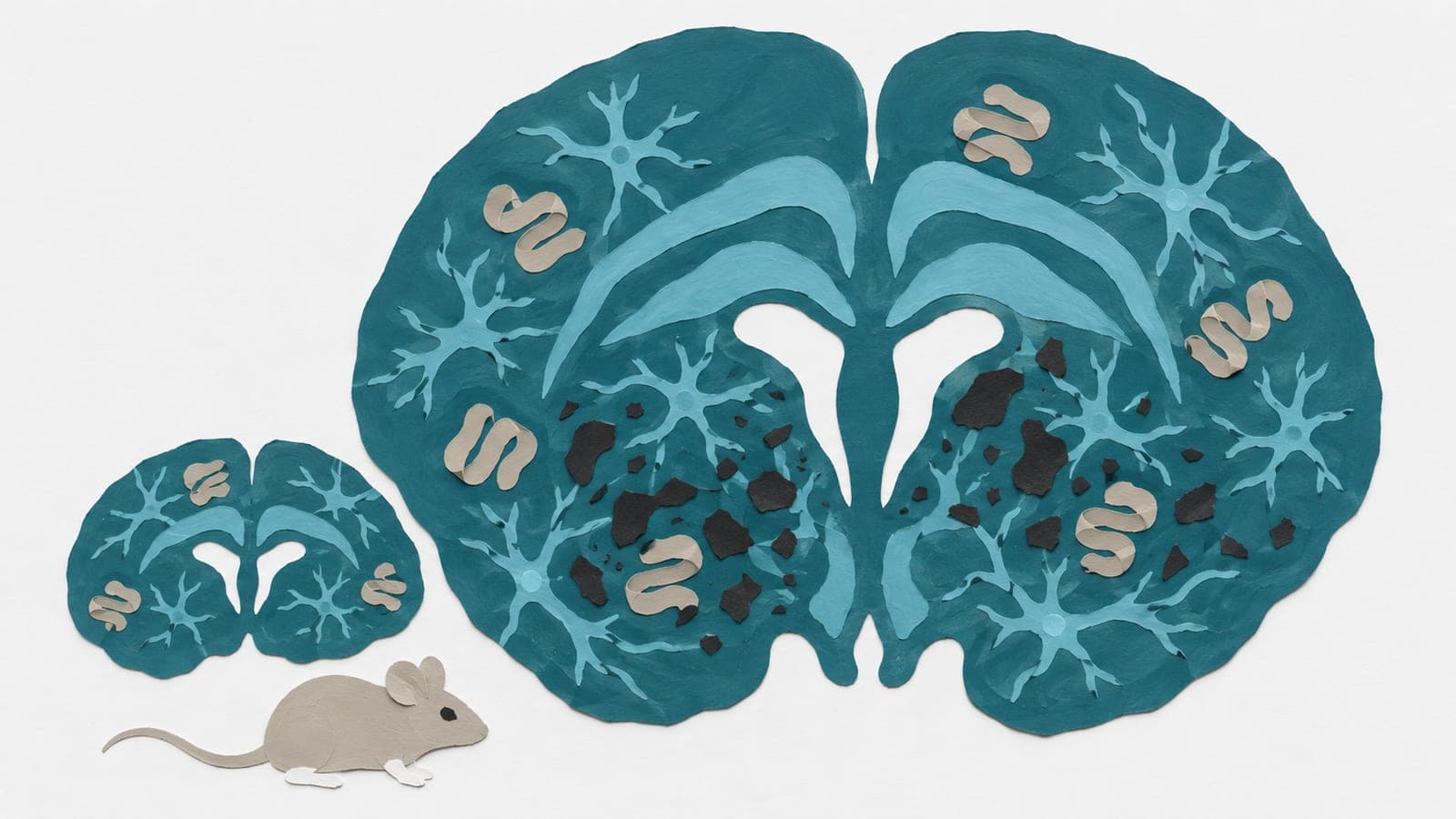
Mice carrying human versions of APOE, a gene linked to Alzheimer’s disease risk, underwent experiments on antioxidant defenses during aging. Young mice with the ApoE4 version had lower antioxidant protein levels before detectable oxidative damage. As they aged, they accumulated products of fat oxidation despite changes in their antioxidant defenses. Antioxidant gene activity shifted from an ApoE4 bias in youth toward ApoE2 with age.
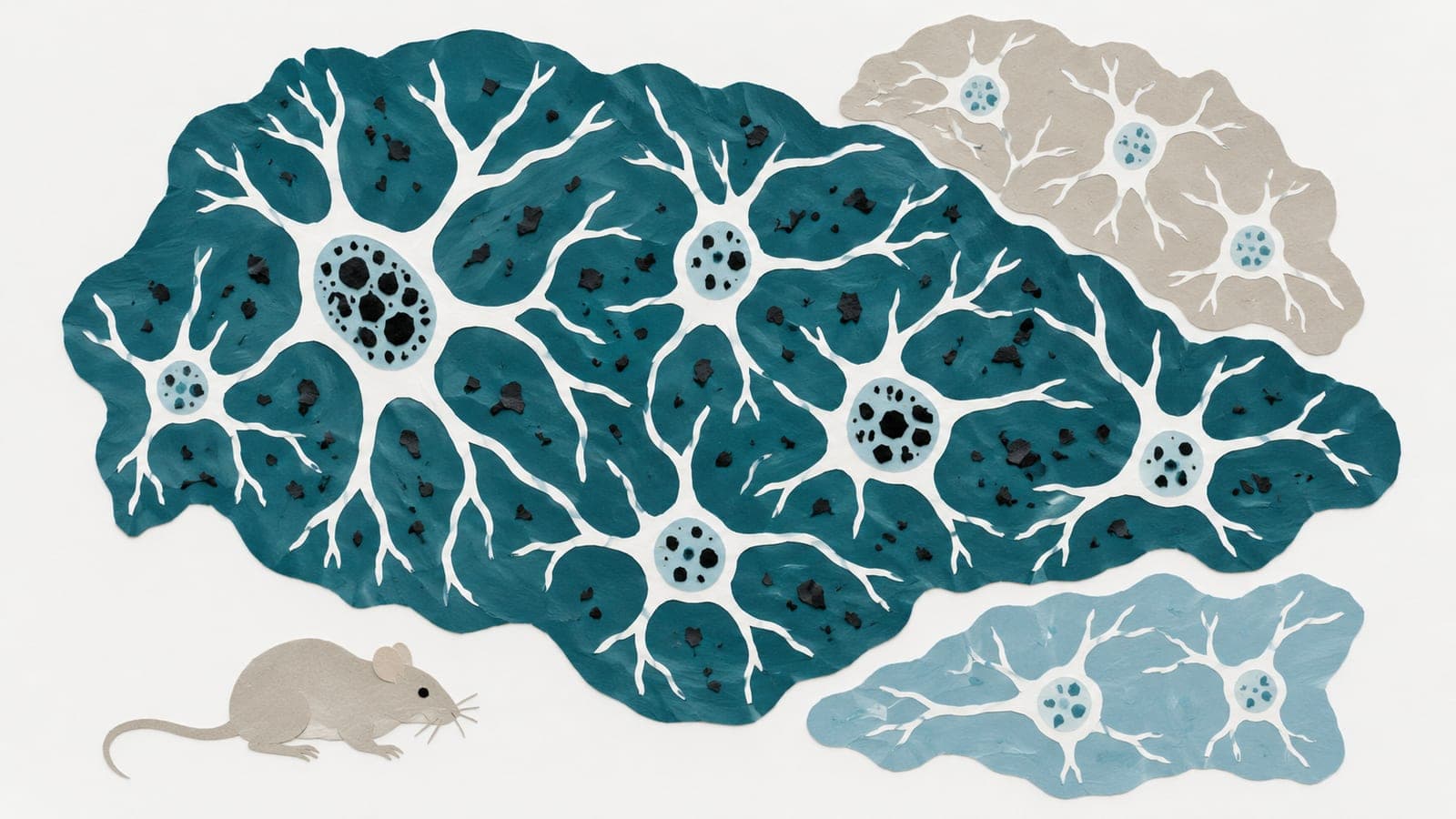
In separate cell experiments, ApoE4 cells mounted the strongest antioxidant gene response to the compound sulforaphane. Yet they accumulated less of certain proteins involved in maintaining other proteins, making antioxidants and suppressing a form of cell death. The authors linked differences between gene activity and protein production to age-dependent antioxidant adaptation and vulnerability to brain degeneration.
Why it matters
The APOE4 gene variant is the strongest common genetic risk factor for late-onset Alzheimer’s disease. Understanding antioxidant adaptation may help clarify how that risk relates to brain physiology before disease.
Caveats
The mouse and cell experiments do not show whether changing ApoE would alter Alzheimer’s risk in people. The work is a preprint and has not been peer-reviewed.
Sulforaphane is part of Rhonda Patrick's supplement routineMore supplements
The paper
ApoE isoforms establish distinct antioxidant trajectories across the aging brain
University of Southern California
bioRxiv, Nov 9, 2026, Open access, CC BY-NC-ND, Preprint, not yet peer-reviewed
Comments
Be the first to comment.