Bile acid reduced bone loss in mice with ovaries removed
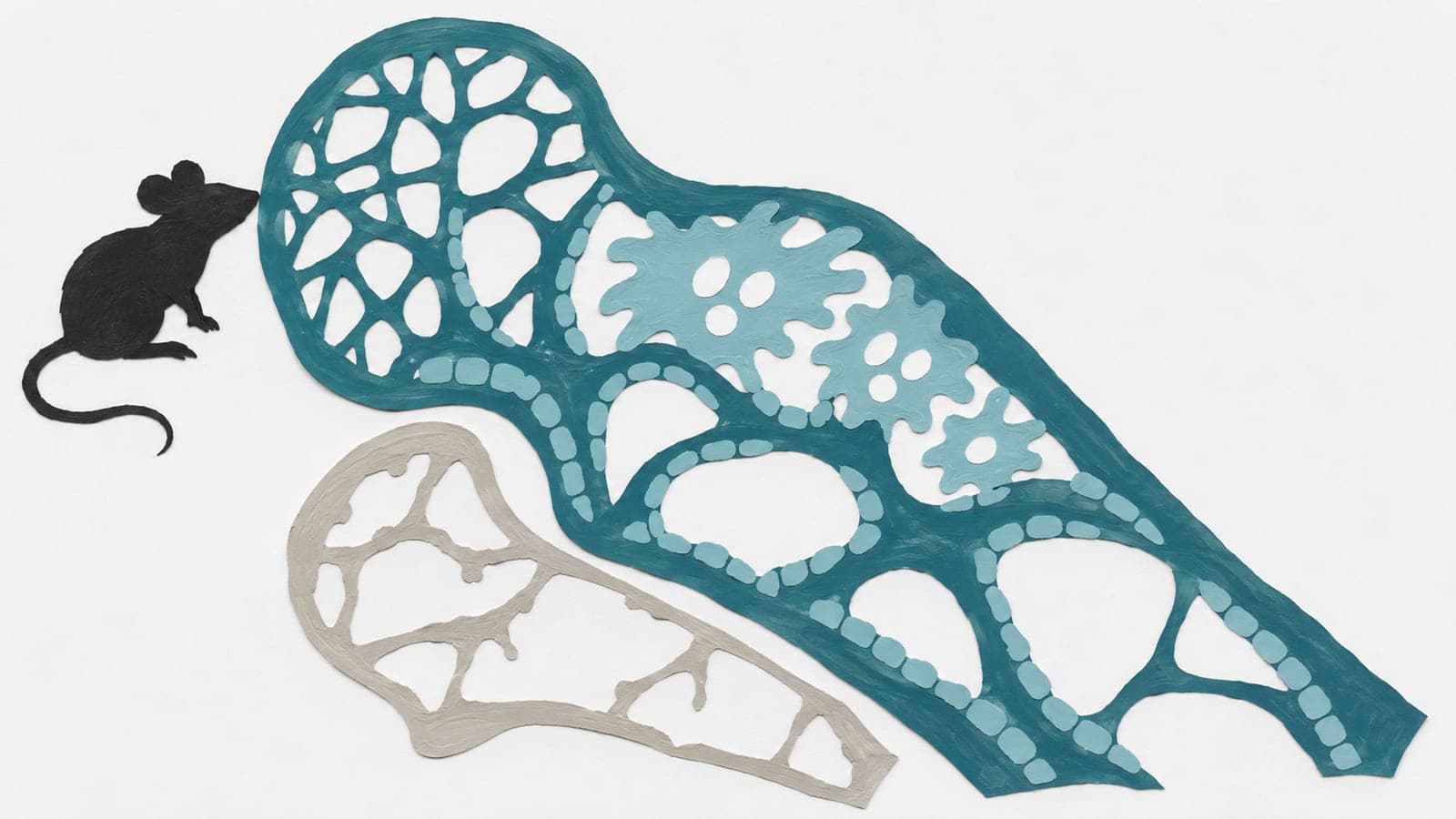
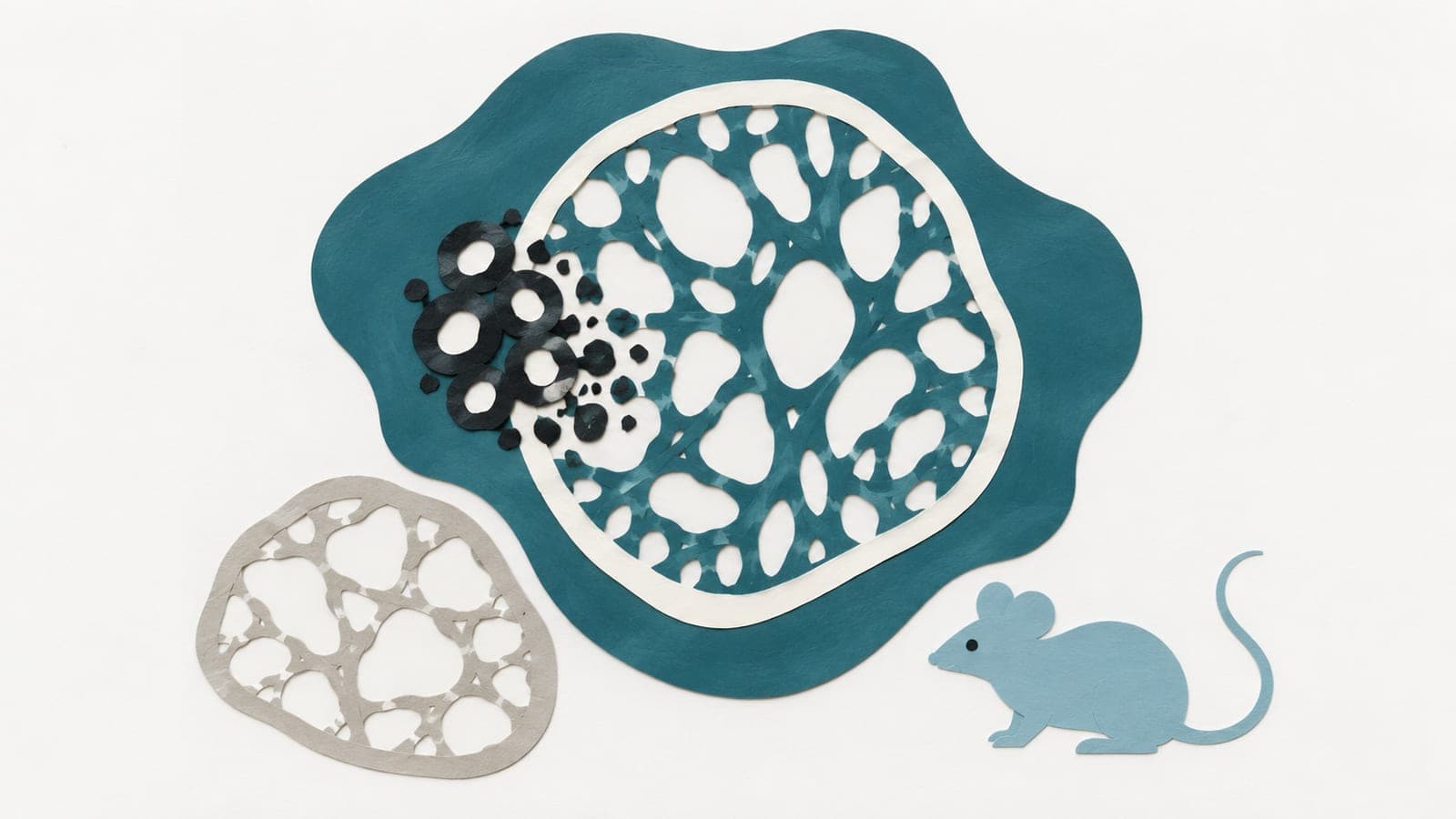
In a 45-day experiment, deoxycholic acid improved bone structure in mice whose ovaries had been removed to model bone loss after menopause.
Our read
Interventions- Studied:
- Preprint: experiments in mice with ovaries removed, 45 days
- What changed:
- Deoxycholic acid improved inner and outer bone structure in mice with ovaries removed
- The catch:
- Treatment lasted only 45 days, leaving longer-term bone effects unmeasured
- In the record:
- One of 8 papers on deoxycholic acid on record: 1 with results in people, 5 in animals.
Editor of record: Boris Djordjevic · AgingResearch.News
Mice whose ovaries had been removed to model bone loss after menopause received deoxycholic acid, a bile acid, at 20 milligrams per kilogram for 45 days in an animal experiment. The compound improved the structure of both the porous inner bone and the dense outer layer. It reduced the formation of bone-removing cells and increased the formation of bone-building cells.
In separate experiments with human cells grown in the lab, the compound suppressed the development of bone-removing cells from blood immune cells. In bone marrow-derived stem cells from women with postmenopausal osteoporosis, it promoted development into bone-building cells and the deposition of minerals.
Why it matters
Postmenopausal osteoporosis involves accelerated bone loss and altered microbial metabolites. The authors propose deoxycholic acid as a candidate for maintaining bone health in this condition.
Caveats
The mouse experiment and human cell experiments do not show whether giving this bile acid to women would improve their bones. The work is a preprint and has not been peer-reviewed.
- Deoxycholic acid
- Extracellular matrix remodeling
- Microbiome composition
- Bone loss
- Postmenopausal osteoporosis
- Mice
The paper
All India Institute of Medical Sciences (AIIMS)
bioRxiv, Nov 13, 2026, Open access, CC BY-NC-ND, Preprint, not yet peer-reviewed
Comments
Be the first to comment.